
Choosing between OEM (Original Equipment Manufacturer) and aftermarket brake shoes for your Yamaha Mio Sporty is a decision that directly impacts your daily safety, riding comfort, and maintenance budget. The optimal choice depends on your specific riding conditions, budget, and safety priorities, rather than a single universal winner. While genuine Yamaha parts offer guaranteed compatibility and consistent performance, high-quality aftermarket alternatives can provide cost-effective solutions or specialized friction characteristics tailored to specific riding styles.
Safety and Compatibility Checks Before Buying
Before purchasing any replacement brake shoes, you must verify that the components match your specific Yamaha Mio Sporty model year and rear drum brake dimensions. Although the Mio Sporty has maintained a highly consistent design over its long production run, subtle variations in aftermarket manufacturing tolerances or minor updates in scooter production batches can affect the fitment of the rear drum assembly.
Always cross-reference the OEM part numbers printed on the packaging with your scooter’s official parts catalog. Counterfeit components are common in online marketplaces and unauthorized physical shops, posing severe safety risks due to substandard friction materials that can delaminate under high heat.
Products mentioned in this guide
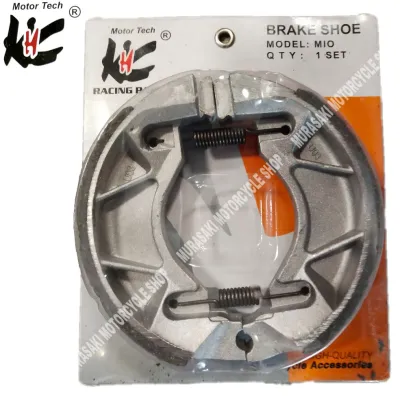
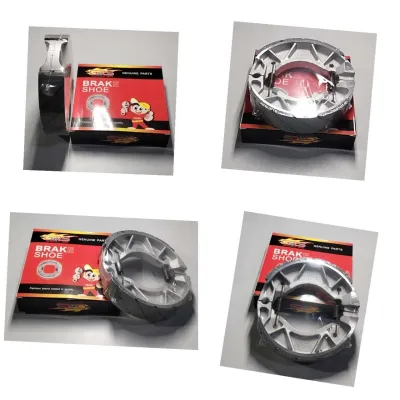
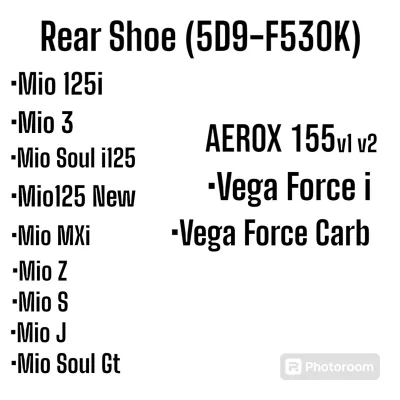
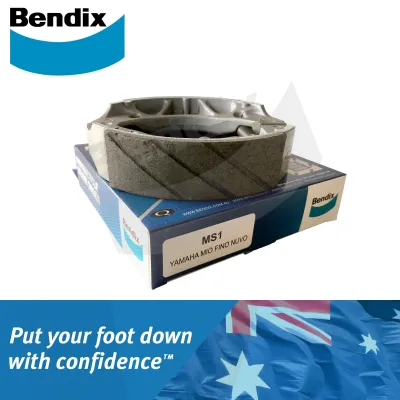
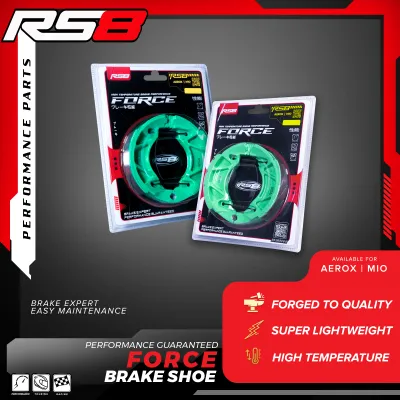
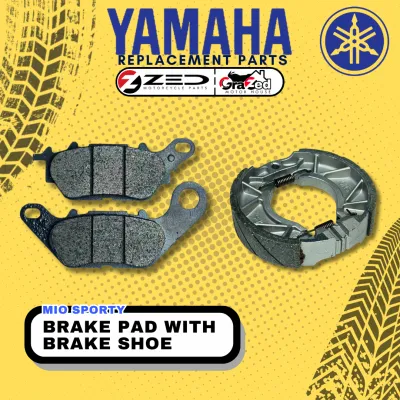
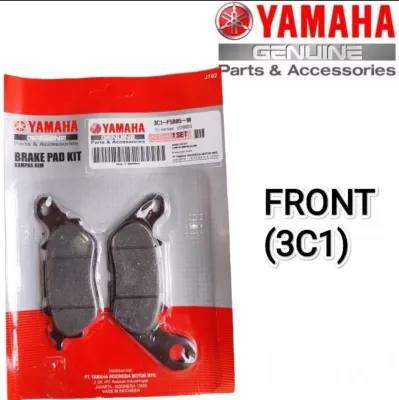
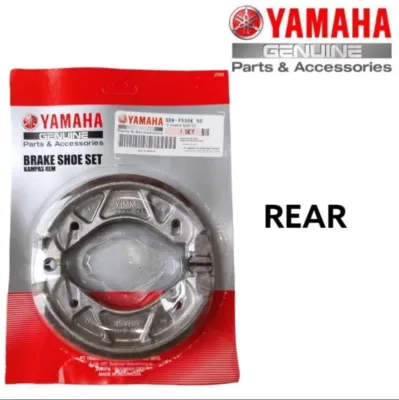
Prices are valid at publication and may change. Please refer to the product page for the latest price.
Because brakes are a critical safety system, you must prioritize proper installation. If you do not have the specialized tools, torque wrench, or mechanical experience required to disassemble the rear wheel and service the brake cam, plan to have the installation performed by a qualified motorcycle mechanic. During installation, the mechanic must check the brake drum clearance and ensure the return springs are correctly tensioned to prevent the brakes from dragging or locking up unexpectedly on the road.
What to Expect From OEM Yamaha Brake Shoes
Genuine OEM Yamaha brake shoes are engineered to meet the exact specifications of the Mio Sporty’s rear drum brake system. The primary advantage of choosing original parts is the consistency of the factory friction material. Yamaha selects compounds that balance stopping power, heat tolerance, and drum wear, ensuring that the scooter behaves exactly as it did when it first rolled off the showroom floor.

Under typical daily commuting conditions—such as navigating the stop-and-go traffic of metropolitan areas in hot, humid weather—OEM brake shoes exhibit highly predictable wear patterns. While the exact lifespan varies depending on your riding style, passenger weight, and how often you carry heavy loads, genuine shoes generally offer a long, reliable service life without causing premature wear to the inner surface of the brake drum.
In terms of cost, genuine Yamaha brake shoes typically fall within a price range of ₱350 to ₱600, depending on the authorized dealer or 3S shop you visit. While this is generally higher than budget aftermarket options, purchasing through authorized channels guarantees authenticity and ensures you are not installing a compromised counterfeit part that could fail under emergency braking.
Evaluating Aftermarket Brake Shoe Alternatives
Aftermarket brake shoes present a diverse range of options, allowing riders to choose based on specific performance traits or budget constraints. These third-party alternatives utilize various friction compounds, including organic, semi-metallic, and non-asbestos organic (NAO) materials. Each compound behaves differently; for instance, semi-metallic options may offer a sharper initial bite but can generate more brake dust and noise, whereas organic compounds tend to run quieter but may wear down faster under heavy use.
For many Mio Sporty owners, the primary appeal of aftermarket brake shoes is cost savings. Budget-friendly aftermarket options can cost significantly less than OEM parts, sometimes ranging from ₱150 to ₱300. This price difference makes them highly attractive for daily commuters or delivery riders who need to keep maintenance costs as low as possible.
Another practical advantage is local availability. Because the Mio Sporty is one of the most popular scooters in the Philippines, almost every local motorcycle supply shop stocks multiple aftermarket brands. However, this wide availability requires extra vigilance from the rider, as quality can vary dramatically between reputable aftermarket manufacturers and generic, unbranded parts.
Key Dimensions to Compare Before You Choose
To make an informed decision, you should compare OEM and aftermarket options across several practical, observable dimensions that affect your daily ride.
First, consider braking feel and modulation, especially during the monsoon season when roads are wet and flooded. Drum brakes are naturally susceptible to water entry, which can cause a sudden loss of stopping power or unexpected grabbing. OEM shoes are formulated to recover quickly from water exposure, while some aftermarket compounds may slip or squeal excessively until they dry out.
Second, evaluate wear rate compatibility. The friction material on the brake shoe must be softer than the cast iron liner of the brake drum. If you install an aftermarket shoe with an excessively hard compound, it may last a long time but will rapidly wear down and score the inside of your brake drum. Replacing a scored or out-of-round brake drum is far more expensive and labor-intensive than replacing worn brake shoes.
Third, analyze the overall price-to-value ratio. A cheaper aftermarket shoe that needs replacement twice as often as an OEM shoe—and incurs double the labor costs or DIY maintenance time—may end up costing more in the long run. Use the following comparison matrix to evaluate your options against manufacturer specifications and product labels before purchasing.
| Comparison Dimension | OEM Yamaha Brake Shoes | Reputable Aftermarket Brake Shoes |
|---|---|---|
| Friction Compound | Standard factory organic/non-asbestos | Varies (Organic, Semi-Metallic, Ceramic) |
| Braking Feel & Bite | Smooth, progressive, highly predictable | Ranges from soft and quiet to aggressive initial bite |
| Drum Wear Rate | Low; optimized to preserve the brake drum | Variable; harder compounds may accelerate drum wear |
| Wet Weather Recovery | Consistent recovery after water exposure | Highly dependent on compound quality and grooving |
| Average Price Range | ₱350 – ₱600 | ₱150 – ₱300 |
| Best Suited For | Daily commuters prioritizing longevity and safety | Budget-conscious riders or specific performance needs |
How to Decide: When to Choose OEM vs. Aftermarket
Your final decision should align with your specific riding habits, budget, and the current condition of your scooter’s brake system.
Choose OEM brake shoes if you prioritize a predictable factory braking feel, ride extensively in heavy daily traffic, and want to guarantee long-term compatibility with your brake drum. The peace of mind that comes with genuine parts is highly valuable for riders who prefer a ‘set-and-forget’ maintenance routine and want to avoid the risk of accelerated drum wear.
Choose aftermarket brake shoes if you are working within a strict budget, need an immediate replacement from a nearby local shop, or are looking for specific performance characteristics, such as grooved shoes designed to channel away water and dust more efficiently during the rainy season. If you go this route, stick to well-known, established aftermarket brands rather than anonymous, ultra-cheap options.
Before making any purchase, inspect the condition of your rear brake drum. If the drum’s inner surface is heavily scored, grooved, or worn beyond the service limit specified in your owner’s manual, installing new brake shoes of any brand will not restore safe braking performance. In such cases, or if your scooter is used for heavy-load delivery services, consult a qualified mechanic to determine if the entire rear wheel hub needs to be serviced or replaced.
Frequently Asked Questions (FAQ)
How often should I replace the brake shoes on my Mio Sporty?
There is no fixed mileage interval for replacing brake shoes, as wear rates depend heavily on riding style, load, and environmental conditions. Instead, you should regularly check the mechanical wear indicator located on the rear brake cam shaft. When you pull the rear brake lever fully and the indicator pointer aligns with the wear limit mark on the brake hub, the shoes have reached the end of their service life and must be replaced immediately.
You should also look out for physical symptoms of worn brakes during your daily rides. These include a noticeable reduction in stopping power, a spongy or excessively loose rear brake lever feel, or persistent squeaking and grinding noises coming from the rear wheel hub. Consult your Mio Sporty owner’s manual for the exact inspection intervals and wear limit specifications to ensure you maintain optimal safety.
Can I mix OEM and aftermarket brake components?
Brake shoes must always be replaced in pairs within the same drum assembly. Never attempt to mix an OEM brake shoe with an aftermarket brake shoe on the same wheel, as differences in friction coefficients, wear rates, and spring tensions can cause uneven braking, premature wear, or dangerous brake binding.
While you can use aftermarket brake shoes in the rear drum while keeping an OEM disc brake setup on the front wheel, you must ensure that each individual assembly uses matching components. Additionally, when replacing your brake shoes, inspect the associated hardware, including the return springs, brake cam, and rear brake cable. If these components are stretched, rusted, or worn, they should be replaced alongside the brake shoes to guarantee the entire system functions safely and responsively.
Community discussion
Share your experience or ask a question. Comments are reviewed before publication.