
For an NMAX V1 engine rebuild, choosing between an Original Equipment Manufacturer (OEM) genuine Yamaha crankshaft and an aftermarket alternative depends on your riding requirements, budget, and access to precision measurement tools. A genuine OEM crankshaft is the safest choice for daily commuters who prioritize long-term reliability, factory-spec balance, and a direct drop-in installation without modification. Aftermarket crankshafts can be a viable option for budget-constrained repairs or specialized performance builds, provided you have the means to verify their dimensional tolerances and material quality before installation.
Because the crankshaft is the heart of your scooter’s engine, making the wrong choice can lead to severe engine vibration, premature bearing wear, or catastrophic engine failure on the road. Navigating the tropical heat and stop-and-go traffic conditions in the Philippines puts immense thermal and mechanical stress on your motorcycle’s internal components. Selecting the right replacement part ensures your scooter remains a dependable workhorse for daily commuting or delivery services.
Core Differences and Initial Recommendation
To make an informed decision, you must first understand what sets these two categories apart. Genuine OEM parts are manufactured directly for Yamaha, packaged in official branded boxes, and held to strict quality control standards. These components are designed to match the exact engineering specifications of your NMAX V1, ensuring that every dimension, weight distribution, and oil passage aligns perfectly with the original engine design.
Products mentioned in this guide
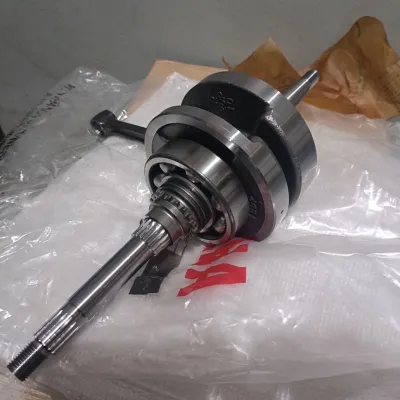
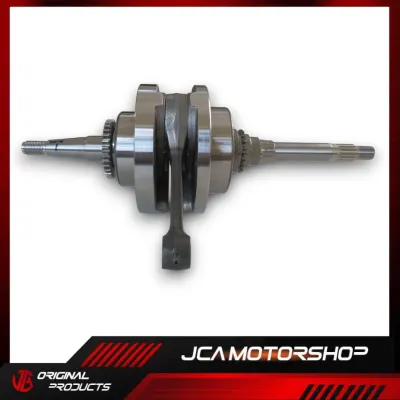
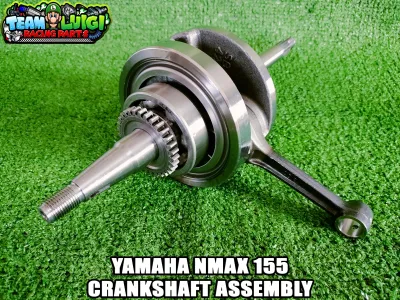
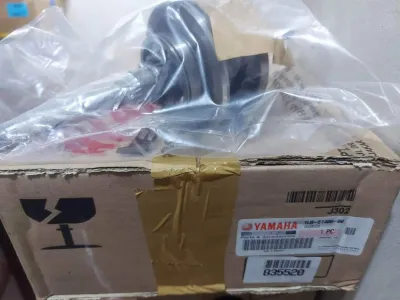
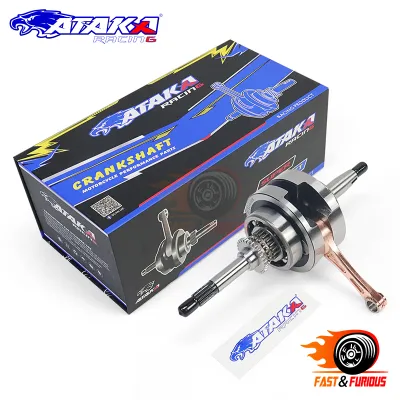
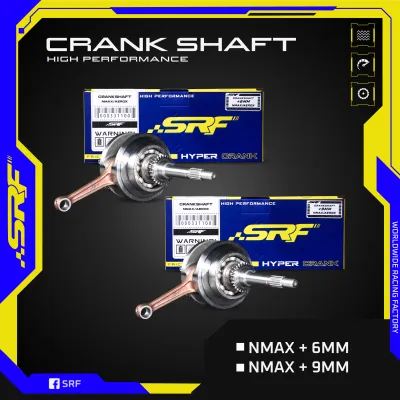
Prices are valid at publication and may change. Please refer to the product page for the latest price.
Aftermarket crankshafts are produced by third-party manufacturers and vary widely in quality, design, and intended use. Some aftermarket options are designed as direct, budget-friendly replicas of the original part, while others are engineered specifically for high-performance or racing applications with modified stroke lengths or reinforced connecting rods. Because these parts do not undergo Yamaha’s proprietary quality assurance, their reliability depends entirely on the manufacturing standards of the individual brand.
When sourcing a replacement, matching the exact NMAX V1 engine code and production year is critical to avoid costly fitment issues. The NMAX V1 utilizes specific crankcase dimensions and generator mounts that may differ from later model iterations. Installing a crankshaft intended for a different model year can result in improper alignment, oil starvation, or physical interference inside the engine case.
For riders who depend on their NMAX V1 for daily transportation, heavy commuting, or commercial delivery work, the initial recommendation is to stick with a genuine OEM crankshaft. The factory-preset balance and proven durability of genuine parts offer the peace of mind needed for daily road use. Aftermarket units should generally be reserved for project bikes, performance tuning, or situations where a reputable third-party brand is selected and verified by a professional mechanic.
Reliability, Material Quality, and Durability
Evaluating the reliability of a crankshaft requires looking closely at the manufacturing processes and materials used. Genuine Yamaha crankshafts undergo specialized induction hardening and heat treatment processes to ensure the bearing journals and crankpins can withstand constant friction and high rotational speeds. These factory treatments are optimized for the standard operating temperatures and lubrication flow of the NMAX V1 engine.

Aftermarket manufacturers often highlight advanced material treatments such as forging or nitriding in their product documentation. While these processes can theoretically increase surface hardness and tensile strength, you must verify these claims by reviewing the manufacturer’s official specifications rather than relying on marketing labels. High-quality aftermarket brands will provide detailed technical sheets outlining their material grades and hardening depths.
Before installing any aftermarket crankshaft, performing a thorough visual and physical inspection is essential. Examine the unit for clean, uniform machining marks and the complete absence of rough casting flash or sharp edges around the oil holes. Check the radial and axial play of the connecting rod big-end bearing; there should be no perceptible vertical play, and the side clearance must fall within the tight tolerances specified by the manufacturer.
Using an unverified or low-quality aftermarket crankshaft carries significant mechanical risks. Poorly balanced crankshafts introduce excessive vibration into the engine, which quickly degrades the main crankcase bearings and causes discomfort for the rider. Over time, these vibrations can lead to metal fatigue, resulting in a snapped connecting rod or severe damage to the engine block itself.
Performance and Engine Rebuild Considerations
During an engine rebuild, dimensional precision is non-negotiable. You must use a micrometer and a dial indicator on V-blocks to verify the journal diameters, stroke length, and runout of the new crankshaft before assembly. Even a tiny deviation of a hundredth of a millimeter from the factory specifications can cause oil pressure drops, bearing binding, or premature component failure.
Compatibility with surrounding engine components is another critical factor to consider. A genuine OEM crankshaft is designed to work seamlessly with standard Yamaha pistons, wrist pins, and main bearings, ensuring a straightforward assembly process. Some aftermarket crankshafts may feature slightly different pin diameters or shoulder widths, requiring you to source matching aftermarket bearings or connecting rods to complete the installation.
If your rebuild project involves performance modifications, such as installing a larger bore cylinder kit, a specialized aftermarket crankshaft might be highly beneficial. These performance-oriented units are often designed with heavier counterweights or reinforced rods to handle the increased combustion forces of a modified engine. However, choosing this path requires a commitment to professional engine tuning and precise fuel mapping to prevent engine knock and overheating.
For standard daily riding, a high-performance aftermarket crankshaft offers little to no practical advantage over an OEM unit. The standard NMAX V1 engine is optimized for fuel efficiency and smooth power delivery, both of which are best supported by the factory-balanced weight of the OEM crankshaft. Altering this balance without a complete engine modification plan can actually reduce rideability and fuel economy.
Price, Availability, and Value Assessment
When budgeting for your engine rebuild, it is important to verify current pricing at authorized Yamaha dealerships and reputable independent motorcycle shops in the Philippines. Genuine OEM crankshafts generally command a premium price, reflecting the cost of factory quality control and official distribution channels. You can obtain accurate quotes in ₱ by visiting local authorized 3S shops or checking their official parts catalogs.
While searching online marketplaces or local shops, you will likely encounter aftermarket crankshafts offered at significantly lower prices. You must exercise extreme caution when encountering suspiciously cheap units, as these low prices often indicate substandard steel alloys, inadequate heat treatment, or counterfeit packaging. Investing in a low-grade component to save money upfront frequently leads to premature failure and much higher repair bills later.
To assess the true value of your purchase, you must calculate the total cost of the engine rebuild rather than just the price of the crankshaft itself. A complete rebuild requires new crankcase gaskets, high-quality engine oil, fresh coolant, main bearings, and specialized oil seals. If an out-of-spec aftermarket crankshaft requires additional machining or fails shortly after installation, the cost of labor and replacement parts will quickly surpass the initial savings.
Availability is another practical factor to keep in mind. Genuine Yamaha parts are widely stocked by authorized dealers across the country, making it relatively easy to source a replacement quickly. Some specialized aftermarket brands may require ordering from overseas or waiting for specific production runs, which can leave your scooter out of service for an extended period.
Decision Framework: Choosing the Right Crankshaft
To finalize your decision, evaluate your specific riding needs, budget, and mechanical support against this clear decision framework. Choosing the right path depends on how you use your scooter and your willingness to perform additional technical verifications.
Choose a Genuine OEM Crankshaft if:
- You use your NMAX V1 for daily commuting, ride-hailing, or delivery services where vehicle reliability directly impacts your daily income.
- You want a straightforward, drop-in replacement that fits perfectly without requiring custom measurements or matching aftermarket parts.
- You prefer to maintain the original factory warranty standards, fuel efficiency, and smooth engine characteristics of your scooter.
- You want to ensure maximum resale value by keeping the engine components strictly original.
Choose a Reputable Aftermarket Crankshaft if:
- You are building a dedicated project or racing scooter and plan to install a bore-up kit or other performance modifications.
- You are working with a trusted, professional mechanic who possesses the precision tools required to verify the crankshaft's runout and clearances before installation.
- You have selected a well-known, premium aftermarket brand that provides clear technical specifications, material certifications, and a reliable product warranty.
- You are prepared to monitor the engine closely during the initial break-in period and perform regular maintenance checks.
Before purchasing any replacement part, always verify if your engine block has suffered any structural damage from a previous failure. If a bearing seized or a rod snapped previously, the crankcase journals may require professional line boring or alignment checks before a new crankshaft can be safely installed.
Installation Safety and Professional Verification
Installing a crankshaft is a highly complex procedure that requires splitting the engine crankcase. This task must never be attempted using improvised tools like hammers, screwdrivers, or chisels, as these can easily bend the new crankshaft, damage the oil seals, or crack the aluminum engine cases. Always use specialized tools, including a dedicated crankcase splitter and a crankshaft installer tool, to pull the shaft smoothly into the bearings.
Before beginning the assembly, consult the official Yamaha service manual for the NMAX V1 to obtain the exact torque specifications for all crankcase bolts, the flywheel nut, and the primary drive gear. Pay close attention to the specified bearing clearances and the recommended liquid gasket application areas. Ensuring a perfect seal between the crankcase halves is vital to prevent oil leaks and maintain proper internal oil pressure.
Once the crankcase halves are joined and torqued to specification, you must perform a manual rotation check. Spin the crankshaft slowly by hand; it should rotate smoothly without any binding, tight spots, or unusual resistance. If you detect any friction or misalignment, stop the build immediately, disassemble the cases, and consult a qualified motorcycle mechanic to identify and correct the issue before running the engine.
Frequently Asked Questions (FAQ)
How can I identify a counterfeit OEM Yamaha crankshaft?
To identify a counterfeit OEM Yamaha crankshaft, start by carefully examining the packaging. Genuine Yamaha parts feature high-quality boxes with clear, sharp printing, correct part number formatting, and official holographic security stickers that shift color under light. Counterfeit packaging often displays blurry text, off-center logos, or low-quality adhesive labels.
Next, inspect the physical crankshaft itself for manufacturing quality. Genuine parts exhibit clean, uniform casting marks, precise machining on all threaded areas, and smooth, polished bearing journals. Counterfeit units often have rough, unfinished edges, inconsistent metal coloration, or poorly cut threads. To guarantee authenticity, purchase your parts only from authorized Yamaha 3S dealerships or highly verified, established local distributors.
Do I need to replace the connecting rod and bearings when changing the crankshaft?
Yes, it is highly recommended to replace the main crankshaft bearings and the connecting rod assembly when installing a new crankshaft. If you are purchasing a complete crankshaft assembly, it will typically arrive with the connecting rod and big-end bearing pre-installed from the factory. However, you must still source new, high-quality main bearings for the crankcase halves.
Reusing old, worn bearings with a new crankshaft is a common mistake that leads to rapid component wear. Old bearings have established wear patterns that will not align correctly with the new crankshaft journals, causing localized friction, heat buildup, and premature failure. Installing fresh bearings ensures the entire rotating assembly spins smoothly and maintains the correct oil clearances required for long-term engine health.
Community discussion
Share your experience or ask a question. Comments are reviewed before publication.