
If your Honda Wave 125 has started emitting white smoke, losing compression, or consuming engine oil rapidly, you are likely facing a cylinder block replacement. Choosing between an Original Equipment Manufacturer (OEM) part and an aftermarket alternative is the most critical decision of this repair process. The right choice depends entirely on how you use your motorcycle, your long-term reliability expectations, and your immediate repair budget.
An OEM cylinder block is the ideal choice for daily commuters, delivery riders, and anyone who relies on their motorcycle for daily livelihood. Sourced directly from Honda, these parts guarantee exact factory fitment, optimal heat dissipation, and long-term durability under harsh tropical conditions. While the upfront cost is higher, the reliability of an OEM block minimizes the risk of premature wear and costly engine failures.
Aftermarket cylinder blocks are highly suitable for riders on a strict budget, owners repairing an older motorcycle with low resale value, or hobbyists looking to experiment with performance upgrades. These third-party options offer significant upfront savings and are widely available across online marketplaces. However, choosing aftermarket parts requires careful selection to avoid inconsistent casting quality, poor dimensional tolerances, and softer sleeve materials that can lead to rapid engine wear.
Products mentioned in this guide
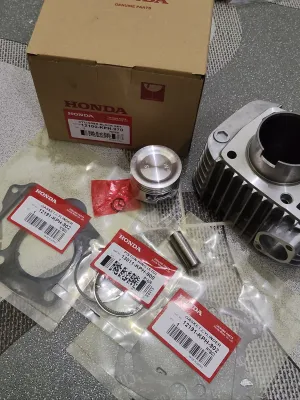
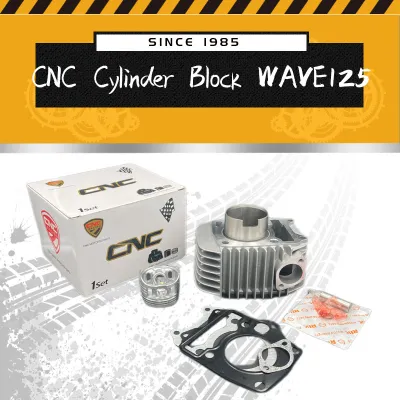
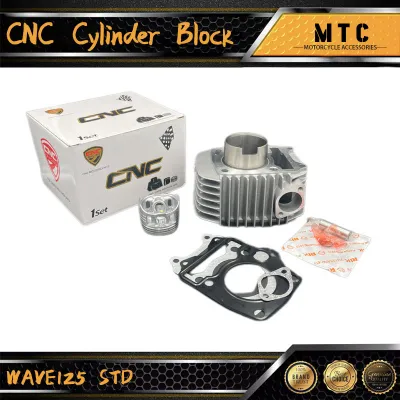
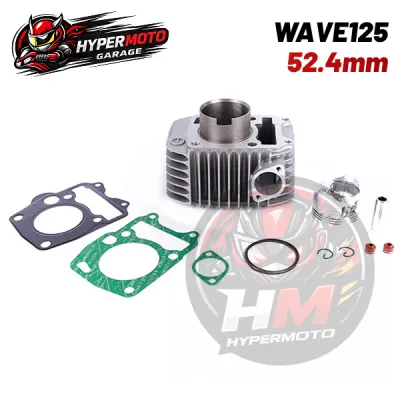
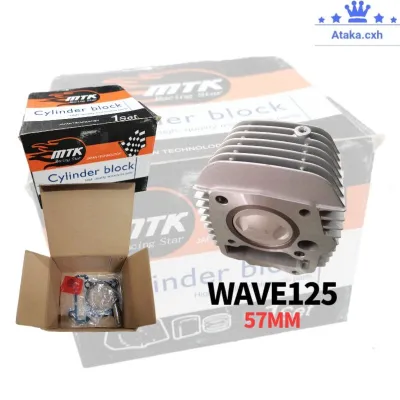
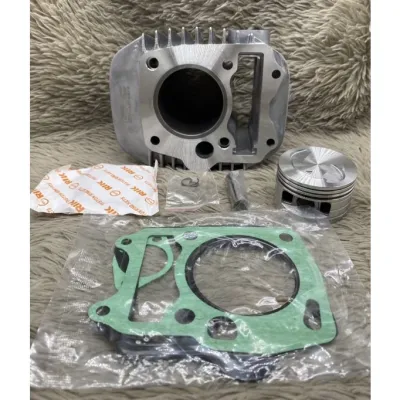
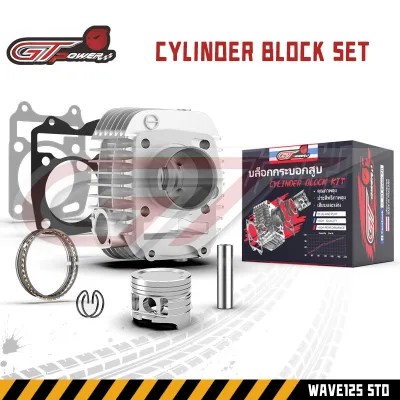
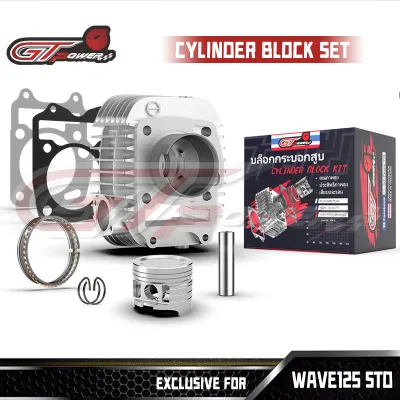
Prices are valid at publication and may change. Please refer to the product page for the latest price.
What Does the Cylinder Block Do?
The cylinder block is the structural heart of your motorcycle’s engine, serving as the core chamber where combustion takes place. Often sold as a complete cylinder kit—which includes the cylinder block itself, the piston, piston rings, wrist pin, and retaining clips—it provides the sealed environment necessary to generate power. The block must withstand thousands of controlled explosions every minute while guiding the piston in a perfectly straight, low-friction path.
Beyond containing combustion, the cylinder block plays a vital role in thermal management. The exterior of the block features cast cooling fins designed to dissipate intense heat into the passing air, a function that is particularly critical in the stop-and-go traffic and high humidity of the Philippines. If the block cannot shed heat efficiently, the engine risks overheating, which can warp components and cause the piston to seize.
Because replacing a cylinder block requires dismantling the top end of your engine, it is classified as a major mechanical repair. The quality of the replacement block directly determines how many thousands of kilometers your engine will run before needing another overhaul. Installing a substandard block can lead to immediate compression loss, oil leaks, or catastrophic engine damage, making it essential to understand the differences between your replacement options.
OEM Cylinder Blocks: Factory Reliability and Exact Fit
An OEM cylinder block for the Honda Wave 125 is manufactured either directly by Honda or by their strictly vetted, authorized component suppliers. These parts are engineered to the exact metallurgical and dimensional specifications of the original engine that came with your motorcycle from the showroom floor. When you buy a genuine Honda cylinder kit, you are paying for the extensive research, development, and quality control that went into designing the Wave 125 engine.

The primary advantage of choosing an OEM block is its guaranteed dimensional accuracy. The bore size, stud hole alignment, and mating surfaces are manufactured to tolerances measured in micrometers, ensuring a seamless installation without any need for modification. Furthermore, OEM blocks utilize high-grade aluminum alloys with premium cast-iron sleeves that expand and contract at predictable rates, preventing piston slap and maintaining excellent oil control over tens of thousands of kilometers.
However, these benefits come at a premium price. Genuine Honda parts sit in the highest price tier in the Philippine motorcycle market, often costing several times more than entry-level aftermarket alternatives. Additionally, finding genuine OEM stock can sometimes require visiting authorized Honda 3S shops or waiting for backordered parts to arrive, which can be a major inconvenience if your motorcycle is your primary means of transportation.
For riders who use their Wave 125 for daily livelihood—such as courier services, food delivery, or daily commuting through congested urban areas—the high cost of an OEM block is a worthwhile investment. It offers a “fix it and forget it” solution that preserves the factory performance, fuel efficiency, and resale value of the motorcycle. When reliable daily operation is your source of income, the peace of mind offered by genuine factory parts easily outweighs the initial expense.
Aftermarket Options: Budget Savings and Quality Variance
The aftermarket landscape for the Honda Wave 125 is vast, ranging from premium, established third-party motorcycle parts brands to unbranded, budget-tier listings on general e-commerce platforms. These manufacturers produce cylinder blocks designed to fit the Wave 125 engine chassis, but they operate independently of Honda’s quality control systems. This independence results in a highly diverse selection of products with varying price points and quality levels.
The most obvious benefit of choosing an aftermarket block for wave 125 is the substantial cost savings. Budget-friendly aftermarket kits allow riders to get their motorcycles back on the road for a fraction of the cost of an OEM repair. Additionally, aftermarket brands are highly accessible, with parts readily available at local neighborhood motorcycle shops and online marketplaces, reducing the downtime of your vehicle.
The trade-off for this affordability is a significant variance in quality control. While some reputable aftermarket brands manufacture high-quality components that closely rival OEM standards, cheaper unbranded options often cut corners. Common issues with low-cost aftermarket blocks include thinner cooling fins, softer cylinder sleeve materials that score easily, and piston rings that lose their tension prematurely, leading to blue smoke and oil consumption within a few months of installation.
An aftermarket block is best suited for budget-constrained riders or owners of older Wave 125 models where the cost of an OEM repair would exceed the market value of the motorcycle itself. It is also a popular choice for mechanics and hobbyists who have the tools and experience to inspect, measure, and troubleshoot minor fitment variances. If you choose this route, sticking to established, well-reviewed aftermarket brands is crucial to avoiding low-quality castings.
Head-to-Head Comparison: OEM vs Aftermarket Blocks
To make an informed decision, it is helpful to compare OEM and aftermarket cylinder blocks across the specific performance and ownership dimensions that matter most to daily riders.
| Dimension | OEM Cylinder Block | Aftermarket Cylinder Block |
|---|---|---|
| Price and Value | Premium upfront cost; outstanding long-term value and durability | Budget-friendly to mid-range; variable long-term value |
| Material & Casting | High-grade aluminum alloy with premium cast-iron sleeve; optimal heat dissipation | Variable alloy density; thinner cooling fins; softer sleeve materials on cheap options |
| Dimensional Accuracy | Perfect factory tolerances; zero modification required | May require minor machining, gasket trimming, or manual filing |
| Warranty & Support | Backed by authorized dealer network and clear return policies | Limited to platform return windows; often sold "as-is" |
Price and Value
While an OEM block requires a larger initial investment, it typically delivers a lower cost-per-kilometer over its lifespan due to its superior wear resistance. Cheap aftermarket blocks may save you money today, but if they require replacement again in a year, the combined cost of parts and labor will quickly surpass the price of a single OEM kit.
Material and Casting Quality
Honda’s OEM castings feature dense, uniform aluminum alloys that resist warping under high thermal loads. In contrast, low-grade aftermarket blocks may contain microscopic air pockets within the metal casting, which can create localized hot spots. Furthermore, the cylinder sleeve material in premium OEM kits is highly resistant to abrasion, whereas cheaper aftermarket sleeves can wear down quickly under heavy loads, leading to deep scoring and compression loss.
Dimensional Accuracy
Installing an OEM block is a straightforward process because every bolt hole, dowel pin locator, and gasket surface aligns perfectly with your engine crankcase. Aftermarket blocks, particularly from unbranded sources, can suffer from slight manufacturing deviations. A misaligned oil passage or a slightly off-center stud hole can restrict oil flow to the cylinder head or cause uneven clamping force, leading to persistent oil leaks.
Warranty and Support
When you purchase a genuine block from an authorized Honda dealer, you benefit from established warranty policies and professional customer support. Aftermarket purchases, especially those made online, often carry minimal warranty protection. Once the block has been installed or run in an engine, returning a defective aftermarket part to an online seller can be incredibly difficult.
Decision Guide: Which Block Fits Your Riding Needs?
Choosing the right block for wave 125 requires analyzing your daily riding habits, your mechanical skills, and your financial constraints. Use the following scenarios to guide your final purchasing decision.
Choose an OEM Cylinder Block If:
- You ride your Honda Wave 125 daily for work, delivery, or long-distance commuting.
- You want a highly reliable repair that will last for years without requiring frequent maintenance.
- You do not own specialized measuring tools and want a guaranteed drop-in fitment.
- You want to maintain the original factory performance and high resale value of your motorcycle.
Choose an Aftermarket Cylinder Block If:
- Your immediate repair budget is highly limited, and you need to get your bike running as cheaply as possible.
- The motorcycle is a secondary or backup vehicle that is only ridden occasionally over short distances.
- You are purchasing from a highly reputable, established aftermarket brand known for strict quality control.
- You are an experienced mechanic or hobbyist who enjoys tuning engines and can handle minor fitment adjustments.
Critical Steps for Online Buyers
If you decide to purchase your cylinder block from an online marketplace, you must take extra precautions to ensure you receive a quality part. Always cross-reference the exact OEM part number (such as those matching your specific Wave 125 engine code) with the seller’s listing. Read customer reviews carefully, paying close attention to photos uploaded by previous buyers that show the quality of the cylinder sleeve and the casting fins. Avoid listings with unusually low prices and no brand name, as these are highly likely to suffer from severe manufacturing defects.
Crucial Compatibility and Installation Checks
Replacing a cylinder block is a highly precise task where minor errors can lead to immediate engine destruction. Before purchasing any parts or beginning the installation process, you must verify several critical technical details.
Verify Your Exact Wave 125 Variant
The Honda Wave 125 has been produced in several different variants over the years in the Philippine market, including older carbureted models (such as the Wave 125 S or X) and newer fuel-injected versions (such as the Wave 125i and Wave Alpha). These variants often feature different cylinder head designs, stud patterns, oil passage locations, and sensor mounts. Never assume a cylinder block is compatible simply because it is labeled for a “Wave 125”; always verify the specific model year and engine code compatibility with the manufacturer’s documentation before buying.
Inspect Mating Surfaces and Components
Before installing your new cylinder block, thoroughly inspect the mating surfaces of both the crankcase and the cylinder head. Use a precision straightedge to check for any warping or damage that could prevent a perfect seal. Additionally, always use brand-new, high-quality gaskets and apply the manufacturer’s specified torque sequence when tightening the cylinder head nuts. Reusing old gaskets or applying uneven torque can distort the cylinder bore, leading to rapid piston wear, oil leaks, or immediate engine seizure.
Seek Professional Installation
If you do not have formal training in motorcycle engine rebuilding, a calibrated torque wrench, and precision measuring instruments, it is highly recommended to have the cylinder block installed by a qualified mechanic. A professional technician will ensure that the piston ring end gaps are correctly measured, the rings are oriented properly on the piston, and the entire assembly is lubricated with clean engine oil before startup. This professional care is the best way to protect your investment and ensure your Honda Wave 125 runs smoothly for years to come.
Frequently Asked Questions (FAQ)
Can I use a cylinder block from a Wave 100 or Wave 110 on a Wave 125?
No, you cannot use a cylinder block from a Wave 100 or Wave 110 on a Wave 125 engine. While these motorcycles belong to the same Honda family, they feature completely different engine architectures. The Wave 125 has a longer piston stroke, larger bore dimensions, different cylinder stud spacing, and unique oil passage configurations compared to its smaller-displacement siblings. Attempting to install a block from a different displacement model will result in severe mechanical interference, oil starvation, and catastrophic engine failure.
How do I know if I need a new block or just a rebore?
Deciding between a full block replacement and a cylinder rebore depends on the depth of the damage and the current state of your cylinder sleeve. If your cylinder wall has only minor, shallow scratches, a machine shop can often rebore the cylinder to a slightly larger size and pair it with an oversized piston. However, if the cylinder sleeve has deep grooves that you can catch with your fingernail, cracked cooling fins, or if it has already been rebored to its maximum limit, a complete cylinder block replacement is required. You should have a qualified mechanic measure the cylinder bore with a dial bore gauge to determine if it is still within the manufacturer’s wear limits.
Community discussion
Share your experience or ask a question. Comments are reviewed before publication.