
Choosing between an original equipment manufacturer (OEM) footboard and an aftermarket alternative for your Honda Click V3 depends primarily on your budget and your tolerance for fitment adjustments. OEM parts guarantee factory-exact mounting points and original material standards, ensuring a seamless installation. Aftermarket options may offer lower upfront costs or alternative aesthetics, but they require careful verification of mold accuracy, screw hole alignment, and material thickness to avoid vibration or gap issues. This guide breaks down the practical differences to help you decide which option delivers the optimal long-term value for your scooter.
The footboard of your Honda Click V3 is more than just a place to rest your feet; it is a structural shield that protects vital electrical wiring, frame components, and the battery compartment from road debris, heavy tropical downpours, and daily wear. When this component cracks or wears down, replacing it promptly is essential to maintain the structural integrity and safety of your scooter. Deciding whether to purchase a genuine OEM replacement or an aftermarket alternative requires balancing upfront costs against long-term durability and ease of installation.
While an OEM footboard offers a highly reliable, seamless fit straight out of the box, aftermarket options present a wide range of price points and custom designs. However, choosing an incompatible or poorly manufactured aftermarket part can lead to annoying vibrations, misaligned panels, and vulnerability to the elements. By understanding the manufacturing standards, material differences, and physical compatibility markers of both options, you can make an informed decision that keeps your scooter safe and stable on the road.
Products mentioned in this guide
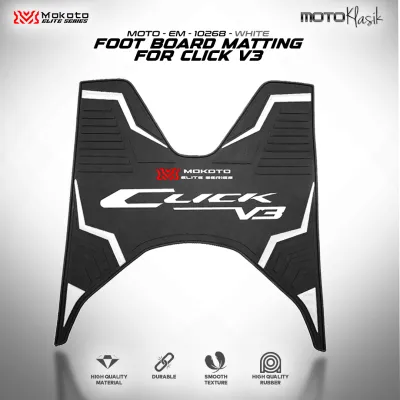
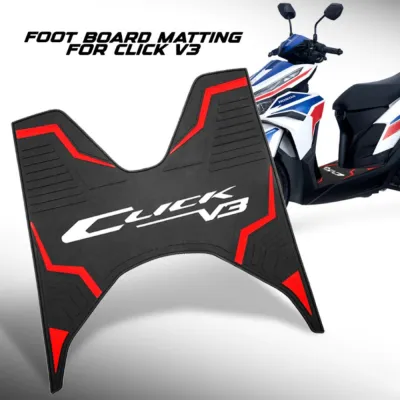
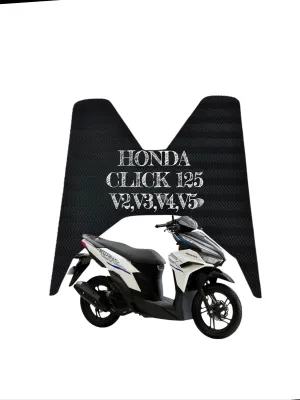
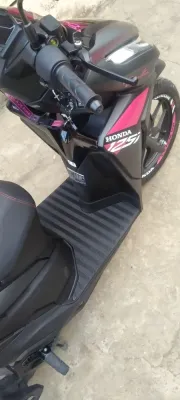
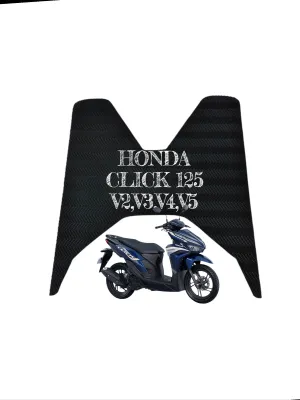
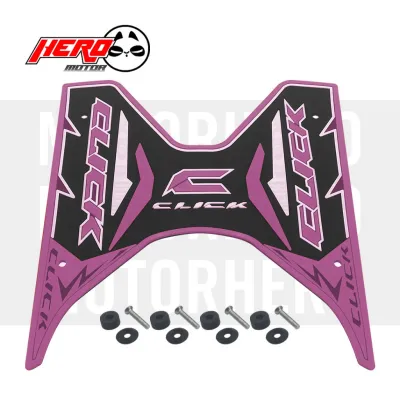
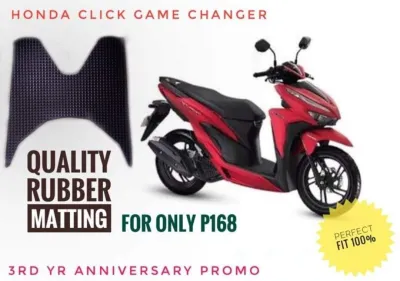
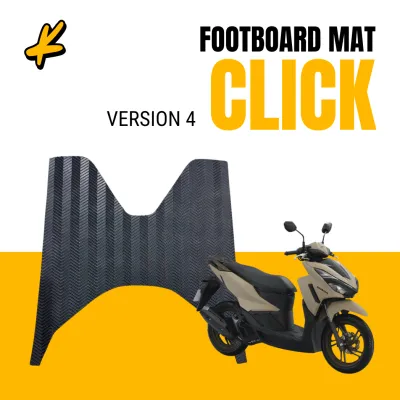
Prices are valid at publication and may change. Please refer to the product page for the latest price.
What Defines OEM vs. Aftermarket Footboards?
OEM, or Original Equipment Manufacturer, footboards are genuine parts produced either directly by Honda or by authorized suppliers adhering strictly to the brand’s proprietary engineering designs. These components are manufactured using the exact factory mold tooling, ensuring that every curve, mounting tab, and screw hole matches the original specifications of your Click V3. When you buy an OEM footboard, you are purchasing a part that has undergone rigorous quality control to meet factory standards for impact resistance, thermal stability, and load-bearing capacity.
Aftermarket footboards, on the other hand, are produced by third-party manufacturers independent of Honda. These companies typically reverse-engineer the footboard’s dimensions to create their own molds, which can lead to slight variances in thickness, flexibility, and overall dimensions. While some aftermarket brands focus on replicating the original design as closely as possible to offer a budget-friendly replacement, others modify the design to introduce custom colors, carbon-fiber textures, or alternative drainage patterns.
The difference between these two categories also extends to packaging, branding, and warranty coverage. Genuine OEM parts are distributed in official Honda packaging, complete with distinct part numbers and holographic security labels to verify authenticity, and they are typically backed by official dealer warranties. Aftermarket alternatives are sold under various brand names or in generic packaging, with warranty terms that vary widely depending on the manufacturer and the retail platform where they are purchased.
Key Comparison Dimensions for Your Honda Click V3
Evaluating the practical differences between OEM and aftermarket footboards requires looking closely at how they perform under daily riding conditions, especially in demanding tropical climates.

Fitment and installation represent the most immediate difference you will encounter during a replacement project. An OEM footboard aligns precisely with the scooter’s frame, side skirts, and front cowl, allowing the mounting screws to glide in without tension or the need for physical modification. In contrast, lower-quality aftermarket molds often suffer from minor shrinkage or warping during production, which can result in visible gaps, misaligned screw holes, or panels that flex under pressure. These misalignments do not just look untidy; they can cause persistent rattling and vibration noises while riding, and may even stress adjacent plastic panels to the point of cracking.
Material composition and surface texture are equally critical for long-term durability and rider safety. Genuine Honda footboards are molded from high-grade polypropylene or similar automotive plastics designed to withstand prolonged exposure to intense sunlight, heavy rain, and fluctuating engine heat without fading or becoming brittle. They also feature a deep, precisely molded anti-slip texture that maintains traction even when wet. Aftermarket options vary significantly in plastic quality; some use cheaper ABS plastics that can degrade rapidly under UV exposure, leading to chalking, discoloration, and a brittle structure that cracks easily under a heavy load. When inspecting an aftermarket part, look for clear plastic grade indicators and feel the depth of the anti-slip pattern to ensure it provides adequate grip during rainy commutes.
Weighing the price against the overall value is the final step in the comparison. While aftermarket footboards often present an attractive, lower upfront cost on online marketplaces, they may require more frequent replacement if the material degrades or cracks prematurely. To make an accurate financial comparison, visit your local authorized dealer to get a current quote in ₱ for the genuine part, and compare this against the total cost of an aftermarket alternative, factoring in any potential shipping fees or the cost of additional hardware. If an aftermarket part requires frequent replacement or damages adjacent panels due to poor fitment, the initial savings can quickly disappear.
How to Verify Fitment and Compatibility Before Buying
Before purchasing any replacement footboard, you must verify that the part is designed specifically for your exact Honda Click V3 sub-model and production year. The Click lineup has evolved through multiple generations, and even within the V3 generation, there can be subtle differences in floor contours, battery cover shapes, and mounting points between the 125cc and 160cc variants. Assuming that all Click footboards are interchangeable is a common mistake that can result in a useless purchase.
To ensure a suitable match, perform a physical inspection of the replacement part’s structural design before finalizing your purchase. Examine the locations of the mounting tabs and compare them directly to your scooter’s frame; every screw hole must align precisely with the threaded clips on the chassis. Additionally, flip the footboard over to inspect the under-floorboard ribbing structure. This internal grid provides the necessary structural rigidity to support your weight, and a weak or sparse ribbing pattern on an aftermarket part can lead to a soft, sagging floor feel underfoot.
You must also check for integrated features that are essential for the proper assembly of your scooter’s bodywork. The footboard must feature the correct grooves for your rubber floor mats, precise cutouts for the center utility hook, and secure slots for the side panel clips to snap into. If any of these features are missing or misaligned, you will struggle to reassemble the surrounding fairings, leaving internal electrical components exposed to moisture and road grime.
If you encounter conflicting product descriptions, mismatched part numbers, or physical dimensions that do not seem to align with your scooter, establish a strict stop condition. Do not attempt to force a mismatched footboard onto your vehicle, as this can strip the mounting threads or crack the surrounding body panels. Instead, consult an authorized Honda parts dealer or a qualified motorcycle mechanic to verify compatibility using your scooter’s unique chassis number.
Which Footboard Should You Choose?
Your final decision should align with your budget, your mechanical comfort level, and how you intend to use your scooter.
Choose an OEM footboard if you prioritize a factory-standard, hassle-free installation and want to maintain your scooter’s original structural integrity and safety standards. This is the most direct option if you rely on your Click V3 for daily commuting, carry heavy cargo on the floorboard, or want to preserve the resale value of your vehicle with genuine parts. The factory-matched anti-slip texture and precise fitment ensure that your scooter remains rattle-free and fully protected against water intrusion.
Choose an aftermarket footboard if you are working within a tight budget, need a quick and affordable replacement to keep your scooter operational, or are actively customizing your ride with a specific aesthetic, such as a carbon-fiber finish or a custom color scheme. If you select this route, be prepared to spend extra time during installation adjusting the panels, and accept that the material may not offer the same long-term UV resistance or impact strength as the genuine factory plastic.
Verify first if the product listing lacks clear, detailed compatibility information for your specific Click V3 model year or engine displacement. Never purchase a part based solely on generic search terms or unverified reviews on ecommerce platforms. Taking the time to confirm the specifications with the seller or comparing the part physically with your original footboard will save you from the frustration of a failed installation and the hassle of returning a bulky item.
Frequently Asked Questions (FAQ)
Can I use a Click V2 footboard on a Click V3?
No, you should not attempt to install a Click V2 footboard on a Click V3. Honda introduced significant structural and cosmetic redesigns between these generations, resulting in different frame dimensions, mounting tab locations, and side panel alignment points. Forcing a mismatched footboard onto your scooter can stress the plastic panels, strip the chassis mounting threads, and leave critical electrical components exposed to water and road debris. Always purchase a part designed specifically for your scooter’s exact generation and model year.
Do aftermarket footboards come with new mounting screws?
Aftermarket footboards typically do not include new mounting screws or clips, meaning you will need to reuse your original hardware. OEM replacements are also sold as bare plastic panels, requiring you to purchase genuine fasteners separately if your old ones are damaged. Before beginning the installation, inspect your existing screws and threaded clips for rust, stripped threads, or physical wear. If the hardware is degraded, purchase high-quality replacement screws of the correct thread pitch and length to ensure a secure, vibration-free installation.
Community discussion
Share your experience or ask a question. Comments are reviewed before publication.