
Choosing between Original Equipment Manufacturer (OEM) and aftermarket chassis parts for your Honda Beat depends on which component you are replacing and your primary riding requirements. For critical structural and safety-related components, genuine OEM parts are highly recommended to preserve the scooter’s original handling characteristics and structural integrity. Conversely, high-quality aftermarket alternatives can be a viable, cost-effective option for non-critical wear items, especially if you are working within a tight maintenance budget.
This comparison focuses specifically on the chassis and suspension components of the Honda Beat—such as swingarms, engine hangers, shock absorbers, and rubber bushings. Daily commuters, delivery riders, and casual riders in the Philippines must balance long-term durability with everyday maintenance costs. Understanding the trade-offs in fitment, material quality, and safety standards will help you make an informed decision that keeps your scooter running safely and efficiently.
Deciding Between OEM and Aftermarket Chassis Parts
OEM parts are manufactured by or directly for Honda, matching the exact specifications of your scooter when it rolled off the assembly line. These parts undergo rigorous testing to ensure they meet the manufacturer’s strict safety and performance standards. When you buy an OEM chassis component, you are purchasing a part that is identical to the one originally installed on your Honda Beat, ensuring predictable performance and compatibility.
Products mentioned in this guide
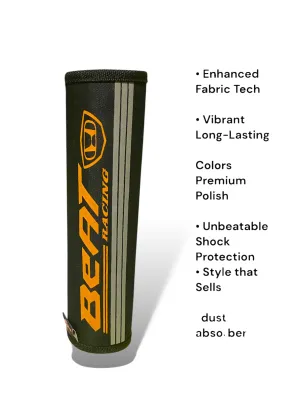
1,094 Lazada user ratings
Quality:Goods na Goods Appearance:Goods na Goods Performance:Goods na Goods ANG poblema pala dito hindi pwde sa mga after market na shock ka…Read full reviewShow less
Quality:Goods na Goods Appearance:Goods na Goods Performance:Goods na Goods ANG poblema pala dito hindi pwde sa mga after market na shock kasi maiksi sya.. Naka muttaru shock kasi ako.. Pang payat na spring sya like stock shock.. See my pics.. Ok Sana bitin lang 😢
Legit, maganda at sana mag tagal ang tape strap, mabilis din mag ship si Seller. Buti at may black color option., Perfect fit for my Honda B…Read full reviewShow less
Legit, maganda at sana mag tagal ang tape strap, mabilis din mag ship si Seller. Buti at may black color option., Perfect fit for my Honda Beat.,
Perfect fit for my Honda Beat., Durable and long-lasting., The red color is bold and striking.,
Quality:good quality Appearance:is nice Performance:it fits well with the shock
Prices are valid at publication and may change. Please refer to the product page for the latest price.
Aftermarket parts are produced by third-party manufacturers and can range from premium performance upgrades to budget-friendly replacement components. Some aftermarket brands focus on replicating OEM specifications at a lower cost, while others design parts to alter or enhance specific riding characteristics, such as offering adjustable suspension damping or stiffer chassis reinforcement.
For a high-use scooter like the Honda Beat, which frequently navigates varied road conditions in the Philippines—from smooth highways to pothole-ridden urban streets—the chassis serves as the backbone of safety and comfort. The chassis and suspension system must absorb constant road vibrations while maintaining wheel alignment and stability. When deciding between these two paths, riders must weigh several factors: the structural criticality of the part, the expected service life, the ease of installation, and the total cost of ownership over time. While saving money upfront is appealing, a premature failure of a structural component can lead to safety hazards or more expensive secondary repairs.
Comparing Fitment, Material Quality, and Lifespan
Fitment and tolerances represent one of the most significant differences between genuine Honda parts and aftermarket alternatives. OEM parts guarantee exact factory specifications. Honda designs these components with precise tolerances down to the millimeter, ensuring that bolt holes, mounting brackets, and clearances align perfectly without modification. This precise fitment minimizes stress on surrounding components during installation and operation.

Aftermarket parts, however, require careful verification of mounting points, bolt patterns, and clearances. While reputable aftermarket brands replicate these dimensions closely, some lower-tier alternatives may suffer from minor dimensional variances. This can lead to installation difficulties, such as forced bolt alignment, which puts unnecessary stress on the chassis frame and can lead to hairline cracks or thread stripping over time. Before purchasing any aftermarket chassis part, it is crucial to verify its compatibility with your specific Honda Beat model year.
Material quality and manufacturing standards also vary widely between the two categories. Genuine Honda chassis parts utilize standardized metallurgy and strict quality control processes. The steel alloys used in OEM swingarms and engine hangers are selected for specific tensile strength, flexibility, and fatigue resistance to withstand daily road abuse. In contrast, the aftermarket sector features a wide spectrum of material grades. Premium aftermarket brands may use high-grade materials that match or sometimes alter the rigidity of the ride, whereas budget aftermarket options might use cheaper cast metals or lower-grade rubber compounds in bushings, which can degrade rapidly under heavy loads and high ambient temperatures.
Expected lifespan is directly tied to these material and manufacturing differences. OEM components are engineered to match the vehicle’s original lifecycle, often lasting tens of thousands of kilometers under normal riding conditions. The longevity of aftermarket parts is highly variable. A high-quality aftermarket shock absorber from a reputable suspension specialist might offer a comparable or even customized lifespan, but budget-oriented aftermarket bushings or brackets often require more frequent replacement due to accelerated wear from heat, moisture, and road debris.
Evaluating Price Differences and Long-Term Value
The primary appeal of aftermarket chassis parts is their lower initial purchase price. For riders on a tight budget, saving money on immediate repairs is a strong incentive. However, riders must calculate the long-term value rather than just the upfront cost. If a cheaper aftermarket engine hanger bushing costs half the price of an OEM part but wears out in a third of the time, the cumulative cost of parts and labor for repeated replacements will quickly exceed the cost of a single genuine Honda part.
Sourcing channels play a major role in pricing and availability. To find genuine parts, riders should visit authorized Honda dealerships and flagship service centers. For aftermarket options, reputable local auto and motorcycle supply stores or verified online marketplaces are common avenues. Prices in ₱ will vary significantly depending on the seller, location, and whether the part is imported. It is advisable to compare prices across multiple authorized sources to establish a realistic baseline and avoid overpaying.
Warranty considerations are another critical aspect of long-term value. Genuine Honda parts purchased and installed through authorized channels typically carry a limited manufacturer warranty against defects. Premium aftermarket brands also offer warranties, but these are managed independently and may require registering the product or retaining original purchase receipts. Always verify the warranty terms and claim processes before purchasing, as budget aftermarket parts often come with little to no warranty coverage, leaving you unprotected if the part fails prematurely.
Verifying Compatibility and Safety Standards
The Honda Beat has gone through several generational updates, including the Carburetor, FI, v2, and v3 models. Chassis dimensions, mounting points, and suspension geometry can vary between these iterations. To ensure exact compatibility, always cross-reference the OEM part number from the official Honda parts catalog with the aftermarket manufacturer’s application list. Never assume a part fits simply because it is labeled for a “Honda Beat,” as installing an incompatible part can compromise the scooter’s structural integrity.
Counterfeit parts are a persistent concern in the motorcycle maintenance market, particularly for popular models like the Honda Beat. When buying parts, inspect the packaging closely. Genuine Honda parts are typically packaged in branded boxes or sealed plastic bags featuring high-quality label printing, clear fonts, and specific security holograms. Look for physical signs of poor manufacturing on the part itself, such as uneven welds, rough cast edges, off-center rubber bushings, or thin, easily chipped paint, which often indicate a counterfeit or low-quality aftermarket product.
The chassis and suspension systems are critical to the structural integrity and safe handling of your motorcycle. Incorrectly installed swingarms, engine hangers, or shock absorbers can lead to sudden handling instability, wheel misalignment, or structural failure at high speeds. For safety, any major chassis or suspension installation should be performed or thoroughly inspected by a qualified mechanic who possesses the correct torque wrenches and specialized tools. Always refer to the original vehicle documentation and manufacturer instructions for correct torque specifications and mounting procedures.
Final Decision Framework: When to Choose Which
To help you decide which path to take for your Honda Beat, consider the following decision framework based on your specific riding needs, component type, and budget:
Choose OEM if:
- The component is critical to structural safety, such as the main frame, engine hangers, or swingarm.
- Your Honda Beat is still under the original manufacturer warranty, and you want to avoid any risk of voiding coverage.
- You prioritize a "plug-and-play" installation with zero fitment issues and want the maximum predictable lifespan.
- You prefer to maintain the scooter's original factory ride comfort and handling characteristics.
Choose Aftermarket if:
- The component is a standard, non-structural wear item, such as cosmetic brackets, certain non-critical rubber dampers, or specialized suspension upgrades from established brands.
- Your maintenance budget is strictly limited, and you can source a part from a reputable, verified aftermarket manufacturer that provides clear material specifications.
- You are looking for specific performance characteristics, such as adjustable rear shock absorbers, that are not offered in the standard OEM configuration.
Verify First if:
- You are uncertain about the structural role of the part or its impact on the scooter's handling dynamics.
- The aftermarket brand lacks clear manufacturing standards, physical address, or verifiable customer feedback.
- The installation process requires specialized tools or modifications to the original frame, in which case consulting a professional mechanic is essential.
Frequently Asked Questions (FAQ)
Can I mix OEM and aftermarket parts on my Honda Beat's suspension?
Mixing OEM and aftermarket components within the same suspension system requires careful consideration. The front forks and rear shock absorber of the Honda Beat are engineered to work in harmony to provide balanced damping and spring rates. Installing an aftermarket rear shock with significantly stiffer damping while retaining worn OEM front forks can upset this balance, leading to unpredictable handling, increased chassis vibration, or reduced tire traction during cornering. If you plan to upgrade or replace suspension components, it is highly recommended to consult a professional mechanic to ensure the overall suspension dynamics remain balanced and safe.
How do I spot fake OEM Honda chassis parts in the Philippines?
Spotting counterfeit Honda parts requires a keen eye for detail. Counterfeiters often replicate the red-and-white Honda packaging, but they frequently fail to match the quality of the security holograms, which should show clear color shifts and sharp text under light. Additionally, check the part number label: fake labels often feature blurry printing, incorrect fonts, or spelling errors. The physical part itself is also a giveaway; genuine parts have clean welds, precise threading, and a durable finish, whereas fakes may show rust, rough edges, or poorly aligned rubber bushings. To minimize risk, purchase chassis parts exclusively from authorized Honda dealerships or highly rated, verified sellers on reputable online marketplaces.
Does using aftermarket chassis parts void my Honda Beat warranty?
Using aftermarket chassis parts does not automatically void your entire Honda Beat warranty, but it can complicate warranty claims. Under standard manufacturer policies, if an aftermarket component is found to have caused or contributed to the failure of a warranted part, the claim for that specific damage may be denied. For example, if an aftermarket engine hanger fails and damages the engine casing, the repair of the casing would likely not be covered under warranty. To protect your investment, review your warranty booklet or consult your local Honda dealer before installing non-genuine structural parts on a scooter that is still within its warranty period.
Community discussion
Share your experience or ask a question. Comments are reviewed before publication.