
Choosing the right replacement parts for your Suzuki Smash 115 is critical to maintaining its reputation as a highly reliable, fuel-efficient daily workhorse. When your engine starts misfiring or struggles to turn over, the ignition coil is often a prime suspect. For riders in the Philippines navigating congested city streets, sudden monsoon downpours, and long provincial commutes, deciding between an Original Equipment Manufacturer (OEM) genuine Suzuki ignition coil and an aftermarket alternative comes down to balancing long-term reliability against immediate budget constraints.
OEM genuine ignition coils offer the absolute best assurance of long-term reliability, precise electrical resistance matching, and an exact physical fit for the Smash 115’s electrical system. Reputable aftermarket brands serve as an excellent, cost-effective alternative for older motorcycles, temporary fixes, or when genuine parts are out of stock at local dealerships. However, ultra-cheap, unbranded copies pose a significant risk of poor internal insulation and premature failure under high operating temperatures. Before purchasing any replacement, always verify your specific model year, part numbers, and connector configurations to ensure perfect compatibility.
Why the Ignition Coil Matters for Your Underbone Engine
The ignition coil serves as a vital step-up transformer within your motorcycle’s electrical architecture. It takes the relatively low voltage produced by the battery and charging system—typically around 12 volts—and converts it into tens of thousands of volts. This massive electrical surge is sent down the high-tension wire to the spark plug, where it jumps the gap to create the intense spark required to ignite the compressed air-fuel mixture inside the combustion chamber.
Products mentioned in this guide
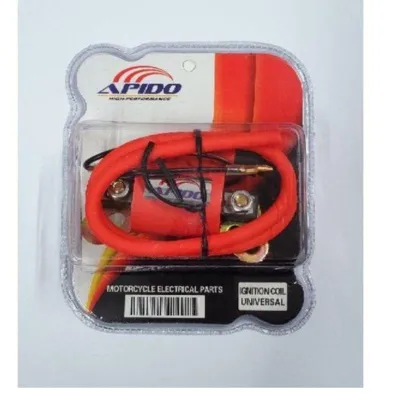
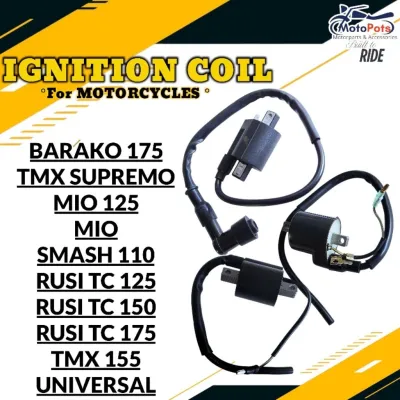
![Apido Racing Ignition Coil for Suzuki Smash 115 / Raider J 110 / Raider 150 Carb – High Spark Voltage Fast Ignition [COD]](https://img.lazcdn.com/g/p/41de100756011ccd6da908ee8942e3fa.jpg_400x400q80.jpg_.webp)
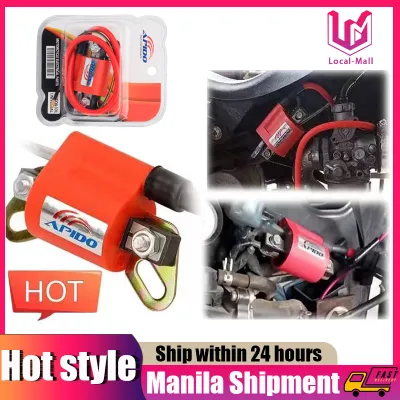
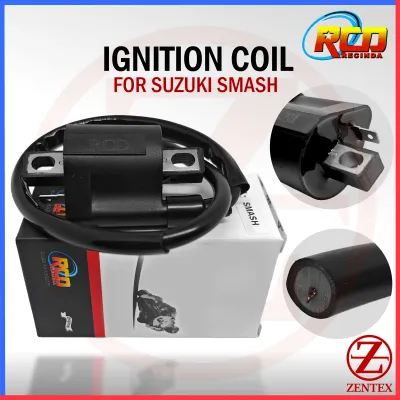
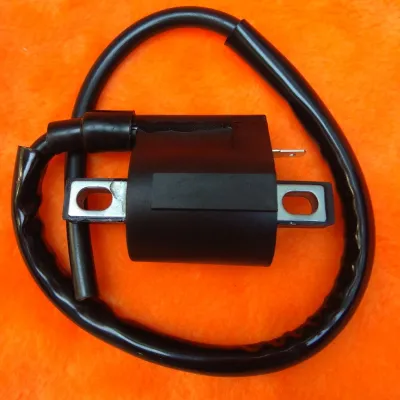
Prices are valid at publication and may change. Please refer to the product page for the latest price.
When an ignition coil begins to degrade, its internal copper windings lose insulation efficiency, leading to a weak or inconsistent spark. You will likely observe distinct symptoms of failure, including hard starting during damp mornings, noticeable engine misfires under load, rough idling, sudden stalling when the engine reaches operating temperature, and a marked drop in fuel economy. Because the Smash 115 relies on a highly optimized, clean burn to achieve its signature fuel efficiency, any instability in the spark directly translates to wasted gasoline, increased emissions, and sluggish throttle response.
For underbone riders who use their motorcycles for daily commutes or delivery services, a failing coil is more than a minor inconvenience. A weak spark can cause unburnt fuel to wash down the cylinder walls, diluting the engine oil and accelerating wear on critical top-end components. Addressing ignition issues early prevents secondary damage to the spark plug, CDI (Capacitor Discharge Ignition) unit, and the starter motor, which can become strained from repeated, failed starting attempts.
OEM Suzuki Ignition Coils: Reliability and Exact Fit
OEM genuine parts are engineered specifically to match the factory specifications of your Smash 115. These coils are manufactured under strict quality control standards to ensure that the primary and secondary winding resistances align perfectly with the output parameters of the stock CDI unit. This precise electrical matching prevents excessive current draw, protecting your sensitive CDI and stator from premature electrical wear.

In terms of physical installation, an OEM coil guarantees a hassle-free fit. The mounting bracket holes align perfectly with the motorcycle’s frame tabs, the high-tension lead is cut to the exact required length, and the spark plug cap features the correct angle and sealing boot to keep water out of the spark plug well. This is particularly crucial in the Philippines, where riding through heavy rain or shallow street flooding is a common occurrence; the OEM rubber seals are designed to resist degradation from heat, oil, and moisture over many years of service.
| OEM Genuine Coil Pros | OEM Genuine Coil Cons |
|---|---|
| Exact electrical resistance matching prevents CDI damage | Higher upfront purchase price (typically ₱800 to ₱1,500) |
| Superior weatherproofing and high-quality rubber boots | Limited availability outside authorized dealerships |
| Direct bolt-on installation with no wiring modifications | Potential wait times if parts are backordered |
While the benefits of going OEM are clear, the primary drawback is the financial investment. Genuine Suzuki parts carry a price premium, often costing double or triple the price of basic aftermarket alternatives. Additionally, finding genuine parts can sometimes be challenging if you live far from an authorized dealer, occasionally requiring you to wait for shipping or dealership restocks while your motorcycle remains out of service.
Aftermarket Ignition Coils: Cost Savings and Availability
The aftermarket landscape for the Smash 115 is vast, offering solutions that range from premium performance upgrades to ultra-budget replacements. Reputable aftermarket brands specialize in producing ignition components that closely mimic OEM specifications, often utilizing modern manufacturing techniques to offer comparable durability at a more accessible price point. Some performance-oriented aftermarket coils even claim to deliver a slightly higher voltage output, which can help ensure complete combustion in older engines with minor compression loss.
However, the market is also flooded with unbranded, ultra-cheap imitation coils that present serious reliability risks. These low-cost components often save on production costs by using thinner copper wire with sub-standard enamel insulation, weaker potting epoxy, and low-grade plastics. Under the intense heat of a tropical climate, the internal insulation of these cheap coils can break down rapidly, causing internal short circuits that lead to sudden engine failure, often leaving you stranded in the middle of a trip.
| Aftermarket Coil Pros | Aftermarket Coil Cons |
|---|---|
| Highly affordable options (ranging from ₱150 to ₱600) | High risk of premature failure with unbranded copies |
| Widely available in local shops and online marketplaces | Variable build quality and inconsistent wire lengths |
| Performance options available for enhanced spark | Limited or non-existent warranty coverage |
On the positive side, aftermarket coils are incredibly easy to source. Almost every local motorcycle repair shop in the Philippines stocks generic or third-party replacement coils that fit underbone frames. If you find yourself stranded in a remote area, an aftermarket coil is often the quickest and most practical option to get your motorcycle back on the road without waiting days for an OEM part delivery.
Head-to-Head Comparison: Key Dimensions to Consider
To make an informed decision, it helps to compare the primary options across the specific dimensions that affect your daily riding experience and your wallet. The table below outlines how genuine OEM coils stack up against reputable aftermarket brands and budget unbranded alternatives.
| Feature | OEM Genuine Coil | Reputable Aftermarket | Unbranded/Cheap Aftermarket |
|---|---|---|---|
| Fitment & Connector Match | Exact direct fit | Usually exact; minor adjustment | Hit or miss; may require splicing |
| Expected Lifespan | Long (typically 5+ years) | Moderate (2 to 4 years) | Short (often less than a year) |
| Price Tier | Premium (₱800 – ₱1,500) | Budget (₱400 – ₱800) | Ultra-Low (₱100 – ₱250) |
| Warranty Coverage | Dealer-backed | Seller-dependent | None |
| Moisture Resistance | Excellent | Good | Poor; prone to water intrusion |
Before finalizing any purchase, especially when looking at aftermarket units, perform a quick visual inspection of your old coil alongside the replacement candidate. Pay close attention to the mounting bracket configuration: some universal aftermarket coils feature single-bolt mounts, whereas the Smash 115 frame utilizes a specific dual-bolt spacing. Additionally, verify that the primary terminal spade connectors are of the correct width and orientation, and ensure the high-tension lead is long enough to route comfortably from the mounting position to the spark plug without being stretched tight or touching hot engine fins.
How to Decide: Choose OEM if… / Choose Aftermarket if…
Your final choice should align with how you use your motorcycle, your long-term ownership plans, and your immediate financial flexibility.
Choose an OEM Genuine Coil if:
- You rely on your Smash 115 for your livelihood: If you work as a delivery rider, courier, or daily commuter, the cost of a single day of lost work due to an electrical breakdown far outweighs the savings of a cheaper part.
- You plan to keep the motorcycle for several years: Investing in an OEM coil ensures that you will not have to worry about this critical ignition component for a very long time.
- You prefer a simple, plug-and-play installation: Genuine parts eliminate the need for modifying brackets, crimping new terminals, or adjusting wire lengths.
Choose a Reputable Aftermarket Coil if:
- You are working within a strict budget: If an OEM coil is currently out of your price range, a trusted aftermarket brand offers a safe compromise between cost and reliability.
- The motorcycle is older or used casually: For bikes used primarily for short, local errands around the neighborhood, a high-quality aftermarket option is highly practical.
- The OEM part is on backorder: If your local dealership cannot provide a timeline for stock arrival, a reputable third-party coil will get you back on the road immediately.
Avoid ultra-cheap, unbranded ignition coils whenever possible. While a ₱150 coil may seem tempting, the risk of it failing during a heavy downpour or in the middle of a busy highway poses a safety hazard and can result in expensive towing fees that quickly erase any initial savings.
Installation Precautions and Verification Steps
Before undertaking any electrical work on your Smash 115, consult your motorcycle’s owner’s manual or service documentation to verify the correct part numbers and diagnostic specifications. Working on the ignition system carries a risk of electrical shock and damage to sensitive electronic components if proper safety protocols are not observed.
Step-by-Step Safety and Installation Guidelines
- Disconnect the Battery: Always disconnect the negative (-) battery terminal first before touching any electrical connections. This simple step eliminates the risk of accidental short circuits that could damage your CDI unit or wiring harness.
- Inspect the Wiring Harness: Before removing the old coil, inspect the surrounding wiring for signs of heat damage, melting, green corrosion, or brittle insulation. Clean any dirty terminals with a dedicated electrical contact cleaner, ensuring the product is rated safe for automotive plastics and rubber.
- Compare the Components: Lay the old coil next to the replacement unit. Verify that the mounting holes align, the high-tension lead is of adequate length, and the terminal connectors match. Never attempt to force a mismatched connector onto the spade terminals.
- Apply Dielectric Grease: Apply a thin layer of dielectric grease inside the spark plug boot and on the primary terminal connections. This helps seal out moisture, preventing corrosion and electrical tracking in humid environments.
- Secure and Route Safely: Mount the coil securely to the frame, ensuring a solid ground connection if the bracket serves as the ground. Route the high-tension wire away from sharp metal edges, moving parts, and direct contact with the hot engine cylinder head.
If you discover that the aftermarket coil requires splicing wires, modifying the stock harness, or if you notice melted insulation on your motorcycle’s main wiring loom, stop immediately. Do not attempt to modify electrical connectors without the proper crimping tools and terminal pins. In these situations, consult a qualified motorcycle mechanic to perform the installation safely and preserve your vehicle’s electrical integrity.
Frequently Asked Questions (FAQ)
Can I use a universal ignition coil on my Smash 115?
While universal ignition coils are widely sold and may physically bolt onto your motorcycle’s frame, using them is generally not recommended. Universal coils often feature primary and secondary winding resistances that differ significantly from Suzuki’s factory specifications. If the resistance is too low, it can draw excessive current, overheating and eventually destroying your CDI unit. If the resistance is too high, the coil will produce a weak spark, leading to poor combustion, hard starts, and reduced fuel efficiency. For reliable performance, always choose a coil designed specifically for the Smash 115 or a compatible underbone model.
How do I know if my ignition coil is actually bad?
To determine if your ignition coil is faulty, start with a visual inspection. Look for physical cracks in the plastic body, burn marks, or a loose high-tension lead. Next, perform a spark test: remove the spark plug, insert it back into the cap, hold the plug thread against a clean metal part of the engine frame using insulated pliers, and crank the engine. A healthy ignition system will produce a bright, blue spark; a weak, yellow spark or no spark at all indicates an issue. Before condemning the coil, always rule out simpler culprits first by testing with a fresh spark plug, verifying your battery charge, checking the ground connections, and ensuring the engine kill switch is operating correctly.
Community discussion
Share your experience or ask a question. Comments are reviewed before publication.