
Choosing the right long side cover for your Honda Wave 100 depends on whether you prioritize an effortless, factory-perfect fit or a budget-friendly path to customization. An Original Equipment Manufacturer (OEM) long side cover guarantees exact compatibility, matching paint, and structural durability directly from the factory. Conversely, aftermarket alternatives offer a cost-effective solution and custom styles, though you must carefully verify fitment, plastic thickness, and mounting point alignment before purchase.
For daily riders navigating the demanding road conditions of the Philippines, the side covers of an underbone motorcycle like the Wave 100 do more than complete its silhouette. They shield sensitive electrical components, protect the battery from heavy tropical downpours, and streamline aerodynamics. Because these panels are constantly exposed to intense UV rays, high humidity, and engine heat, selecting the right replacement type is crucial for maintaining your motorcycle’s structural integrity.
Defining OEM and Aftermarket Options for the Wave 100
To make an informed decision, you must first understand what sets genuine components apart from third-party alternatives. An OEM long side cover is manufactured either directly by Honda or by an authorized supplier under strict quality control standards. These parts are designed to replicate the exact specifications of the original component that came with your Wave 100 from the showroom floor. When sourcing an OEM cover, you can verify its authenticity by checking for official Honda packaging, complete with a distinct holographic label, a standardized part number, and a barcode that matches authorized dealer inventories.
Products mentioned in this guide
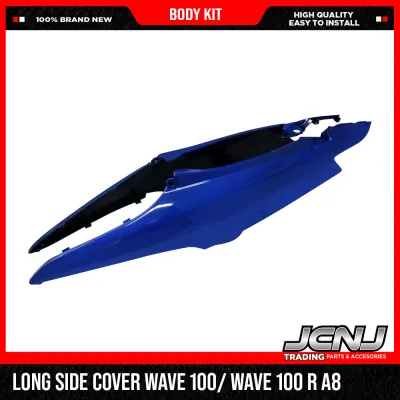
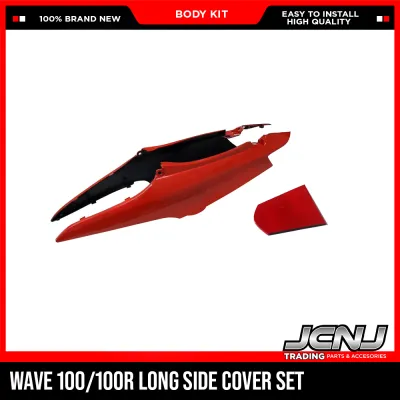
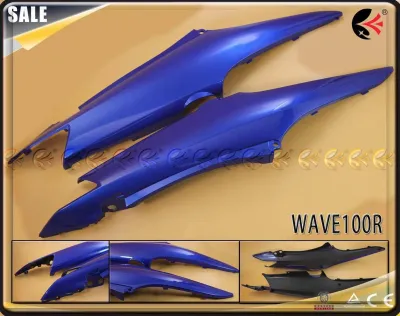
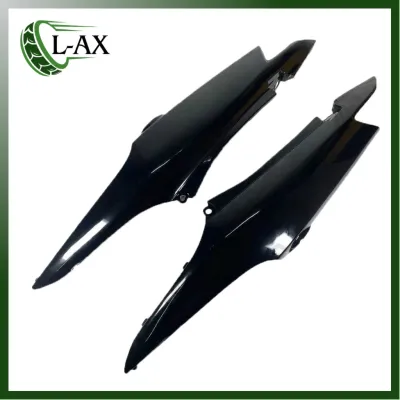
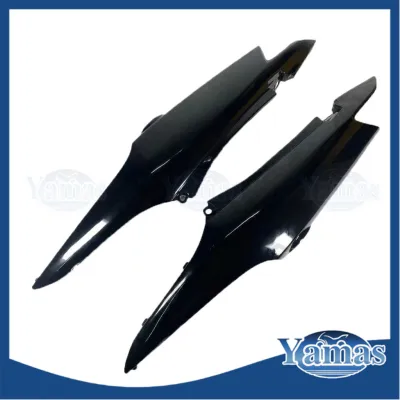
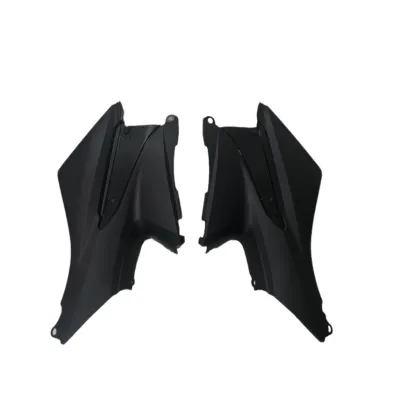
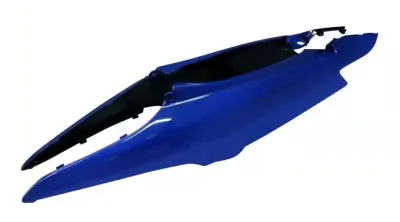
Prices are valid at publication and may change. Please refer to the product page for the latest price.
Aftermarket side covers, by contrast, are produced by independent third-party manufacturers who are not affiliated with the original vehicle brand. Because these manufacturers operate independently, there is no single standardized specification across the aftermarket industry. Some aftermarket brands focus on producing high-quality replicas that closely mimic the original design, while others prioritize low-cost production or unique aesthetic modifications, such as carbon-fiber patterns or custom colorways. This lack of standardization means that quality, material composition, and fitment accuracy can vary dramatically from one aftermarket brand to another.
Evaluating Fitment and Mounting Compatibility
When replacing body panels on your Wave 100, physical compatibility is the most critical factor to consider. The Wave 100 has undergone various minor chassis updates and regional design tweaks throughout its production lifespan. Consequently, mounting tabs, fairing clearances, and chassis brackets can differ slightly between production years or specific model variants. Before purchasing any long side cover, you must verify your motorcycle’s exact model year and frame number to ensure the replacement part is designed for your specific chassis configuration.

Before attempting to install a new side cover, perform a thorough visual and physical inspection of both the panel and your motorcycle’s frame. Lay the new cover alongside the existing bodywork to check the alignment of the mounting holes and clip positions. On high-quality panels, the molded tabs should line up perfectly with the rubber grommets on the motorcycle frame. You should also inspect the gap tolerances along the edges where the side cover meets the center cover and rear fender, ensuring there is adequate clearance to prevent rubbing.
Forcing a poorly aligned aftermarket cover into place carries significant safety and structural risks. If you apply excessive pressure to force a misaligned tab into a mounting grommet, you risk cracking the rigid plastic panel immediately or creating internal stress points that will fail later. On the road, a forced panel is highly susceptible to severe vibrations, which can cause the mounting tabs to snap off entirely. Loose panels can distract you, rub against the frame, or even detach at high speeds, posing a safety hazard.
If you find that the mounting points do not align naturally without applying heavy force, stop the installation immediately. Do not attempt to bend the plastic tabs or modify the frame brackets yourself. Instead, consult your motorcycle’s service manual to verify the correct assembly sequence, or take the vehicle to a qualified mechanic. A professional technician can inspect your motorcycle’s frame for bent brackets or recommend the appropriate adjustments to achieve a secure, vibration-free fit.
Inspecting Material Quality and Paint Finish
Evaluating the physical build quality of a side cover is essential to ensure it can withstand daily wear and tear. To assess the material quality, turn the side cover over and examine its backside. High-quality covers typically feature robust structural ribbing around the mounting tabs and along the edges to prevent warping under heat. Look for material stamps, such as ABS (Acrylonitrile Butadiene Styrene), which indicate the type of plastic used. Thicker, slightly flexible plastics are generally more durable than thin, brittle alternatives, as they can absorb road vibrations without cracking.
The paint finish requires an equally close inspection to ensure long-term aesthetic appeal. Hold the side cover under bright, direct light and look for common paint defects such as “orange peel” texture, runs, or uneven clear coat application. A high-quality finish should be smooth, consistent, and free of dust particles trapped beneath the paint layer. If the cover includes decals or stripes, check that they are aligned precisely, free of air bubbles, and sealed under a durable clear coat to prevent peeling.
In tropical climates like the Philippines, intense sunlight and high humidity can rapidly degrade low-quality paint finishes. Over time, inferior clear coats will yellow or peel, while cheap pigments fade unevenly. To prevent a mismatched appearance, hold the new side cover against your motorcycle’s remaining original panels in natural daylight to check for subtle color variations and gloss levels before installation.
It is important to remember that material names, brand labels, or marketing descriptions on packaging do not guarantee actual durability. As a buyer, you must rely on your own physical inspection of the panel’s structural integrity, the consistency of its finish, and the specific warranty terms offered by the manufacturer or seller. A reputable manufacturer will often provide a clear warranty against paint peeling or material defects, giving you a reliable indicator of the product’s expected lifespan.
Comparing Upfront Costs and Long-Term Value
Wehing the initial purchase price against the long-term value of the side cover is a practical step in your decision-making process. OEM long side covers carry a premium price tag because they are manufactured to exact factory specifications and undergo rigorous quality testing. While the upfront cost of genuine parts is higher, this investment guarantees a perfect fit, matching paint, and a long service life, reducing the likelihood of needing premature replacements.
Aftermarket side covers are generally much more affordable upfront, making them attractive for budget-conscious riders. However, these options can introduce hidden costs. Cheaper aftermarket panels often omit necessary rubber mounting grommets, metal clips, or screws, forcing you to purchase hardware separately. If the color mismatch is severe, you might also need to pay for professional repainting to match the rest of your motorcycle.
To determine which option offers the best value for your situation, consider how you use your Wave 100. If your motorcycle is a daily workhorse used for commuting or delivery services, a durable, mid-range aftermarket cover might provide the most practical and cost-effective solution. Conversely, if you are performing a meticulous, show-quality restoration of a classic Wave 100, investing in genuine OEM panels is essential to preserve the motorcycle’s original look, feel, and resale value.
Before purchasing, check current local availability and authorized dealer networks rather than relying on outdated online price lists. Prices and stock levels fluctuate, and buying directly from an authorized local dealer ensures you receive genuine parts. If you choose to buy online, ensure the seller has a clear return policy in case the part arrives damaged.
Decision Framework: Which Side Cover Should You Choose?
To help you make the final choice for your Wave 100, use this structured decision framework based on your specific priorities, budget, and the condition of your motorcycle:
Choose an OEM long side cover if you want a hassle-free installation with guaranteed factory fitment and exact color matching. This option is ideal for riders who prefer a seamless, original look and want the peace of mind that comes with long-term structural reliability, without the need for any modifications or extra hardware.
Choose an aftermarket long side cover if you are working within a strict budget, planning a custom paint job, or applying a full vinyl wrap to your motorcycle. Aftermarket panels are also highly practical if you are restoring an older, heavily modified Wave 100 where original factory panels are discontinued, extremely difficult to source, or prohibitively expensive.
Neither option may fit properly if the existing mounting brackets on your motorcycle’s frame are bent, rusted, or damaged from a previous fall. Additionally, if your Wave 100 belongs to a specific model year with unique, limited-run chassis revisions that are not supported by standard aftermarket molds, you may face fitment issues regardless of the panel type you choose.
Always verify the specifications first if you are purchasing online and cannot physically inspect the side cover before paying. Ask the seller for detailed photos of the mounting tabs, the backside structural ribbing, and the exact measurements of the bolt holes to ensure compatibility with your Wave 100 before the transaction is finalized.
Frequently Asked Questions (FAQ)
Can I use side covers from different Wave 100 model years interchangeably?
No, you cannot assume that side covers from different Wave 100 model years are universally interchangeable. Throughout the production run of the Wave 100, minor chassis revisions, bracket updates, and fairing redesigns have altered the exact locations of the mounting tabs and the overall shape of the panels. To avoid purchasing an incompatible part, always cross-reference the exact OEM part number corresponding to your motorcycle’s specific model year and frame number before buying.
How do I prevent the side cover mounting tabs from breaking during installation?
To prevent the plastic mounting tabs from snapping, always align all tabs, clips, and rubber grommets by hand before applying any pressure or tightening the mounting screws. Never force a panel into place if you feel resistance. If the cover does not slide in smoothly, stop immediately and check for misaligned clips, warped plastic, or dirt and debris trapped inside the frame’s rubber grommets. Applying a small amount of silicone spray to the rubber grommets can also help the tabs slide in easily without stress.
Community discussion
Share your experience or ask a question. Comments are reviewed before publication.