
Choosing between an original equipment manufacturer (OEM) oil drain plug and an aftermarket alternative for your Honda Click 125 comes down to balancing guaranteed compatibility against potential functional upgrades. For most riders, the OEM plug is the safest and most reliable choice because it matches the exact metallurgy and thread specifications of the aluminum crankcase. High-quality aftermarket plugs, particularly those with magnetic tips, offer the benefit of trapping fine metallic wear particles, but they require meticulous verification of thread pitch and material hardness to avoid catastrophic engine damage.
Making the right decision is crucial for your engine’s longevity. While an OEM plug guarantees a perfect fit, selecting the wrong aftermarket plug can lead to oil leaks, stripped engine threads, or even sudden oil loss during your daily commute. This guide breaks down the key differences, benefits, and risks of each option to help you make an informed choice.
Understanding the Role of the Oil Drain Plug
The oil drain plug does far more than simply block a hole in the bottom of your engine. It acts as a critical barrier that keeps the engine’s lubricating oil contained under varying pressures and temperatures. As you ride your Honda Click 125 through stop-and-go traffic or during heavy tropical downpours, the engine block experiences significant thermal expansion and contraction. The drain plug must maintain a tight, leak-free seal despite these constant temperature fluctuations and the engine’s natural vibrations.
Products mentioned in this guide
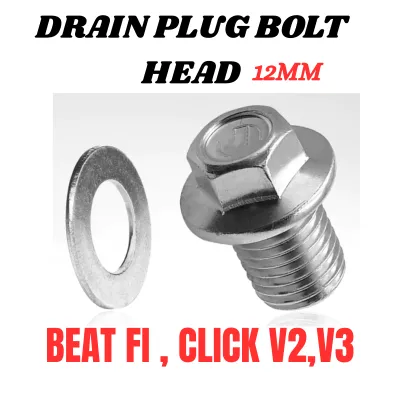
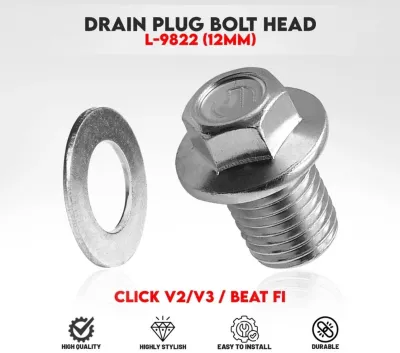
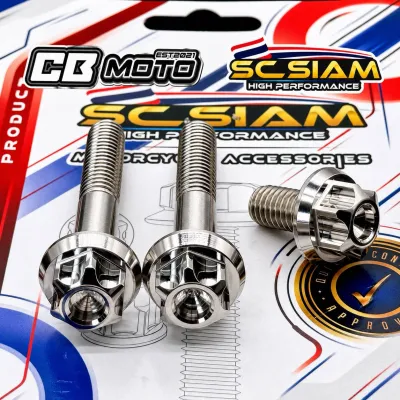
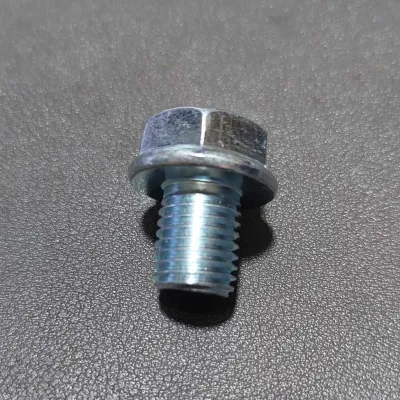
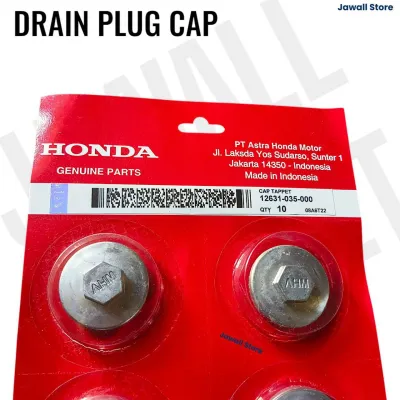
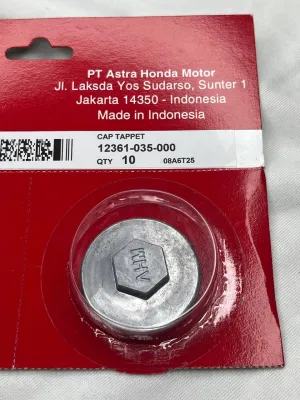
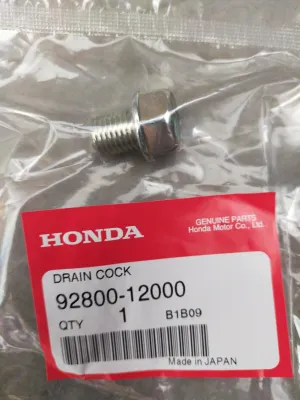
Prices are valid at publication and may change. Please refer to the product page for the latest price.
A failure of this small component can have devastating consequences. If the plug is loose or has damaged threads, it can slowly drip oil, eventually starving the engine of lubrication. Because the Click 125 has a relatively small oil capacity of less than one liter, even a minor leak can quickly lead to overheating, piston seizure, and complete engine failure. Conversely, if a plug is over-tightened or has mismatched threads, it can strip the soft aluminum threads of the engine crankcase, resulting in an expensive and complex repair.
It is also important to understand that drain plugs are not universal hardware items. They are precision-engineered components with specific thread diameters, thread pitches, and lengths designed to match the exact dimensions of the scooter’s engine block. Using a generic bolt from a local hardware store can easily damage the delicate aluminum threads of your crankcase or fail to seal properly, leading to immediate leaks.
OEM Honda Drain Plugs: Fit and Reliability
Choosing a genuine OEM Honda drain plug is the most straightforward way to ensure your scooter’s engine remains protected. These plugs are manufactured to the exact specifications required by Honda’s engineering team, guaranteeing a perfect fit with the crankcase threads of your Click 125. This precise fitment eliminates any guesswork regarding thread pitch or bolt length, ensuring that the plug seats correctly every time.

OEM plugs are designed to work in perfect harmony with the original aluminum or copper crush washers. When you tighten a genuine plug to the factory-recommended torque specification, the crush washer deforms evenly to create a reliable, airtight seal. Because the plug’s metallurgy is matched to the engine block, there is a minimal risk of galvanic corrosion or thread binding, which can occur when mismatched metals are paired in high-heat environments.
The primary trade-off when choosing an OEM plug is the cost, as genuine parts typically carry a premium compared to basic aftermarket alternatives. Additionally, OEM plugs are standard bolts and do not feature advanced upgrades, such as magnetic tips to trap metal shavings. However, for most riders, the elimination of trial-and-error fitment and the peace of mind that comes with factory-certified parts easily justify the slightly higher price.
To avoid counterfeit parts, which are common in the motorcycle components market, always source your OEM plugs from authorized Honda shops or verified official brand stores on reputable online marketplaces. Genuine Honda parts will come in official packaging with clear part numbers, ensuring you are not installing a low-quality replica that could ruin your engine.
Aftermarket Drain Plugs: Cost and Upgrades
Aftermarket drain plugs present an appealing alternative for riders looking for cost savings or functional upgrades. For those on a strict maintenance budget, standard aftermarket plugs offer a highly affordable replacement option. However, the most compelling reason to explore the aftermarket is the availability of specialized features that are not found on the standard OEM plug.
The most popular upgrade is the magnetic drain plug. Because the Honda Click 125 relies on a simple wire mesh oil strainer rather than a spin-on paper filter, fine ferrous metal particles generated by normal engine wear can circulate through the oil system. A high-quality magnetic plug attracts and holds these microscopic shavings, preventing them from causing abrasive wear on critical engine bearings and cylinder walls. Other aftermarket plugs are made from lightweight, corrosion-resistant materials like anodized aluminum or titanium, which can add a customized look to your scooter’s undercarriage.
Despite these benefits, aftermarket plugs carry inherent risks, particularly if you purchase low-quality or unbranded products. Cheap aftermarket plugs are often made from soft metal alloys that easily round off when a wrench is applied, or they may have poorly machined threads that do not match the factory pitch. A plug with inaccurate threads can easily cross-thread and destroy the soft aluminum crankcase of your scooter, turning a simple oil change into a major repair.
If you decide to go the aftermarket route, it is vital to avoid unbranded, suspiciously cheap options. Any aftermarket upgrade you select must strictly match the factory thread specifications, length, and head clearance of the original Honda plug to ensure safe operation.
Key Comparison Dimensions for Your Decision
When comparing OEM and aftermarket drain plugs, several physical and functional dimensions must be carefully evaluated to ensure compatibility and safety.
- Thread Size and Pitch: This is the single most critical specification. The thread diameter and pitch must match the factory dimensions of your Click 125 exactly. Forcing a plug with a slightly different pitch—such as a 1.25mm pitch instead of a 1.5mm pitch—will instantly strip the threads of the aluminum engine block.
- Head Type and Tool Clearance: The OEM plug features a standard hex head that is easily accessed with a standard socket or wrench. Some aftermarket plugs utilize internal Allen (hex socket) or Torx drives. While these can look modern, they can easily trap road grime, mud, and debris from daily riding, making them difficult to clean and prone to stripping during removal. Additionally, ensure the plug head does not protrude too far, as the Click 125 has limited ground clearance and could catch on high speed bumps.
- Sealing Mechanism: The Click 125 relies on a flat-face sealing surface that requires a crush washer to prevent leaks. Avoid aftermarket plugs that feature tapered threads (such as NPT threads) or those that rely solely on rubber O-rings unless they are explicitly certified for this specific engine. Tapered threads seal by wedging into the hole, which can easily crack the fragile aluminum crankcase.
- Material Strength: The plug must have sufficient tensile strength to withstand the recommended torque without stretching or shearing. However, it should not be so hard that it acts as a cutting tool if slightly misaligned during installation.
OEM vs. Aftermarket Drain Plug Comparison Checklist
| Feature / Dimension | OEM Honda Drain Plug | High-Quality Aftermarket Plug | Low-Cost / Unbranded Aftermarket |
|---|---|---|---|
| Thread Fitment | Guaranteed exact factory match | Verified match (must check specs) | High risk of variance or poor machining |
| Material | Factory-grade steel | Anodized aluminum, titanium, or steel | Soft alloy or low-grade steel |
| Sealing Method | Flat seat with crush washer | Flat seat (often includes washer) | Variable; may have poor sealing surface |
| Special Features | None (standard plug) | Magnetic tip, safety wire holes | None |
| Risk of Thread Damage | Extremely low (when torqued correctly) | Low to moderate (requires careful install) | High (due to soft metal or poor threads) |
| Sourcing Reliability | High (via authorized dealers) | Moderate (reputable brands only) | Low (unverified online sellers) |
How to Verify Compatibility Before Buying
To ensure you purchase the correct drain plug for your specific Honda Click 125 model year, you must take active steps to verify compatibility rather than relying on generic online advice.
First, consult your scooter’s official owner’s manual or service manual. These documents contain the exact OEM part numbers and, crucially, the recommended torque specifications for the drain plug. Tightening the plug to the exact manufacturer specification is essential to prevent leaks and avoid stripping the threads.
If you are considering an aftermarket plug and want to verify its dimensions, use a digital caliper to measure the outer diameter of the threads and a thread pitch gauge to confirm the pitch of your existing plug. Do not rely on generic online forum posts, as specifications can sometimes vary between different model generations or regional variants of the Click 125.
Before installing any new plug, take a moment to inspect the condition of the threads inside the engine crankcase. Use a flashlight to check for any signs of cross-threading, flattened threads, or metal shavings. If the crankcase threads are already damaged, a standard replacement plug will not seal properly. In this case, you must seek professional mechanical assistance to install a thread repair insert, such as a Helicoil, or use a specialized oversized repair plug.
Finally, always verify the required size and material of the crush washer. Reusing an old, compressed washer is one of the most common causes of post-oil-change leaks. Always use a fresh copper or aluminum washer that matches the diameter of your plug to ensure a reliable seal.
Final Verdict: Which Option Fits Your Needs?
Your choice between an OEM and an aftermarket oil drain plug should be guided by your maintenance priorities and your willingness to verify technical specifications.
- Choose OEM if: You prioritize maximum reliability, guaranteed fitment, and a straightforward maintenance process. It is the best choice for riders who want to maintain their scooter to strict factory standards without the risk of compatibility issues or the need for specialized tools.
- Choose Aftermarket if: You want the added engine protection of a magnetic tip to capture fine metal debris, and you are willing to purchase from a reputable, high-quality brand. Ensure you have carefully verified the exact thread pitch, length, and material specifications before installation.
- Avoid if: The aftermarket plug is unbranded, exceptionally cheap, or lacks clear dimensional specifications. The minor cost savings of a cheap plug are never worth the high risk of stripping your engine block or experiencing a sudden oil leak while riding.
Regardless of the plug you choose, always use a calibrated torque wrench during installation. Tightening the plug by feel makes it incredibly easy to over-torque and strip the delicate aluminum threads of the Click 125 crankcase. Always refer to your vehicle’s documentation for the exact torque values and safety guidelines.
Frequently Asked Questions (FAQ)
Do I need to replace the crush washer every oil change?
Yes, you should replace the crush washer at every oil change. These washers are made of soft metals like copper or aluminum, designed to deform under torque to seal the microscopic gaps between the plug and the crankcase. Once compressed, they lose their elasticity and cannot create a reliable seal if reused. Reusing an old washer often leads to slow leaks, which can tempt you to over-tighten the plug and strip the delicate crankcase threads.
Can I use a magnetic drain plug on my Honda Click 125?
Yes, a magnetic drain plug can be a highly beneficial upgrade for the Honda Click 125, as it helps capture fine ferrous metal shavings that escape the basic wire mesh oil strainer. However, you must ensure the aftermarket plug matches the OEM thread diameter, pitch, and length exactly. Only purchase from reputable brands to ensure the magnet is securely bonded to the plug; a loose magnet falling into the oil sump can cause catastrophic engine damage.
Community discussion
Share your experience or ask a question. Comments are reviewed before publication.