
Quick Answer: Which Radiator Fan is Right for Your PCX 150?
When deciding between an Original Equipment Manufacturer (OEM) and an aftermarket pcx 150 radiator fan, the choice ultimately depends on your budget, your mechanical comfort level, and how long you plan to keep your scooter. For the vast majority of riders, the OEM Honda radiator fan is the default recommendation. It offers guaranteed plug-and-play fitment, factory-tested electrical compatibility, and the long-term reliability required to withstand demanding daily commutes.
High-quality aftermarket options can serve as viable, budget-friendly alternatives, particularly for older scooters or riders facing immediate budget constraints. However, choosing aftermarket parts requires a willingness to perform meticulous verification steps. You must carefully inspect electrical connectors, mounting points, and overall build quality to avoid purchasing a component that could fail prematurely. If you prioritize zero-hassle installation and maximum peace of mind, investing in the genuine OEM part remains the safest and most reliable path.
Why the Radiator Fan Matters for Your PCX 150
The Honda PCX 150 is equipped with a liquid-cooling system designed to maintain optimal engine temperatures. Unlike air-cooled scooters that rely solely on forward motion to dissipate heat, the PCX 150 uses a radiator to transfer heat from the engine coolant to the surrounding air. The radiator fan plays a critical role in this system by actively pulling air through the radiator core when there is insufficient ram air, such as when you are idling at traffic lights or navigating slow, stop-and-go traffic in hot, humid urban areas.
Products mentioned in this guide
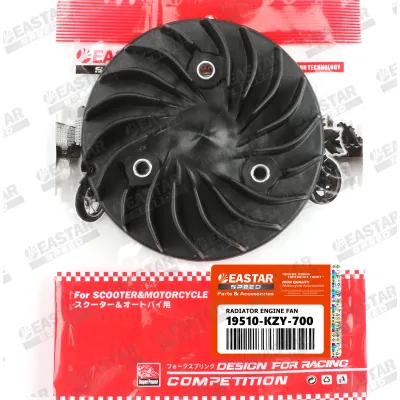
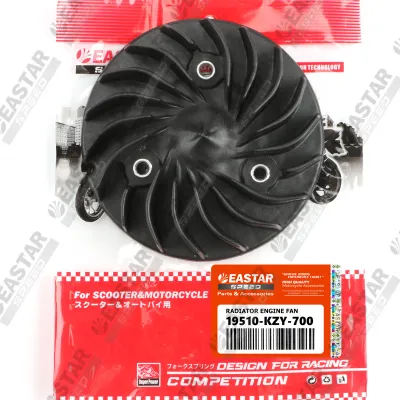
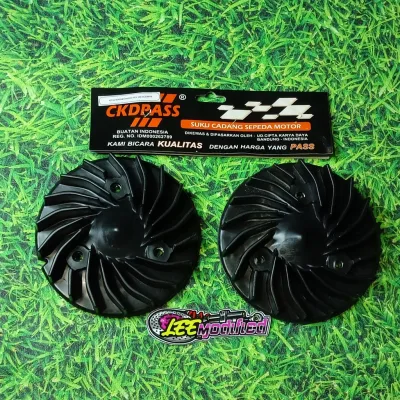
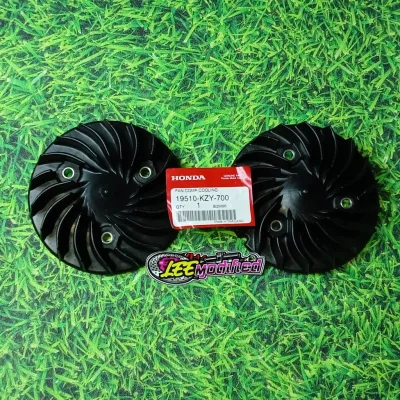
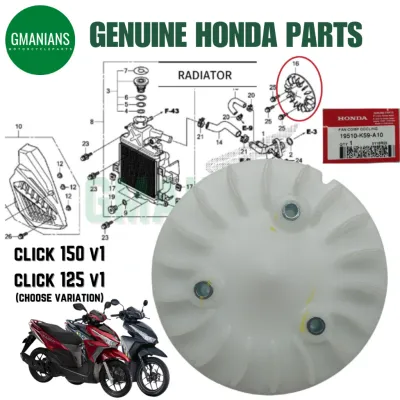
Prices are valid at publication and may change. Please refer to the product page for the latest price.

In tropical environments like the Philippines, ambient temperatures frequently exceed 35°C, and high humidity levels further reduce the natural heat-dissipation capacity of the cooling system. Under these conditions, a fully functional radiator fan is the only barrier protecting your engine from overheating during prolonged idling. When the fan fails to engage or fails to pull a sufficient volume of air, coolant temperatures can spike rapidly, pushing the engine past its safe operating limits.
Recognizing the symptoms of a failing radiator fan is essential for preventing catastrophic engine damage. Common warning signs include the high-temperature indicator light illuminating on your dashboard, coolant boiling over into the reservoir tank, a noticeable loss of engine power as the ECU attempts to protect the motor, or a fan that remains completely silent even when the engine is visibly hot. If you notice any of these symptoms, immediate diagnosis and repair are necessary.
Ignoring a faulty radiator fan can lead to severe, high-cost engine failures. Extreme overheating can warp the aluminum cylinder head, blow the cylinder head gasket, or cause the piston rings to seize against the cylinder wall. These issues often require a complete engine rebuild, costing tens of thousands of pesos in parts and professional labor. Consequently, maintaining a high-performing radiator fan is not a minor cosmetic concern; it is a critical safety and mechanical priority.
OEM PCX 150 Radiator Fan: Guaranteed Fit and Factory Reliability
Choosing a genuine OEM pcx 150 radiator fan ensures that you are installing a component engineered specifically for your scooter’s exact electrical and physical specifications. Genuine Honda parts undergo rigorous factory testing to verify their durability, vibration resistance, and performance under extreme thermal loads. This strict quality control guarantees that the replacement fan will perform identically to the original part installed during manufacturing.
One of the primary advantages of the OEM fan is its guaranteed plug-and-play fitment. The mounting brackets, shroud alignment, and screw holes match the scooter’s frame and radiator assembly perfectly, eliminating the need for modifications or forced alignment. Furthermore, the electrical connector is a direct match for the factory wiring harness. It features a high-quality, weather-sealed gasket designed to prevent moisture ingress, which is vital for preventing short circuits during heavy monsoon rains or flooded street crossings.
Additionally, the OEM fan motor is calibrated to draw the precise electrical current specified by the scooter’s electrical system. This prevents overloaded circuits, blown fuses, or excessive drain on the battery. The aerodynamic pitch and rigidity of the OEM fan blades are also optimized to deliver the exact cubic feet per minute (CFM) of airflow required to cool the radiator without creating excessive noise or mechanical vibration.
Despite these benefits, the OEM option has a few drawbacks, primarily its higher upfront cost. Genuine Honda parts carry a price premium that reflects their manufacturing standards and quality assurance. Additionally, obtaining an OEM fan may require visiting an authorized Honda dealership or specialized genuine parts importer, which can sometimes result in waiting times if the specific part number is temporarily out of stock in local warehouses.
This option is best suited for daily commuters who rely on their PCX 150 for livelihood, riders who plan to keep their scooter for several years, and anyone who prefers a straightforward, reliable installation. Before purchasing, always verify the exact part number using your scooter’s chassis number or the official Honda parts catalog. Mounting configurations, shroud designs, and electrical connectors can vary between different model years of the PCX 150, making precise verification essential.
Aftermarket Radiator Fans: Budget Alternatives and Quality Variance
Aftermarket radiator fans represent a broad category of non-OEM replacement parts produced by various third-party manufacturers. These components are widely available through local motorcycle retail hubs, independent repair shops, and online marketplaces. The primary appeal of aftermarket fans is their affordability, as they are typically offered at a fraction of the cost of genuine Honda parts, making them highly attractive for budget-conscious riders.
However, the aftermarket landscape is characterized by significant quality variance. While some reputable aftermarket brands manufacture reliable components that closely mimic OEM specifications, the market is also flooded with low-grade, unbranded alternatives. These cheap fans often compromise on material quality, utilizing inferior motor windings and lower-grade plastics that are prone to premature failure when exposed to continuous engine heat.
One common issue with low-quality aftermarket fans is a weak electric motor that cannot sustain the necessary rotational speed, resulting in inadequate airflow and localized overheating. Additionally, the plastic used for the fan blades may lack the thermal stability of the OEM material. Under extreme engine bay temperatures, these flimsy blades can warp, bend, or even crack, which drastically reduces cooling efficiency and can cause the blades to scrape loudly against the radiator shroud.
Electrical compatibility is another frequent pain point with aftermarket parts. Some aftermarket fans utilize universal connectors that do not match the PCX 150’s factory harness, or they may feature incorrect pinout configurations. If the positive and negative wires are reversed within the connector, the fan motor will spin backward, pushing hot air toward the front of the scooter instead of pulling cool air through the radiator, rendering the cooling system ineffective.
Consider an aftermarket fan only if you are working within a strict budget, repairing an older scooter for immediate resale, or if you possess the mechanical and electrical skills required to diagnose and resolve minor fitment issues. Always avoid universal fans that require you to splice or cut into your scooter’s main wiring harness. Splicing wires introduces electrical resistance, increases the risk of short circuits, and can lead to melted wiring harnesses or electrical fires under heavy load.
Crucial Comparison Dimensions Before You Buy
Before purchasing any replacement radiator fan, it is crucial to systematically evaluate the part’s physical, mechanical, and electrical characteristics. Comparing these dimensions ensures that you do not install a component that compromises your scooter’s cooling efficiency or electrical integrity.
| Dimension | OEM Radiator Fan | Aftermarket Radiator Fan |
|---|---|---|
| Fitment | Exact factory alignment; no modifications required | Variable; may require bracket adjustment or trimming |
| Electrical Plug | Direct-fit, weather-sealed OEM connector | Variable; may require pinout verification or connector swap |
| Motor Lifespan | Long-term durability; high thermal resistance | Variable; prone to premature burnout on cheap models |
| Airflow Efficiency | Optimized blade pitch and calibrated CFM output | Variable; potential for lower CFM or incorrect rotation |
| Price Tier | Premium price point | Budget to mid-range |
Fitment and Electrical Connectors
Physical compatibility is the most common failure point for aftermarket parts. The PCX 150 radiator shroud features specific mounting tabs that must align perfectly with the fan assembly. If the mounting holes on an aftermarket fan are misaligned by even a millimeter, forcing the screws into place can stress the plastic, leading to cracks from engine vibration over time. Always visually compare the mounting bracket design of the replacement part with your original fan before completing your purchase.
Electrical interface security is equally critical. The stock Honda connector is engineered to maintain a tight, waterproof seal to protect the electrical contacts from road grime, splash water, and heavy rain. If an aftermarket fan’s plug lacks a proper rubber gasket or has loose-fitting pins, moisture will eventually penetrate the connection, leading to corrosion, intermittent fan operation, or complete electrical failure. If the replacement part’s connector does not snap securely into your factory harness, do not attempt to force it or secure it with electrical tape; return the part and seek a fully compatible alternative.
Motor Quality and Blade Design
Evaluating the physical construction of the fan motor and blades can provide valuable clues regarding its expected durability. When handling a replacement fan, pay close attention to the weight of the motor assembly. A heavier motor generally indicates a higher density of copper windings, which allows the motor to dissipate heat more effectively and run cooler during extended operation. Conversely, exceptionally light motors often utilize cheap aluminum windings that degrade rapidly under load.
Inspect the rigidity of the fan blades by applying light pressure with your fingers. The blades should feel stiff and resistant to flexing. Flimsy blades will deform under the aerodynamic drag of high-speed rotation, reducing the volume of air pulled through the radiator and creating excessive noise and vibration. Additionally, search online user reviews for the specific aftermarket brand, looking closely for mentions of premature motor burnout, melted plastic components, or blades warping under normal operating conditions.
Evaluating Price and Value in the Local Market
In the Philippine motorcycle market, the price gap between genuine OEM Honda parts and budget aftermarket alternatives can be substantial. OEM parts are sold at a premium because they include the cost of factory engineering, material testing, and local distribution through authorized networks. When you purchase an OEM fan, you are paying for a guaranteed standard of performance and a lower risk of secondary engine damage.
To assess current pricing, contact your local authorized Honda 3S dealerships or reputable genuine parts distributors to obtain a baseline quote for the OEM fan. Once you have this baseline, compare it with listings on reputable online marketplaces or established local motorcycle parts retail shops. If you encounter an aftermarket fan priced suspiciously low—such as a fraction of the OEM cost—it is highly likely that the manufacturer compromised on the quality of the internal motor components or plastic housing.
When calculating the overall value of your purchase, remember to factor in potential secondary costs. If you buy a cheap aftermarket fan online that arrives with incorrect mounting points or an incompatible electrical plug, you may face return shipping fees or the hassle of a prolonged exchange process. Furthermore, if you do not plan to install the fan yourself, you must factor in the cost of professional labor. Paying a mechanic to install a cheap fan that fails after a few months means you will end up paying for labor twice, completely wiping out any initial savings.
Final Decision Framework: Choose Based on Your Needs
To make the best decision for your Honda PCX 150, evaluate your current situation against this structured decision framework:
- Choose OEM if: You rely on your scooter for daily commuting or commercial delivery services, plan to keep the vehicle for several years, prefer a straightforward plug-and-play installation, and want the peace of mind that comes with factory-tested reliability and weather sealing.
- Choose Aftermarket if: You are working under strict budget limitations, are repairing an older scooter with a lower market value, are comfortable performing electrical and mechanical verification steps, and have confirmed that the replacement part features a matching connector and rigid construction.
- Verify first if: You are experiencing overheating issues but have not yet isolated the root cause. A new radiator fan will not resolve cooling system failures caused by low coolant levels, air pockets trapped in the cooling lines, a stuck thermostat, a clogged radiator core, or a failing water pump.
Before undertaking any cooling system repairs or electrical work, always consult your scooter’s original manufacturer instructions and service manual. If you are unsure of your ability to safely diagnose, disassemble, or install these components, seek the assistance of a qualified motorcycle mechanic. Professional installation ensures that your cooling system is properly bled of air and that all electrical connections are safe, secure, and fully operational.
Community discussion
Share your experience or ask a question. Comments are reviewed before publication.