
Deciding between an Original Equipment Manufacturer (OEM) radiator and an aftermarket alternative for your Sniper 150 is a critical choice that directly impacts your motorcycle’s engine health. In the tropical climate of the Philippines, where daily commutes often involve navigating dense, slow-moving traffic under intense heat, the cooling system of an underbone motorcycle is pushed to its limits. A properly functioning radiator prevents the high-performance 150cc liquid-cooled engine from overheating, safeguarding internal components from severe thermal damage.
For most riders, the choice comes down to a balance of guaranteed compatibility, long-term reliability, and budget. OEM radiators provide the peace of mind of factory-standard engineering, ensuring a perfect drop-in fit without any modifications. On the other hand, aftermarket radiators offer a wider range of price points and alternative designs, though they require a higher level of scrutiny to verify physical compatibility and material quality before installation.
Understanding the Core Differences Between OEM and Aftermarket Radiators
To make an informed decision, it is essential to understand what these two categories represent for your motorcycle’s cooling system. An OEM radiator is produced either directly by the motorcycle manufacturer or by an authorized supplier to the exact specifications of the original factory build. This means every dimension, bracket location, hose angle, and material specification matches the radiator that came with your Sniper 150 when it rolled off the assembly line. Choosing an OEM replacement ensures that the cooling capacity matches the engine’s heat output under standard operating conditions.
Products mentioned in this guide
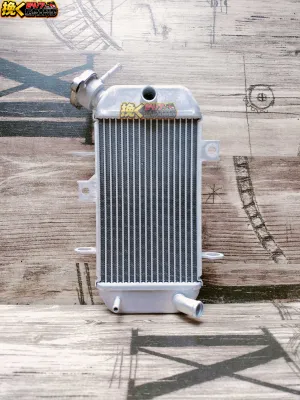
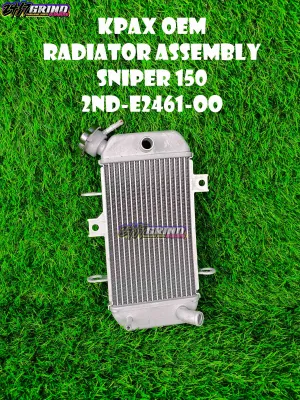
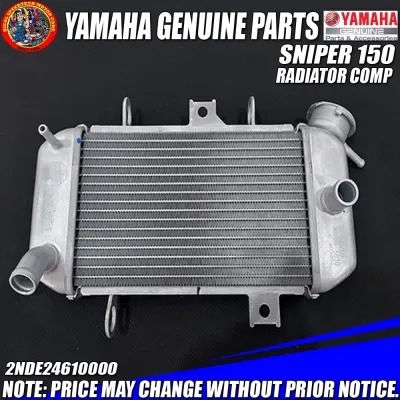
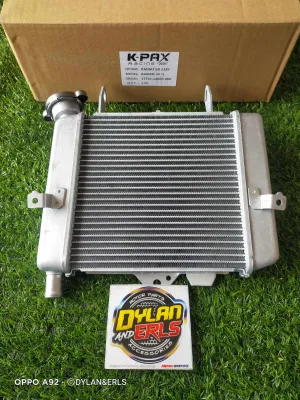
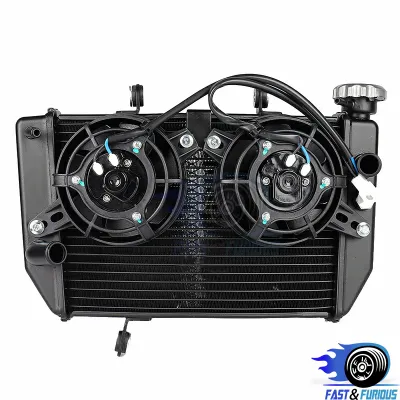
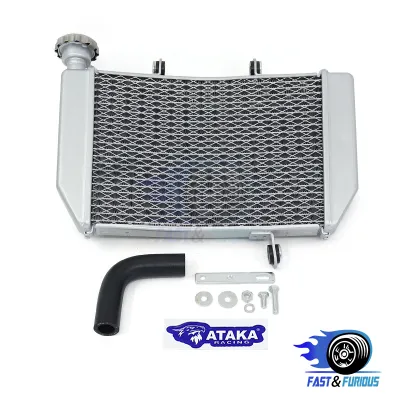
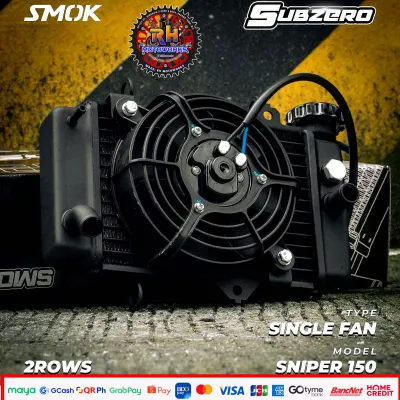
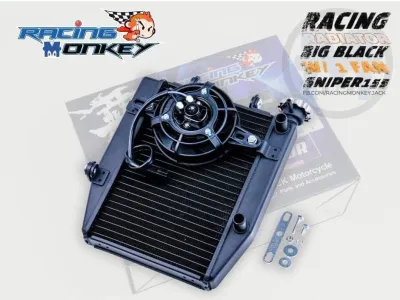
Prices are valid at publication and may change. Please refer to the product page for the latest price.
In contrast, aftermarket radiators are manufactured by third-party companies independent of the original vehicle manufacturer. These components generally fall into two categories: direct-fit replacements designed to mimic the original part at a lower cost, and modified or “upgraded” designs that may feature larger capacities or different materials. While some aftermarket options are built to high standards, others may vary significantly in quality, fin density, and overall durability.
The most critical distinction lies in the guarantee of fitment. With an OEM part, you can confidently purchase the radiator using the official part number, knowing it will align perfectly with your motorcycle’s frame and existing cooling hoses. With aftermarket alternatives, the responsibility of verifying compatibility falls entirely on you. You must carefully check the product specifications against your specific Sniper 150 model year, as minor design updates over different production runs can affect mounting points and clearance.
Key Factors to Evaluate Before Buying a Sniper 150 Radiator
Replacing a radiator is not merely a matter of finding a part that looks similar to the original. Because the cooling system operates under pressure and experiences constant vibration, both OEM and aftermarket options require strict physical and functional verification. Before committing to a purchase, you must evaluate several critical design elements to ensure the replacement part can withstand daily riding demands.

Build Quality, Materials, and Core Design
The core of the radiator is where heat exchange actually occurs, making its construction vital to cooling efficiency. When evaluating a radiator, inspect the core material and fin density, comparing them to the specifications outlined in your motorcycle’s service manual. Most modern radiators utilize aluminum for the core due to its excellent thermal conductivity and lightweight properties, but the quality of the alloy and the precision of the cooling fins can vary.
Pay close attention to the tank construction and the seams where the tanks meet the radiator core. Many standard radiators feature plastic end tanks crimped onto an aluminum core, which can become brittle over years of exposure to hot coolant and tropical humidity. Fully welded aluminum radiators eliminate these crimped seams, but their durability depends heavily on the quality of the welds. Inspect the seams for uniform, clean weld beads without pinholes or excessive slag, as poor welding is a primary cause of premature leaks under pressure.
Fitment, Mounting Points, and Hose Connections
A radiator that does not align perfectly with your motorcycle’s chassis can lead to severe installation headaches and potential damage. You must verify the exact locations of the mounting brackets, the clearance for the radiator fan shroud, and the outer diameters of the inlet and outlet hoses. Even a minor deviation of a few millimeters in bracket placement can prevent the radiator from mounting securely, leading to excessive vibration that can crack the aluminum over time.
Furthermore, check that the hose connections point in the exact direction required by the Sniper 150’s cooling routing. If an aftermarket radiator features slightly different hose angles, you may be forced to bend or stretch your coolant hoses, which can restrict coolant flow or cause the hoses to kink and fail. Always cross-reference the manufacturer’s part number or the aftermarket product’s detailed compatibility list with your motorcycle’s specific model year and variant before finalizing your purchase.
Cost, Warranty, and Long-Term Value Considerations
Financial trade-offs are a major factor when choosing between OEM and aftermarket components. OEM parts generally carry a higher upfront cost, reflecting the manufacturer’s rigorous quality control, extensive testing, and the assurance of exact fitment. This higher initial investment is often offset by the inclusion of a standardized manufacturer warranty, which can be claimed through authorized dealerships and service centers if the part exhibits defects.
Aftermarket radiators, by comparison, span a wide pricing spectrum. While budget-friendly options can significantly lower your repair costs, extremely cheap alternatives may compromise on material thickness, weld quality, or fin precision, potentially leading to early failure. When considering an aftermarket radiator, look beyond the initial price tag and carefully evaluate the seller’s return policies, the manufacturer’s warranty terms, and the overall reputation of the brand within the riding community.
It is also crucial to consider how an aftermarket installation might affect your motorcycle’s overall warranty. If your Sniper 150 is still covered by a factory warranty, installing non-OEM parts in the cooling system may void coverage for related engine components. Always consult with your local authorized dealership or service center to understand their specific policies regarding aftermarket modifications before proceeding with the replacement.
Decision Framework: Which Radiator Should You Install?
To determine the best path forward for your motorcycle, consider your primary riding requirements, budget constraints, and mechanical experience.
You should choose an OEM radiator if you prioritize hassle-free installation, want to maintain the exact cooling performance specified by the factory, and prefer the security of an official manufacturer warranty. This is the most reliable route for daily commuters who rely on their motorcycle for consistent, trouble-free transportation and do not want to risk fitment issues or premature component wear.
You should choose an aftermarket radiator if you are working within a strict budget, if the OEM part is currently out of stock at local dealerships, or if you are sourcing from a reputable third-party manufacturer that provides clear warranty terms and verified compatibility for the Sniper 150. This option is suitable for riders who are comfortable performing detailed physical checks and minor adjustments during installation.
Before opting for an aftermarket “performance” or oversized radiator, you must verify that the rest of your cooling system is compatible. A larger radiator core holds more coolant, which can alter the flow dynamics and pressure within the system. Ensure that your motorcycle’s water pump, thermostat, and hoses are in excellent condition and capable of handling any changes in pressure or flow rate without causing leaks or reducing cooling efficiency.
Installation Safety and Post-Installation Checks
Working on a motorcycle’s cooling system carries inherent safety risks that require careful preparation. Before beginning any disassembly, ensure the engine is completely cool to the touch; opening a hot cooling system can release pressurized, boiling coolant, causing severe burns. Always consult the Sniper 150 service manual for the correct coolant specifications, precise torque values for mounting bolts, and the proper procedure for bleeding air from the system.
Once the new radiator is installed and the system is filled with the recommended coolant mixture, perform a thorough visual inspection of all hose clamps, mounting brackets, and welded seams. Start the engine and let it idle while keeping a close eye on the temperature indicator and the area around the radiator. Look for any signs of weeping coolant or dripping near the hose connections and the radiator cap.
During your first few rides after the replacement, monitor the motorcycle’s temperature gauge closely and verify that the cooling fan engages at the correct operating temperature. If the fan fails to turn on, if you notice persistent coolant leaks, or if the engine temperature rises abnormally, immediately stop riding, turn off the engine, and allow it to cool. Do not attempt to ride an overheating motorcycle; instead, have the installation evaluated by a qualified mechanic to prevent catastrophic engine damage.
Frequently Asked Questions (FAQ)
Can I use a radiator from a different motorcycle model on my Sniper 150?
Using a radiator designed for a different motorcycle model is highly discouraged. Radiators are engineered to match specific engine displacements, heat outputs, and chassis configurations. A mismatched radiator may not provide adequate coolant flow, could place undue stress on mounting brackets due to improper alignment, and might lead to inaccurate temperature sensor readings, risking severe engine overheating.
How do I know if my current Sniper 150 radiator needs replacement?
Common indicators that your radiator requires replacement include visible coolant leaks along the core or end tanks, heavily bent or obstructed cooling fins that block airflow, and persistent engine overheating despite having a fully functional thermostat, water pump, and cooling fan. Additionally, if you observe discolored, rusty, or muddy coolant during a routine flush, it may indicate internal corrosion or blockages that restrict proper heat dissipation.
Community discussion
Share your experience or ask a question. Comments are reviewed before publication.