
Deciding between original equipment manufacturer (OEM) and aftermarket brake shoes for your Suzuki Burgman comes down to balancing predictable factory performance against cost and specialized material choices. In the Philippines, where daily commutes involve intense stop-and-go traffic, high humidity, and sudden tropical downpours, your scooter’s rear drum brake system faces severe operating conditions. Choosing the right replacement component directly impacts your safety on wet, congested roads.
While genuine Suzuki parts offer guaranteed compatibility and a familiar lever feel, reputable aftermarket alternatives can provide a cost-effective solution or specific performance characteristics. To make an informed choice, you must evaluate how different friction materials handle heat, how to verify manufacturing quality, and when to seek professional mechanical assistance.
Understanding Material and Construction Differences
Brake shoes function by pressing friction material against the inner surface of a spinning metal drum. The composition of this friction material determines how quickly your scooter stops, how much heat the system retains, and how long the components last.
Products mentioned in this guide
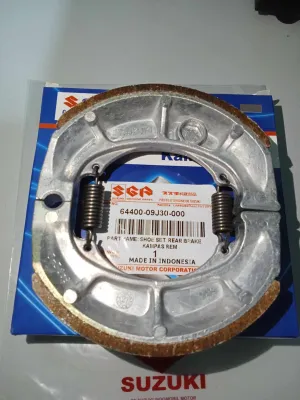
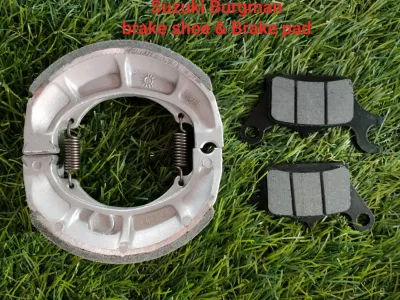
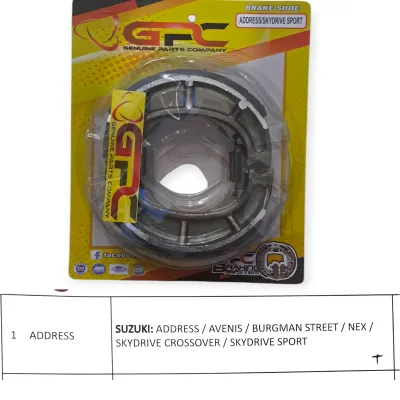
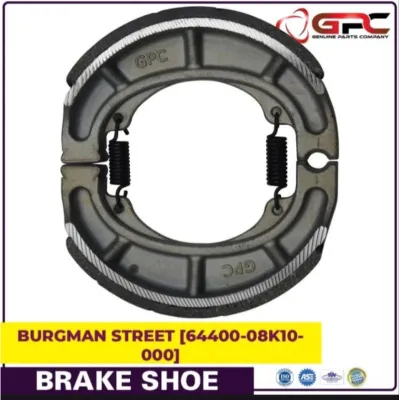
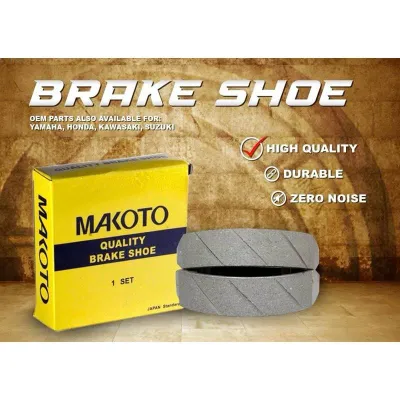
Prices are valid at publication and may change. Please refer to the product page for the latest price.
Organic brake shoes are typically made from a mix of fibers, resins, and lubricants. They offer a softer initial bite and quiet operation, making them highly suitable for daily city commuting. However, they tend to wear down faster and can experience reduced effectiveness under extreme heat or prolonged heavy braking.
Semi-metallic options incorporate fine metallic fibers into the friction compound. This design improves heat dissipation and provides a firmer lever feel, which is highly beneficial when navigating steep descents or carrying heavy loads. The trade-off is often increased wear on the brake drum itself and a higher tendency to squeal when damp.
Ceramic compounds represent another category, known for stable performance across a wide temperature range and minimal dust production. Regardless of the material type, the manufacturing tolerances of the shoe backing plate must match your Burgman’s specifications exactly. Even minor deviations in the shoe-to-drum contact pattern can lead to uneven wear, localized hot spots, and a spongy brake lever.
The Case for Genuine Suzuki OEM Brake Shoes
Opting for genuine Suzuki OEM brake shoes removes the guesswork from your maintenance routine. These parts are engineered specifically for the Burgman’s weight, speed capabilities, and hydraulic or cable leverage ratios, ensuring a predictable and factory-tuned braking response.

When you install genuine parts, you receive a guarantee of exact dimensional compatibility. The shoes fit precisely onto the backing plate pivots and actuator cams without requiring modification or forcing. This precise fitment minimizes the risk of brake drag, which can overheat the drum and prematurely wear out your engine’s transmission components.
Under standard riding conditions in local urban areas, OEM shoes deliver highly consistent performance and a predictable lifespan. They are formulated to balance stopping power with drum longevity, preserving the expensive rear wheel hub assembly over tens of thousands of kilometers.
However, choosing genuine parts usually comes with a price premium, often costing more in Philippine Pesos (₱) than entry-level aftermarket options. Additionally, riders may occasionally encounter stock limitations at local authorized dealerships, requiring them to wait for shipments or explore alternative sourcing channels.
Navigating the Aftermarket Brake Shoe Landscape
The aftermarket offers a vast selection of brake shoes, ranging from premium performance upgrades to budget-friendly replacements. Navigating this landscape requires a cautious approach to ensure you do not compromise your safety for a lower price tag.
To distinguish reputable aftermarket brands from low-quality or counterfeit products, start by examining the packaging and labeling. Established manufacturers package their products in sturdy, branded boxes with clear batch numbers, compatibility lists, and safety certifications. Avoid unbranded items sold in plain plastic bags on online marketplaces, as these often lack quality control.
Before purchasing, perform a physical inspection of the brake shoes if possible. Check the bonding line where the friction material meets the metal backing plate; it should be completely seamless, uniform, and free of gaps or adhesive squeeze-out. Any visible cracking, chipping, or uneven thickness in the friction lining is an immediate reason to reject the part.
Some reputable aftermarket brands offer specialized formulations designed to address specific riding challenges, such as enhanced wet-weather bite for the rainy season or reduced brake dust. When considering these options, verify the manufacturer’s official specifications and user documentation rather than relying on unverified online reviews.
Essential Safety and Installation Checks
Braking systems are critical safety assemblies. Before purchasing new brake shoes or attempting an installation, you must consult your Suzuki Burgman’s official service manual for specific torque values, wear limits, and step-by-step procedures. If you lack the proper tools, torque wrench, or mechanical experience, always have the replacement performed by a qualified motorcycle mechanic.
When replacing the brake shoes, always inspect the interior of the rear brake drum. Look for deep grooves, scoring, or an out-of-round condition that can prevent the new shoes from making full contact. Use a vernier caliper to measure the drum’s inner diameter and compare it against the maximum wear limit specified by Suzuki; a drum worn beyond this limit must be replaced.
Thoroughly clean the brake backing plate using a dedicated brake cleaner, ensuring you do not inhale any accumulated brake dust. Apply a very thin layer of high-temperature brake grease to the pivot pins and the actuator camshaft lobes where they contact the metal ends of the brake shoes. You must keep all lubricants completely away from the friction material and the drum surface, as even a tiny amount of grease will ruin the shoes and cause brake failure.
Stop your DIY efforts immediately and consult a professional if you discover a seized actuator camshaft, a frayed or sticking brake cable, or a damaged return spring. Operating a scooter with compromised brake linkages or a warped drum poses an immediate safety hazard on the road.
Decision Framework: Choosing the Right Brake Shoe for Your Ride
To finalize your choice, evaluate your riding habits, budget, and immediate maintenance needs against this structured framework:
Choose OEM if you prioritize absolute compatibility, want to maintain the exact braking feel designed by the factory, and have the budget to purchase genuine parts from an authorized dealer. This is the most reliable path for riders who prefer a standard, worry-free ownership experience.
Choose Aftermarket if you are looking for a more budget-friendly replacement, if OEM parts are currently out of stock at your local dealership, or if you specifically want a different friction material compound from a verified, reputable manufacturer. Always verify the brand’s reputation and inspect the physical product before installation.
Verify first if your brake drum shows signs of heavy wear, deep scoring, or heat discoloration. No matter which brand of brake shoe you select, installing new shoes inside a damaged or out-of-spec drum will result in poor stopping performance, rapid wear, and potential brake failure.
Frequently Asked Questions (FAQ)
How often should I inspect the brake shoes on my Suzuki Burgman?
You should inspect your brake shoes during every scheduled maintenance interval, typically every 4,000 to 8,000 kilometers, or sooner if you frequently ride in heavy rain, flooded streets, or dusty environments. You can perform a quick check using the wear indicator pointer on the rear brake panel; if the pointer aligns with the limit mark when the brake lever is fully applied, the shoes require immediate replacement.
Can I mix OEM and aftermarket brake shoes on the front and rear wheels?
Yes, you can use different brands or compounds on the front and rear wheels, as the Burgman uses a disc brake system on the front and a drum brake system on the rear. However, you must never mix different brands or types of shoes within the same drum assembly. Ensure that the rear drum brake uses a matching pair of identical shoes from the same manufacturer to maintain balanced pressure and even wear.
What are the warning signs that my Burgman's brake drums need replacement?
Common warning signs of a worn or damaged brake drum include a pulsating sensation in the brake lever, a persistent squealing or grinding noise even after installing new shoes, and a noticeable loss of stopping power. If you have to adjust the rear brake cable adjuster nut to its limit just to get a firm lever feel, or if visual inspection reveals deep ridges inside the drum, the wheel hub assembly likely needs replacement.
Community discussion
Share your experience or ask a question. Comments are reviewed before publication.