
Choosing the right battery cover for your Honda TMX 155 is essential for protecting your motorcycle’s electrical core from harsh road conditions, heavy rains, and debris. Deciding between an Original Equipment Manufacturer (OEM) part and a third-party aftermarket alternative depends on your budget, how much time you are willing to spend adjusting the fitment, and your long-term durability expectations. For riders who prioritize a seamless, hassle-free installation and factory-standard protection, a genuine OEM cover is the superior choice. On the other hand, budget-conscious owners and commercial tricycle operators often find that high-quality aftermarket covers offer a highly practical, cost-effective solution for daily utility.
An OEM battery cover guarantees an exact fit and uses proprietary, weather-tested plastics designed to withstand the intense heat and moisture of the Philippine climate. It aligns perfectly with the frame’s mounting points without requiring any physical modifications or forcing. Conversely, aftermarket alternatives offer substantial upfront savings, but they vary widely in quality. While some premium aftermarket options mimic the factory specifications closely, cheaper unbranded versions may suffer from mold alignment issues, thinner plastic walls, or brittle compositions that crack under the continuous vibration of a single-cylinder engine. Selecting the right option requires balancing these immediate cost savings against the long-term protection of your motorcycle’s battery and wiring.
Key Differences Between OEM and Aftermarket Battery Covers
Understanding the structural and material differences between genuine and third-party parts helps you make an informed investment. Since the battery cover serves as the primary shield for your motorcycle’s electrical system, choosing a replacement requires looking closely at how each option is manufactured, how it mounts to the chassis, and how it handles daily wear and tear.
Products mentioned in this guide
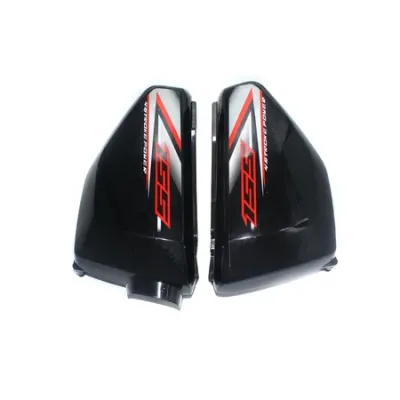
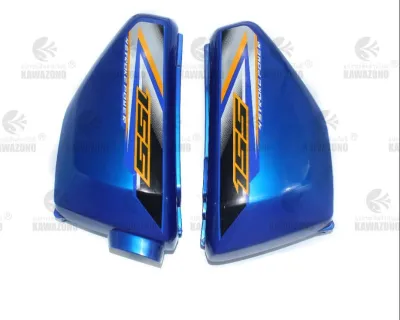
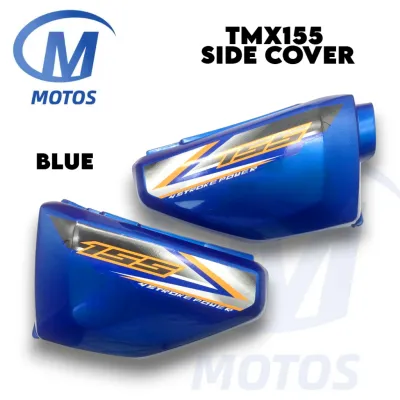
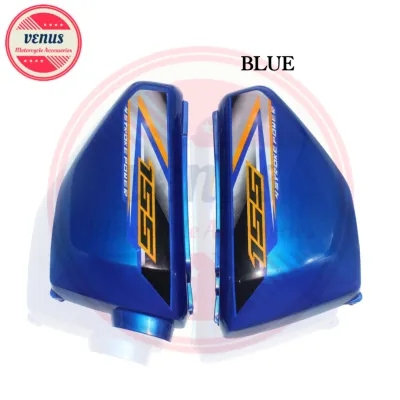
![[2PCS] Zentis Motoayos PH Motorcycle TMX 155 Battery Side Cover Red Pair for TMX155 with Stroked Power Graphic 2pcs Set](https://img.lazcdn.com/g/p/a3723281eb511b457c02308bb0e43aef.jpg_400x400q80.jpg_.webp)
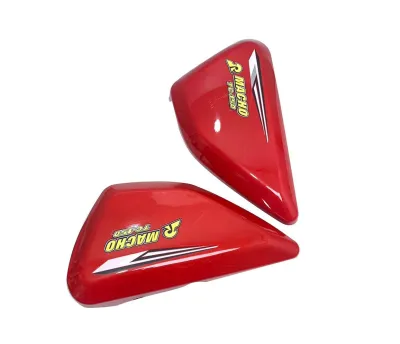
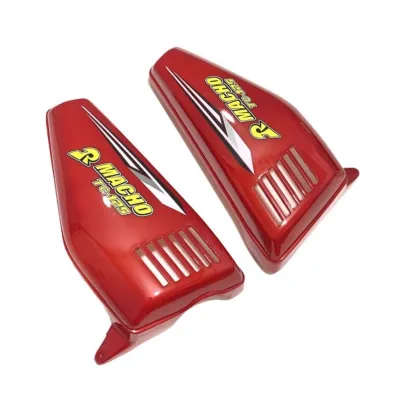
![MOTORCYCLE FAIRINGS BATTERY SIDE COVER FOR HONDA TMX 155 A17 [KM]](https://img.lazcdn.com/g/p/b0940fe19f2c6d0089e38b17897091fd.jpg_400x400q80.jpg_.webp)
Prices are valid at publication and may change. Please refer to the product page for the latest price.
Fitment and Mounting Precision
The Honda TMX 155 is celebrated for its rugged simplicity, but its single-cylinder engine produces significant, continuous vibrations that put constant stress on all body panels. A genuine OEM battery cover is molded to exact factory tolerances, meaning the mounting tabs, alignment pins, and screw holes line up perfectly with the motorcycle’s frame and battery box. This precision ensures that the cover sits flush against the frame, distributing mechanical stress evenly across the designated mounting points and reducing the risk of the panel rattling loose or cracking during rides.
Aftermarket battery covers, by contrast, are produced by various third-party manufacturers using different molding processes. This can result in minor dimensional discrepancies, such as mounting tabs that are slightly too thick, misaligned screw holes, or pins that do not slide easily into the frame’s rubber grommets. Installing a poorly aligned aftermarket cover often requires manual adjustments, such as filing down the plastic tabs, widening the screw holes, or gently heating the panel to bend it into place. If you force an ill-fitting cover onto the frame without these adjustments, the constant tension combined with engine vibration will almost certainly cause the plastic to crack around the mounting points within a few weeks of use.
To minimize these issues when opting for an aftermarket part, it is highly recommended to inspect the inner side of the cover before purchasing. Look for clean, well-defined mounting tabs and reinforced plastic around the screw holes. Reading feedback from other TMX 155 owners who have purchased the same brand can also reveal whether a specific aftermarket cover requires extensive modification or if it offers a relatively smooth, drop-in fit.
Material Durability and Weather Resistance
The tropical climate of the Philippines presents a harsh environment for motorcycle plastics, characterized by intense UV exposure, extreme summer heat, and torrential monsoon rains. Genuine OEM battery covers are manufactured using high-grade, virgin ABS plastic infused with UV stabilizers. This specific material formulation prevents the plastic from becoming brittle when parked under direct sunlight and ensures that the cover retains its structural flexibility. This flexibility allows the panel to absorb minor impacts from flying road debris without shattering.
Aftermarket battery covers exhibit a massive spectrum of material quality. High-end aftermarket brands utilize virgin ABS plastic that closely matches the thickness and flexibility of the OEM part, providing reliable protection at a lower price point. However, the cheapest unbranded aftermarket covers are often made from low-grade, recycled plastics that lack UV inhibitors. These budget panels tend to fade rapidly under the sun, turning a dull grey, and can become extremely brittle over time. A brittle cover is highly susceptible to cracking from minor stone chips or even from the simple pressure applied when removing the panel during routine battery maintenance.
Before purchasing any replacement cover, perform a physical inspection of the material if possible. Gently flex the panel to ensure it has some elasticity rather than feeling completely rigid and stiff. Check the thickness of the plastic along the edges; OEM and premium aftermarket covers maintain a consistent thickness throughout, whereas low-quality options often have thin, weak spots along the curves and corners where the plastic was stretched too thin during the molding process.
Price and Value Considerations
The price gap between OEM and aftermarket parts is often the primary deciding factor for many TMX 155 riders. Genuine OEM battery covers carry a premium price tag, which reflects Honda’s strict quality control standards, official distribution networks, and the assurance of a perfect factory match. For riders who view their motorcycle as a long-term investment or a restoration project, this higher initial cost is easily justified by the cover’s durability, perfect fit, and the peace of mind that comes with using genuine parts.
Aftermarket covers are highly appealing due to their affordability, often costing a fraction of the OEM price. This makes them an excellent choice for daily workhorse motorcycles, delivery fleets, or commercial tricycles where cosmetic perfection is secondary to basic functionality. If a commercial bike is subjected to daily wear, minor scratches, and rough handling, replacing a damaged panel with an inexpensive aftermarket cover is a highly practical way to keep operating costs low.
However, riders must consider the long-term value rather than just the initial purchase price. Opting for the cheapest possible aftermarket cover can backfire if the part fails prematurely. If a low-quality cover cracks, loses its mounting tabs, or warps to the point of letting rainwater seep into the battery compartment, you will be forced to buy another replacement. Over time, purchasing multiple cheap covers and dealing with the associated hassle can easily exceed the cost of a single, long-lasting OEM panel.
What to Inspect Before Replacing Your Battery Cover
Before spending money on a new battery cover, it is wise to diagnose your motorcycle’s current setup to ensure a replacement is truly necessary and that the new part will install correctly. A systematic inspection can save you time and prevent you from damaging your new panel during installation.

First, evaluate the condition of your existing battery cover. If the cover is simply faded, scratched, or dull due to sun exposure, you might not need a replacement at all. In many cases, a thorough cleaning followed by a high-quality plastic restorer, a coat of wax, or a fresh layer of spray paint can restore the panel’s appearance at a minimal cost. However, if you find deep structural cracks, missing mounting tabs, or warped edges that prevent the cover from sealing properly against the battery box, a complete replacement is necessary to protect your electrical components.
Second, thoroughly inspect the mounting hardware on your TMX 155 frame. The battery cover relies on rubber grommets inserted into the frame brackets to absorb engine vibrations and hold the cover’s mounting pins securely. Over years of daily riding, these rubber grommets can degrade, harden, split, or fall out entirely. If you attempt to install a new cover—whether OEM or aftermarket—without these rubber grommets in place, the metal-on-plastic contact will cause severe rattling, and the excessive vibration will quickly snap the mounting pins off your new cover. Always replace worn or missing rubber grommets before mounting a new panel.
Third, verify the exact model year and variant of your TMX 155. While the TMX 155 has maintained a classic design for decades, minor frame updates, battery box revisions, and differences between model generations can affect panel compatibility. For instance, the body panels and mounting configurations of the classic TMX 155 are completely different from those of the newer TMX Supremo. Double-check your motorcycle’s registration papers or consult an official parts catalog to ensure the replacement cover you are ordering matches your exact chassis model.
Finally, take the opportunity to clean and prepare the battery compartment area before installing the new cover. Remove the old cover and inspect the battery box for signs of acid leaks, loose wiring, or accumulated road grime. Use a mild cleaning solution to wash away dirt, and check the metal frame brackets for any signs of rust or corrosion. If you spot rust, clean it with a wire brush and apply a rust-inhibiting primer to prevent structural damage. Ensuring a clean, rust-free, and properly aligned mounting surface guarantees that your new battery cover will sit perfectly and protect your electrical system effectively.
Decision Framework: Which TMX 155 Battery Cover is Right for You?
To make the final buying decision easier, you can match your specific riding circumstances, budget, and maintenance preferences against the following practical framework.
- Choose OEM if:
- You are restoring a classic TMX 155 to its original factory condition and want to maintain authentic aesthetics and paint matching.
- You prefer a straightforward, "plug-and-play" installation without the need for trimming, filing, or modifying plastic tabs.
- You ride extensively in harsh weather conditions and require maximum durability, UV resistance, and impact strength.
- You want the peace of mind that comes with genuine Honda quality control and a guaranteed fit.
- Choose Aftermarket if:
- You are on a tight budget or use your TMX 155 primarily as a commercial workhorse, delivery vehicle, or tricycle where minor cosmetic imperfections do not matter.
- You have the tools, patience, and basic mechanical skills required to make minor adjustments, such as filing down misaligned mounting tabs or widening screw holes.
- You have identified a reputable, highly-rated third-party aftermarket brand that is widely recommended by other local riders for its decent material thickness and reasonable fitment.
- The motorcycle is an older model where investing in premium OEM body parts does not align with the bike's overall market value.
- Verify first if:
- You are purchasing the battery cover from an online marketplace. Always read the customer reviews carefully, looking specifically for photos uploaded by buyers showing the cover installed on a TMX 155.
- You are unsure of the seller's return policy. Ensure that you can easily return or exchange the part if it arrives damaged, warped, or if the mounting tabs are significantly misaligned.
- The part description explicitly states compatibility with your specific TMX 155 model year and variant to avoid ordering the wrong design.
- Neither may fit if:
- Your motorcycle has been involved in an accident, and the metal mounting brackets on the frame or the battery box itself are bent, misaligned, or pushed inward.
- The rubber grommets are missing, or the mounting threads on the frame are stripped. In these scenarios, you must repair the underlying structural and hardware issues before purchasing any replacement cover, as even a genuine OEM part will fail to fit securely on a damaged frame.
Where to Buy and What to Avoid
When you are ready to make a purchase, selecting the right buying channel is crucial for ensuring you get the quality you expect and avoiding counterfeit or unusable parts.
To purchase a genuine OEM battery cover, your best option is to visit an authorized Honda 3S (Sales, Service, and Spare Parts) dealership or a certified Honda parts distributor. Buying directly from authorized channels guarantees that you receive an authentic product packaged in genuine Honda wrapping with the correct part number label. While the price at these dealerships will be higher, it eliminates the risk of accidentally buying a counterfeit part disguised as genuine. If the dealership does not have the cover in stock, they can usually order it directly from the main warehouse for you.
If you decide to go with an aftermarket battery cover, visit an established, reputable local motorcycle parts shop in your area. Buying from a physical shop allows you to hold the cover, feel the plastic thickness, inspect the flexibility of the mounting tabs, and visually verify the quality of the finish before handing over your money. If you prefer the convenience of online shopping, stick to official brand stores or highly rated sellers on trusted online marketplaces. Look for listings that have a high volume of positive reviews, detailed product descriptions, and clear photos of both the front and back of the cover.
Avoid unbranded, suspiciously cheap listings that lack detailed descriptions, clear product photos, or customer reviews. Extremely low prices are a major red flag, often indicating that the cover is made from thin, brittle, recycled plastics that will warp or crack almost immediately. Additionally, steer clear of sellers who do not offer a clear return or exchange policy. Keeping your receipt and verifying the return window is essential, as it protects your investment in case the cover suffers from manufacturing defects or severe fitment issues that make installation impossible.
Frequently Asked Questions (FAQ)
Can I use a TMX 155 battery cover on other Honda motorcycle models?
No, you should not assume that a TMX 155 battery cover will fit other Honda motorcycle models. Battery covers and side panels are designed to be highly model-specific, molded to match the unique frame geometry, battery box dimensions, wiring layouts, and mounting tab locations of a specific motorcycle. Even within the Honda family, a cover designed for the TMX 125 Alpha, TMX Supremo, or other commuter models will have different mounting configurations and shapes. Always verify compatibility using the official parts catalog or match the specific part numbers before attempting to install a cover on a different model.
Does an aftermarket battery cover void my motorcycle's warranty?
Generally, replacing a cosmetic or non-mechanical protective panel like a battery cover with an aftermarket alternative will not void your motorcycle’s overall engine, transmission, or drivetrain warranty. However, a crucial safety boundary must be observed: if an ill-fitting aftermarket cover pinches electrical wiring, rubs against battery terminals, or fails to protect the battery compartment from water ingress, any resulting electrical short circuits, battery damage, or wiring harness failures will likely not be covered under the manufacturer’s warranty. Always refer to your original vehicle documentation and warranty terms, and ensure the cover is installed securely without putting pressure on any electrical components. If you are performing any work near the battery, remember to turn off the ignition and disconnect the battery terminals (negative first) to prevent accidental short circuits, or consult a qualified professional for assistance.
Community discussion
Share your experience or ask a question. Comments are reviewed before publication.