
Choosing the right torque drive belt for your Honda Click 125i is a critical decision that directly impacts your scooter’s acceleration, fuel efficiency, and overall road safety. The continuously variable transmission (CVT) relies on this single rubber belt to transfer power from the engine to the rear wheel. Selecting between an Original Equipment Manufacturer (OEM) belt and an aftermarket alternative requires balancing upfront costs against long-term reliability.
For most daily commuters navigating congested urban streets and tropical weather, a genuine OEM belt provides predictable performance and exact dimensional fitment. However, high-quality aftermarket belts from reputable manufacturers offer a viable alternative, especially when facing local dealership stock shortages or strict budget limitations. The key is knowing how to evaluate the specifications, materials, and safety implications of each option before making your purchase.
When to Replace Your Honda Click 125i Torque Drive Belt
Before deciding between OEM and aftermarket options, you must determine if your current drive belt actually requires replacement. The CVT belt operates inside a sealed housing, meaning wear is not immediately visible without manual disassembly. Riding with a severely worn belt increases the risk of sudden failure, which can lock up the rear wheel or damage internal CVT components while you are in motion.
Products mentioned in this guide
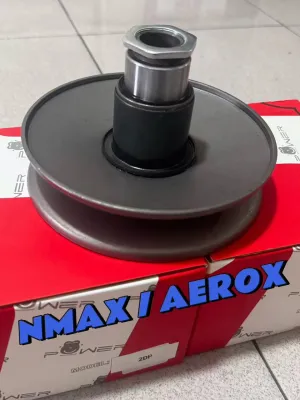
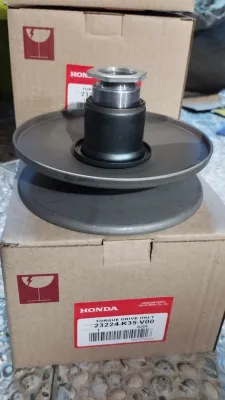
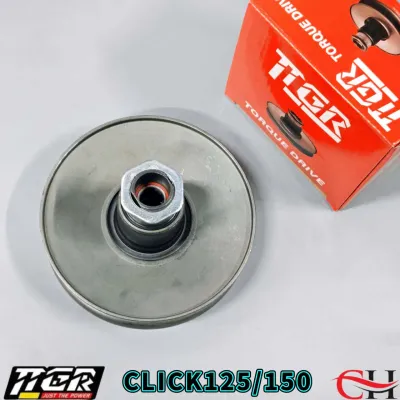
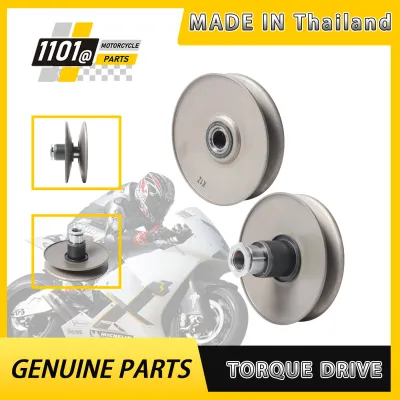
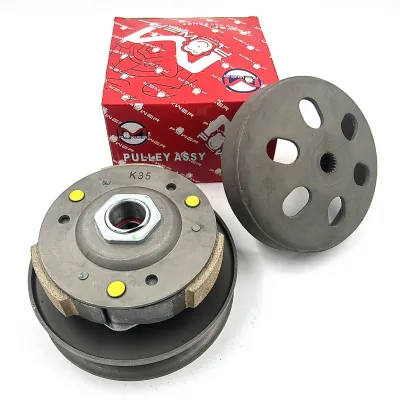
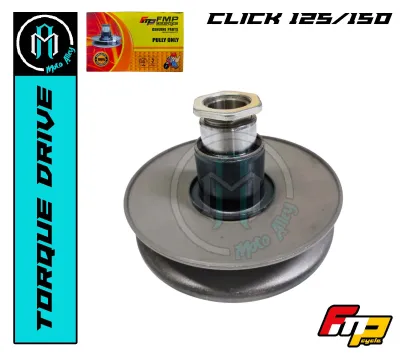
Prices are valid at publication and may change. Please refer to the product page for the latest price.
A physical inspection is the most reliable way to assess the condition of your belt. Look for visible cracks along the inner cogs, which indicate that the rubber compound has dried out and hardened due to engine heat and ambient humidity. Fraying along the outer edges of the belt suggests misalignment or pulley wear, while a shiny, glazed appearance on the contact sides points to excessive slipping and heat buildup. If you notice any missing cogs or deep splits, the belt must be replaced immediately to prevent catastrophic failure.
Performance symptoms also signal that your drive belt is reaching the end of its service life. If you experience sluggish acceleration, a noticeable lag when twisting the throttle, or a sensation of slipping when climbing steep inclines, the belt may have worn below its minimum width specification. Unusual rattling, slapping, or squealing noises coming from the CVT casing during idling or acceleration are also common indicators of a loose or stretched belt.
To maintain optimal performance, always consult your Honda Click 125i owner’s manual for the manufacturer’s recommended inspection and replacement intervals. In tropical climates characterized by high ambient temperatures and frequent stop-and-go traffic, drive belts are subjected to accelerated thermal stress. Consequently, routine inspections should be performed more frequently than the standard intervals to catch early signs of degradation before they lead to on-road breakdowns.
Evaluating Genuine Honda (OEM) Torque Drive Belts
Genuine Honda OEM torque drive belts are engineered specifically for the Click 125i, ensuring that the belt’s length, width, and cog angle perfectly match the factory variator and clutch pulleys. This precise dimensional alignment guarantees smooth shifting transitions and preserves the original fuel economy and acceleration characteristics of your scooter. When you install an OEM belt, you are choosing a component that has undergone rigorous factory testing under simulated operating conditions.

However, the popularity of the Honda Click 125i has made OEM parts a frequent target for counterfeiters. To ensure you are purchasing an authentic genuine part, always inspect the packaging for official Honda branding, high-quality holographic security labels, and clear, unaltered part numbers. Genuine belts are typically distributed in sealed packaging with distinct labeling that matches the official parts catalog for your specific model year. Purchasing directly from authorized Honda dealerships or certified parts distributors is the most effective way to avoid counterfeit products.
When examining an authentic OEM belt, you will notice consistent material quality, with clean edges and robust internal cord reinforcement visible along the cross-section. These belts are manufactured using high-grade synthetic rubber compounds designed to withstand the high operating temperatures of a sealed CVT system. This material standard ensures a predictable lifespan, allowing you to ride with confidence between scheduled maintenance intervals.
The primary trade-off associated with genuine OEM belts is their higher upfront cost compared to standard aftermarket options. Additionally, availability can sometimes be limited at local dealerships, requiring riders to wait for restocks. Despite the premium price, the investment is often justified by the inclusion of authorized dealer warranty support and the peace of mind that comes from using a component designed by the vehicle’s original manufacturer.
Assessing Aftermarket Belt Options and Specifications
Aftermarket drive belts serve as a practical alternative when OEM parts are unavailable or when you are looking for a more budget-friendly solution. The aftermarket motorcycle parts industry offers a wide range of options, from premium performance belts to budget-oriented replacements. Navigating this market requires a careful evaluation of technical specifications rather than relying solely on promotional claims or attractive packaging.
When selecting an aftermarket belt, your primary objective is to verify that its physical dimensions—specifically the outer length, top width, and cog angle—match the exact specifications of the Honda Click 125i. Reputable aftermarket manufacturers publish detailed compatibility charts and precise measurements on their product labels. Never purchase a belt based on a generic “one-size-fits-all” description, as even a millimeter of variance in width or length can severely disrupt your CVT’s gear ratio, leading to poor acceleration or premature wear.
Material composition is another critical factor to analyze on aftermarket packaging. High-quality aftermarket belts often utilize advanced materials such as aramid fibers or Kevlar reinforcement to enhance tensile strength and resist stretching under load. When evaluating these options, look for clear material certifications and technical specifications printed directly on the manufacturer’s label. Avoid products that make vague performance promises without providing concrete material data or physical dimensions.
Opting for unbranded, extremely cheap, or counterfeit aftermarket belts carries significant safety and financial risks. Low-grade rubber compounds and weak internal cords are highly susceptible to premature snapping, especially under the high-heat conditions common in tropical urban riding. If a belt snaps at high speed, it can shred instantly, wrapping around the drive shaft, locking the rear wheel, and causing severe damage to the aluminum CVT casing, variator face, and clutch assembly.
OEM vs. Aftermarket: Making the Final Choice
Deciding between an OEM and an aftermarket torque drive belt requires a realistic assessment of your riding habits, maintenance preferences, and budget. There is no universal solution, as the ideal choice depends on how you use your Honda Click 125i on a daily basis. By applying a conditional decision framework, you can select the belt type that best aligns with your specific operational needs.
You should choose a genuine Honda OEM belt if your primary goal is long-term reliability, predictable service life, and maintaining the scooter’s original factory performance. This option is highly recommended for daily commuters who rely on their scooter for heavy urban travel, long-distance riding, or commercial delivery services. Using OEM parts also ensures that you remain fully compliant with any active dealer warranties on your drivetrain.
Conversely, a reputable aftermarket belt is a suitable choice if you are facing strict budget constraints or if your local authorized dealer is experiencing stock shortages. Aftermarket belts are also appropriate for riders who use their scooters primarily for light, short-distance errands where the transmission is not subjected to prolonged high-speed stress. If you choose this route, ensure you purchase from an established brand that provides clear dimensional specifications and a verified retail origin.
Before purchasing any high-performance or modified aftermarket belt, verify whether your scooter’s CVT system requires supporting modifications. Some heavy-duty aftermarket belts are stiffer than OEM belts and may require stiffer clutch springs or heavier variator rollers to operate correctly. Additionally, be aware that installing non-OEM transmission components may void the manufacturer’s warranty on related engine and drivetrain parts.
| Feature | Genuine Honda (OEM) | Reputable Aftermarket | Unbranded Alternatives |
|---|---|---|---|
| Dimensional Accuracy | Exact factory match guaranteed | Verified match via spec sheet | High risk of variance |
| Relative Cost Tier | ₱₱ to ₱₱₱ | ₱₱ | ₱ |
| Packaging Verification | Hologram and official part number | Brand label and spec list | Minimal or generic labeling |
| Warranty Support | Authorized dealer warranty | Limited manufacturer warranty | None |
Installation Safety and Post-Replacement Care
Replacing a CVT drive belt involves working with critical drivetrain components that directly affect the safety and handling of your motorcycle. Because improper installation can lead to sudden belt failure or loss of vehicle control, it is essential to understand the safety boundaries of this procedure. Always consult your Honda Click 125i service manual for specific torque specifications, tool requirements, and step-by-step disassembly instructions before beginning any work. If you lack the necessary tools, such as a pulley holder or a calibrated torque wrench, or if you feel unsure about the process, have the installation performed by a qualified professional mechanic.
Before installing your new belt, take the time to thoroughly clean the entire CVT housing. Use a dedicated brake and parts cleaner to remove accumulated belt dust, grease, and debris from the drive and driven pulley faces. Inspect the variator rollers for flat spots and check the ramp plate slides for excessive play, as worn rollers can prevent the pulleys from shifting smoothly, putting uneven tension on your new belt. Ensure that the pulley faces are completely dry and free of oil or grease before placing the belt onto the shafts.
Once the new belt is installed, it requires a proper break-in period to seat correctly against the pulley faces. Refer to the belt manufacturer’s label or your service manual for specific break-in instructions. Generally, you should avoid sudden full-throttle acceleration, high-speed riding, or carrying heavy loads for the first 100 to 150 kilometers of operation. This gentle initial usage allows the sides of the belt to wear in evenly, maximizing its contact surface area and preventing premature slipping.
If you notice persistent unusual noises, excessive vibration, or a burning rubber smell after replacing the belt, stop riding immediately. These symptoms indicate that the belt may be misaligned, slipping, or that a pulley component was incorrectly torqued during reassembly. Do not attempt to ride through these issues; consult a qualified mechanic to inspect the CVT system and verify that all components are safely secured.
Frequently Asked Questions (FAQ)
Can I use a drive belt from another Honda scooter model on the Click 125i?
No, you should not use a drive belt designed for another Honda scooter model on your Click 125i unless the manufacturer explicitly lists the exact same part number for both vehicles. Even if a belt from another model appears similar in hand, minor differences in length, width, or cog angle can severely disrupt the CVT’s operation. A belt that is slightly too wide or too long can cause slipping, excessive heat buildup, and accelerated wear on the pulleys, ultimately leading to premature belt failure or reduced fuel efficiency. Always verify compatibility by matching the exact part number specified in your Click 125i owner’s manual.
Does replacing the belt myself void the Honda dealer warranty?
Performing DIY maintenance or installing aftermarket parts can affect your vehicle’s warranty coverage. In many cases, authorized dealerships will not cover warranty claims for drivetrain or engine damage if they determine that the failure was caused by an incorrectly installed belt or a non-OEM component. If your Honda Click 125i is still under its original factory warranty, it is highly recommended to have all scheduled transmission maintenance performed by an authorized service center using genuine OEM parts. Always review your specific warranty booklet or consult your local authorized dealer to understand the terms and boundaries of your coverage before undertaking DIY repairs.

Community discussion
Share your experience or ask a question. Comments are reviewed before publication.