
Deciding between Original Equipment Manufacturer (OEM) and aftermarket transmission parts for your Yamaha L2GF 100 comes down to balancing your immediate budget, performance requirements, and the specific component you need to replace. For riders in the Philippines navigating heavy daily commutes and demanding weather conditions, keeping the drivetrain in peak condition is essential for both reliability and safety. Finding the right replacement parts ensures your motorcycle remains a dependable workhorse without draining your wallet.
OEM parts provide an absolute guarantee of factory-tested reliability and exact physical fitment, making them the gold standard for critical internal components where failure is not an option. Conversely, high-quality aftermarket alternatives can deliver notable cost savings or tailored performance adjustments, such as enhanced clutch grip or altered gear ratios. However, opting for third-party components requires careful verification of specifications to avoid premature wear or compatibility issues. Ultimately, there is no single “best” choice for every rider; your decision should depend on whether you prioritize long-term peace of mind or immediate cost efficiency.
Core Transmission Components to Evaluate
To make an informed decision, you must first understand the specific components that make up the transmission and drive system of your Yamaha L2GF 100. This motorcycle’s drivetrain consists of several interconnected parts that work together to transfer power from the engine to the rear wheel. Depending on your specific model variant and year, these components typically include the clutch assembly (clutch plates, pressure plates, and springs), the primary and secondary drive gears, the gear shift forks, and the external drive system, which features a drive chain and sprockets.
Products mentioned in this guide
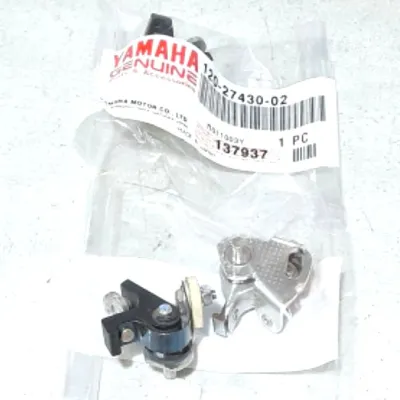
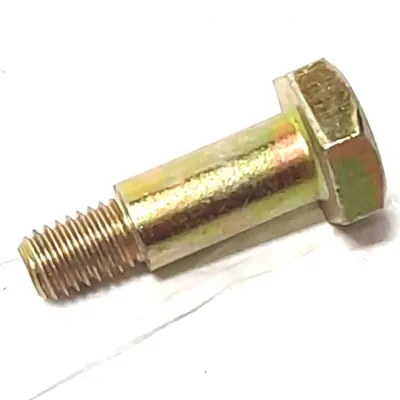
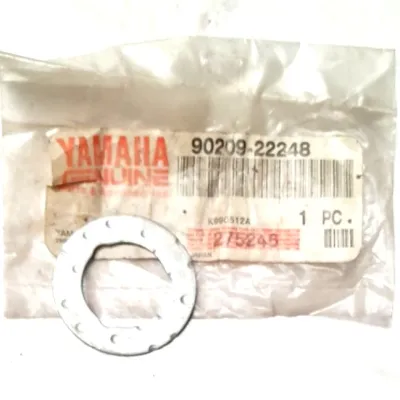
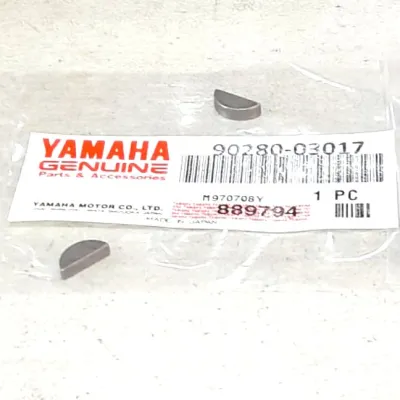
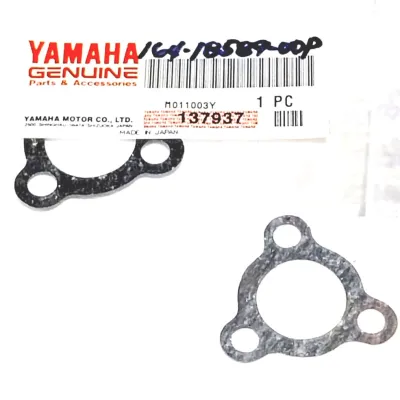
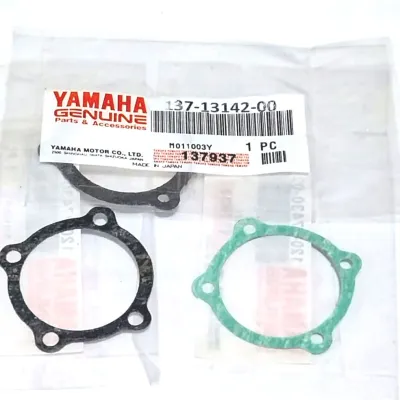
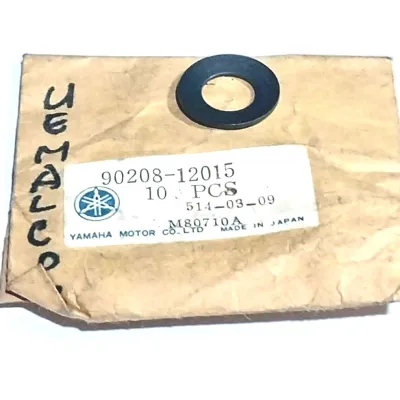
Prices are valid at publication and may change. Please refer to the product page for the latest price.
Because motorcycle specifications can vary slightly by production year and regional market release, you must consult your official Yamaha L2GF 100 owner’s manual or service guide before purchasing any parts. This documentation contains the precise part numbers, dimensions, and technical specifications required to ensure compatibility. Relying solely on generic category names can easily lead to purchasing the wrong component, resulting in wasted money and vehicle downtime.
It is also vital to recognize that different components carry vastly different risk levels when they wear out or fail. A worn-out drive chain or slipping clutch plates will primarily cause a loss of power delivery, reduced fuel efficiency, and a sluggish ride—issues that are inconvenient but manageable. In contrast, an internal gearbox failure, such as a chipped gear tooth or a bent shift fork, can cause the transmission to lock up entirely. This catastrophic failure can destroy the engine casings and present an immediate safety hazard on the road.
If you find that your owner’s manual instructions conflict with the aftermarket part documentation, or if the replacement part’s specifications are unidentified, stop immediately. Do not attempt to force fitment. Consult the manufacturer or a qualified professional motorcycle technician to verify compatibility before proceeding with the installation.
Comparing OEM and Aftermarket Parts Across Key Dimensions
To choose the right path for your motorcycle, you need to evaluate how OEM and aftermarket options stack up against each other in real-world conditions. This comparison is best analyzed through three primary lenses: material quality, physical compatibility, and financial value over time.

Build Quality and Material Standards
Genuine Yamaha OEM parts are engineered and manufactured to the brand’s strict factory tolerances and metallurgy standards. Every gear, shaft, and clutch plate undergoes rigorous heat treatment and stress testing to ensure it can withstand the constant friction and thermal load of daily riding. This meticulous manufacturing process delivers highly predictable wear patterns and a long service life, allowing you to ride with confidence under the hot, humid conditions typical of the Philippine climate.
The aftermarket landscape, on the other hand, is highly diverse and ranges from premium, established engineering brands to budget-focused, unbranded manufacturers. Premium aftermarket suppliers often use high-grade alloys or advanced friction materials that meet or sometimes even exceed OEM performance standards. These parts are excellent for riders seeking heavy-duty upgrades, such as reinforced clutch plates designed to handle heavier loads or aggressive riding.
However, the lower end of the aftermarket market is flooded with cheap, unbranded components that often compromise on material quality. These budget options may use inferior steel alloys that are prone to chipping under stress, or low-grade friction compounds that glaze over quickly when exposed to high heat. To protect your engine, always evaluate aftermarket parts by checking for recognized international manufacturing standards (such as ISO certifications), verifying material specifications, and looking for clear manufacturer branding rather than relying on vague marketing claims.
Fitment, Tolerances, and Installation
One of the biggest advantages of choosing OEM Yamaha parts is the guarantee of a direct, drop-in fit. Because these parts are identical to the components installed on the assembly line, they align perfectly with existing shafts, casings, and seals without requiring any modifications. This precise fitment minimizes installation time, reduces the risk of assembly errors, and ensures that the transmission operates with the exact clearances specified by Yamaha’s engineers.
While reputable aftermarket brands design their products to match OEM dimensions closely, budget alternatives frequently suffer from minor manufacturing variances. Even a fraction of a millimeter of deviation in a gear’s shaft diameter or a clutch hub’s spline depth can lead to significant installation difficulties. In some cases, mechanics may need to perform custom shimming or minor modifications to get the parts to fit, which increases labor costs and introduces potential failure points.
When replacing transmission parts, matching the exact specifications is non-negotiable. You must verify critical dimensions such as the spline count on shafts, the tooth profile of gears and sprockets, and the overall thickness of clutch stacks. Installing a part with a mismatched tooth profile or incorrect spline alignment will cause severe vibration, accelerated wear on mating components, and eventual drivetrain failure.
Upfront Cost vs. Long-Term Value
From a financial perspective, the most obvious difference between these two categories is the initial purchase price. OEM Yamaha transmission parts carry a premium price tag, reflecting the extensive research, development, quality control, and brand backing behind them. For many riders, this higher upfront cost can be a significant hurdle, especially when facing major repairs that require replacing multiple internal components.
Aftermarket parts often present highly attractive upfront savings, sometimes costing a fraction of the OEM equivalent. However, to determine the true cost, you must look beyond the initial price tag and consider the total cost of ownership. A cheap, low-quality drive chain or clutch kit that costs half the price of an OEM part but wears out in a third of the time is not a bargain.
When a transmission component fails prematurely, you do not just pay for a replacement part; you also incur the cost of motorcycle downtime and repeat mechanic labor fees. Because accessing internal transmission components requires splitting the engine crankcases—a highly labor-intensive process—the cost of labor can easily dwarf the cost of the parts themselves. Investing in a durable OEM part or a premium, verified aftermarket component is almost always the more economical choice in the long run.
Safety Boundaries and Warranty Implications
The transmission and drive system of your Yamaha L2GF 100 are critical safety systems that directly control the transfer of power to the rear wheel. A sudden mechanical failure within this system while riding at high speeds can have severe consequences, including sudden engine seizure, rear-wheel lockup, or a snapped drive chain wrapping around the rear wheel hub. Any of these scenarios can easily lead to a sudden loss of control and a serious accident on busy public roads.
Because of these high stakes, you must establish strict safety boundaries when choosing replacement parts. Using unverified, low-quality aftermarket components in critical load-bearing areas—such as the main transmission shafts, primary drive gears, or the clutch basket—introduces an unacceptable level of risk. If you choose to install aftermarket parts, always verify that their rated load limits, speed ratings, and material strengths meet or exceed the factory specifications of your motorcycle.
Additionally, you must consider how your choice of parts affects your vehicle’s warranty. If your Yamaha L2GF 100 is still covered by the manufacturer’s warranty, installing non-OEM transmission components will almost certainly void your coverage for any subsequent drivetrain failures. Authorized service centers can easily identify aftermarket parts during inspection, and if a failure is traced back to a third-party component, you will be responsible for the full cost of repairs. Always weigh the short-term savings of an aftermarket part against the potential loss of warranty protection.
Due to the high safety risks associated with drivetrain disassembly and internal gearbox modifications, it is highly recommended to have all internal transmission work performed by a qualified professional mechanic. Attempting to disassemble or modify these systems without proper training, specialized tools, and original-vehicle service manuals can result in severe mechanical damage or unsafe riding conditions.
Decision Framework: Which Option Fits Your Riding Needs?
To simplify your decision-making process, you can use a structured framework based on your specific riding habits, budget, and mechanical expertise. By categorizing your needs, you can quickly identify whether OEM or aftermarket parts are the right fit for your situation.
Choose OEM if:
- You prioritize absolute reliability, guaranteed fitment, and long-term peace of mind.
- Your motorcycle is still under factory warranty, and you want to maintain full coverage.
- You are replacing critical internal components, such as transmission gears, shift forks, or main shafts, which require extensive labor to access.
- You prefer a simple "install and forget" solution and want to maintain your motorcycle's original factory performance and resale value.
Choose High-Quality Aftermarket if:
- You are working with a moderate budget but are willing to spend time researching and verifying the specifications of reputable third-party brands.
- You are looking for specific performance enhancements, such as heavy-duty clutch springs for better power transfer or lightweight sprockets for altered gear ratios.
- You are replacing easily accessible, external wear-and-tear items like the drive chain or sprockets, where replacement labor is minimal and quick.
- The OEM parts are temporarily out of stock, and you need a reliable, high-quality alternative to get your motorcycle back on the road quickly.
Avoid Budget or Unbranded Aftermarket if:
- The component is located deep inside the engine crankcase, where a premature failure would require another expensive teardown.
- The part is a critical load-bearing component that directly impacts your safety and vehicle stability at high speeds.
- The seller cannot provide clear specifications, material certifications, or a reliable warranty for the product.
Remember that the true cost of a transmission repair is the sum of the parts and the labor. For deep engine teardowns, saving a few hundred pesos on a cheap gear or bearing is a poor trade-off when the labor to replace it costs thousands of pesos. In these scenarios, choosing OEM is the most logical and cost-effective decision.
Sourcing Reliable Parts in the Philippines
Finding genuine parts in the local market requires caution, as counterfeit motorcycle components are a persistent issue. To ensure you are buying authentic OEM Yamaha parts, always purchase directly from authorized Yamaha 3S dealerships, official service centers, or verified flagship brand stores on major online marketplaces. These sources offer guaranteed authenticity and often provide access to official parts catalogs to help you match exact part numbers.
If you decide to go the aftermarket route, source your components from well-established motorcycle parts distributors or local shops with strong reputations within the riding community. When shopping on ecommerce platforms, look for highly rated sellers with physical store locations, positive customer reviews with actual product photos, and clear return policies.
Be extremely wary of unboxed parts, suspiciously low prices, or sellers who cannot provide clear product details. Counterfeit transmission parts often mimic OEM packaging but use substandard materials that can fail catastrophically under load. Investing a little extra time to verify your source will protect both your wallet and your safety on the road.
Frequently Asked Questions (FAQ)
Can I mix OEM and aftermarket components in the transmission?
While it is technically possible to mix components—such as using an OEM drive chain with high-quality aftermarket sprockets—you must proceed with caution. Ensure that all mating parts share identical tolerances, pitches, and wear characteristics to prevent premature wear. However, you should never mix friction materials from different brands within the same assembly, such as combining OEM and aftermarket clutch plates, as mismatched compounds can cause severe slipping, uneven wear, or clutch judder.
How do I verify the authenticity of a replacement part?
To verify authenticity, inspect the packaging for high-quality printing, official Yamaha holographic security labels, and precise, clear part number labels. Authentic parts typically feature crisp, clean engravings or stamps on the metal surfaces, whereas counterfeits often have blurry markings, rough edges, or poor-quality finishes. When in doubt, cross-reference the part number with the official Yamaha online parts catalog or purchase directly from an authorized dealer to guarantee genuine quality.
Community discussion
Share your experience or ask a question. Comments are reviewed before publication.