
Deciding between a two-part system like the Pertua motor oil and metal treatment combination and a standalone premium synthetic oil comes down to understanding formulation philosophies, vehicle requirements, and long-term maintenance goals. Because engine lubrication relies on precise chemical balances, there is no universal winner for every vehicle. The right choice depends on your car’s warranty status, the specific original equipment manufacturer (OEM) certifications required by your engine, and your willingness to track real-world performance over time. This guide provides the objective criteria and safety boundaries you need to evaluate which approach delivers the best value for your specific situation.
In the tropical climate of the Philippines, where high humidity, heavy traffic congestion, and high ambient temperatures place severe stress on internal combustion engines, selecting the correct lubrication strategy is critical for long-term engine health. Daily driving in urban centers often involves prolonged idling and stop-and-go cycles, which accelerate oil degradation and increase the risk of metal-to-metal contact. Consequently, vehicle owners must carefully weigh the benefits of specialized metal treatments against the convenience and engineered balance of pre-blended premium synthetic oils.
Understanding Oil and Treatment Formulations
Pre-blended premium synthetic oils are formulated as complete, self-contained chemical systems. Lubrication engineers design these oils by blending specific base stocks with a highly balanced additive package. This package typically contains detergents to clean the engine, dispersants to keep contaminants suspended, viscosity index improvers, and anti-wear agents. Each component is carefully measured to ensure they work in harmony without chemically competing for space on metal surfaces.
Products mentioned in this guide
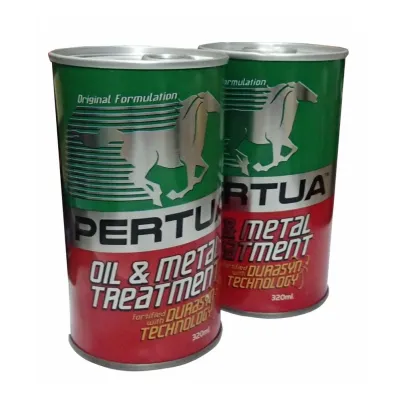
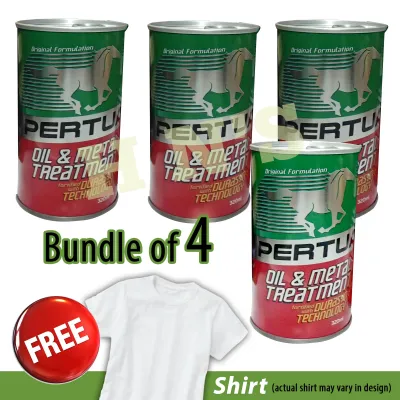
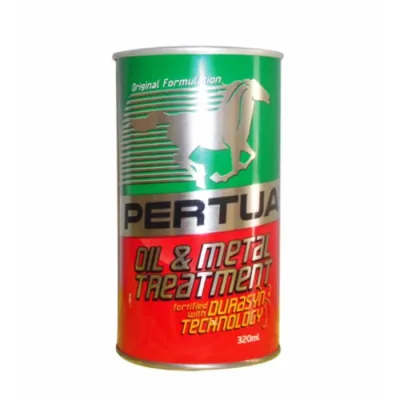
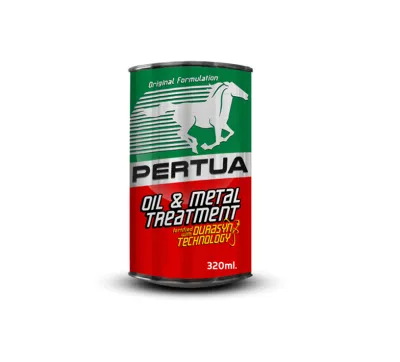
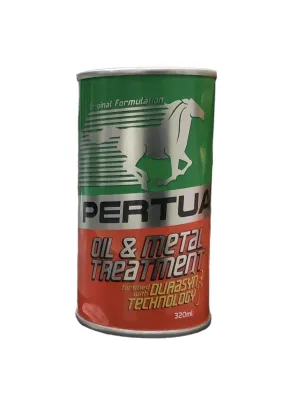
Prices are valid at publication and may change. Please refer to the product page for the latest price.
In contrast, a two-part system involving a base motor oil and a separate metal treatment, such as the Pertua metal treatment combination, operates on a different philosophy. The standalone metal treatment is introduced to modify the friction characteristics of the metal surfaces themselves or to supplement the base oil’s existing anti-wear properties. These treatments are designed to polarize or bond with metal surfaces under heat and pressure, creating a protective barrier that aims to reduce friction during boundary lubrication conditions, such as cold starts or extreme stop-and-go driving.
When evaluating these options, vehicle owners must look past marketing terminology and examine the actual product labels. It is essential to verify the base oil classification, which ranges from highly refined mineral-based Group III synthetics to fully synthetic Group IV polyalphaolefins (PAO) or Group V esters. Checking for these classifications and verifying the stated industry certifications on both the oil and the treatment bottles provides an objective baseline for comparing their chemical foundations.
Key Specifications to Verify Before Switching
Before changing your engine oil brand or introducing any aftermarket additive, you must consult your vehicle’s owner’s manual to identify the required industry standards. These standards are established by organizations like the American Petroleum Institute (API), the European Automobile Manufacturers’ Association (ACEA), or the International Lubricant Standardization and Approval Committee (ILSAC). Your chosen oil, whether used alone or in combination with a treatment, must explicitly meet or exceed these service categories (such as API SP or ACEA C3) to ensure compatibility with your engine’s internal components and emissions systems.
Beyond general industry standards, many modern engines require specific original equipment manufacturer (OEM) approvals. For instance, European, American, and Asian manufacturers often dictate proprietary oil specifications to protect complex turbochargers, direct-injection systems, and exhaust aftertreatment devices. If your vehicle requires a specific manufacturer certification, you must verify that the premium synthetic oil or the base oil used with your metal treatment carries that exact approval on its label.
Viscosity is another critical factor that requires careful verification. The Society of Automotive Engineers (SAE) viscosity grade (such as 0W-20, 5W-30, or 10W-40) dictates how the oil flows at low and high temperatures. Adding a separate liquid metal treatment to your crankcase can alter the effective viscosity and flow characteristics of the base oil. You must ensure that the final mixture remains within the viscosity range recommended by your vehicle manufacturer to prevent oil starvation during cold starts or insufficient film strength at operating temperatures.
Furthermore, always verify your specific vehicle model, year, and engine type against the product documentation before application. Because different engine designs utilize varying tolerances and oil pump pressures, assuming compatibility based solely on a generic category term can lead to severe mechanical issues. Always cross-reference the product’s technical data sheets with your original vehicle instructions to confirm that the fluid is authorized for your exact engine configuration.
Evaluating Total Cost and Maintenance Value
To determine the true financial impact of your lubrication strategy, you must calculate the total material cost per service interval. This involves comparing the price of purchasing a standard motor oil plus a separate bottle of metal treatment against the cost of a single container of a high-tier premium synthetic oil. In the local market, these costs should be calculated in Philippine Pesos (₱) to reflect your actual maintenance budget. A two-part system may require a higher initial outlay at the auto supply shop, which must be weighed against the cost of a standalone premium synthetic.
The frequency of your oil changes, or drain intervals, also heavily influences long-term maintenance expenses. Some premium synthetic oils are engineered for extended drain intervals, reducing the number of times you need to visit a service center each year. If you choose to use a motor oil and metal treatment combination, you must verify whether the manufacturer recommends standard or extended drain intervals for that specific pairing. Fewer service visits translate to savings on both labor costs and oil filters over the lifespan of the vehicle.
Rather than relying on subjective impressions, you can empirically track the value of your chosen lubrication method over several drain cycles. Keep a detailed log of your vehicle’s fuel economy using consistent routes, monitor any changes in oil consumption between services, and note any observable differences in engine noise or operating temperatures. This systematic approach allows you to verify whether a premium synthetic oil or a treatment combination delivers measurable efficiency and wear-reduction benefits in your daily driving conditions.
Warranty, Compatibility, and Safety Boundaries
Using aftermarket additives can have significant legal and warranty implications for newer vehicles. While the use of an additive does not automatically void an entire vehicle warranty, manufacturers can legally deny coverage for engine-related repairs if they determine that an unapproved chemical alteration caused or contributed to a mechanical failure. Many vehicle owner’s manuals explicitly state that the use of aftermarket oil additives is not recommended and may compromise warranty claims, making it crucial to review your warranty terms before introducing a treatment.
From a mechanical perspective, introducing a separate metal treatment to a pre-blended motor oil carries the risk of additive package clash. Because premium motor oils are formulated with a precise balance of chemicals, adding an external treatment can disrupt this equilibrium. For example, an excess of anti-wear additives might compete with detergents for surface contact, potentially leading to accelerated deposit formation or reduced cleaning efficiency. This chemical interference can inadvertently degrade the overall performance of the lubrication system.
To protect your engine from severe damage, you must establish clear stop conditions when experimenting with different oil combinations. If you observe unexpected drops in oil pressure, signs of sludge formation under the oil filler cap, or if the check engine light illuminates after an oil change, you must immediately cease operating the vehicle. In such cases, drain the oil, flush the system, and consult a qualified mechanic or the vehicle manufacturer to diagnose the issue and restore the engine to its original operating specifications.
Additionally, any electrical work, lighting modifications, or complex fluid flushes associated with your vehicle’s maintenance should be performed with strict adherence to safety boundaries. If you are unsure about the correct procedure for draining, flushing, or refilling your engine’s lubrication system, seek qualified professional installation and service. Operating advice should never supersede the safety instructions provided in your original vehicle documentation.
Decision Framework: Which Approach Fits Your Vehicle?
Selecting the right lubrication strategy requires a systematic evaluation of your vehicle’s current status and your personal maintenance preferences. The combination of a motor oil and a metal treatment, such as the Pertua system, is often highly suitable for vehicles that are out of their factory warranty period, have accumulated high mileage, or regularly operate under heavy loads in hot, humid tropical conditions. If you choose this route, you must still verify that both the base oil and the treatment meet the minimum viscosity and API service requirements specified for your engine.
Conversely, a standalone premium pre-blended synthetic oil is the preferred choice if your vehicle is relatively new, still covered by a manufacturer’s warranty, or requires strict, OEM-specific certifications that aftermarket additives cannot officially guarantee. This approach also appeals to vehicle owners who prefer a simplified, single-product maintenance routine that eliminates the need to measure and mix separate fluids during an oil change.
Before making any final decision, you must perform a preliminary check of your engine’s mechanical health. If the engine has pre-existing mechanical issues, such as severe oil leaks, worn piston rings, or an unknown service history, adding a treatment will not resolve these physical defects. Furthermore, if your vehicle’s owner’s manual explicitly prohibits the use of aftermarket oil additives, you should adhere strictly to those manufacturer guidelines to ensure safe and reliable operation.
Frequently Asked Questions (FAQ)
Can I mix a metal treatment with any premium synthetic oil?
Premium synthetic oils are already formulated with highly sophisticated, carefully balanced additive packages designed to provide optimal protection on their own. Adding an external metal treatment to these high-end oils can disrupt this delicate chemical balance, potentially causing additive clash where different compounds compete or react negatively with one another. This conflict can reduce the oil’s overall effectiveness, accelerate oxidation, or even lead to the formation of harmful engine sludge. Before attempting to mix any treatment with a premium synthetic, you must carefully check both the oil manufacturer’s and the treatment manufacturer’s labels for explicit compatibility statements.
Will using an aftermarket metal treatment void my vehicle's warranty?
Using an aftermarket metal treatment does not automatically void your entire vehicle warranty, but it can complicate or invalidate warranty claims related to engine damage. If an engine failure occurs and the manufacturer’s laboratory analysis traces the issue to an unapproved chemical alteration or an additive clash, the dealership may legally deny coverage for those specific repairs. Most automakers explicitly state in their owner’s manuals that only oils meeting their designated OEM standards should be used, without any additional additives. To protect yourself from costly out-of-pocket repairs, you should consult your dealership or thoroughly review your warranty booklet before adding any treatment to a vehicle that is still under factory coverage.

Community discussion
Share your experience or ask a question. Comments are reviewed before publication.