
Choosing the right engine oil is one of the most critical maintenance decisions you can make to ensure the longevity, performance, and efficiency of your vehicle. In the Philippines, car owners are faced with a diverse selection of lubricants, with local giant Petron competing directly against global powerhouses like Shell, Castrol, and Motul. When comparing a popular viscosity grade like 5W-30, there is no single, universal “best” oil for every vehicle. The ideal choice depends heavily on your vehicle’s Original Equipment Manufacturer (OEM) specifications, your typical driving environment, and your maintenance budget.
To make an informed decision, you must match the lubricant’s properties to your specific driving conditions. For instance, daily commuting through the severe, stop-and-go traffic of Metro Manila demands different oil characteristics than occasional long-distance highway driving across provincial expressways. While a high-performance, premium synthetic oil might offer maximum thermal stability under extreme loads, a high-quality local option may provide the perfect balance of cost and reliable protection for standard daily commutes. Always prioritize the viscosity and specification requirements listed in your vehicle’s owner’s manual before making a final purchase.
Here is a quick overview of how these four major brands generally align with different driver priorities:
Products mentioned in this guide
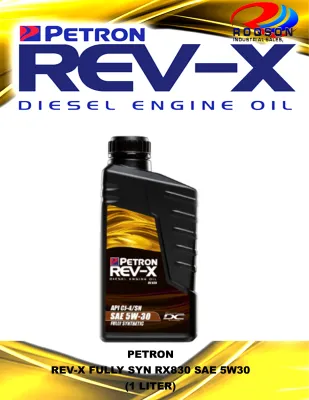
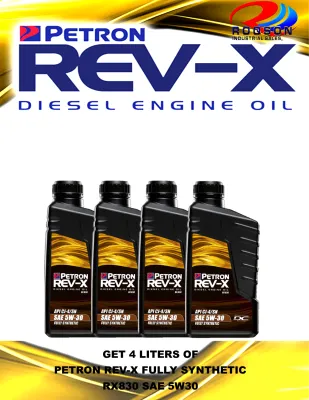
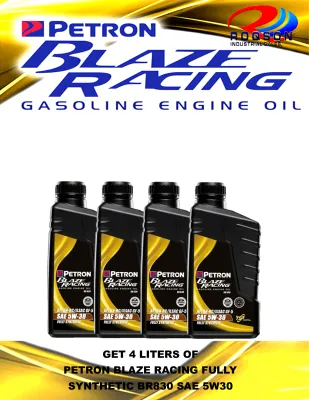
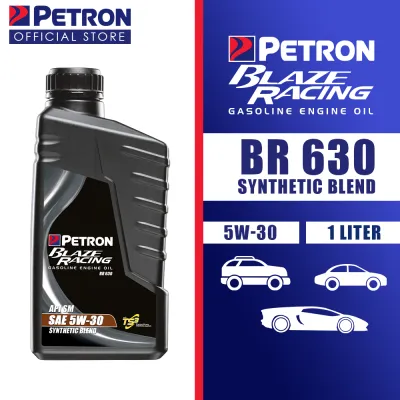
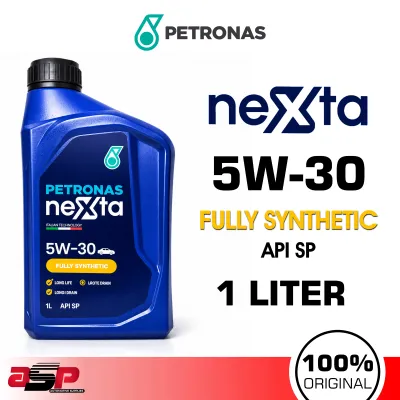
Prices are valid at publication and may change. Please refer to the product page for the latest price.
- Petron 5W-30: Best for everyday value, reliable commuter protection, and unmatched local availability.
- Shell 5W-30: Best for active engine cleanliness, sludge prevention, and modern engines requiring high-purity synthetic base oils.
- Castrol 5W-30: Best for severe urban traffic, frequent idling, and dedicated wear protection during stop-start driving.
- Motul 5W-30: Best for high-stress driving, turbocharged engines, spirited driving, and maximum thermal stability under high operating temperatures.
Why 5W-30 Viscosity Matters for Engine Protection
Understanding what the numbers on an oil bottle mean is essential before comparing individual brands. The “5W-30” designation refers to the oil’s multi-grade viscosity rating, which is defined by the Society of Automotive Engineers (SAE). Viscosity is a measure of a fluid’s resistance to flow; in an engine, the oil must be thin enough to flow quickly during a cold start, yet thick enough to maintain a protective barrier between moving metal parts when the engine reaches its full operating temperature.
The “5W” portion of the rating indicates the oil’s low-temperature flow characteristics, with the “W” standing for winter. A lower number before the W means the oil remains more fluid at cold temperatures, allowing it to pump quickly through the engine block during startup. While the Philippines does not experience freezing winter temperatures, a 5W rating is still highly beneficial. Initial startup is when the vast majority of engine wear occurs, as gravity causes oil to settle into the oil pan overnight. A 5W oil reaches critical components like the valvetrain much faster than a thicker 10W or 15W oil, minimizing dry friction during those first crucial seconds of operation.
The “30” portion represents the oil’s kinematic viscosity at 100°C, which is the typical operating temperature of a fully warmed-up passenger car engine. A 30-weight oil provides a balanced, moderate film thickness that reduces internal fluid friction while ensuring adequate hydrodynamic lubrication. This viscosity is widely recommended by modern automotive manufacturers because it helps maximize fuel efficiency by reducing drag on internal engine components, without sacrificing the film strength required to protect bearings, pistons, and camshafts.
Deviating from the manufacturer’s recommended viscosity can lead to serious mechanical issues. If you use an oil that is too thin, the protective film may shear under high loads and high temperatures, leading to direct metal-to-metal contact and accelerated wear. Conversely, switching to a thicker oil (such as a 10W-40 or 20W-50) in a modern engine designed specifically for 5W-30 can restrict oil flow through narrow oil galleries, increase operating temperatures, lower fuel economy, and cause malfunctions in systems that rely on oil pressure, such as Variable Valve Timing (VVT). Always check your owner’s manual to verify that 5W-30 is an approved viscosity for your specific engine model and model year.
Brand-by-Brand Breakdown: Core Technologies and Strengths
Every lubricant manufacturer utilizes a unique combination of base oils and proprietary additive packages to differentiate their products. Understanding these core technologies allows you to select an oil that aligns with your engine type and daily driving habits.

Petron 5W-30: Local Value and Everyday Reliability
As the largest oil refining and marketing company in the Philippines, Petron has tailored its lubricant lineup to meet the specific demands of local motorists. Petron’s 5W-30 options, primarily found within their Blaze Racing and Turbo Shield product lines, are formulated to handle the high ambient temperatures and dusty road conditions common across the archipelago. By leveraging their extensive local refining and distribution network, Petron is able to offer highly competitive pricing, making their oils some of the most cost-effective options on the market.
Petron’s 5W-30 lubricants are available in both semi-synthetic and fully synthetic formulations. Their fully synthetic options utilize high-quality synthetic base stocks paired with advanced additive packages designed to resist thermal breakdown and control deposit formation. These oils are engineered to provide reliable, stable protection for everyday passenger cars, light commercial vehicles, and family SUVs during routine city commuting and highway driving.
One of the primary advantages of choosing a 5w30 petron oil is its widespread availability. Whether you are in Metro Manila or a remote provincial area, you can easily find Petron lubricants at local service stations, authorized auto supply shops, and official retail outlets. For budget-conscious drivers who adhere to regular oil change intervals and want a dependable, locally proven product without paying a premium for imported branding, Petron represents an excellent, practical choice.
Shell 5W-30: Active Cleansing and Gas-to-Liquid Technology
Shell is globally recognized for its focus on engine cleanliness and fuel economy, primarily through its Shell Helix lineup. The standout technology in Shell’s premium fully synthetic 5W-30 oils is their proprietary PurePlus Technology. Unlike traditional synthetic base oils derived from crude oil, PurePlus Technology converts natural gas into a crystal-clear base oil. This Gas-to-Liquid (GTL) process results in a base oil that is virtually free of the impurities found in crude oil, offering superior molecular stability, lower volatility, and exceptional low-temperature flow.
In addition to the GTL base oil, Shell incorporates Active Cleansing Technology into its formulations. This additive package is specifically engineered to prevent dirt, carbon, and soot particles from clumping together to form harmful sludge. By keeping these contaminants suspended in the oil until the next oil change, Shell Helix helps maintain internal engine cleanliness and preserves optimal performance over time.
This active cleansing capability makes Shell 5W-30 an exceptional choice for vehicles operating in severe urban traffic. Slow-moving, congested roads lead to prolonged idling and lower operating temperatures, which can accelerate the formation of sludge and carbon deposits. If you drive a modern petrol or diesel vehicle with direct injection or turbocharging, Shell’s high-purity formulation provides the advanced cleaning power needed to protect sensitive components like fuel injectors and turbo bearings from performance-robbing buildup.
Castrol 5W-30: Wear Protection for Stop-Start Traffic
Castrol has built a strong reputation around specialized wear protection, particularly for vehicles subjected to harsh urban driving cycles. Their two primary 5W-30 product families are Castrol Magnatec and Castrol Edge. Castrol Magnatec is famous for its “intelligent molecules” that are engineered to cling to critical engine parts like a magnet, even when the engine is turned off. In standard oils, the lubricant drains back into the oil pan when the vehicle is parked, leaving upper engine components vulnerable to dry friction during the next cold start. Magnatec’s clinging formulation ensures a protective layer remains on vital surfaces, dramatically reducing wear during the warm-up phase.
For higher-performance applications, Castrol Edge incorporates Fluid Titanium Technology. This physical additive physically transforms its structure under extreme pressure, doubling its film strength to prevent the oil film from breaking down. When the pressure subsides, the oil returns to its highly fluid state. This dynamic adjustment helps minimize friction and maximize horsepower, ensuring the engine can operate efficiently under heavy loads.
Castrol’s product lines are highly suited for drivers who face severe daily congestion. The constant stop-and-start cycle of city driving puts immense stress on an engine, as the frequent transitions between idling and accelerating can cause temporary drops in oil pressure. By providing continuous, active surface protection, Castrol 5W-30 helps safeguard your engine against the cumulative damage caused by urban commuting.
Motul 5W-30: High-Performance and Thermal Stability
Motul is a premium French lubricant brand with a deep heritage in motorsports, highly favored by automotive enthusiasts, tuners, and owners of high-performance vehicles. In the 5W-30 viscosity grade, Motul offers several specialized lines, including the 8100 series (such as 8100 Eco-lite or 8100 X-clean) and their H-Tech series. Motul’s reputation is built on its uncompromising use of high-quality synthetic base stocks, including Group IV (PAO) and Group V (Ester) synthetics in their top-tier formulations.
These advanced synthetic base oils provide exceptional shear stability, meaning the oil resists thinning out under extreme mechanical stress and high RPMs. Motul 5W-30 oils also exhibit outstanding thermal stability, maintaining their protective film and resisting oxidation even when subjected to the intense heat generated by turbocharged engines or high-load driving conditions, such as towing or climbing steep mountain passes.
While Motul lubricants generally sit at a higher price point than local or mass-market brands, they offer peace of mind for drivers who demand the absolute maximum level of protection. If you own a modern European vehicle, a turbocharged sports car, or a vehicle that has been modified for increased power, Motul’s robust formulations provide the thermal reserve and shear resistance necessary to keep your engine safe under high-stress operating conditions.
Key Comparison Dimensions to Check on the Label
When standing in an auto supply shop or browsing an official online store, you should not rely solely on brand marketing. The back label of every oil bottle contains standardized industry ratings and manufacturer approvals that tell you exactly what standards the oil meets. Comparing these specifications is the most objective way to evaluate different 5W-30 products.
API and ILSAC Ratings
The American Petroleum Institute (API) and the International Lubricant Standardization and Approval Committee (ILSAC) establish the baseline performance standards for passenger car engine oils. These ratings are updated periodically to address the engineering demands of newer engine designs.
- API SP: This is the current premier standard for gasoline engines. Introduced to address the specific vulnerabilities of modern gasoline direct-injection (GDI) and turbocharged engines, API SP provides enhanced protection against Low-Speed Pre-Ignition (LSPI)—a destructive premature combustion phenomenon—as well as improved timing chain wear protection and superior deposit control.
- ILSAC GF-6A: This standard runs parallel to API SP for multi-grade oils like 5W-30. It focuses heavily on improving fuel economy, protecting emission control systems, and preventing LSPI.
When comparing 5W-30 options, look for the API “Donut” symbol on the label. A fully synthetic oil carrying the API SP and ILSAC GF-6A ratings will offer significantly better protection against wear, sludge, and pre-ignition than older standards like API SN or SM.
ACEA and OEM Approvals
European vehicle manufacturers often have unique engine designs that require different lubricant properties than those specified by API or ILSAC. The European Automobile Manufacturers’ Association (ACEA) defines these standards, which are categorized by letters and numbers.
- ACEA A3/B4: High-performance, stay-in-grade oils designed for direct-injection gasoline and diesel engines.
- ACEA C3: Mid-SAPS (Sulphated Ash, Phosphorus, and Sulphur) catalyst-compatible oils designed for vehicles equipped with modern exhaust aftertreatment systems, such as Diesel Particulate Filters (DPFs) and Three-Way Catalysts (TWCs).
Additionally, many manufacturers require specific proprietary OEM approvals. For example, General Motors vehicles may require dexos1 Gen 3 (for gasoline engines), while European brands like BMW, Mercedes-Benz, and Volkswagen require approvals like BMW Longlife-01, MB-Approval 229.5, or VW 502 00 / 505 00. If your vehicle’s manufacturer specifies a particular OEM approval code in the owner’s manual, you must ensure that exact code is printed on the back of the oil bottle, regardless of the brand on the front.
Base Oil Type
Engine oils are formulated using different categories of base oils, which directly impacts their performance and oil change intervals:
- Fully Synthetic: Formulated entirely from chemically synthesized base stocks (Group III, IV, or V). Fully synthetic 5W-30 oils offer the highest level of thermal stability, resistance to oxidation, and low-temperature flow. They are highly recommended for the hot, humid tropical climate of the Philippines, as they do not break down prematurely under high operating temperatures.
- Semi-Synthetic / Synthetic Blend: A mixture of synthetic and conventional mineral base oils. These provide a cost-effective compromise, offering better protection than pure mineral oils at a lower price point than fully synthetics.
- Mineral: Formulated from refined crude oil. Mineral 5W-30 oils are less common today and are generally not recommended for modern, high-stress engines due to their lower resistance to heat and shorter service life.
Evaluating Price and Value per Liter
In the Philippine automotive aftermarket, retail prices for engine oil can vary widely depending on the brand, product tier, packaging size, and purchase location. To make an accurate financial comparison, you should always calculate the cost per liter rather than simply comparing the total price of the bottle.
Generally, purchasing oil in a 4-liter or 6-liter jug is significantly more cost-effective than buying individual 1-liter bottles. For example, a 4-liter jug of fully synthetic oil might retail for ₱2,000 (equivalent to ₱500 per liter), while a single 1-liter bottle of the exact same oil might cost ₱600. If your engine requires 4.5 liters of oil for a complete service, buying one 4-liter jug and one 1-liter bottle is usually the most economical approach.
Price bands for fully synthetic 5W-30 engine oils in the local market generally fall into the following ranges:
- Budget to Mid-Range (₱350 to ₱550 per liter): This segment is dominated by local options like Petron Blaze Racing and entry-level imported semi-synthetics. These oils provide excellent value and reliable protection for standard drain intervals (typically 5,000 to 7,500 kilometers).
- Premium (₱600 to ₱900 per liter): This includes mainstream fully synthetic offerings from Shell (Helix Ultra) and Castrol (Edge/Magnatec). These oils utilize advanced base stocks and additive packages, allowing for extended drain intervals (up to 10,000 kilometers) and superior wear protection.
- Enthusiast / Specialized (₱950 to ₱1,300+ per liter): This premium tier includes high-performance brands like Motul (8100 series) and specialty European-imported formulations. These oils are designed for maximum thermal stability, shear resistance, and strict OEM compliance.
When shopping for engine oil, be highly vigilant against counterfeit products, which are a persistent risk in the automotive aftermarket. Counterfeit oils often use cheap, low-grade mineral oil packaged in recycled premium bottles, which can cause catastrophic engine failure. To protect your engine, purchase lubricants only from authorized service stations, official brand flagship stores on reputable e-commerce platforms, or highly trusted local auto supply centers. If a price seems suspiciously low compared to the market average, it is safest to avoid it.
Final Decision Framework: Match the Oil to Your Driving Needs
To make your final decision, evaluate your vehicle’s specific requirements, your daily driving habits, and your maintenance preferences against the strengths of each brand.
Choose Petron 5W-30 if:
- You want a highly reliable, cost-effective fully synthetic or semi-synthetic oil for standard daily driving.
- You prefer the convenience of buying your oil and having it changed at a local Petron Car Care Center.
- Your vehicle is a standard commuter car, compact hatchback, or family SUV that does not require highly specialized European OEM approvals.
- You want to support a prominent local brand that offers excellent value for money.
Choose Shell 5W-30 if:
- Your primary goal is to keep your engine's internal components free of carbon deposits, soot, and sludge.
- You frequently drive in heavy, slow-moving city traffic where prolonged idling can accelerate oil contamination.
- You own a modern, direct-injection or turbocharged vehicle that benefits from high-purity Gas-to-Liquid base oils.
- You want a highly balanced, premium synthetic oil with excellent fuel economy properties.
- You want a highly balanced, premium synthetic oil with excellent fuel economy properties.
Choose Castrol 5W-30 if:
- Your daily commute involves severe stop-and-go traffic, short trips, or frequent idling.
- You want specialized, active wear protection that guards your engine during the critical warm-up phase.
- You own a modern passenger car or light SUV and want a trusted, globally proven lubricant with advanced wear-reduction technology.
- You are willing to pay a moderate premium for targeted friction-reduction capabilities.
Choose Motul 5W-30 if:
- You drive your vehicle aggressively, carry heavy loads, or frequently travel on steep, demanding mountain roads.
- You own a high-performance, turbocharged, or modified engine that demands maximum shear stability and thermal resistance.
- Your vehicle is a premium European model that requires strict compliance with specific OEM manufacturer approvals.
- Budget is a secondary concern, and you are willing to invest in enthusiast-grade synthetic formulations for peace of mind.
Before performing any oil change or top-up, always consult your vehicle’s owner’s manual to verify the recommended viscosity grade, API/ACEA service category, and any mandatory OEM approval codes. Ensure the vehicle is parked on a level surface, the engine is completely cool, and you wear appropriate personal protective equipment. If you are performing the service yourself, always follow proper safety protocols for vehicle support and fluid disposal. If the instructions in your manual conflict with a product’s label, or if you are unsure about compatibility, stop and consult a certified professional mechanic.
Community discussion
Share your experience or ask a question. Comments are reviewed before publication.