
Choosing between a plastic pry tool and a metal clip remover depends entirely on where you are working on your vehicle and what materials surround the fastener. For delicate interior cabin work—such as removing dashboard panels, upgrading a head unit, or detaching door cards—a plastic pry tool is the safest choice because its non-marring edges protect soft-touch plastics, leather, and painted surfaces from unsightly scratches. Conversely, for heavy-duty exterior tasks, under-hood components, or stubborn undercarriage fasteners, a metal clip remover provides the necessary leverage and structural strength to pop out rusted or tightly wedged clips without bending. Because modern vehicles use a mix of fragile plastic retainers and robust metal fasteners, a well-equipped automotive toolbox in the Philippines should ideally contain both tool types to handle any maintenance scenario safely.
Understanding Car Clip Types and Interior Materials
Before reaching for any tool, you must understand the specific fasteners holding your vehicle together. Modern cars rely on a diverse array of clips, ranging from fragile plastic push-pull retainers and threaded expansion rivets to high-tension metal spring clips and heavy-duty upholstery fasteners. Each of these fasteners interacts differently with your vehicle’s trim panels. For instance, soft-touch plastics, vinyl wraps, leather inserts, and glossy piano-black trims are highly vulnerable to pressure marks and gouges, requiring extreme care during disassembly.
Environmental factors play a massive role in how these materials behave during repair work. In tropical climates like the Philippines, vehicles are regularly subjected to intense solar heat and high humidity. This constant thermal cycling accelerates the degradation of cabin plastics, making both the trim panels and the underlying plastic clips exceptionally brittle over time. A clip that might have flexed easily when new can easily snap into pieces under minimal pressure when aged. Understanding this material vulnerability is crucial because it dictates not only the amount of force you can safely apply but also the physical properties of the tool you should select.
Products mentioned in this guide
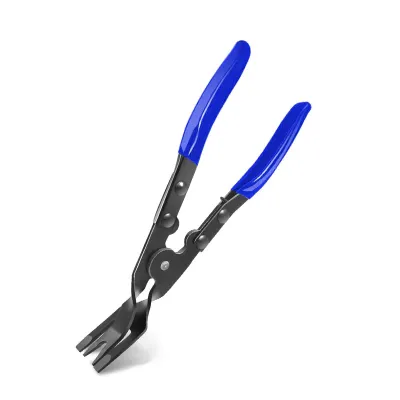
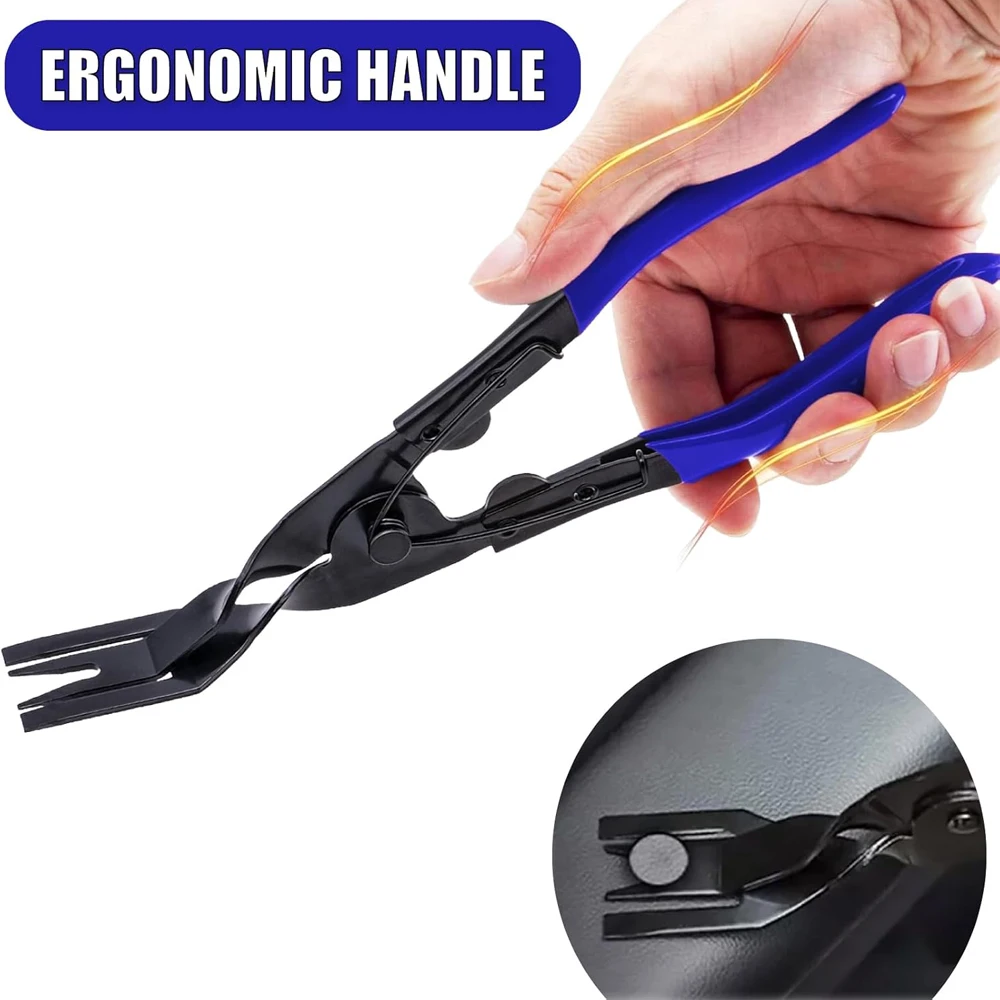
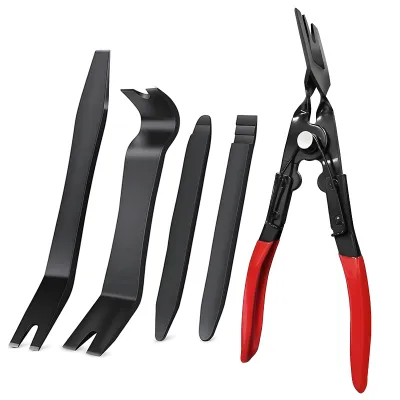
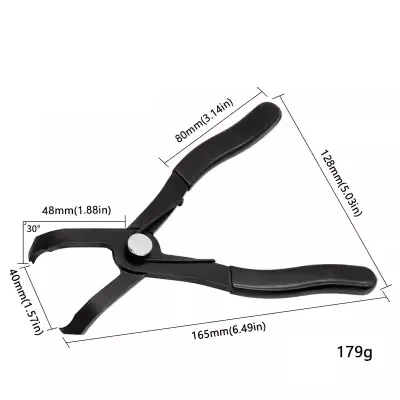
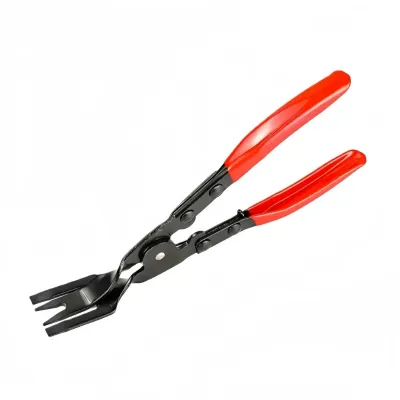
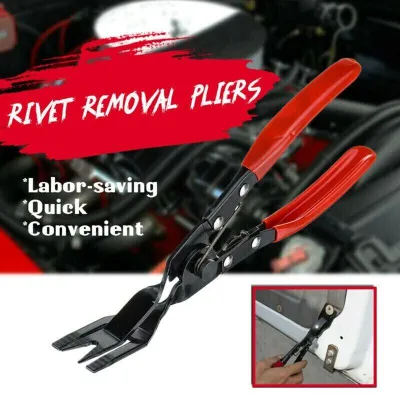
Prices are valid at publication and may change. Please refer to the product page for the latest price.
Plastic Pry Tools: Best for Delicate Surfaces
Plastic pry tools, typically molded from high-strength nylon, fiberglass-reinforced plastic, or ABS, are engineered specifically to yield before your car’s interior trim does. The primary advantage of these tools is their non-marring nature. When you wedge a nylon wedge or pry bar between a dashboard panel and the subframe, the plastic edge flexes slightly, distributing the prying force across a wider surface area. This prevents the concentrated pressure points that lead to cracked trim pieces, chipped paint, or permanent indentations on soft vinyl surfaces.

However, this safety feature also represents the tool’s primary limitation. Because plastic is inherently flexible, these tools can bend, slip, or even snap when confronted with stubborn, corroded, or overtightened fasteners. Attempting to force a plastic tool to pull a heavy-duty metal spring clip often results in a rounded tool edge or a broken tip, leaving the fastener firmly in place.
For this reason, plastic pry tools are best reserved for light-to-medium duty interior applications. They are the ideal instrument for removing delicate radio bezels, popping off door panel clips, lifting interior map light covers, and detaching decorative dashboard moldings. Using them ensures that the visible cabin surfaces remain pristine and free of the telltale gouges that ruin a car’s interior aesthetic.
Metal Clip Removers: Built for Stubborn Fasteners
When plastic tools reach their physical limits, metal clip removers become indispensable. Typically forged from carbon steel or chrome vanadium, these tools feature a rigid shaft and a specialized V-shaped or U-shaped fork designed to slide beneath the head of a fastener. The primary benefit of a metal tool is its unyielding leverage. When dealing with heavy-duty metal spring clips, tight plastic anchors, or fasteners clogged with road grime and rust, a metal remover allows you to apply significant upward force without any risk of the tool flexing or breaking.
This extreme rigidity, however, comes with a substantial risk of collateral damage. If a metal fork slips or is pressed directly against a soft plastic dashboard or painted metal panel, it will easily scratch, gouge, or crack the surrounding material. The hard steel edge concentrates all the leverage onto a tiny surface area, which can easily crush delicate substrates.
Consequently, metal clip removers are best suited for areas where durability and raw power are required, and where minor cosmetic imperfections on the underlying frame are hidden from view. Ideal applications include removing under-hood weatherstripping clips, detaching heavy-duty undercarriage splash guards, pulling stubborn door-sill fasteners, and releasing high-tension metal upholstery clips beneath the seats.
Direct Comparison: Plastic vs Metal Clip Removers
To help you decide which tool to deploy for your next DIY project, it is helpful to compare their core characteristics side by side.
| Feature | Plastic Pry Tools | Metal Clip Removers |
|---|---|---|
| Surface Safety | High (Non-marring, flexes under excess load) | Low (High risk of scratching or gouging) |
| Leverage & Strength | Low to Moderate (Will bend or snap under high force) | High (Unyielding forged steel construction) |
| Durability | Moderate (Edges and tips wear down over time) | Very High (Resistant to wear, bending, and rust) |
| Typical Price Range | ₱150 to ₱600 (Multi-piece sets) | ₱250 to ₱800 (Individual specialized pliers or bars) |
| Best For | Interior trim, dashboards, electronics, leather surrounds | Undercarriage, engine bay, metal spring clips, wheel wells |
While entry-level plastic sets are highly affordable, premium reinforced nylon kits offer better longevity. Metal tools, particularly those designed as specialized clip removal pliers, provide superior mechanical advantage but require a higher initial investment. Ultimately, the performance and safety of either tool depend heavily on the edge geometry, the quality of the manufacturing material, and the user’s technique.
How to Choose the Right Tool for Your Toolbox
Building an efficient and safe automotive tool collection requires a systematic approach based on your planned maintenance tasks and your vehicle’s specific design.
Choose Plastic if:
- You are primarily performing interior upgrades, such as installing a new infotainment system, routing dashcam wires, or replacing cabin light bulbs.
- Your vehicle features delicate interior materials like leather, soft-touch vinyl, or high-gloss wood and chrome veneers.
- You want an affordable, multi-piece kit that offers various wedge shapes and angles for tight gaps.
Choose Metal if:
- You frequently work on mechanical components, suspension systems, engine bays, or underbody splash shields.
- You are dealing with older, high-mileage vehicles where road debris, heat, and rust have fused the fasteners to the chassis.
- You need specialized prying action, such as clip removal pliers that squeeze and lift the fastener simultaneously.
Verify first if:
- Your vehicle's service manual specifies a proprietary tool or a precise removal sequence for complex trim assemblies.
- The clips you are targeting are designed to be reusable or if they are single-use fasteners that must be replaced entirely after extraction.
For most DIY enthusiasts, the most practical approach is to start with a comprehensive, multi-piece plastic trim removal set. This allows you to handle the vast majority of interior cosmetic tasks safely. As your repair skills expand to include under-hood maintenance or exterior bodywork, you can then supplement your toolbox with a high-quality metal clip removal tool or specialized prying pliers.
Safe Removal Techniques to Prevent Interior Damage
Regardless of whether you choose a plastic or metal tool, employing the correct technique is vital to avoid damaging your vehicle’s panels or breaking the clips. Always begin with a thorough visual inspection of the fastener. Determine if it is a simple push-pin, a threaded screw-type rivet, or a hidden spring clip. Understanding how the fastener locks into place prevents you from applying force in the wrong direction and snapping the mounting tab.
When you must use a metal clip remover near visible or delicate surfaces, always introduce a protective buffer. Placing a thick microfiber cloth or applying several layers of masking tape over the pivot point of the tool distributes the pressure and prevents the metal shaft from gouging the surrounding trim. Work slowly and apply gradual, even pressure rather than sudden, jerky tugs, which can cause the tool to slip and strike adjacent panels.
Finally, recognize when to pause. If a clip refuses to budge under reasonable force, do not attempt to muscle it out. The fastener may be seized, structurally compromised, or held in place by a hidden screw. In these situations, stop immediately and consult your vehicle’s factory service manual or seek assistance from a qualified automotive professional to prevent costly structural damage to your interior panels.
Frequently Asked Questions (FAQ)
Can I use a flathead screwdriver instead of a dedicated clip remover?
Using a standard flathead screwdriver as an improvised clip remover is highly discouraged for automotive work. Screwdrivers lack the specialized wide, curved fork geometry of a dedicated clip remover, which is designed to distribute prying force evenly around the entire collar of the fastener. A flathead screwdriver concentrates all the pressure on a single, narrow point, which almost guarantees that you will bend, tear, or snap the plastic clip head. Furthermore, the sharp, hard steel shaft of a screwdriver easily slips off the fastener, leading to deep scratches on your dashboard, door panels, or painted metal surfaces. Investing in a dedicated tool is a minor expense that prevents highly visible and costly interior damage.
How do I remove a broken plastic push-clip from a panel?
When a plastic push-clip degrades and breaks during removal, extracting the remaining stem requires a careful, patient approach. Avoid the temptation to dig blindly into the mounting hole with sharp metal tools, as this can easily enlarge or deform the hole, preventing new clips from seating securely. Instead, use a pair of needle-nose pliers to firmly grip the exposed portion of the broken stem or collar, then gently wiggle and pull it straight out. If the clip is flush or recessed within the panel, a specialized screw extractor or a small, carefully placed drill bit can be used to grip the center of the broken plastic core, allowing you to pull the remaining fragments out cleanly without harming the surrounding substrate.
Community discussion
Share your experience or ask a question. Comments are reviewed before publication.