
Commuting by motorcycle in the Philippines means facing sudden, intense tropical downpours, especially during the monsoon season. For daily riders navigating urban traffic, choosing the right rain coat for men is a balance between staying dry, staying cool in high humidity, and managing limited storage space. To find the ideal gear, you must first evaluate your specific daily route and weather exposure. A short, low-speed crawl through congested city streets demands different gear than a long, high-speed highway commute.
Consider your typical ride duration. If you are on the road for less than fifteen minutes, quick deployment might be your top priority. For longer rides, continuous exposure to heavy rain will test the limits of any waterproof material. Urban traffic conditions also play a major role; frequent stops and low-speed maneuvering require gear that does not restrict your movement or block your view of the road. Finally, think about your daily routine once you arrive at work. You need a solution that fits within your motorcycle’s under-seat compartment or top box, and one that does not leave you dripping wet as you walk into an office environment.
Comparing Raincoat Styles for Motorcycle Riding
To choose the right rain coat for men, it helps to compare the three primary designs: ponchos, standalone jackets, and two-piece suits. Each style offers a different balance of protection, ease of use, and aerodynamic stability. When evaluating these options, consider how they interact with your standard riding gear, such as your helmet, gloves, and riding boots, as well as your daily work attire. The right choice should keep you dry without compromising your control of the motorcycle or your overall safety on wet roads.
Products mentioned in this guide
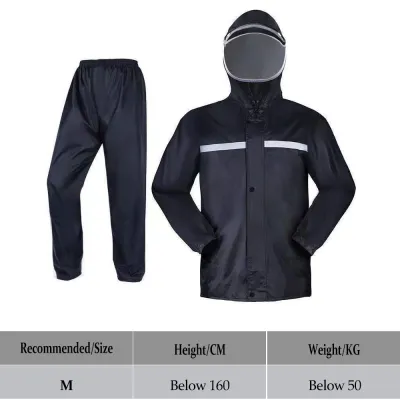
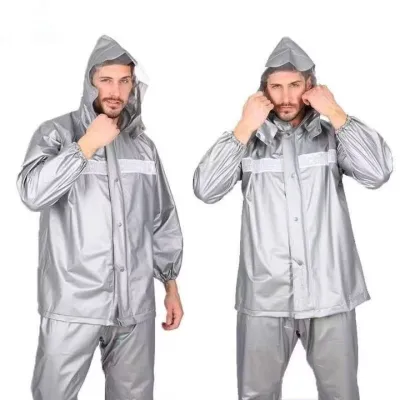
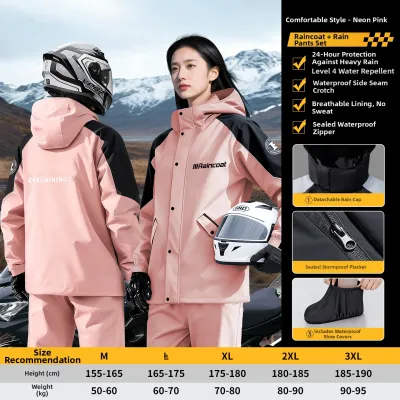
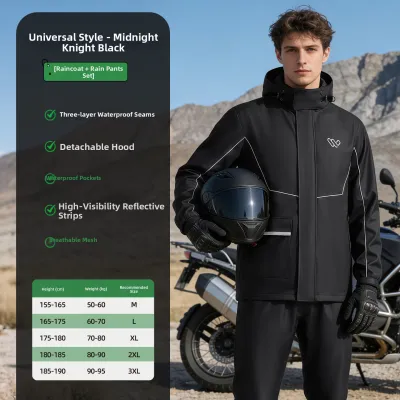
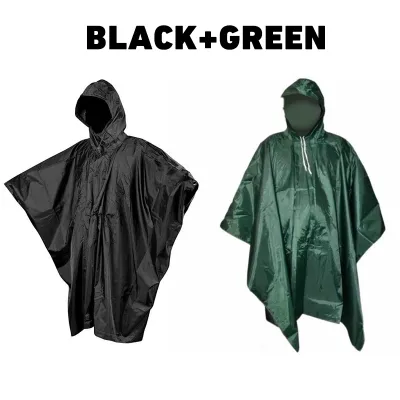
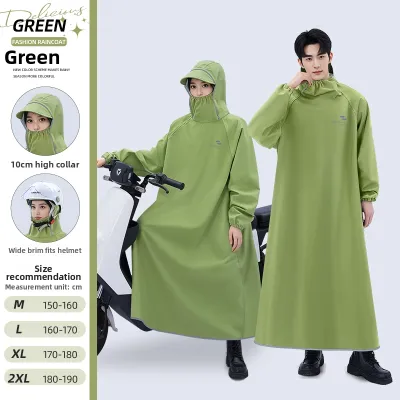
Prices are valid at publication and may change. Please refer to the product page for the latest price.
Rain Ponchos: Quick Coverage and Airflow
Rain ponchos are a common sight on city streets due to their simplicity. The primary advantage of a poncho is how quickly you can put it on over your regular clothes, work backpack, and even light riding gear. Because they are open at the bottom, they offer excellent ventilation, which is a significant benefit in the hot, humid climate of the Philippines. This open design helps prevent the buildup of sweat that often occurs in fully sealed garments.
However, ponchos have severe limitations when riding a motorcycle. At typical riding speeds, the loose fabric creates significant wind flap, which can distract you, reduce your stability, and even block your mirrors or headlight. There is also a risk of the loose fabric snagging on passing vehicles, handlebars, or your own motorcycle’s moving parts. Furthermore, ponchos offer very little protection for your lower legs and arms, leaving you vulnerable to road spray and heavy side-winds. For these reasons, ponchos are best suited for very short distances, low-speed urban riding, and situations where you need rapid deployment during sudden, light showers.
Rain Jackets: Everyday Versatility and Convenience
A standalone rain jacket offers a more tailored, aerodynamic fit than a poncho. This design significantly reduces wind resistance and eliminates the dangerous flapping fabric associated with loose capes. Many riders appreciate that a high-quality rain jacket can double as a regular windbreaker or casual jacket once they arrive at the office, making it a highly versatile option for mixed commuting where you transition frequently between riding and walking.
The main limitation of a standalone jacket is that it only protects your upper body. To achieve full weather protection, you must pair it with separate rain pants. Without them, water running off the jacket will pool at your waist-seat junction, leading to a wet lap during even moderate rides. Additionally, water can easily find its way up the hem of the jacket if it is not secured properly. A rain jacket is ideal for moderate rain and shorter commutes where convenience and off-bike usability are your primary concerns.
Two-Piece Rain Suits: Maximum Protection for Heavy Downpours
For riders facing long commutes and severe monsoon weather, a two-piece rain suit is the standard for complete protection. This setup consists of a dedicated jacket and matching trousers, providing full upper and lower body coverage. Because the suit fits snugly against your body, it offers excellent aerodynamic stability at highway speeds and prevents water from pooling at the waist. The secure closures at the wrists, ankles, and neck ensure that wind-driven rain cannot easily penetrate the suit.
The trade-offs for this level of protection are bulk and convenience. Two-piece suits are generally heavier and take longer to put on when a sudden downpour begins. In the tropical heat of the Philippines, the complete seal can also lead to high heat retention and sweating, especially during slow-moving traffic. However, if you have a long highway commute or cannot afford to arrive at work with damp clothes, the two-piece suit remains the most reliable option for staying dry in heavy downpours.
Critical Features to Verify on Product Labels
When shopping for a rain coat for men, reading the manufacturer’s specifications and product labels is essential to ensure the gear can withstand the demands of motorcycle riding. First, verify that the garment features fully sealed or taped seams. Standard stitching leaves tiny holes that water will eventually penetrate under the pressure of riding wind; taped seams seal these entry points to keep water out.

Next, examine the closure systems. Look for heavy-duty zippers protected by external storm flaps that secure with hook-and-loop fasteners or snap buttons. This double-barrier design prevents water from forcing its way through the zipper teeth. Adjustable wrist and ankle cuffs are also critical; they allow you to create a tight seal over your gloves and boots, preventing water from riding up your limbs as you travel.
Visibility is another vital safety factor during rainy-day commutes. Check the product specifications for high-visibility colors, such as neon yellow or orange, and integrated reflective elements. These features are highly recommended for low-light, low-visibility conditions common during heavy tropical storms. Finally, always review the care labels for specific washing and maintenance instructions. Many waterproof coatings can be damaged by standard laundry detergents or fabric softeners, so verifying the manufacturer’s cleaning guidelines before purchase will help preserve the garment’s performance.
Safety Boundaries and Gear Maintenance
Riding a motorcycle in the rain carries inherent risks that require adjustments to both your riding style and your gear maintenance. Wet roads significantly reduce tire traction, meaning you must lower your speed and increase your following distance to allow for longer braking times. Reduced visibility is another major challenge, often worsened by rain on your helmet visor and internal fogging. Ensure your helmet visor is clean, and consider using anti-fog inserts or treatments approved by your helmet manufacturer.
Proper maintenance is key to extending the lifespan of your rain gear. After every ride, follow the manufacturer’s drying instructions. Always hang your raincoat in a well-ventilated indoor area to dry completely before folding or storing it. Never seal wet or damp gear inside an under-seat compartment, top box, or backpack, as this creates a breeding ground for mold, mildew, and unpleasant odors, which can rapidly degrade the waterproof membranes and seam tapes.
Regularly inspect your gear for signs of wear. If you notice that the waterproof coating is peeling, the seam tape is lifting, or the reflective elements are flaking off, the gear’s protective capabilities are compromised. In these cases, stop using the gear and consult the manufacturer’s guidelines for repair or replacement. Taking care of your rain gear ensures it remains reliable when you need it most on your daily commute.
Frequently Asked Questions (FAQ)
Can I use a regular hiking rain jacket for motorcycle commuting?
While a hiking rain jacket is designed to keep you dry while walking, it is generally not built to handle the unique forces of motorcycle riding. Hiking jackets often lack the aerodynamic fit required for riding speeds, leading to excessive wind flapping that can fatigue the rider and damage the fabric. They also typically feature lighter materials that may not withstand the high wind pressure and friction experienced on a motorcycle. Before relying on outdoor or hiking gear for your daily commute, check the manufacturer’s specifications to see if it is rated for high-speed wind and motorcycle use.
How do I prevent my raincoat from smelling musty after daily use?
To prevent musty odors, always air-dry your raincoat completely in a well-ventilated space immediately after use. Avoid exposing the garment to direct heat sources, such as hair dryers or intense direct sunlight, as extreme heat can melt waterproof coatings and damage delicate seam tapes. If the jacket accumulates road grime or sweat, check the care label for approved cleaning methods. Many manufacturers recommend hand washing with mild, non-detergent soaps specifically formulated for technical outerwear to safely remove dirt without stripping the waterproof barrier.

Community discussion
Share your experience or ask a question. Comments are reviewed before publication.