
Determining if a specific engine coolant can handle sustained tropical temperatures requires looking beyond the fluid’s color. Prestone Green Coolant can be highly suitable for the hot climate of the Philippines, but its effectiveness depends entirely on your vehicle’s specific engineering requirements, the exact formulation of the coolant, and maintaining the correct mixing ratio. In an environment where ambient temperatures frequently soar and heavy stop-and-go traffic puts extreme stress on engines, relying solely on the green color of a fluid is not enough. To ensure your engine remains protected against overheating and boiling over, you must verify the technical specifications, boiling point limits, and chemical compatibility detailed on the product label against your vehicle manufacturer’s guidelines.
Cooling System Demands in Tropical Climates
Operating a vehicle in a tropical climate introduces severe thermal challenges that standard automotive systems must constantly combat. The combination of high ambient temperatures, intense solar radiation, and dense urban traffic creates an environment where engines run naturally hotter. When the outside air is already warm, the temperature differential between the radiator and the surrounding atmosphere is significantly reduced, which directly impairs the radiator’s ability to shed heat.
In major metropolitan areas, stop-and-go traffic further compounds this issue. Without the natural airflow generated by highway driving, the cooling system must rely entirely on its radiator fans to pull air through the cooling fins. This lack of consistent airflow causes heat to build up rapidly within the engine bay, forcing the coolant to work at the upper limits of its thermal capacity.
Products mentioned in this guide
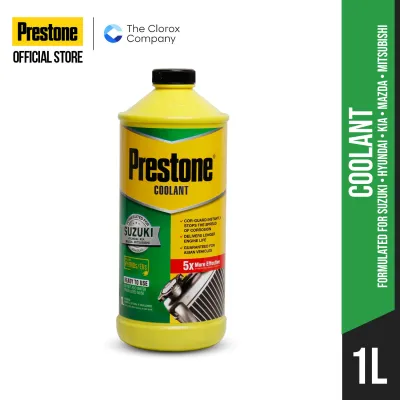
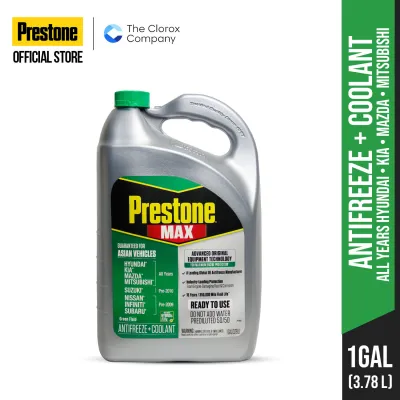
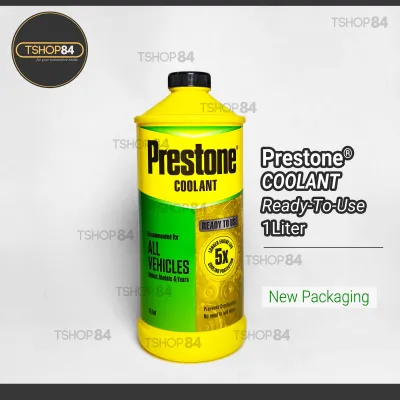
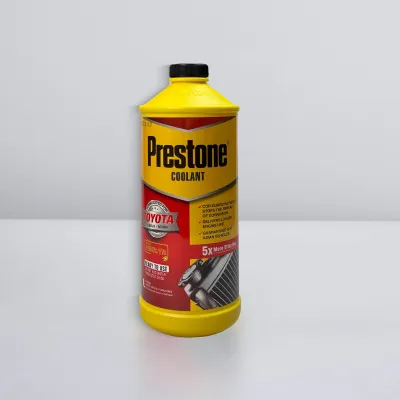
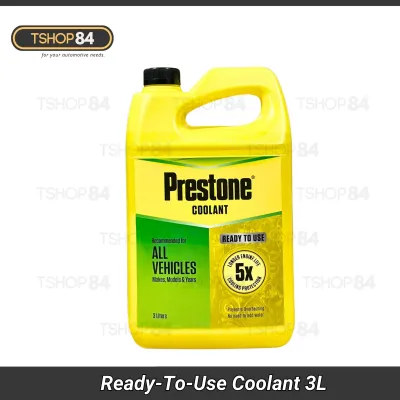
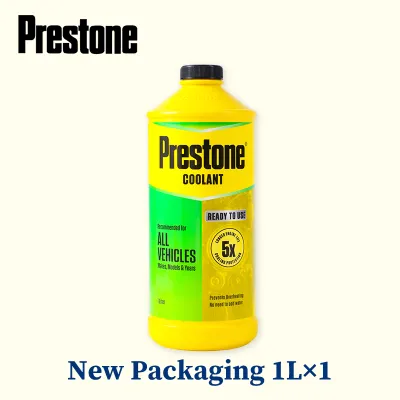
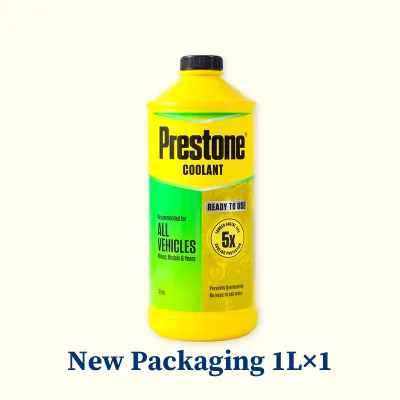
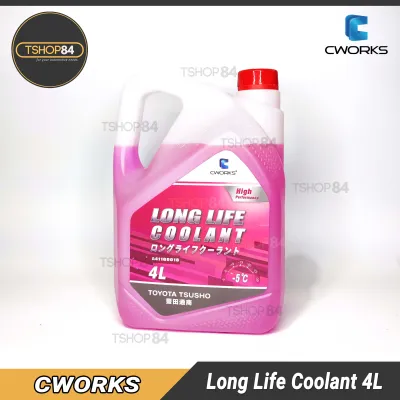
Prices are valid at publication and may change. Please refer to the product page for the latest price.
Under these extreme conditions, localized boiling becomes a major threat to engine health. If the coolant’s boiling point is too low, the fluid can turn to vapor in the hottest areas of the engine, such as around the cylinder heads and exhaust ports. This vapor forms pockets of gas that act as thermal insulators, preventing the liquid coolant from making contact with the metal surfaces and leading to rapid, localized overheating.
To prevent this, a high-quality coolant must possess a high boiling point under pressure. The pressurized environment of a sealed cooling system naturally raises the boiling point of water, but the addition of ethylene glycol and specialized additives is what provides the necessary margin of safety. This ensures the fluid remains in a liquid state, allowing it to continuously absorb and transport heat to the radiator.
Furthermore, the high humidity and elevated temperatures of a tropical climate accelerate chemical degradation and corrosion. Oxygen, moisture, and heat create a highly corrosive environment for the diverse metals found in modern cooling systems, including aluminum, steel, cast iron, copper, and brass. Robust corrosion inhibitors are essential to form a protective microscopic barrier over these metal surfaces, preventing rust and scale from forming.
Rubber hoses, gaskets, and plastic components are also vulnerable to thermal degradation. Over time, constant exposure to hot coolant can cause these materials to become brittle, soft, or prone to swelling. A properly formulated coolant must contain chemical stabilizers that protect these non-metallic components, ensuring the entire system remains sealed and pressurized.
Verifying Prestone Green Coolant Heat Specifications
When evaluating Prestone Green Coolant for use in hot climates, you must look beyond the color of the fluid to verify its actual performance capabilities. Historically, green was the standard color for traditional coolants, but modern manufacturing processes mean that color alone is no longer a reliable indicator of chemical composition or heat resistance. To make an informed decision, you must carefully read the physical product label on the back of the bottle.

Start by locating the technical specifications printed on the packaging, specifically the boiling point and freeze protection ranges. The label will typically display the boiling point of the fluid when mixed at a standard concentration, such as a 50/50 ratio, under a pressurized radiator cap. Ensure that this rated boiling point aligns with or exceeds the operating temperatures specified in your vehicle’s service manual.
It is also important to identify the specific coolant technology utilized in the formulation. Traditional green coolants are often formulated with Inorganic Additive Technology (IAT), which uses fast-acting inorganic inhibitors like silicates and phosphates. While highly effective at protecting metal surfaces immediately upon installation, these inhibitors deplete relatively quickly, requiring more frequent replacement intervals.
Some newer formulations dyed green may use hybrid technologies or Organic Acid Technology (OAT) designed for extended service life. The product label will clearly state whether the fluid is a traditional IAT formula, an OAT formula, or a Hybrid Organic Acid Technology (HOAT) formula. Understanding this distinction is crucial because different technologies cannot be mixed without risking chemical incompatibility.
Additionally, look for industry standard certifications and manufacturer approvals printed on the bottle. Standards such as ASTM D3306 or ASTM D4985 indicate that the coolant has undergone standardized testing to verify its performance, corrosion protection, and thermal stability. If your vehicle manufacturer requires a specific certification, verify that this exact code is listed on the Prestone label before purchasing.
Never rely on generic marketing claims on the front of the bottle. Always turn the packaging over to read the detailed instructions, dilution charts, and chemical warnings. This disciplined approach ensures that you are selecting a fluid based on verified technical specifications rather than visual assumptions or brand familiarity.
Adjusting Mixing Ratios for Maximum Boiling Protection
The ratio of coolant concentrate to water is one of the most critical factors determining the boiling point and overall heat transfer efficiency of your cooling system. Many drivers in tropical climates mistakenly believe that using more concentrate always results in better cooling performance. In reality, finding the correct balance is a precise science that directly impacts how well your engine sheds heat.
A standard 50/50 mixture of coolant concentrate and water is the baseline recommendation for most passenger vehicles. This ratio provides an optimal balance, raising the boiling point of the fluid significantly above that of pure water while maintaining excellent heat capacity. For the vast majority of daily driving scenarios in the Philippines, a 50/50 mix offers robust protection against overheating.
In situations where your vehicle is subjected to extreme thermal stress—such as towing heavy loads, climbing steep mountain passes, or enduring prolonged idling in intense heat—you may consider adjusting the ratio. Most manufacturers allow a maximum concentration of up to 70/30 (70% coolant concentrate to 30% water). This higher concentration further elevates the boiling point, providing an extra safety buffer against localized boiling.
However, you must never exceed this 70% limit, and you should never run 100% pure coolant concentrate in your radiator. Pure ethylene glycol has a much lower specific heat capacity than water, meaning it is significantly less efficient at absorbing and carrying heat away from the engine. Running straight concentrate will cause the engine to run hotter, increasing the risk of thermal damage to critical components.
Conversely, running straight water or an excessively diluted mixture is equally dangerous. While water is an excellent heat conductor, it has a relatively low boiling point and offers absolutely no protection against corrosion, rust, or scale buildup. Over time, running straight water will lead to severe internal corrosion, water pump failure, and clogged radiator passages, ultimately causing the system to fail.
When diluting coolant concentrate, the quality of the water you use is paramount. You must use distilled or demineralized water rather than ordinary tap water or mineral water. Tap water contains dissolved minerals like calcium, magnesium, and chlorides that react to the high temperatures inside your engine, forming hard scale deposits that insulate the cooling passages and restrict fluid flow.
Matching Coolant Technology to Your Vehicle
Selecting the right coolant is not just about heat protection; it is also about chemical compatibility with your vehicle’s specific engineering. Modern automotive manufacturers design cooling systems using a wide variety of materials, and using an incompatible fluid can lead to severe chemical reactions and physical damage. Your primary source of truth must always be your vehicle owner’s manual.
Open your owner’s manual and locate the section dedicated to engine fluids and maintenance specifications. Here, the manufacturer will list the exact type of coolant required, often using technical terms like IAT, OAT, HOAT, or specific manufacturer part numbers and specification codes. This requirement is based on the specific metallurgy of your engine block, cylinder head, and radiator.
It is vital to understand that fluid color is not a standardized system across the automotive industry. While green was once synonymous with traditional IAT coolants, today you can find OAT, HOAT, and other advanced formulations dyed in green, blue, pink, red, yellow, or orange. Relying on color to determine compatibility can easily lead to mixing incompatible chemical packages.
If you mix incompatible coolant technologies, the chemical inhibitors can react with one another, causing them to precipitate out of the solution. This often results in the formation of a thick, gelatinous sludge or silty deposits that settle in the narrow passages of your radiator and heater core. Once these passages are blocked, coolant flow is restricted, leading to rapid engine overheating and costly repairs.
If your owner’s manual specifies a coolant technology that does not seem to match the options available on the shelf, or if you are unsure of what fluid is currently in your system, do not guess. Stop and consult a qualified professional mechanic or your vehicle’s authorized dealership. They can verify the correct specification and perform a professional system flush to ensure no incompatible fluids remain.
High-Temperature Cooling System Maintenance
Even the highest-quality coolant cannot protect your engine if the physical components of the cooling system are neglected. Regular maintenance and visual inspections are essential to ensure the system remains pressurized, sealed, and capable of handling extreme tropical heat. Developing a simple monthly inspection routine can help you catch potential issues before they turn into road-side emergencies.
Before performing any inspection or maintenance on your cooling system, you must ensure the engine is completely cold. A hot cooling system is under high pressure, and opening the radiator cap or expansion tank while the engine is warm can cause boiling coolant and steam to spray out violently, resulting in severe, life-altering burns. Always let the vehicle sit for several hours before touching these components.
Begin your inspection by checking the coolant level in the transparent plastic expansion reservoir. The fluid level should rest between the minimum and maximum markings molded into the plastic. If you find that the level is consistently low, do not simply top it off; inspect the entire system for slow leaks, which often manifest as crusty, colored deposits around hose connections and gaskets.
Next, conduct a thorough visual inspection of all cooling system hoses, clamps, and fittings. Squeeze the hoses gently to check for soft spots, which indicate internal degradation, and look for visible cracks, swelling, or hardening. Ensure that all hose clamps are securely positioned and free of heavy rust that could compromise their holding strength.
The radiator cap is a critical but often overlooked component of the system. It contains a spring-loaded valve designed to maintain a specific pressure within the system, which directly raises the boiling point of the coolant. Inspect the rubber seals on the underside of the cap for cracks, tears, or brittleness, and replace the cap with an identical pressure-rated unit if any wear is detected.
Finally, observe the physical appearance and clarity of the coolant inside the reservoir. Healthy coolant should be bright, clear, and free of debris. If the fluid appears muddy, brown, or contains floating particles, it indicates that the corrosion inhibitors have depleted and rust is forming inside the system. An oily film on the surface of the coolant can indicate a blown head gasket, which requires immediate professional diagnosis.
Frequently Asked Questions (FAQ)
Can I mix Prestone Green with other coolant colors?
Mixing Prestone Green with other coolant colors is generally not recommended unless the specific product label explicitly states it is compatible with all makes, models, and coolant colors. Mixing different chemical technologies, such as traditional inorganic green coolant with organic acid technology (OAT) fluids, can trigger chemical reactions that form a thick gel or accelerate corrosion. If you are unsure of the fluid currently in your vehicle, the safest course of action is to have a qualified mechanic perform a complete system flush before refilling.
Does a hot climate require more frequent coolant flushes?
While the intense heat and humidity of a tropical climate place additional thermal stress on your engine, you should primarily follow the service intervals specified in your vehicle owner’s manual. However, because high operating temperatures can accelerate the breakdown of corrosion inhibitors, you should supplement these guidelines with regular visual inspections. If the fluid becomes discolored, cloudy, or shows signs of rust before the scheduled service interval, you should proceed with an early flush and replacement to protect your engine.

Community discussion
Share your experience or ask a question. Comments are reviewed before publication.