
The choice between projector and reflector fog lights depends on your vehicle’s physical bumper space, your typical driving environment, and how strictly you need to control light scatter. Projector fog lights use a condenser lens and an internal shield to project a highly focused beam with a sharp, flat cutoff line that prevents light from rising into oncoming drivers’ eyes. Reflector fog lights rely on a specially shaped mirrored bowl to bounce light forward in a wider, more dispersed pattern, making them easier to fit into shallow bumpers and generally more budget-friendly.
Upgrading your vehicle’s auxiliary lighting requires understanding how these two optical designs interact with moisture, road surfaces, and your vehicle’s electrical system. Fog lights serve a distinct purpose compared to standard headlights, as they are designed to illuminate the road surface immediately in front of the vehicle and to the sides without bouncing light back into your eyes during low-visibility conditions. Choosing the wrong design can lead to poor visibility, electrical issues, or blinding oncoming traffic.
Optical Design and Beam Pattern Differences
To understand how these two systems perform, it is helpful to look at their internal physical structures. A projector fog light housing contains a light source, a curved reflector bowl behind the bulb, an internal cutoff shield, and a thick convex lens at the front. The internal reflector bowl focuses the light directly onto the cutoff shield, which physically blocks the upper half of the beam. The convex lens then projects and reverses this light, creating a sharp, horizontal cutoff line that keeps the light low and concentrated on the road surface.
Products mentioned in this guide
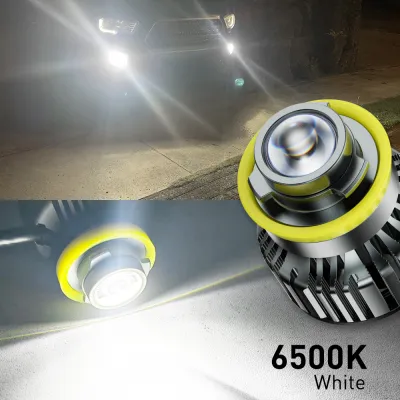
34 Lazada user ratings
Brightness: very bright, really impressed. Compatibility: no issues with my 2019 crv, really plug and play. Note: you will hear the fan nois…Read full reviewShow less
Brightness: very bright, really impressed. Compatibility: no issues with my 2019 crv, really plug and play. Note: you will hear the fan noise outside when the fog light is in use.
Compatibility: Easy to install, Universal compatibility, Seamless installation, Brightness: Bright and clear, Durability: Hope will last
Thank you seller..
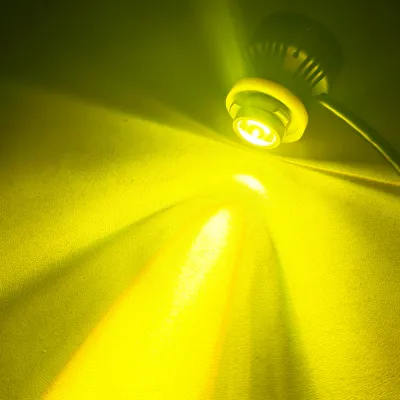
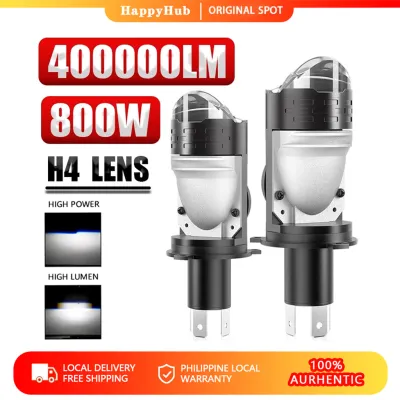
23 Lazada user ratings
Quality: feels heavy Appearance: looks legit Suitability: have not installed yet Have not installed nor tested. Hope it will work. Priced we…Read full reviewShow less
Quality: feels heavy Appearance: looks legit Suitability: have not installed yet Have not installed nor tested. Hope it will work. Priced well and hope it will last. Hope it will be compatible with my 2009 innova. Thank you seller!
goods Kaso lang 60watts lang na order ko...much better Yung higher wattage para lalong masinag ang ilaw
..grabi,,it's legit.. I'm very satisfied with this led bulb,, super bright jud.. salamat!!.
Brightness:subrang lakas
Compatibility: ok
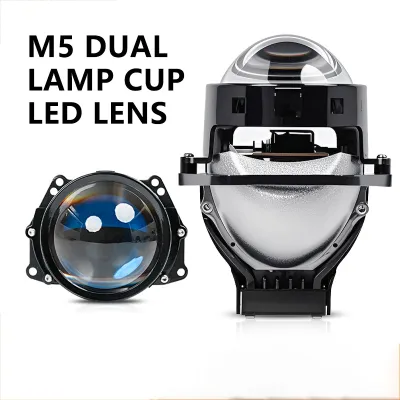
22 Lazada user ratings
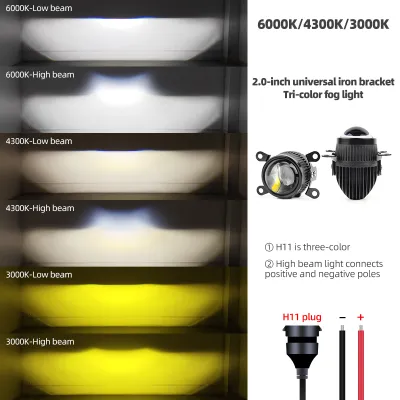
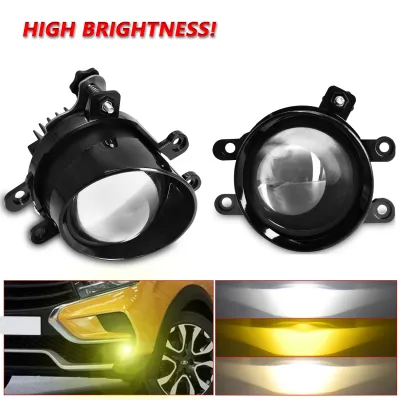
just fit on our ecosport, mas malakas sa stock fog n headlights, clear cut off hindi nakakasilaw sa kasalubong, sana magtagal🙏
The condition is normal, I haven't tried using it yet.
good na good salamat
goods na goods
8 Lazada user ratings
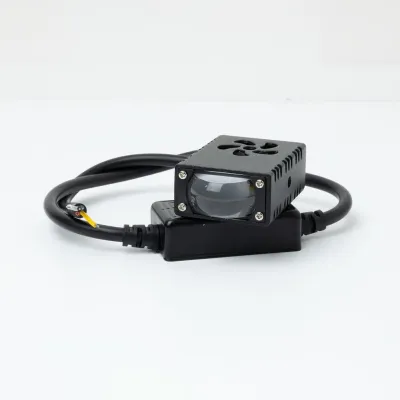
maganda malakas kinabit ko sa ebike ko
done thanks
Prices are valid at publication and may change. Please refer to the product page for the latest price.
Reflector fog lights utilize a simpler but highly engineered design. The bulb sits in the center of a large, multi-faceted mirrored bowl. The shape of these facets determines where the light is directed as it bounces off the reflective surfaces. Because there is no physical shield blocking the light, some upward scatter is inevitable, resulting in a wider, softer beam pattern that gradually fades at the edges rather than ending abruptly.
These structural differences directly affect the depth of the light housing. Projector assemblies are significantly deeper because they must accommodate the bulb, the rear reflector, the shield, and the front lens in a linear sequence. Reflector housings can be much shallower because the bulb sits close to the back of the bowl, allowing the entire unit to remain relatively flat. This physical difference dictates not only where the light goes but also whether the housing will physically fit inside your bumper.
Visibility Performance in Different Driving Conditions
In the Philippines, heavy monsoon rains and thick mountain fog present severe visibility challenges on the road. When light hits water droplets, it scatters. If your fog lights throw light upward, that light bounces directly back into your eyes, creating a blinding white wall of self-glare. The sharp cutoff of a projector fog light keeps the beam low, sliding underneath the fog layer and minimizing this back-reflection.

On dark provincial roads where streetlights are absent, a wide beam pattern is highly beneficial. Reflector fog lights excel at illuminating the immediate shoulders of the road, helping you spot deep potholes, debris, or pedestrians walking along the unpaved edges. While projector fog lights also offer wide side-to-side illumination, their primary strength is a more intense, concentrated throw directly in front of the vehicle.
Controlling glare is a critical safety and legal requirement. The Land Transportation Office (LTO) regulates auxiliary lighting to prevent blinding other road users. Because projector fog lights have a distinct cutoff line, they are much easier to align below the sightline of oncoming drivers. Reflector fog lights, with their wider scatter, must be carefully aimed and used strictly in low-visibility conditions to avoid violating local road safety guidelines or causing discomfort to oncoming traffic.
Installation Space and Vehicle Compatibility Checks
Before purchasing any upgrade, you must physically measure the space behind your bumper cover. Projector fog light assemblies require substantial depth. If your vehicle came equipped with shallow factory reflector units, a projector upgrade might press against windshield washer fluid reservoirs, structural bumper supports, or wheel well liners. Always measure the mounting depth and compare it with the specifications of the upgrade kit.
Upgrading your fog lights can alter the electrical load on your vehicle’s system. If you are transitioning from low-wattage factory halogen bulbs to high-output projector units, you must verify that your existing wiring harness can handle the current draw. Using a dedicated wiring harness with an inline fuse and a heavy-duty relay is highly recommended to protect your vehicle’s factory electrical system from overheating or short-circuiting.
Many aftermarket projector fog lights are designed as direct-fit replacements for specific vehicle models, utilizing the original mounting points. However, universal kits often require custom brackets or modifications to the bumper bezel. Always consult your vehicle’s original equipment manufacturer (OEM) documentation to understand the mounting structure. Because modifying electrical systems and structural bumper components carries safety risks, consult a qualified automotive electrician or professional installer if the upgrade requires cutting factory wires or modifying structural brackets.
Decision Framework: Which Upgrade Fits Your Car?
To finalize your choice, consider how your driving habits and vehicle specifications align with each design. Opt for a projector fog light if you frequently drive on poorly lit highways, encounter dense fog or heavy rain, and want a modern, sharp beam pattern that minimizes glare for oncoming drivers. This option is ideal for vehicles with deep bumper cavities that can easily accommodate the longer housing.
Select a reflector design if your vehicle has limited bumper clearance, you primarily need wide-angle illumination to spot roadside hazards at lower speeds, and you prefer a straightforward, cost-effective installation that matches the traditional aesthetic of your vehicle.
Before making a final decision, check if your vehicle features integrated daytime running lights (DRLs) or cornering light functions within the fog light housing. These integrated systems often require specialized multi-function wiring harnesses that complicate a standard upgrade.
High-quality projector fog light assemblies generally command a higher price point in the local market, often ranging from ₱2,500 to ₱8,000 or more depending on the housing material and light source. Reflector units are typically more accessible, often priced between ₱1,000 and ₱3,500. When calculating the total investment, remember to factor in the cost of additional wiring relays, mounting adapters, and potential professional installation fees to ensure a safe and durable setup.
Frequently Asked Questions (FAQ)
Can I install projector fog lights in a housing designed for reflectors?
Directly swapping a projector lens or a high-intensity bulb into a standard reflector housing is highly discouraged. Reflector bowls are optically engineered to scatter light from a specific focal point; placing a different light source or attempting to retrofit a projector lens inside a sealed reflector housing often results in severe optical distortion, uncontrolled glare, and poor light output. Additionally, physical space constraints inside a standard reflector housing usually prevent a secure fit. If you want the benefits of a projector beam, you should replace the entire factory housing with a fully integrated, sealed projector fog light assembly.
Do I need to adjust the aim after upgrading my fog lights?
Yes, adjusting the aim of your new fog lights is an essential safety step that must be performed immediately after installation. Even the most advanced projector fog light will blind oncoming drivers and fail to illuminate the road properly if it is aimed too high. To perform a basic visual check, park your vehicle on a level surface facing a flat wall about 7.6 meters (25 feet) away. The top of the fog light beam cutoff should sit significantly lower than the center of the fog light lens itself. If you cannot achieve a clear, level alignment or if your vehicle has a complex suspension setup, visit a professional workshop equipped with optical headlight aiming tools to ensure compliance with local road safety standards.
Community discussion
Share your experience or ask a question. Comments are reviewed before publication.