
Quick Answer: Which Material Resists Cat Claws Best?
Finding the right anti pusa seat cover nmax v2 owners can rely on requires looking closely at material structure rather than searching for a single, universally perfect product. Cats naturally target motorcycle seats because the soft, yielding foam underneath provides a satisfying resistance when they stretch and flex their claws. To prevent this, your primary defense is choosing a material that either denies them a foothold or physically blocks their claws from reaching the vulnerable foam.
Smooth, high-gauge synthetic leather and tightly woven ice silk are excellent choices if your main goal is to create a slick surface. These materials prevent claw anchoring, causing a cat’s claws to slide off harmlessly before they can puncture the surface. Alternatively, if you prefer a textile feel, a heavy-duty, flat-weave canvas offers outstanding puncture resistance and structural durability, provided the weave is tight enough to prevent individual threads from snagging.
You should generally avoid loose-weave fabrics, looped textiles, and heavily textured or perforated leathers. These textures act like a climbing wall for feline claws, inviting cats to knead and pull at the fibers. Ultimately, because individual product formulations vary, your final decision should rely on verifying the specific cover’s thickness, denier count, and manufacturer-specified scratch resistance before making a purchase.
Products mentioned in this guide
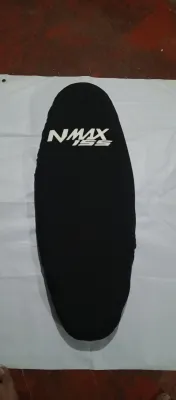
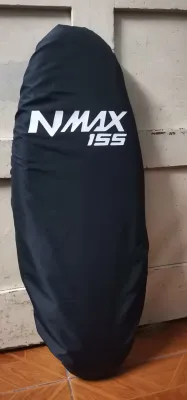
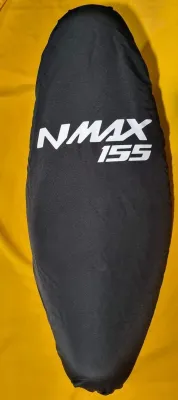
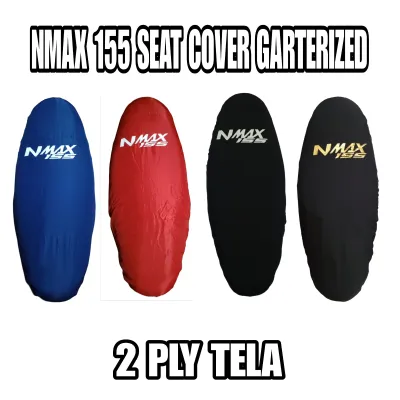
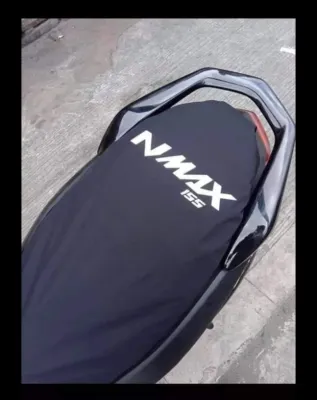
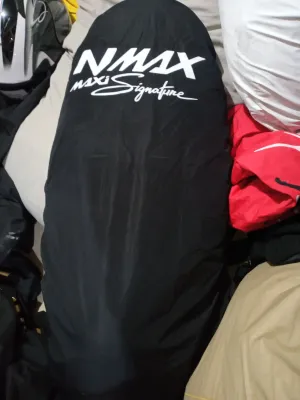
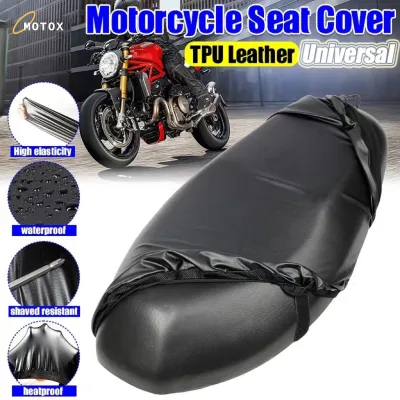
Prices are valid at publication and may change. Please refer to the product page for the latest price.
How Cat Claws Interact With Different Seat Cover Textures
To choose an effective protective cover, it helps to understand the physical mechanics of how a cat scratches. Feline claws are curved, sharp, and designed to hook into surfaces. When a cat kneads or scratches a motorcycle seat, it looks for texture that allows the claw to penetrate and anchor. If the material has loops, loose weaves, or porous surfaces, the claw easily slips between the fibers, catches on the threads, and pulls them outward, leading to immediate structural snagging and unsightly thread pulling.

There is a major difference between surface scuffing and deep punctures. Surface scuffs are shallow, cosmetic marks that often occur on smooth materials; these can usually be wiped down or conditioned without affecting the seat’s integrity. Deep punctures, however, go entirely through the cover. Once a claw pierces the outer layer, it creates a pathway for rainwater and morning dew to seep into the underlying polyurethane seat foam. In the humid, tropical climate of the Philippines, trapped moisture quickly leads to mold, foul odors, and the rapid breakdown of the original seat structure.
When evaluating any potential seat cover, look for specific physical properties that resist these mechanics. High denier counts (which measure fiber thickness) and tight, flat weaves are essential for fabric options because they leave no gaps for a claw to enter. For non-fabric options, high surface slickness and non-porous protective finishes are your best defense, as they cause the claw to slip laterally instead of sinking downward.
Evaluating the Candidates: Leather, Fabric, and Ice Silk
Selecting the right material involves weighing how each option handles daily exposure to both feline claws and the elements. Simply buying a product labeled as a motorcycle seat cover does not guarantee it will withstand sharp claws; you must look at the specific manufacturing finish, thickness, and weave density to determine its true protective value.
Synthetic and Genuine Leather Options
Heavy-duty synthetic leather, particularly high-grade polyurethane (PU) or polyvinyl chloride (PVC) marine vinyl, is a highly popular choice for protecting the Yamaha NMAX V2. The primary advantage of a smooth, non-porous synthetic leather surface is its slickness. When a neighborhood cat attempts to scratch a taut, smooth vinyl cover, the claws struggle to find purchase and tend to slide off the curved edges of the saddle without tearing the material.
However, not all leather covers perform equally. Textured, embossed, or perforated leather designs—often chosen for their sporty aesthetic—are highly vulnerable to claw damage. The tiny recesses in perforated leather or the raised ridges of embossed patterns give claws the exact leverage they need to puncture the material, leaving permanent surface scarring and open holes.
Before purchasing a leather-style cover, check the manufacturer’s specifications for material thickness, often measured in millimeters or gauge. A thicker gauge provides a deeper physical barrier before a claw can reach the original seat. Additionally, look for synthetic leathers that feature a protective polyurethane topcoat, which adds an extra layer of abrasion resistance and helps shield the material from intense tropical sunlight and heavy rain.
Fabric and Canvas Seat Covers
Standard fabric seat covers made from loose cotton blends, polyester knits, or looped textiles are poorly suited for households with cats. These materials feature open structures that invite claw snagging, allowing a cat to quickly shred the cover and pull the threads apart. Once a single thread is pulled, the structural integrity of the entire cover begins to unravel, leaving the NMAX V2 seat exposed to the elements.
Heavy-duty canvas or high-denier nylon fabrics (such as Cordura-style textiles) serve as durable exceptions to this rule. These specialized fabrics are engineered with an incredibly tight, flat weave that lacks exposed loops. Because the threads are packed so closely together, a cat’s claw cannot easily wedge between them, resulting in excellent puncture and tear resistance.
If you choose a canvas or heavy-duty textile cover, inspect the underside and edges closely. Ensure the cover features a robust fabric backing—such as a bonded polyester or rubberized layer—which prevents water penetration and adds structural stiffness. Additionally, verify that the seams are double-stitched and the edge binding is reinforced, as these high-tension areas are common targets for curious cats.
Ice Silk and Cooling Mesh Materials
Ice silk is a popular synthetic blend prized for its smooth, cool-to-the-touch texture, making it highly desirable for riders parking under the hot sun. This naturally slippery, low-friction surface is highly effective at deterring cats, as their claws cannot easily anchor into the slick fibers. The lack of grip often causes cats to lose interest quickly and seek out other surfaces to scratch.
Despite its excellent slip properties, ice silk has a notable vulnerability: thickness. Standard, single-layer ice silk covers can be relatively thin. If the underlying NMAX V2 seat foam is soft, a cat applying concentrated downward pressure can still push its claws straight through a thin ice silk layer, puncturing the seat underneath even without snagging the fabric itself.
To mitigate this risk, look for multi-layer ice silk covers. These products typically combine a smooth ice silk top layer with a high-density middle cushioning layer and a durable bottom backing. Always verify the denier thickness and check if the product description specifies multi-layer construction or enhanced abrasion resistance to ensure it can handle both claws and daily riding wear.
Key Specifications to Check Before Purchasing an Anti-Scratch Cover
When shopping for an anti pusa seat cover nmax v2 on online marketplaces or at local motorcycle accessory shops, you must look past generic marketing claims. Focus on verifiable specifications to ensure you are getting a product that will actually protect your investment.
- Material Density and Thickness: Look for explicit mentions of material gauge (for vinyl/leather) or denier count (for fabrics). For canvas or nylon covers, a denier rating of 600D or higher indicates a dense, heavy-duty weave capable of resisting punctures.
- Precise Vehicle Fitment: Ensure the cover is specifically patterned for the Yamaha NMAX V2 saddle. A universal cover will often fit loosely, creating folds and wrinkles of excess fabric. These loose wrinkles are highly attractive to cats, giving them an easy grip to bite and scratch. A custom-fit cover stretches taut across the seat contours, leaving no loose material for claws to snag.
- Secure Mounting System: Check how the cover attaches to the seat. Heavy-duty elastic hems, adjustable under-seat buckle straps, or drawstring closures help keep the cover perfectly tensioned. A secure fit prevents the cover from shifting when a cat jumps onto the bike.
- Seller Reputation and Policies: Review customer feedback specifically regarding pet durability and weatherproofing. Check the seller's return policy and warranty terms to see if they offer coverage for manufacturing defects or early material failure.
Maintaining and Repairing Scratched NMAX V2 Seat Covers
Proper maintenance is essential to prolong the life of your seat cover and keep it looking clean. To remove accumulated cat hair, dander, and outdoor dust, wipe the cover regularly with a soft microfiber cloth dampened with clean water or a mild, pH-neutral soap solution. Avoid harsh household detergents, bleach, or abrasive scrubbing pads, as these can strip away the protective UV coatings on synthetic leather or degrade the delicate fibers of ice silk covers.
If your synthetic leather cover suffers minor surface scuffs from claws, you can often minimize the appearance of the damage using a manufacturer-approved vinyl conditioner or specialized restoration wipes. These products help hydrate the synthetic material, smoothing out light abrasions and restoring the cover’s original sheen. For fabric or canvas covers, gently trim away any tiny loose threads with a pair of fine scissors to prevent them from snagging further; never pull on a loose thread, as this can unravel the weave.
Knowing when to repair versus when to replace your seat cover is crucial for protecting your motorcycle. If you notice deep punctures, structural tearing, or exposed seat foam, temporary fixes will no longer suffice. In the Philippines, where sudden tropical downpours are common, water will quickly seep through these openings and ruin the internal foam. When damage reaches this level, you should promptly replace the cover or seek professional reupholstery services to prevent costly water damage to the entire seat assembly.
Frequently Asked Questions (FAQ)
Can I use anti-scratch sprays on my NMAX V2 seat cover?
You should always check your seat cover manufacturer’s care label or documentation before applying any chemical sprays, training deterrents, or essential oils. Many commercial anti-scratch sprays contain chemical solvents or alcohol bases that can strip away the protective polyurethane topcoats on synthetic leather, degrade the synthetic fibers of ice silk, or leave a sticky residue that attracts dirt.
If the manufacturer confirms that chemical deterrents are safe to use on the material, always test the spray on a small, hidden area of the cover first (such as the underside flap) to check for discoloration or material softening. When applying an approved spray, do so carefully to avoid direct overspray onto your NMAX V2’s painted bodywork, plastic panels, or nearby electrical components, as some chemical formulas can stain paint or damage sensitive plastics.
Is a hard plastic seat shell a better alternative to fabric covers for cat owners?
While a rigid, hard plastic seat shell or cowl offers absolute immunity to cat scratches, it comes with significant practical trade-offs. Hard plastic shells severely compromise rider and passenger comfort, offer very little grip during acceleration or braking, and do not adapt well to changing weather conditions. Additionally, rigid aftermarket cowls may not be safely or legally designed for all Yamaha NMAX V2 model years, particularly regarding passenger seating space, grab rail clearance, and proper weight distribution.
For daily commuting and passenger comfort, a high-density, tight-weave soft seat cover remains the standard and most practical balance. It provides reliable scratch protection while preserving the ergonomic design, rider grip, and safety features of your original NMAX V2 saddle.
Community discussion
Share your experience or ask a question. Comments are reviewed before publication.