
Navigating the busy, tropical roads of the Philippines requires robust protective gear, and nothing is more critical than a reliable full-face motorcycle helmet. When shopping for riding gear, you will consistently encounter two safety marks: the Philippine Standard (PS) quality mark and the Import Commodity Clearance (ICC) sticker. These certifications serve as the official assurance that your helmet has undergone rigorous testing and meets the strict safety guidelines established by the government.
Understanding these certifications is not just about avoiding heavy traffic fines from the Land Transportation Office (LTO); it is about ensuring your head protection can withstand a severe impact. In a country where unpredictable weather, sudden downpours, and intense humidity constantly challenge road safety, knowing how to identify and verify these marks is a fundamental skill for every rider.
What PSB and ICC Marks Mean for Motorcycle Helmets
The Bureau of Philippine Standards (BPS), an agency under the Department of Trade and Industry (DTI), oversees the certification of protective helmets. The primary distinction between the two prominent marks lies in where the helmet was manufactured. The PS mark is issued to local manufacturers whose production facilities and products consistently comply with the Philippine National Standards (PNS). Conversely, the ICC mark is designated for imported helmets, verifying that a specific batch of imported riding gear has successfully passed the required quality and safety inspections before entering the local market.
Products mentioned in this guide
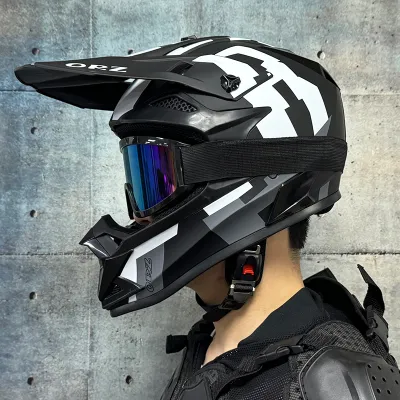
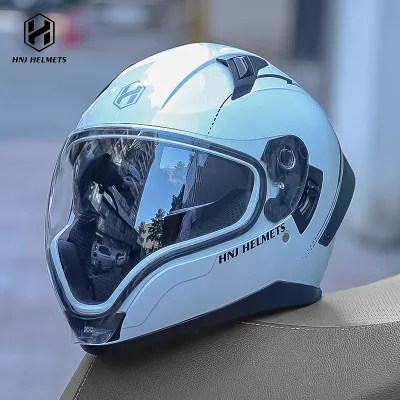
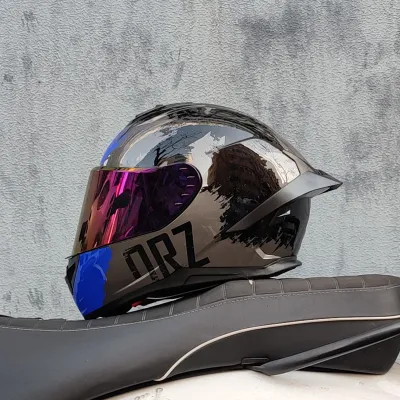
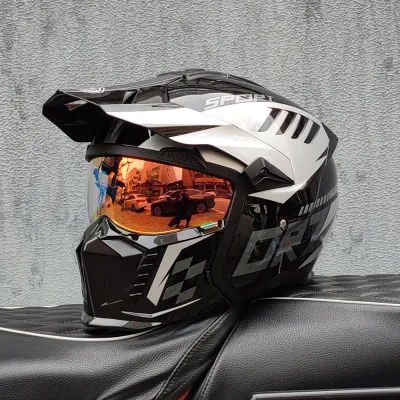
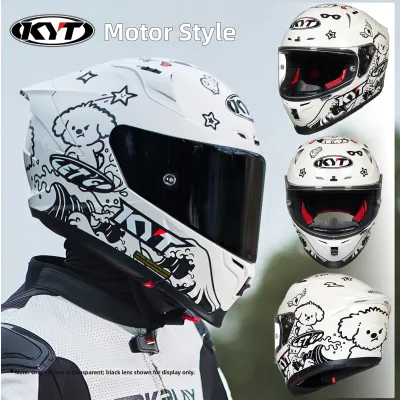
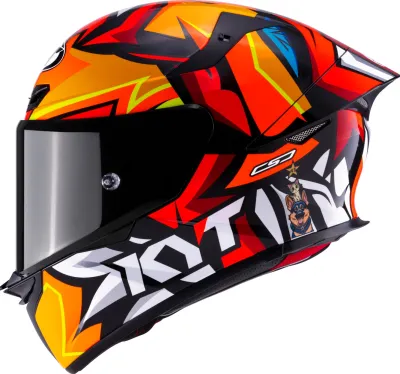
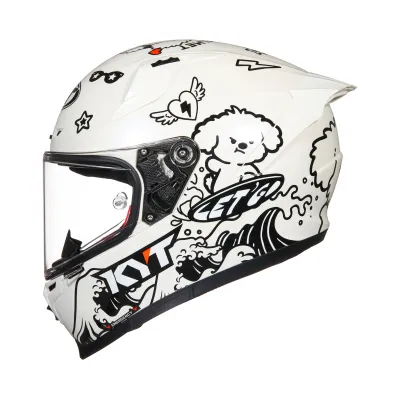
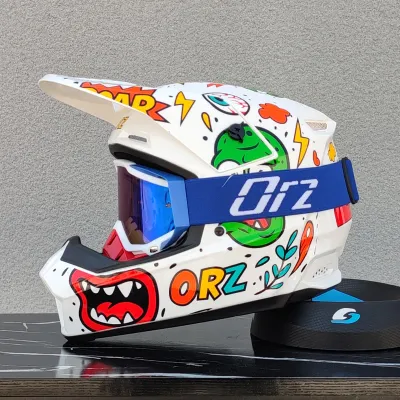
Prices are valid at publication and may change. Please refer to the product page for the latest price.
Despite their different origins, both the PS and ICC marks serve the identical purpose of certifying that a helmet meets the mandatory safety requirements for road use. They guarantee that the helmet is not merely a cosmetic accessory but an engineered piece of safety equipment. For riders choosing a full-face motorcycle helmet, these marks assume even greater significance because full-face designs feature a complex, continuous shell structure.
A certified full-face helmet is evaluated as a complete safety unit. This means the testing process measures the protective capabilities of the entire helmet shell, the integrated visor, the retention strap, and the extended chin bar. The chin bar is a critical component of a full-face helmet, protecting the lower face and jawline from direct impacts—areas that remain completely exposed in open-face designs. When a helmet carries a genuine PS or ICC mark, you know that this entire protective envelope has been validated under standardized laboratory conditions.
How to Verify Authentic Marks on a Full-Face Helmet
With the rise of counterfeit riding gear on online marketplaces and unauthorized physical shops, verifying the authenticity of safety marks is a critical step before making a purchase. Genuine PS and ICC marks are not generic stickers that can be easily peeled off and transferred from one helmet to another. They are highly regulated security labels designed with specific visual features to prevent tampering and duplication.

On a certified full-face helmet, the sticker is typically located at the back of the helmet shell or along the lower rear border. Authentic ICC stickers feature a distinct holographic background that shifts colors when tilted under direct light. They also display a unique serial number and a quick response (QR) code or specific trade registration details that correspond directly to the importer’s clearance documentation.
Recognizing the red flags of a counterfeit sticker can save you from purchasing substandard gear. Be highly suspicious of stickers that are poorly printed, have blurry text, or use generic, non-holographic silver paper. If a sticker peels off effortlessly with a light fingernail scrape, or if the seller claims they can “provide the sticker separately” for you to stick on yourself, the helmet is almost certainly uncertified.
To guarantee you are purchasing a genuinely certified full-face helmet, always buy from authorized distributors, official brand stores, or established physical specialty shops. Reputable retailers will gladly assist you in verifying the helmet’s certification and will have the necessary documentation to prove their inventory was legally cleared through official channels.
Why Riding with Certified Full-Face Helmets is Non-Negotiable
Riding in the Philippines presents unique environmental and road challenges, from the intense heat and high humidity of the dry season to the slick, flooded streets during typhoons. These tropical conditions demand high-quality materials that do not degrade rapidly when exposed to sweat, UV rays, and moisture. Certified full-face helmets are constructed using durable outer shells and high-density expanded polystyrene (EPS) liners that maintain their structural integrity even after prolonged exposure to the elements.
The safety testing required for certification focuses on several critical performance areas. Impact absorption tests measure how effectively the inner EPS liner cushions the head and reduces the force transmitted to the brain during a collision. Penetration tests ensure that sharp objects, such as debris or motorcycle components, cannot pierce the outer shell. Additionally, retention system tests verify that the chin strap and buckle remain securely fastened under extreme tension, preventing the helmet from flying off your head during an accident.
Beyond the obvious safety benefits, wearing a certified helmet is a strict legal requirement under Philippine national road safety laws. Local traffic enforcers and LTO officers actively conduct checkpoints to inspect riding gear. Operating a motorcycle or riding as a passenger with an uncertified, novelty, or fashion helmet is considered a serious traffic violation.
Relying on an uncertified helmet exposes you to severe legal and physical consequences. If apprehended, you face substantial traffic fines, and persistent non-compliance can lead to the temporary impoundment of your motorcycle. More importantly, a novelty helmet lacks the energy-absorbing liners and impact-resistant shells required to survive a crash, turning a preventable accident into a life-threatening event.
Local Marks vs. International Standards (DOT, ECE, SNELL)
When browsing premium or imported full-face helmets, you will often see references to international safety standards, such as the United States Department of Transportation (DOT) standard, the Economic Commission for Europe (ECE) standard, or the SNELL Memorial Foundation certification. These global standards represent rigorous testing methodologies and are highly respected within the motorcycle community worldwide.
However, it is vital to understand that international certifications do not grant automatic legal immunity on Philippine roads. Under local regulations, a helmet must bear the physical PS or ICC mark to be considered legally compliant. Many high-quality, internationally certified helmets are officially imported and will carry both the foreign certification (such as ECE 22.06) and the local ICC sticker, representing the gold standard of safety and compliance.
You should not dismiss a helmet simply because it lacks an international sticker, provided it carries a genuine local PS or ICC mark, as it has still met the mandatory national safety baseline. Conversely, never purchase a helmet that features only a DOT or ECE logo without the local sticker, as you may still face traffic citations at local checkpoints. The local mark remains the ultimate legal benchmark for road use in the Philippines.
Frequently Asked Questions (FAQ)
Can I legally use a helmet with only a DOT or ECE mark in the Philippines?
No, you cannot legally use a helmet on public roads if it only displays international marks like DOT or ECE. Philippine traffic laws explicitly require the physical presence of a genuine PS or ICC sticker issued by the Bureau of Philippine Standards. If you purchase a premium helmet from abroad, it must still go through the official local clearance process to obtain a valid ICC sticker before you can legally ride with it.
What should I do if my helmet's ICC or PS sticker fades or peels off?
If your safety sticker fades or peels off due to prolonged exposure to sun, rain, or cleaning agents, you should keep your original official purchase receipt from the authorized dealer as secondary proof of certification. Keep in mind that a peeling sticker often coincides with the natural aging of the helmet. Most helmet manufacturers recommend replacing your gear every three to five years, as the protective EPS liner gradually degrades over time and loses its ability to absorb impacts effectively.
Community discussion
Share your experience or ask a question. Comments are reviewed before publication.