
Riding a motorcycle in the Philippines requires more than just balance and road awareness; it demands the right protective gear to withstand both unpredictable traffic and strict roadside inspections. When shopping for a motorcycle helmet, you will inevitably encounter terms like PSB, PS, and ICC certifications. These marks are not mere decorative decals or bureaucratic formalities. They serve as official proof that your headgear has undergone rigorous testing to protect your life during an impact and to keep you compliant with national traffic laws.
Understanding these certifications is crucial for every rider, from daily commuters navigating the congested streets of Metro Manila to weekend tourers exploring provincial highways. A certified helmet can mean the difference between walking away from a collision and sustaining life-threatening head injuries. Moreover, riding with an uncertified helmet exposes you to legal liabilities, roadside apprehensions, and heavy fines from traffic enforcement agencies.
This comprehensive guide explains what these safety marks represent, why they are vital for your physical protection, how they keep you on the right side of the law, and how to verify them before spending your hard-earned money.
Products mentioned in this guide
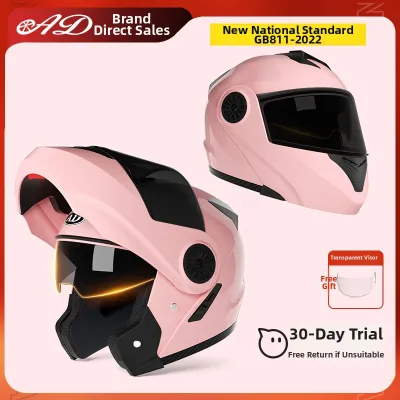
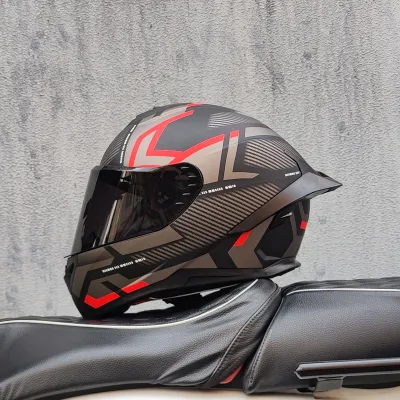
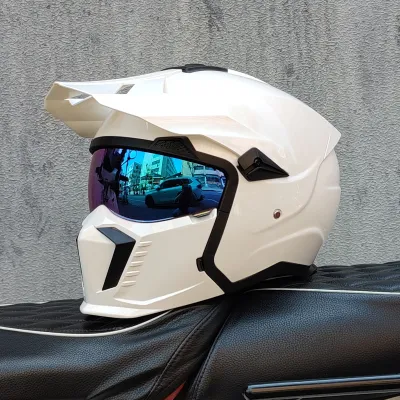
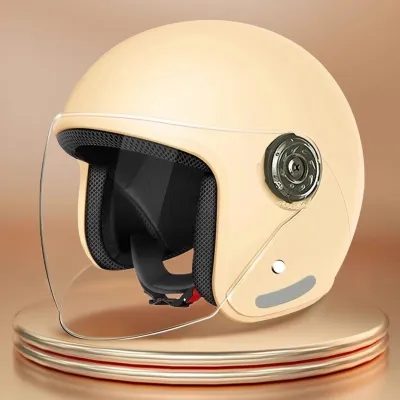
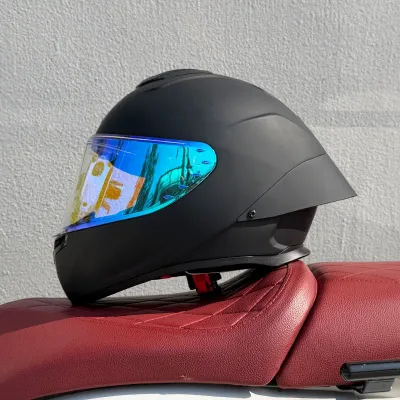
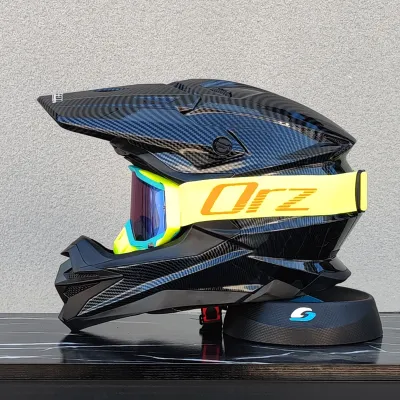
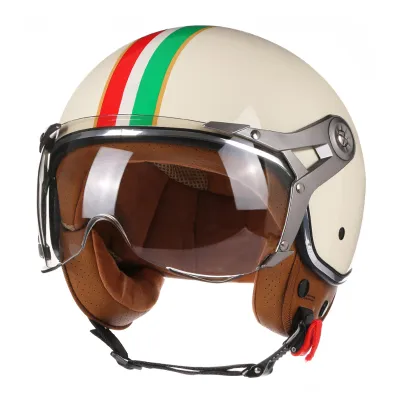
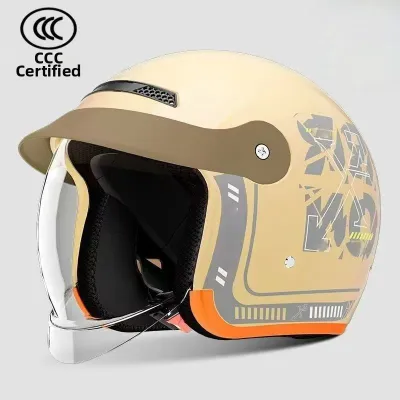
Prices are valid at publication and may change. Please refer to the product page for the latest price.
What PSB and ICC Certifications Mean for Your Helmet
To navigate the market for riding gear, you must first understand the roles of the different safety marks found on helmets in the Philippines. The Department of Trade and Industry (DTI), through the Bureau of Philippine Standards (BPS), regulates the safety of motorcycle helmets sold locally. The two primary local marks you will encounter are the Philippine Standard (PS) quality mark and the Import Commodity Clearance (ICC) sticker.
The PS mark is typically issued to manufacturers who have established production facilities within the Philippines or foreign manufacturers who undergo regular, stringent audits by the BPS. This mark certifies that the manufacturing process consistently meets Philippine National Standards for safety and quality. When you see a PS mark, it indicates a continuous level of quality control directly monitored at the factory level.
Conversely, the ICC sticker is designed for imported helmets. Because the vast majority of premium and mid-range helmets sold in the Philippines are manufactured abroad, they must clear customs and undergo batch testing to receive an ICC sticker. Each imported shipment is sampled and tested to ensure the specific batch meets local safety requirements before the DTI issues the physical holographic stickers for that shipment.
You may also encounter the PSB mark on certain helmets. The PSB certification originates from Singapore’s Productivity and Standards Board. While the PSB mark is a highly respected safety standard across Southeast Asia, it is technically a foreign certification. For a helmet carrying a PSB mark to be legally compliant on Philippine roads, it must still obtain the local ICC sticker through an authorized importer who has cleared the product with the DTI BPS.
Why Certified Helmets Matter for Rider Safety
The primary function of a motorcycle helmet is to absorb and dissipate the energy generated during an impact, shielding your brain from traumatic injury. Certified helmets are engineered using advanced materials and undergo rigorous testing to ensure they perform reliably under extreme stress. These tests evaluate several critical safety dimensions, including impact attenuation, penetration resistance, and retention system strength.

During impact attenuation testing, the helmet is dropped from specific heights onto various steel anvils to measure how much shock is transmitted to the headform inside. A certified helmet utilizes a high-density expanded polystyrene (EPS) liner that collapses progressively to absorb the force, preventing it from reaching your skull. Uncertified helmets often use cheap, low-density packaging foam that offers virtually no shock absorption, transferring the full force of the impact directly to the rider.
Penetration testing ensures that sharp objects, such as footpegs, handlebars, or road debris, cannot easily pierce the outer shell. Certified helmets feature robust outer shells made of polycarbonate, fiberglass, or carbon fiber composites. In contrast, counterfeit or uncertified helmets frequently use brittle, non-impact-resistant plastics that can shatter upon impact, creating sharp shards that pose additional dangers to the rider.
The retention system, or chin strap, is also subjected to severe load testing to ensure the helmet remains securely on your head during a crash. A helmet that flies off during an initial slide cannot protect you from a secondary impact. Certified helmets use heavy-duty webbing and reinforced buckles, whereas uncertified models may feature flimsy plastic clips or weak stitching that fails under minimal tension.
In the tropical climate of the Philippines, safety gear is exposed to intense heat, high humidity, and heavy monsoon rains. Certified helmets are constructed with UV-stabilized materials and moisture-resistant liners that maintain their structural integrity despite prolonged exposure to these harsh environmental factors. Uncertified materials can degrade rapidly under the tropical sun, becoming brittle and unsafe within months of use.
Legal Compliance and Roadside Inspections in the Philippines
Beyond the obvious physical protection, wearing a certified helmet is a strict legal requirement in the Philippines. Under Republic Act No. 10054, also known as the Motorcycle Helmet Act of 2009, all motorcycle riders—both drivers and pillion passengers—must wear standard protective motorcycle helmets while riding on any public road, highway, or street.
During routine roadside inspections or targeted checkpoints, traffic enforcers from the Land Transportation Office (LTO), the Metropolitan Manila Development Authority (MMDA), and local government units actively look for visible compliance marks. Enforcers are trained to inspect the rear or sides of the helmet for the official, holographic ICC or PS stickers.
Riding with a helmet that lacks these official markings, or using a non-compliant helmet such as a bicycle helmet or a construction hard hat, is treated as a violation of the law. The penalties for non-compliance can be severe, ranging from substantial monetary fines for the first offense to the confiscation of your driver’s license or even the impoundment of your motorcycle for repeated violations.
It is important to note that traffic enforcers do not just look for the presence of a sticker; they also assess the overall condition of the helmet. A helmet that is visibly cracked, structurally compromised, or missing its chin strap can still result in an apprehension, even if a faded sticker is present. Staying compliant means ensuring your helmet is both legally certified and physically fit for service.
How to Verify Helmet Certifications Before Purchase
With the rise of online marketplaces and unauthorized physical retailers, counterfeit helmets and fake certification stickers have become increasingly common. Protecting yourself requires a proactive approach to verification before you hand over any payment.
First, perform a close visual inspection of the certification sticker. Authentic ICC stickers issued by the DTI feature a distinct holographic background that shifts colors when tilted under light. They also display a unique serial number and a specific QR code or security pattern. If the sticker is a flat, non-reflective paper print, or if the serial number is blurry or missing, it is highly likely to be a counterfeit.
Second, cross-reference the helmet brand and model with the official registry provided by the Bureau of Philippine Standards. The DTI regularly updates its list of certified helmet brands and authorized importers on its official government portal. If a brand or specific model does not appear on this list, it has not been officially cleared for sale or use in the Philippines, regardless of what stickers are pasted on it.
Third, be wary of common red flags when shopping on ecommerce platforms. Avoid listings where the seller offers to sell “loose” ICC or PS stickers separately, as these are invariably fake. Authentic stickers are only applied at the factory or by authorized customs clearing agents and cannot be purchased individually. Additionally, if the price of a helmet seems too good to be true for a reputable brand, it is almost certainly a counterfeit that compromises on safety.
When purchasing in-store, always buy from authorized dealers and reputable motorcycle accessory shops. These establishments source their inventory directly from official distributors who handle the DTI clearance process legally. They can readily provide the product’s original packaging, user manual, and an official receipt, which serve as additional layers of proof of authenticity.
Frequently Asked Questions (FAQ)
Can I use a helmet with only international certifications like DOT or ECE?
While international certifications like the United States’ DOT (FMVSS No. 218) or Europe’s ECE (22.05 or 22.06) represent world-class safety standards, they do not automatically grant legal compliance on Philippine roads. By law, any helmet used in the Philippines must bear the local PS or ICC sticker. If you purchase a high-end helmet that features ECE or DOT markings, it must still go through the official DTI import clearance process to receive an ICC sticker. Always ensure that your internationally certified helmet has been legally imported and carries the physical ICC sticker before riding.
What should I do if my helmet's certification sticker fades or peels off?
Over time, exposure to heavy rain, intense tropical sunlight, and regular cleaning can cause your helmet’s certification sticker to fade or peel. To prevent this, avoid using harsh chemical solvents, gasoline, or abrasive cleaners on the helmet shell, as these can dissolve the sticker’s adhesive and damage the protective outer shell. If the sticker does peel off, keep your original purchase receipt, the product manual, and the original box in a safe place at home. While traffic enforcers primarily look for the physical sticker during roadside inspections, having documentation from an authorized dealer can help verify the helmet’s legitimacy if any compliance questions arise.
Community discussion
Share your experience or ask a question. Comments are reviewed before publication.