
Finding the right fullface helmet in the Philippines requires navigating unpredictable weather, congested city streets, and varied road conditions. Whether you are commuting daily along EDSA or embarking on a weekend tour through the Marilaque Highway, your safety gear is your primary line of defense. A certified fullface helmet is the single most critical piece of equipment you can wear, offering comprehensive protection for your head, face, and jaw.
Fortunately, staying safe does not require spending a fortune. The Philippine market offers a wide array of options that meet strict safety mandates while catering to different price points. By understanding what features are available at each budget tier, you can make an informed decision that balances cost, comfort, and legal compliance.
Understanding PSB and ICC Certifications for Local Roads
Every rider in the Philippines must understand the legal framework governing motorcycle helmets. Under Republic Act No. 10054, or the Motorcycle Helmet Act of 2009, all motorcycle riders must wear standard protective helmets while driving. To ensure these helmets meet safety standards, the Department of Trade and Industry (DTI) regulates them through the Bureau of Philippine Standards (BPS).
Products mentioned in this guide
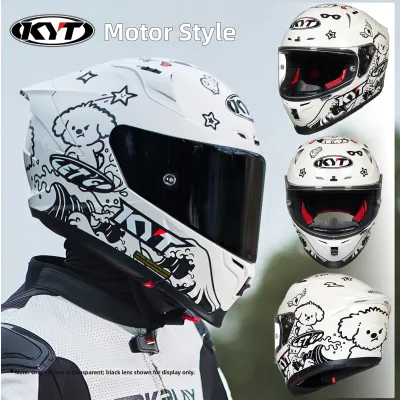
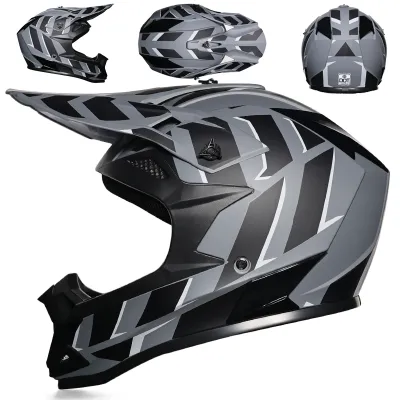
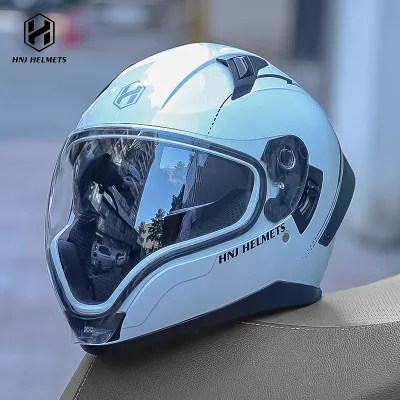
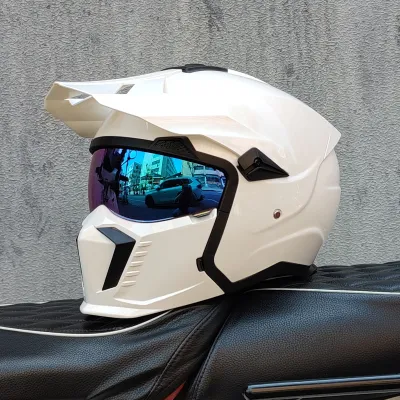
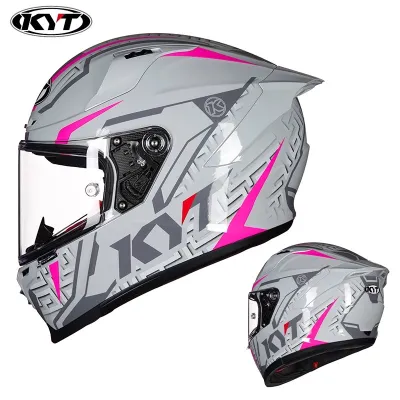
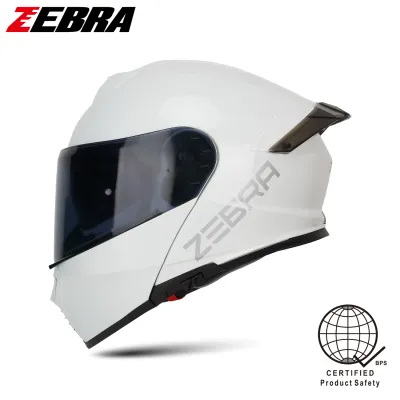
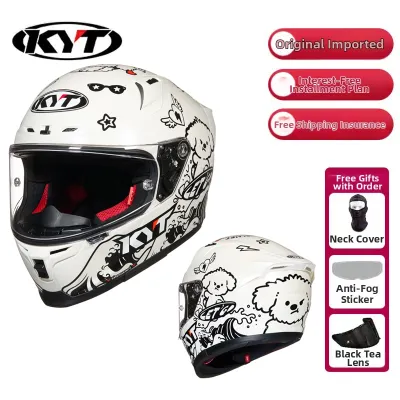
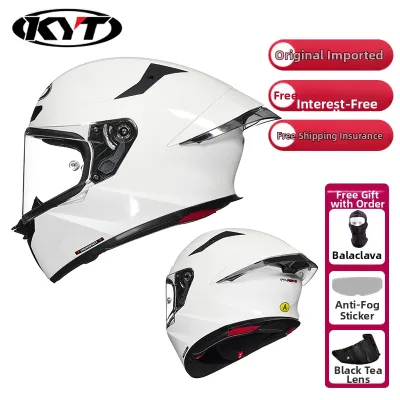
Prices are valid at publication and may change. Please refer to the product page for the latest price.
The two primary marks of compliance you will encounter are the Philippine Standard (PS) quality mark and the Import Commodity Clearance (ICC) sticker. The PS mark is typically issued for helmets manufactured locally, indicating that the production process complies with national safety standards. Conversely, the ICC sticker is affixed to imported helmets that have successfully passed the BPS verification and testing processes upon arrival in the country.
Many riders wonder how these local markings relate to highly regarded international safety standards. Standards such as the United States’ DOT (Department of Transportation), Europe’s ECE (Economic Commission for Europe), and the independent Snell Memorial Foundation certifications are excellent indicators of structural integrity. However, international certifications alone do not satisfy local road laws; your helmet must physically display a genuine PS or ICC sticker to be considered legally compliant during Land Transportation Office (LTO) checkpoints.
Identifying a genuine certification sticker requires a close, physical inspection. Authentic ICC and PS stickers feature holographic elements that shimmer and shift colors when tilted under direct light. They also contain unique serial numbers and are made of tamper-evident material, meaning they will tear or self-destruct if someone attempts to peel them off and transfer them to an uncertified helmet.
What to Expect From a Fullface Helmet at Every Budget Tier
When shopping for a fullface helmet, establishing realistic expectations for your budget prevents disappointment and ensures you prioritize safety over cosmetic add-ons. Price differences generally reflect the materials used in the outer shell, the sophistication of the ventilation systems, and the quality of the interior liners. Regardless of the price tag, any helmet you choose must bear a valid certification sticker to guarantee it can absorb and distribute impact forces effectively.

Entry-Level Tier: Essential Protection and Basic Comfort
The entry-level tier typically covers options priced under ₱3,000. Helmets in this category are highly popular among daily commuters and budget-conscious riders who need reliable protection for short-to-medium city trips.
At this price point, manufacturers primarily use injection-molded thermoplastic or Acrylonitrile Butadiene Styrene (ABS) plastic for the outer shell. While ABS and thermoplastic shells provide excellent impact resistance, they require thicker walls to achieve the necessary strength, which makes the overall helmet heavier. A typical entry-level model often weighs between 1.5 to 1.7 kilograms, which may cause mild neck fatigue during prolonged rides.
Comfort features in this category are basic but functional. You can expect simple, non-adjustable ventilation ports, single-pane clear visors, and standard fabric interior liners. While these liners are often removable for washing, they may lack advanced moisture-wicking properties, meaning they can feel warm and damp during hot, humid afternoons in Manila.
Mid-Range Tier: Upgraded Materials and Daily Commuting Features
Stepping up to the mid-range tier, which generally spans from ₱3,000 to ₱10,000, introduces significant quality-of-life upgrades. This tier is the sweet spot for daily commuters and touring enthusiasts who spend hours on the road and require better comfort and versatility.
Shell materials in this bracket often transition to high-grade polycarbonate blends or lightweight fiberglass composites. These materials offer superior strength-to-weight ratios, allowing manufacturers to design thinner, lighter shells without compromising structural safety. The reduction in weight directly translates to less physical strain on your neck and shoulders during long hours in stop-and-go traffic.
Mid-range helmets also excel in functional features tailored for the tropical climate. Many models come equipped with dual-visor systems, featuring a drop-down internal sun shield that protects your eyes from intense glare during the day and retracts easily for night riding. Additionally, outer visors are frequently Pinlock-ready, allowing you to install an anti-fog insert that keeps your field of vision clear during sudden afternoon downpours.
Interior comfort receives a major upgrade in this tier as well. The cheek pads and comfort liners are typically crafted from advanced moisture-wicking, hypoallergenic fabrics that dry quickly and help manage sweat. Improved neck rolls and tighter visor seals also contribute to better noise isolation, shielding your ears from loud engine noises and wind buffeting.
Premium Tier: Track-Ready Tech and Lightweight Shells
The premium tier, which starts above ₱10,000 and can reach much higher, is designed for track riders, long-distance tourers, and performance enthusiasts. At this level, you are paying for cutting-edge material science, advanced aerodynamics, and specialized safety systems.
Shell construction in premium helmets utilizes advanced materials such as pure carbon fiber, aramid fibers, or complex multi-composite weaves. These materials are incredibly strong yet remarkably lightweight, often dropping the helmet’s weight well below 1.3 kilograms. This featherweight construction is highly beneficial for high-speed riding and minimizing fatigue over multi-day journeys.
Safety features extend beyond basic impact absorption. Premium helmets frequently incorporate an Emergency Quick Release System (EQRS), which allows medical personnel to easily slide out the cheek pads without straining the rider’s neck in the event of an accident. Ventilation systems are also highly sophisticated, featuring multi-channel, wind-tunnel-tested intake and exhaust ports that generate a cooling venturi effect inside the helmet.
The interiors of premium helmets feature top-tier antibacterial treatments, customizable pad thicknesses for a bespoke fit, and dedicated recesses for Bluetooth communication systems. The outer shells are aerodynamically optimized with integrated spoilers to minimize drag and lift at high speeds, ensuring maximum stability on open highways.
Smart Trade-Offs: What to Keep and What to Skip on a Budget
When shopping with a limited budget, you must make deliberate choices to maximize both safety and value. It is easy to get distracted by flashy designs or extra accessories, but your primary focus must always remain on the helmet’s protective capabilities.
There are several critical elements that you must never compromise on, regardless of how appealing a discount might be. First and foremost is a valid PS or ICC certification sticker, which serves as your guarantee of road legality and verified impact protection. Second is a snug, anatomically correct fit; a helmet that is too loose will fail to protect you during an accident, while one that is too tight will cause painful pressure points. Finally, ensure the retention system—whether a classic double D-ring or a high-quality micrometric buckle—is robust, easy to operate, and securely fastened.
Conversely, there are several non-essential features that you can safely skip to keep costs down. Intricate graphic designs and replica paint schemes often carry a premium price tag; opting for a solid matte or gloss color can save you substantial money while offering the exact same structural protection. Built-in Bluetooth communication systems also inflate the initial purchase price; you can easily purchase a standard helmet now and install an aftermarket intercom unit later when your budget permits.
When faced with the choice between a higher-tier helmet with no extra accessories and a lower-tier helmet bundled with freebies like extra tinted visors or spoilers, always choose the higher-tier helmet. The core shell construction, EPS liner quality, and overall build integrity of a superior helmet provide protection that cannot be matched by decorative add-ons. Prioritizing the structural quality of your gear is the smartest investment you can make as a rider.
How to Verify Authenticity and Avoid Counterfeit Helmets
The popularity of motorcycling in the Philippines has unfortunately led to a rise in counterfeit safety gear, particularly on online marketplaces. Purchasing a fake helmet puts your life at serious risk, as these counterfeits are often made of brittle plastics and cheap packaging foam that shatter upon impact.
Verifying the authenticity of the certification stickers is your first line of defense. Genuine ICC and PS stickers are printed with high-precision holographic details that are difficult for counterfeiters to replicate. When you run your finger over a real sticker, you should feel a slight tactile texture rather than a completely flat, cheaply printed surface. Additionally, you can check the unique serial number on the sticker; reputable distributors and official brand portals often allow you to verify these numbers to confirm legitimacy.
To avoid falling victim to scams, steer clear of suspiciously low prices on unverified e-commerce platforms. If a fullface helmet from a well-known international brand is being sold for a fraction of its standard retail price, it is almost certainly a counterfeit. Always purchase your riding gear from authorized physical dealers, official brand flagship stores, or established local motorcycle accessories shops that stand behind their products.
Another critical step is checking the manufacturing date of the helmet, which is typically found on a white label sewn onto the chin strap, stamped onto the EPS liner under the comfort padding, or printed on the original box. Helmets have a limited shelf life because the protective Expanded Polystyrene (EPS) foam degrades over time, even when sitting unused on a shelf. Inspecting this date ensures you are not buying old, degraded stock that has lost its ability to absorb impacts effectively.
Frequently Asked Questions (FAQ)
Can I use a DOT or ECE certified helmet without a PSB or ICC sticker?
While DOT and ECE certifications indicate that a helmet meets rigorous international safety standards, they do not exempt you from local legal mandates. Under Philippine law, all motorcycle helmets used on public roads must display a physical PS or ICC sticker issued by the Bureau of Philippine Standards. Riding with a helmet that only features foreign certification marks can still result in traffic citations and fines at local checkpoints, so it is essential to ensure your helmet has the required local sticker.
How often should I replace my full-face helmet?
As a general safety guideline, you should replace your full-face helmet every three to five years from the date of first use, or five years from the manufacturing date. Over time, exposure to sweat, hair oils, UV rays, and extreme tropical heat gradually degrades the protective EPS foam liner and the outer shell. Furthermore, you must replace your helmet immediately after any significant impact or drop, even if there is no visible damage on the surface, as the internal EPS liner is designed to deform permanently to absorb impact energy.
Are second-hand certified helmets a good way to save money?
Buying a second-hand helmet is highly discouraged, even if it carries a valid PS or ICC sticker. It is impossible to verify the helmet’s history, and it may have suffered an internal structural compromise from a previous drop or accident that is invisible to the naked eye. Additionally, the internal EPS liner may have already molded to the previous owner’s head shape, compromising the fit, while hygiene concerns regarding sweat and bacteria accumulation make used helmets an unsafe choice.

Community discussion
Share your experience or ask a question. Comments are reviewed before publication.