
Finding a reliable half-face motorcycle helmet in the Philippines requires balancing comfort, style, and legal compliance. In a tropical climate where daily commutes involve heavy traffic and high humidity, a half-face helmet offers the ventilation and field of view that riders need. However, safety cannot be compromised for a lower price tag or aesthetic appeal. To ride legally and safely on public roads, your helmet must carry either a Philippine Standard (PSB) mark or an Import Commodity Clearance (ICC) sticker. Whether you are looking at entry-level options or exploring popular brands like Gille, understanding how to verify certifications and budget for key safety features ensures your daily commute remains secure.
Why PSB and ICC Certifications Are Your Non-Negotiable Baseline
In the Philippines, motorcycle safety is strictly regulated by law to protect riders from severe head injuries. The Land Transportation Office (LTO) mandates that all motorcycle riders wear protective helmets that comply with standards set by the Bureau of Philippine Standards (BPS). This compliance is visually represented by two distinct markings: the PSB mark and the ICC sticker.
- PSB vs. ICC Marks: The PSB (Philippine Standard) mark is typically issued to locally manufactured helmets that have passed rigorous quality and safety evaluations in domestic testing facilities. On the other hand, the ICC (Import Commodity Clearance) sticker is issued to imported helmets that have successfully cleared BPS verification, proving they meet international safety standards equivalent to local requirements. Both markings serve the same legal purpose, demonstrating that the helmet is road-ready.
- Legal Consequences: Riding without a certified helmet on public roads violates Republic Act No. 10054, otherwise known as the Motorcycle Helmet Act of 2010. Getting caught by traffic enforcers can lead to hefty fines, confiscation of your driver's license, or even vehicle impoundment. Beyond the legal penalties, the physical risks are far more severe.
- Safety Testing Protocols: Certified helmets are engineered to absorb energy during an impact. Under testing protocols, these helmets undergo rigorous drop tests, penetration tests, and retention system evaluation to ensure the chin strap does not snap or slip off under extreme force. Novelty or uncertified helmets often consist of thin plastic shells and low-density foam that crack instantly upon impact, offering virtually zero protection.
- Verifying Authenticity: Counterfeit stickers are unfortunately common on online marketplaces. To identify a genuine ICC sticker, look for holographic elements that shift color when tilted under light, clear and crisp serial numbers, and tamper-evident materials that tear or leave a pattern if someone tries to peel them off. Genuine stickers are securely affixed and should match the official database or certificate issued to the specific helmet model.
How to Allocate Your Budget: Safety First, Features Second
Navigating the helmet market requires a clear understanding of where your money goes. While budget constraints are real, safety components must always take priority over cosmetic features. When comparing options across different price ranges, use a structured approach to allocate your funds.
Products mentioned in this guide
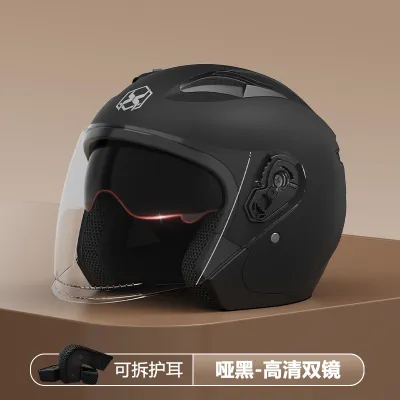
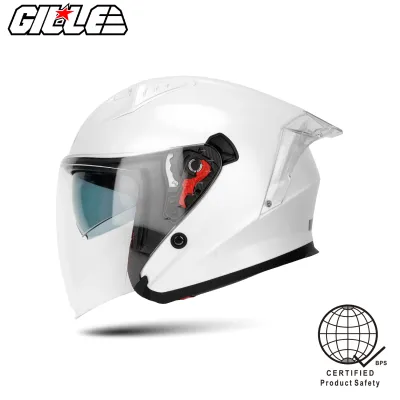
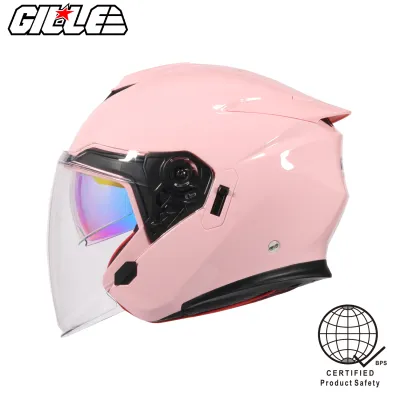
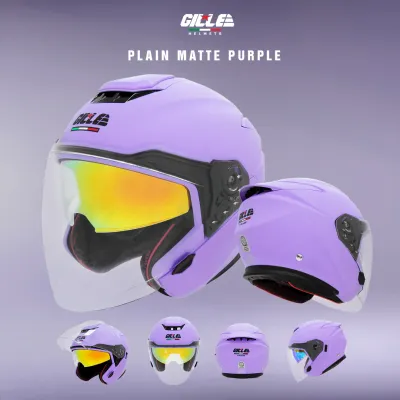
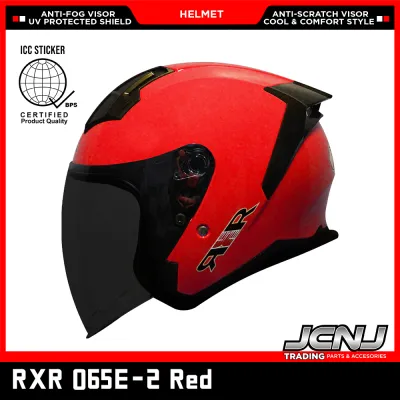
Prices are valid at publication and may change. Please refer to the product page for the latest price.

- Non-Negotiable Must-Haves: Regardless of the price tier, your helmet must feature a high-impact ABS (Acrylonitrile Butadiene Styrene) or advanced polycarbonate outer shell. Beneath the shell, a thick layer of high-density EPS (Expanded Polystyrene) is mandatory to absorb and disperse impact energy. Lastly, the retention system must be robust; look for a secure micro-metric quick-release buckle or a classic double-D ring system that keeps the helmet firmly anchored to your head during a fall.
- Acceptable Compromises for Lower Budgets: If you are shopping on a tight budget (typically under ₱1,500), you can save money by sacrificing luxury features rather than safety. Opt for basic, clear, or lightly tinted flat visors instead of expensive anti-fog or Pinlock-ready shields. Choose standard, non-removable interior fabrics that require surface cleaning over premium moisture-wicking materials. Plain, solid colorways are also significantly cheaper than complex, licensed graphic designs while offering identical structural protection.
- Mid-Range Upgrades: Stepping into the mid-range tier (₱1,500 to ₱3,500) unlocks features that greatly improve daily ride comfort, especially in the tropical heat of the Philippines. This budget range typically introduces dual-visor systems with integrated drop-down sun shields to combat intense afternoon glare. You will also find fully removable and washable inner liners, better aerodynamic molding to reduce wind noise, and dedicated ventilation channels that direct airflow over your scalp.
- The Danger of Suspiciously Low Prices: Be highly skeptical of helmets sold for under ₱800 on online marketplaces. A genuine, certified EPS liner and a crash-tested shell cannot be manufactured and distributed at such low price points. These cheap novelty helmets are often made of recycled plastics that shatter easily and contain soft, packing-grade foam instead of protective EPS, rendering them useless in an accident.
Ensuring Goggle Compatibility and Evaluating Brands Like Gille
For many riders in the Philippines, pairing a half-face helmet with riding goggles is both a style choice and a practical solution to keep dust, wind, and debris out of their eyes. However, not every half-face helmet is designed to accommodate goggles comfortably. If you are looking for a highly compatible option, exploring a certified half face motorcycle helmet gille or similar reputable brands is a solid starting point.
- Goggle Grooves and Channels: A dedicated goggle-compatible helmet features recessed channels along the inner EPS liner and cheek pads. These grooves allow the goggle strap or eyewear arms to pass through without pressing painfully against your temples. Without these channels, the helmet's tight fit will force the goggle frame directly into your face, causing severe discomfort and distraction during long rides.
- Evaluating Gille and Market Contenders: Brands like Gille have gained significant traction in the local market by offering modern aesthetics, integrated features, and certified safety at competitive price points. When evaluating a half face motorcycle helmet gille, check the specific model's product documentation to confirm it features a dedicated goggle strap retainer at the back. This small loop or button tab prevents the goggle strap from sliding up and flying off at higher speeds.
- Eyewear and Temple Fit: Before purchasing, check how the helmet's interior padding interacts with your eyewear. The padding around the ears should have a soft, accommodating gap. If the padding is too uniform, it will pinch the arms of your glasses or goggles, causing headaches and reducing your peripheral vision.
- Verifying Official Compliance: While brand popularity provides some peace of mind, never rely on a brand name alone. Always physically inspect the helmet or request verified compliance photos to ensure the specific model and batch carry the official PSB or ICC sticker. Manufacturers often update their designs, and older stock or parallel imports might lack the necessary local certifications required for legal road use in the Philippines.
The Pre-Purchase Checklist: Fit, Sizing, and Spotting Fakes
Buying a helmet is a critical safety investment, meaning you should never rush the decision. Whether you are buying from a physical retail shop or a verified seller on an ecommerce platform, executing a systematic pre-purchase check is essential to ensure maximum protection and comfort.
- Measuring for the Right Fit: Use a flexible measuring tape to measure the circumference of your head, wrapping it about 2.5 centimeters above your eyebrows and ears. Compare this measurement to the manufacturer's specific sizing chart, as sizing varies significantly between brands. Additionally, identify your head shape—most riders in the Philippines have either an intermediate oval or round oval head shape. A helmet that matches your head shape prevents painful pressure points on your forehead or temples.
- The Shake and Roll Test: When trying on the helmet, secure the chin strap so that no more than two fingers can fit between the strap and your throat. Shake your head vigorously from side to side; the helmet should grip your cheeks firmly without rotating independently or sliding down over your eyes. Next, perform the roll test: grab the rear base of the helmet and try to pull it forward and off your head. If it rolls off or exposes your forehead, the helmet is too large or the retention system is inadequate.
- Verifying Authenticity: Examine the ICC or PSB sticker closely. Authentic stickers are printed with high-precision holographic details that are difficult for counterfeiters to replicate. The serial number should be clear, sharp, and match the format of official government-issued safety marks. Avoid any helmet where the sticker looks poorly aligned, has blurry text, or appears to be a simple paper decal that can be easily peeled off.
- Online Buying Safeguards: If purchasing online, always select official flagship stores or authorized dealers. Request real-time, high-resolution photos of the actual helmet showing the certification sticker and the manufacturing date stamp, which is typically located on the strap or under the comfort liner. Avoid buying helmets that are more than five years old, as the EPS foam naturally degrades over time, even when unused. Ensure the seller has a clear return and exchange policy in case the fit is incorrect.
Frequently Asked Questions (FAQ)
Can I legally ride with a DOT-only helmet in the Philippines?
No, riding with a helmet that only carries a DOT (Department of Transportation) or ECE (Economic Commission for Europe) sticker is not legally sufficient on public roads in the Philippines. While these are highly respected international safety standards, local traffic regulations strictly require either a PSB or an ICC certification sticker. If you are stopped by law enforcement or LTO officers, a helmet lacking the official local mark can still result in a fine or impoundment, regardless of its foreign certifications. Ensure your imported helmet has officially cleared the BPS and carries the valid ICC sticker.
How do I maintain the goggle groove and visor mechanism?
To maintain your helmet’s longevity and performance, clean the shell, visor, and goggle groove using only mild, diluted dish soap and lukewarm water. Avoid using harsh chemical solvents, petroleum-based cleaners, or glass sprays, as these chemicals can degrade the polycarbonate shell, weaken the EPS impact liner, and cause the plastic visor gears to become brittle and crack. Use a soft microfiber cloth to wipe down the surfaces and prevent scratches. For the interior padding and goggle channels, hand wash them if they are removable, or use a specialized helmet interior sanitizer to eliminate sweat and odor buildup caused by the humid Philippine climate.

Community discussion
Share your experience or ask a question. Comments are reviewed before publication.