
Upgrading or replacing your motorcycle’s braking system is one of the most critical decisions you can make for your daily commute. In the Philippines, where riders regularly face unpredictable tropical downpours, intense engine heat in urban traffic, and highly humid coastal air, the demands on your braking system are exceptionally high. The R55 caliper has become a popular choice for riders seeking to improve their stopping power and lever feedback.
However, declaring a single brand as the absolute best is impossible without controlled, laboratory-grade testing data for every aftermarket option. Instead of relying on marketing claims or social media hype, finding the right balance of stopping power and durability depends on verifying physical specifications, seal quality, and material construction. By understanding how these components interact with your motorcycle’s existing hydraulic system, you can make an informed decision that ensures safety, longevity, and reliable performance on the road.
Key Metrics for Evaluating Stopping Power and Durability
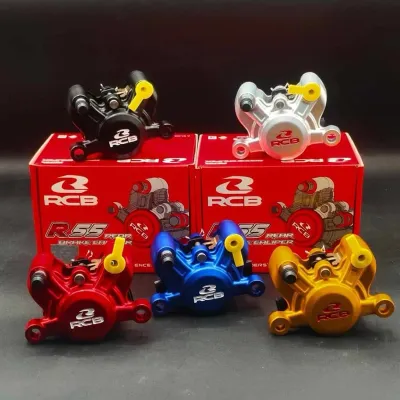
The heart of any caliper’s stopping power lies in its pistons. The R55 caliper typically features a multi-piston design, which distributes clamping force more evenly across the brake pad surface compared to single-piston stock calipers. When evaluating different options, pay close attention to the total piston surface area. Larger or dual-diameter pistons increase hydraulic leverage, allowing you to apply less force at the handlebar lever to achieve the same stopping power. However, this increased volume requires a compatible master cylinder to push enough fluid. If the caliper pistons are too large for your stock master cylinder, you will experience a spongy lever with excessive travel, which compromises your reaction time during emergency stops.
Products mentioned in this guide
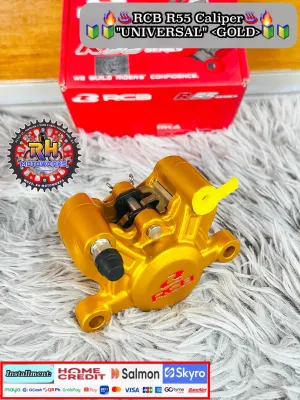
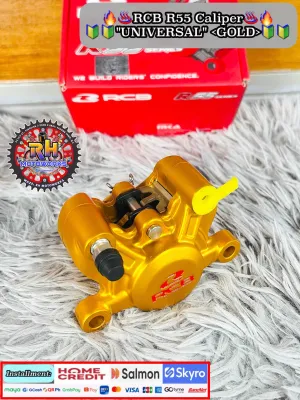
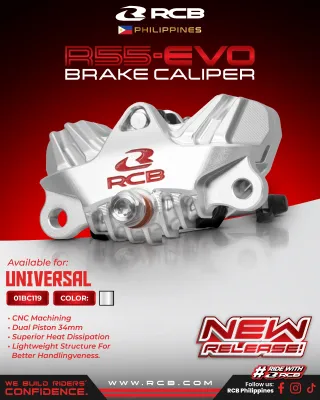
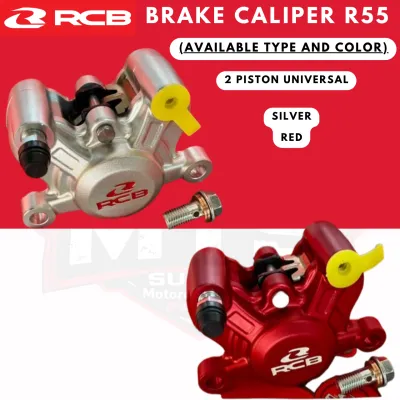
Prices are valid at publication and may change. Please refer to the product page for the latest price.
While stopping power gets the most attention, durability is almost entirely determined by the quality of the internal seals and external dust boots. In tropical climates, your motorcycle is constantly exposed to road grime, fine sand, and heavy rain. A high-quality R55 caliper utilizes a dual-seal design: an inner pressure seal to keep the brake fluid contained, and an outer dust boot to prevent dirt and moisture from reaching the piston walls. If a budget brand cuts corners by omitting dust boots or using low-grade rubber compounds, road grit will quickly bypass the seal. This leads to piston binding, uneven pad wear, fluid leaks, and ultimately, brake failure. Look for brands that explicitly specify the use of high-grade synthetic rubber, such as EPDM, which resists degradation from both brake fluid and environmental exposure.
A caliper is only as effective as the friction material pressing against the rotor. Before committing to a specific R55 caliper brand, verify the availability and variety of compatible brake pads. Some aftermarket calipers use proprietary pad shapes that are difficult to find locally, leaving you stranded when it comes time for a replacement. Opt for caliper designs that accept standard, widely distributed pad shapes. This ensures you can easily source organic pads for quiet daily commuting, semi-metallic pads for balanced performance, or sintered copper pads for superior wet-weather bite and thermal resistance during long descents.
Inspecting Build Quality and Material Claims
The structural integrity of a caliper body determines how much it flexes under heavy braking. When a caliper flexes, energy that should be used to clamp the rotor is wasted, resulting in a soft lever feel and reduced stopping power. Premium R55 calipers are typically machined from forged aluminum billets, which offer high structural density and exceptional strength-to-weight ratios. In contrast, cheaper alternatives are often cast from molten aluminum, which can contain microscopic air pockets or impurities that weaken the structure. When inspecting a caliper, look for clean, precise CNC machining marks and a solid, uniform weight. Avoid units with rough, uneven surfaces, visible casting seams, or pitting, as these are indicators of substandard manufacturing and poor quality control.

The exterior finish of your caliper is not just about aesthetics; it is a vital protective barrier. Anodizing is an electrochemical process that converts the metal surface into a durable, corrosion-resistant anodic oxide finish. A high-quality hard-anodized finish protects the aluminum body from the corrosive effects of brake dust, road salt, and acidic rain. When evaluating different brands, inspect the finish for uniform color depth and coverage. Cheaply painted or poorly anodized calipers will quickly chip, flake, or fade under the intense heat generated by daily braking, exposing the raw aluminum underneath to rapid oxidation and structural degradation.
The reliability of your braking system also depends on the small components that hold it together. Inspect the quality of the included banjo bolts, bleed nipples, and crush washers. High-quality calipers include stainless steel or high-tensile plated steel hardware that resists stripping and corrosion. Copper crush washers are essential for creating a reliable, high-pressure seal at the brake line connection. If the included hardware feels light, soft, or poorly threaded, it is a strong indicator that the manufacturer has cut corners, and you should budget for high-quality replacement fittings before installation.
Safety Boundaries, Compatibility, and Installation
Because brakes are the most critical safety component on any vehicle, any modification, replacement, or service must be approached with extreme caution. Incorrect installation can lead to sudden brake failure, wheel lockup, or loss of control, posing a severe risk of injury or death. Always refer to your motorcycle’s official service manual for specific torque values and routing instructions. If you do not possess the proper tools, such as a calibrated torque wrench, or if you lack experience with hydraulic systems, you must have the caliper installed and tested by a qualified professional mechanic.
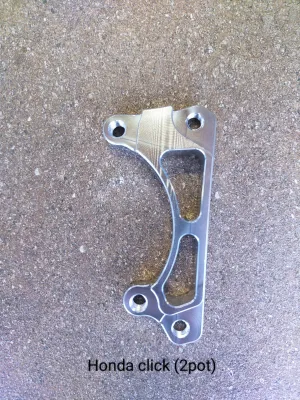
An R55 caliper cannot simply be bolted directly to any motorcycle fork. It requires a precise mounting bracket designed specifically for your motorcycle model and the exact diameter of your brake rotor (such as 220mm or 260mm). Even a millimeter of misalignment can cause the brake pads to contact the rotor at an angle, leading to rapid, uneven pad wear, severe brake squeal, and reduced stopping power. Ensure the bracket is machined from high-strength aluminum or steel and fits snugly without any play before tightening the mounting bolts.
To achieve a firm, predictable lever feel, the volume of fluid displaced by your master cylinder must match the volume required to move the caliper pistons. If you are upgrading from a single-piston stock caliper to a multi-piston R55 caliper, your stock master cylinder may not have a large enough bore. This mismatch results in a spongy lever that requires a deep pull to engage the brakes. Conversely, pairing a small caliper with an oversized master cylinder makes the lever incredibly stiff and difficult to modulate, increasing the risk of locking up the front wheel on slippery, wet roads. Always verify the recommended master cylinder bore size (typically measured in millimeters, such as 12.7mm or 14mm) for your chosen R55 caliper.
Once the caliper is mounted, the hydraulic system must be completely purged of air. Air is compressible, whereas brake fluid is not; any trapped air bubbles will result in a dangerous loss of braking pressure. Use a high-quality brake fluid from a sealed container and follow a systematic bleeding process until the lever feels firm and consistent. Finally, use a torque wrench to tighten all mounting bolts and banjo bolts to the exact specifications outlined in your service manual. Over-tightening can strip the aluminum threads in the caliper body, while under-tightening can cause the caliper to work loose under the intense vibrations of daily riding.
Decision Framework: Matching the Caliper to Your Riding Needs
For riders who use their motorcycles daily for long commutes, delivery services, or touring, investing in an established premium aftermarket brand is highly recommended. While these calipers carry a higher price tag—often ranging from ₱3,000 to ₱8,000 or more—they offer peace of mind through documented metallurgy, certified seal compounds, and readily available rebuild kits. The long-term durability and consistent performance of a premium unit far outweigh the initial cost, saving you money on premature replacements and maintenance.
If you are on a strict budget or simply need to replace a damaged stock caliper to keep your commuter bike running, budget-friendly R55 replicas (often priced under ₱1,500) are widely available. However, choosing this route requires a high level of vigilance. Upon receiving the caliper, thoroughly inspect the piston bores for metal shavings or burrs, check that the seals are seated perfectly straight, and test the piston movement manually. It is highly recommended to discard the cheap brake pads included with budget calipers and immediately install high-quality, name-brand friction pads to ensure acceptable stopping power.
When comparing R55 caliper options, look beyond the price tag of the caliper itself. A seemingly cheap caliper may require a custom-machined mounting bracket, a new master cylinder, upgraded braided steel brake lines, and premium brake fluid to function safely. Calculate the total cost of all necessary components and professional installation fees before making your purchase. In many cases, buying a complete, direct-fit kit from an established brand is more cost-effective and significantly safer than piecing together a mismatched system from budget components.
Frequently Asked Questions (FAQ)
How often should I rebuild or service an aftermarket R55 caliper?
Unlike stock components that may have fixed mileage intervals, aftermarket R55 calipers should be serviced based on observable conditions and your riding environment. In highly humid and dusty conditions, inspect your caliper during every oil change or brake pad replacement. Look for signs of sticking pistons (where one side of the pad wears down significantly faster than the other), fluid weeping around the piston seals, or a spongy lever feel that persists after bleeding. If you notice any of these symptoms, or if the pistons do not retract smoothly when you release the brake lever, it is time to disassemble the caliper, clean the bores, and install a fresh set of high-quality seals. Always consult the specific brand’s service manual or a qualified mechanic for detailed rebuild instructions.
Can I use standard DOT 4 brake fluid with all R55 caliper brands?
While standard DOT 4 brake fluid is highly compatible with the vast majority of R55 calipers, you must always verify the manufacturer’s exact specifications before filling your system. Most calipers use EPDM (ethylene propylene diene monomer) rubber seals, which are designed to work perfectly with glycol-ether-based fluids like DOT 3, DOT 4, and DOT 5.1. However, using silicone-based DOT 5 fluid or mineral oil in a system designed for glycol-based fluid will cause the seals to swell, soften, and rapidly disintegrate, leading to sudden and complete brake failure. Always check the markings on the caliper body, the master cylinder reservoir cap, or the product manual to ensure you are using the correct fluid type, and never mix different types of brake fluid.
Community discussion
Share your experience or ask a question. Comments are reviewed before publication.