
Radial tires have become the standard choice for modern passenger vehicles, offering a balance of fuel efficiency, comfort, and handling. When navigating the unique driving conditions in the Philippines—ranging from intense tropical heat to sudden downpours and unpredictable road surfaces—understanding how these tires perform is essential for safety. While radial construction provides inherent advantages in heat dissipation and tread stability, driving safely through the rainy season requires looking beyond the “radial” label to specific tread designs, load ratings, and maintenance habits.
Understanding Radial Tire Construction and Basic Performance
Radial tires feature ply cords that run perpendicular (at 90 degrees) to the direction of travel, wrapping directly from one bead to the other. This design separates the functions of the sidewall and the tread, allowing each part of the tire to act independently.
Because the sidewall is highly flexible, it absorbs road shocks more effectively than older bias-ply designs, resulting in a smoother ride over uneven asphalt. Meanwhile, steel belts reinforce the tread area, keeping the contact patch flat and stable against the road surface during cornering and braking.
Products mentioned in this guide
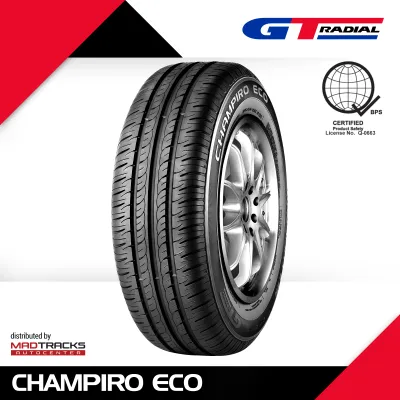
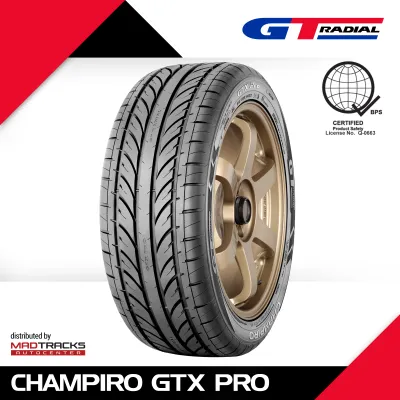
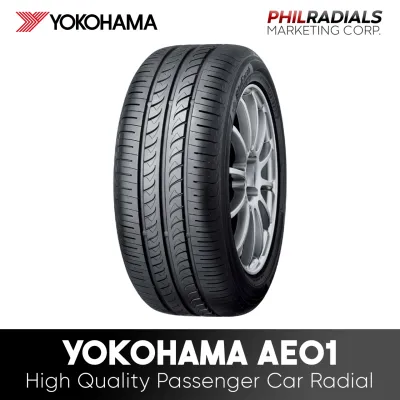
Prices are valid at publication and may change. Please refer to the product page for the latest price.
This structural independence also minimizes internal friction and tread squirm. Consequently, radial tires generate less heat during operation, which is a critical advantage in tropical climates where high ambient temperatures and hot road surfaces can accelerate tire degradation.
Evaluating Tire Specifications for Wet and Flooded Roads
During the monsoon season, roads can quickly accumulate standing water, raising the risk of hydroplaning. To maintain traction, a tire must actively channel water away from the contact patch. Look closely at the tread pattern: deep circumferential grooves act as primary water evacuation channels, while lateral grooves and tiny slits called sipes sweep water outward to maintain direct rubber-to-road contact.

When purchasing tires, do not rely solely on the radial designation for wet-weather safety. Instead, check the Uniform Tire Quality Grading (UTQG) traction rating molded into the sidewall. This rating, graded as AA, A, B, or C, indicates the tire’s ability to stop on wet concrete and asphalt under controlled testing conditions, with AA representing the highest level of traction.
Regularly monitoring tread depth is also vital for wet-season driving. You can use a dedicated tread depth gauge—which is widely available at local auto supply shops for under ₱300—to measure the remaining rubber. While the absolute legal limit in many regions is 1.6 millimeters, maintaining a higher depth provides significantly better hydroplaning resistance on flooded streets. If the tread wears down close to the wear bars, the tire’s ability to clear water drops dramatically, regardless of its radial construction.
Assessing Durability for Potholes and Rough Surfaces
Philippine roads frequently present challenges like deep potholes, sharp pavement edges, and unpaved provincial routes. To determine if a radial tire can withstand these harsh conditions, you must verify its load index and speed rating, which are printed on the sidewall (for example, 91V). Ensure these specifications meet or exceed the requirements listed in your vehicle’s manual to prevent premature structural failure.
For drivers who regularly travel on severely damaged roads or carry heavy loads, standard passenger radial tires might not offer sufficient sidewall protection. In such cases, look for tires labeled as Extra Load (XL) or those featuring reinforced sidewalls designed to resist impact damage. These variants use stronger casing materials to handle higher inflation pressures and heavier impacts.
After hitting a deep pothole or a sharp curb, perform a thorough visual inspection of the tire. Look for physical abnormalities such as bulges, bubbles, cuts, or exposed steel cords along the sidewall and tread. A bulge indicates that the internal carcass has ruptured, allowing air pressure to push against the outer rubber layer; this damage is irreversible and requires immediate replacement to avoid a high-speed blowout.
Essential Maintenance and Safety Checks for Tropical Climates
High ambient temperatures combined with long drives can cause tire temperatures and pressures to rise significantly. To manage this, conduct regular tire pressure checks when the tires are “cold”—meaning the vehicle has been parked for at least three hours or driven less than two kilometers. Always inflate the tires to the pressure specified on the vehicle’s door placard or owner’s manual, rather than the maximum pressure listed on the tire sidewall.
Uneven tread wear is another common issue that can compromise safety and shorten tire lifespan. Inspect your tires regularly for signs of feathering, cupping, or rapid wear on one edge, which often point to wheel misalignment or suspension wear. Addressing these issues early prevents premature tire failure and ensures consistent grip on both dry and wet surfaces.
Following the manufacturer’s recommended tire rotation intervals—typically every 8,000 to 10,000 kilometers—helps distribute wear evenly across all four tires. Because front and rear tires experience different steering and braking forces, regular rotation maximizes tread life and maintains balanced handling characteristics.
If you experience unusual steering wheel vibrations, a persistent pull to one side, or strange thumping noises while driving, stop safely and inspect your vehicle. These symptoms often indicate an unbalanced wheel, severe misalignment, or internal tire damage. When these signs appear, consult a qualified tire professional immediately to diagnose and resolve the issue before continuing your journey.
When to Replace or Seek Professional Advice
Tires degrade over time due to exposure to oxygen, heat, and sunlight, even if they still have plenty of tread left. To determine the age of your tires, locate the Department of Transportation (DOT) code on the sidewall; the last four digits represent the week and year of manufacture (for example, 3526 indicates the 35th week of 2026). Most manufacturers recommend replacing tires after five to ten years, regardless of tread wear, due to the natural aging of the rubber compounds.
Certain types of damage cannot be safely repaired and demand immediate replacement. Sidewall punctures, deep cuts that expose the internal belts, and bubbles or blisters on the tire body compromise the structural integrity of the tire. Attempting to patch or repair these areas is highly dangerous and can lead to sudden tire failure under load.
Always consult your vehicle owner’s manual before changing tire sizes, load indexes, or speed ratings. Installing tires that do not match the manufacturer’s specifications can alter your speedometer readings, affect ABS and traction control systems, and overload your suspension components.
When you are uncertain about the severity of tire wear, minor cracking, or a slow pressure leak, seek a qualified professional assessment. A certified technician can perform internal inspections, wheel balancing, and alignment checks to ensure your vehicle remains safe and roadworthy under all driving conditions.
Frequently Asked Questions (FAQ)
Can I mix radial and bias-ply tires on my vehicle?
Tire manufacturers strongly advise against mixing radial and bias-ply tires on the same vehicle due to their vastly different handling, flexibility, and traction characteristics. Mixing these constructions can cause unpredictable handling, especially during sudden maneuvers or heavy braking. If mixing is absolutely unavoidable in an emergency, never mix them on the same axle; always consult your vehicle owner’s manual and a qualified tire professional to ensure the safest possible configuration.
Do I need special rain tires for the wet season?
For most daily driving, high-quality all-season radial tires with excellent wet traction ratings (such as an ‘A’ or ‘AA’ UTQG rating) are sufficient for rainy season conditions. However, if your daily commute involves navigating deep standing water, poorly drained highways, or frequent heavy downpours, investing in dedicated wet-weather tires with specialized directional tread patterns can provide improved hydroplaning resistance. Evaluate your typical driving routes, local flood conditions, and the manufacturer’s specifications to decide if a specialized rain tire is necessary for your safety.
Community discussion
Share your experience or ask a question. Comments are reviewed before publication.