
Choosing the right gear for cycling commutes during the Philippine rainy season requires balancing absolute waterproof protection with high breathability. The Southwest Monsoon, locally known as Habagat, brings torrential downpours alongside high ambient temperatures and stifling humidity. Under these tropical conditions, wearing a standard plastic raincoat creates a suffocating “sauna effect” that traps body heat and sweat, leaving you just as wet on the inside as on the outside.
To stay comfortable and dry, your commuting gear must manage moisture from both the sky and your own body. A successful wet-weather commute relies on three non-negotiable jacket features: a reliable waterproof rating with fully taped seams, active mechanical ventilation to release heat, and a cycling-specific cut that accommodates your riding posture. Additionally, high-visibility colors and reflective elements are essential for safety when navigating dark, overcast roads and heavy city traffic.
Essential Features for the Philippines Wet Season
Waterproofing vs. Water Resistance
Understanding the distinction between waterproof and water-resistant fabrics prevents disappointing purchases. Water-resistant jackets are typically treated with a light surface coating that repels brief, light showers, but they will quickly saturate and leak during a sustained tropical downpour. For daily commuting in heavy rain, you need a fully waterproof membrane. These advanced fabrics feature microscopic pores that are too small for water droplets to penetrate, yet large enough to let sweat vapor escape. To ensure complete protection, verify that the jacket has fully taped or sealed seams, which prevent water from seeping through the stitching holes under the pressure of wind and riding speed.
Products mentioned in this guide
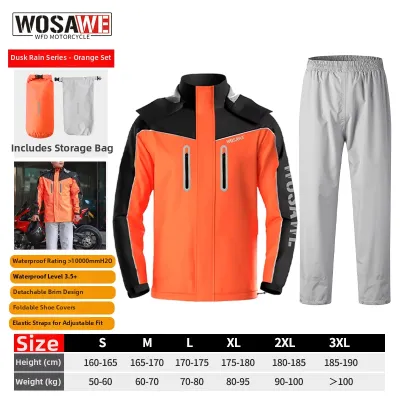
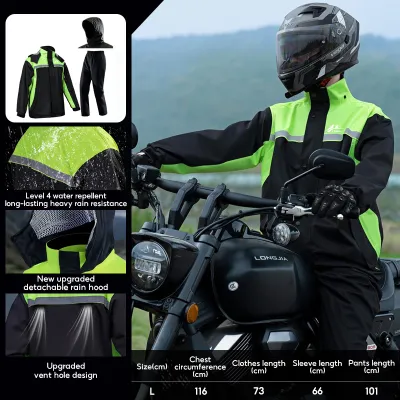
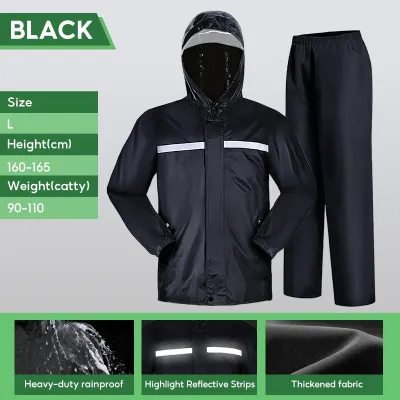
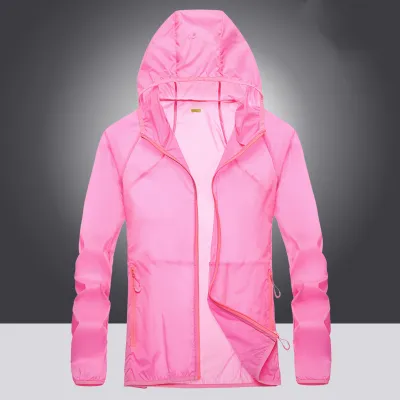
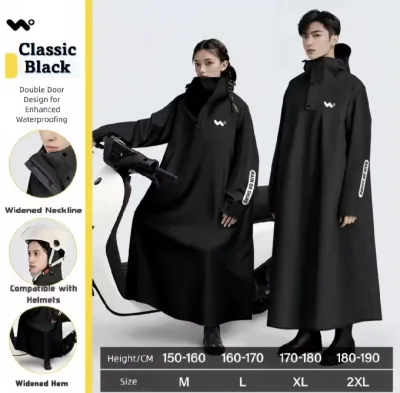
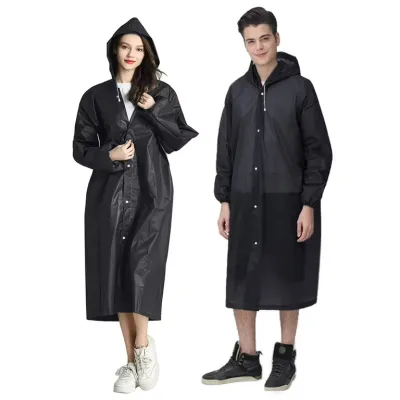
Prices are valid at publication and may change. Please refer to the product page for the latest price.
Breathability and Ventilation
In the high humidity of the Philippines, passive fabric breathability is rarely enough to keep a cyclist cool. When the relative humidity exceeds 80 percent, sweat cannot evaporate efficiently from the fabric surface. This makes mechanical ventilation features critical. Look for jackets equipped with underarm pit zips, back cape vents, or mesh-lined pockets that can be opened to allow physical airflow. These openings let cool air circulate around your torso and carry away excess body heat without allowing falling rain to enter.
Cycling-Specific Tailoring
Standard casual or hiking jackets are designed for an upright walking posture and will fail when you lean forward over bicycle handlebars. A dedicated cycling jacket features a distinct drop-tail hem, which is an elongated back panel that shields your lower back and seat from water thrown up by your rear tire. It also includes articulated elbows and gusseted underarms to prevent the fabric from pulling tight across your shoulders, ensuring an unrestricted range of motion while steering and pedaling.
Safety and Visibility
Monsoon clouds and heavy downpours significantly reduce ambient light, while road spray from passing jeepneys, buses, and cars further compromises driver visibility. To remain visible on busy roads, prioritize jackets in bright, high-visibility colors such as neon yellow, vibrant orange, or hot pink. Furthermore, ensure the jacket features robust reflective trims, piping, or panels on high-movement areas like the cuffs, shoulders, and lower back, helping motorists spot your silhouette from a safe distance.
Recommended Rain Jacket Types for Daily Commutes
Selecting the right style of rain gear depends on your typical commute distance, riding intensity, and how you prefer to manage body heat on the road. The three primary categories of wet-weather gear offer distinct advantages and trade-offs for tropical cycling.

Waterproof Hardshell Jackets
Waterproof hardshells offer the highest level of protection against heavy, sustained downpours and are ideal for longer commutes. These jackets typically feature a 2.5-layer or 3-layer construction, where the waterproof membrane is bonded to a durable outer face fabric and a protective inner lining. This design prevents the membrane from wearing down due to friction from backpack straps.
While hardshells provide an impenetrable barrier against wind and rain, they run hotter than other options. To make a hardshell viable for the warm Philippine climate, choose lightweight, packable models that feature large underarm pit zips. This allows you to adjust the airflow manually as the intensity of the rain or your riding effort changes. Quality technical hardshells generally fall into a mid-to-high price range, typically spanning from ₱3,500 to ₱8,000 or more.
Breathable Softshell and Hybrid Jackets
Softshell and hybrid jackets prioritize comfort, flexibility, and high breathability over absolute waterproofing. Constructed from woven, stretchy fabrics, softshells allow excellent freedom of movement and superior temperature regulation, making them highly suitable for fast-paced riders who sweat heavily.
However, these jackets have lower waterproof thresholds and will eventually wet through during prolonged, torrential downpours. They are best suited for shorter commutes, light intermittent showers, or days when you expect a quick drizzle rather than a severe monsoon storm. Hybrid models often feature waterproof panels on the hood and shoulders where rain hits directly, combined with highly breathable, water-resistant fabrics under the arms and down the back. These jackets typically range in price from ₱2,000 to ₱5,000.
Cycling-Specific Rain Ponchos
For casual, short-distance utility commutes or slow-paced rides on city paths, a cycling-specific rain poncho is a highly practical option. Unlike standard ponchos, cycling-specific versions feature internal thumb loops or handlebar straps. These straps allow you to drape the front of the poncho over your handlebars, creating a protective canopy that keeps your hands, thighs, and the bike’s front controls dry.
Because ponchos are completely open at the bottom, they offer unmatched airflow, virtually eliminating sweat buildup. They are also spacious enough to cover both the rider and a large commuter backpack simultaneously. Prices are highly accessible, ranging from budget-friendly options under ₱500 to specialized imported models up to ₱3,000.
Despite their convenience, ponchos have notable drawbacks in wet weather:
- Wind Resistance: The loose, wide cut acts like a sail in strong monsoon winds, creating severe aerodynamic drag and making steering difficult.
- Safety Hazards: Loose, flapping fabric can easily become entangled in your bicycle wheels, brakes, or drivetrain, leading to sudden stops or falls.
- Fasteners: To mitigate wind issues, always select ponchos equipped with secure side snap buttons, waist tie-downs, or weighted hems that keep the material close to your body.
Fit, Sizing, and Layering for the Ride
The Cycling Posture Fit
When trying on a rain jacket, do not judge the fit while standing straight. Instead, mimic your riding position by leaning forward and extending your arms as if reaching for your handlebars. Check if the sleeves still cover your wrists and if the back hem continues to cover your lower back. If the fabric pulls tightly across your shoulder blades or limits your arm movement, size up to ensure comfort and to leave room for layering.
Helmet and Collar Compatibility
A high, fleece-lined collar helps block cold wind and rain, but it must not pinch your neck or restrict your ability to look over your shoulder to check traffic. Hood designs vary significantly; some are cut slim to fit snugly under a cycling helmet, while others are larger and adjustable to fit over the helmet. Whichever style you choose, ensure the hood has adjustable drawcords so it rotates with your head, preventing the fabric from blocking your peripheral vision when turning at intersections.
Base Layer Selection
What you wear underneath your rain jacket determines your comfort level. Avoid wearing cotton shirts, as cotton absorbs sweat and holds moisture against your skin, making you feel cold and clammy once you stop pedaling. Opt instead for lightweight, moisture-wicking synthetic polyester or merino wool base layers. These fabrics pull sweat away from your skin and dry quickly, helping to maintain a comfortable body temperature beneath your waterproof shell.
Cuff and Hem Adjustments
Effective water management requires secure seals at your wrists and waist. Look for jackets with adjustable hook-and-loop cuffs or snug elastic wrists to prevent rain from running down your arms when reaching for the handlebars. Adjustable drawcords at the bottom hem allow you to cinch the jacket tight against your hips, blocking cold drafts and stopping tire spray from splashing up under the jacket.
Maintaining Your Rain Jacket's Waterproofing
Routine Cleaning
Over time, road grime, sweat, body oils, and environmental dirt clog the pores of breathable membranes and degrade the Durable Water Repellent (DWR) coating on the outer fabric. When the DWR coating fails, the outer fabric absorbs water and “wets out,” which completely blocks breathability and makes the jacket feel heavy and cold. Always consult the manufacturer’s care label on your specific jacket before washing. As a general rule, wash technical outerwear using specialized liquid detergents designed for waterproof gear, and strictly avoid standard household detergents, fabric softeners, or bleach, which can strip away protective coatings and damage the membrane.
Reactivating and Reapplying DWR
If your jacket’s care instructions permit, applying gentle, low heat can reactivate the existing DWR treatment. You can achieve this by placing the dry jacket in a clothes dryer on a gentle, low-heat cycle for 20 minutes, or by ironing it on a warm, steam-free setting while using a clean towel as a protective barrier. When water stops beading on the outer fabric even after washing and heating, it is time to reapply the finish. Use a spray-on or wash-in DWR replenishment product designed specifically for technical outdoor apparel, following the product’s label instructions carefully.
Drying and Storage in Humid Climates
The high humidity of the Philippine climate makes technical gear highly susceptible to mold, mildew, and seam tape degradation. Never pack a damp rain jacket away in a commuter bag, drawer, or dark closet. After every ride, hang the jacket on a wide hanger in a well-ventilated, shaded indoor area until it is completely dry. Avoid hanging technical gear in direct, harsh tropical sunlight, as prolonged UV exposure can weaken synthetic fibers and damage waterproof seam tapes.
Frequently Asked Questions (FAQ)
Can I use a standard hiking rain jacket for cycling?
While a standard hiking jacket provides excellent protection from falling rain, it is not optimized for the physical demands of cycling. Hiking jackets are cut for an upright walking posture and typically lack the elongated drop-tail hem needed to cover your lower back when leaning forward over handlebars. They also lack articulated sleeves, which can restrict your shoulder movement, and rarely feature the specialized rear or underarm ventilation required to manage the high body heat generated by active pedaling.
Are rain pants necessary for commuting in the wet season?
Rain pants are highly recommended for long commutes or during heavy downpours, as your thighs and shins receive the brunt of both falling rain and dirty road spray. If you choose to wear them, look for lightweight, packable overtrousers with ankle or side zippers that allow you to pull them on quickly over your shoes. For shorter commutes or lighter rain, installing full-coverage fenders (mudguards) on your bicycle is an excellent alternative, as they block a significant portion of road spray and keep your lower legs reasonably dry.
How do I keep my phone and wallet dry inside a rain jacket?
Do not rely solely on the external pockets of your rain jacket to protect sensitive electronics and valuables. During heavy, wind-driven monsoon downpours, water can pool around zippers and eventually seep through the teeth. Always store your phone, wallet, and important documents in internal zippered pockets, or place them inside a dedicated waterproof dry bag, a heavy-duty zip-top plastic pouch, or a waterproof commuter backpack before starting your ride.
Community discussion
Share your experience or ask a question. Comments are reviewed before publication.