
When the wet season hits, motorcycle commuters in the Philippines face a unique set of challenges. A sudden afternoon downpour can turn a routine ride into a hazardous journey through flooded streets and heavy traffic. To stay dry, safe, and comfortable, you need a dedicated rain gear checklist. The foundation of this checklist is a high-quality two-piece rain suit, such as a durable Sec raincoat, paired with waterproof gloves, protective shoe covers, and reliable luggage protection.
What to Look for in Commuter Rain Gear
Commuting in cities like Metro Manila, Cebu, or Davao during heavy downpours involves navigating unpredictable roads. Stop-and-go traffic, deep puddles, and sudden localized flooding mean your gear must withstand both standing water and the constant spray from surrounding vehicles.
Material durability is paramount. Heavy-duty PVC (polyvinyl chloride) offers robust waterproof performance but can trap heat, making it feel humid inside. Polyester or nylon with a polyurethane (PU) coating is lighter and more breathable, but you must ensure the fabric is thick enough to resist tearing at highway speeds.
Products mentioned in this guide
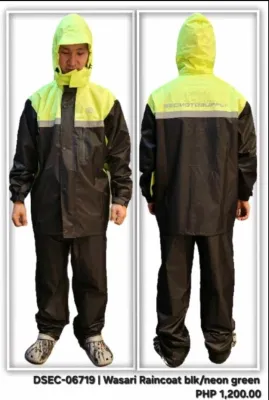
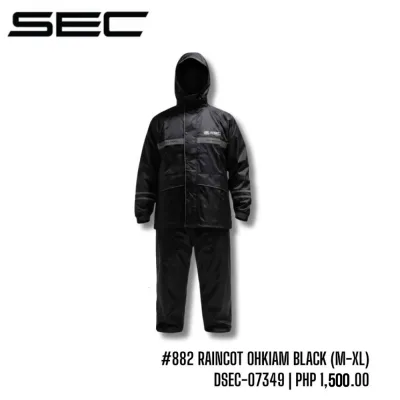
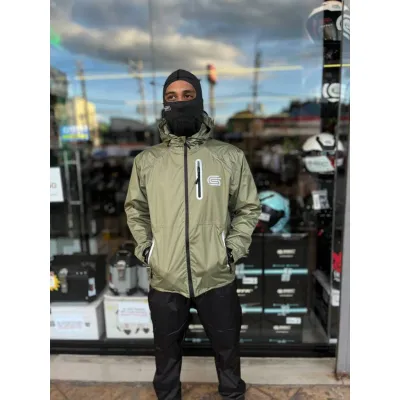
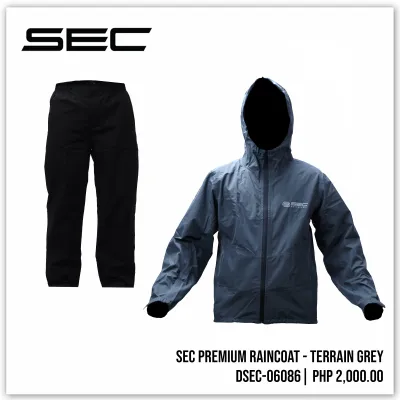
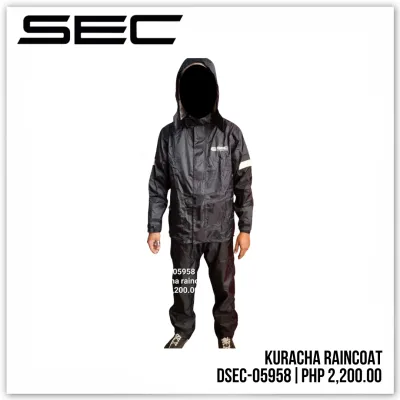
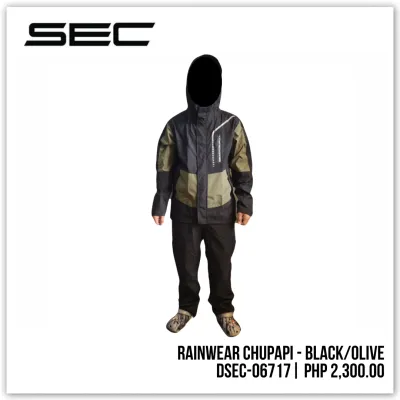
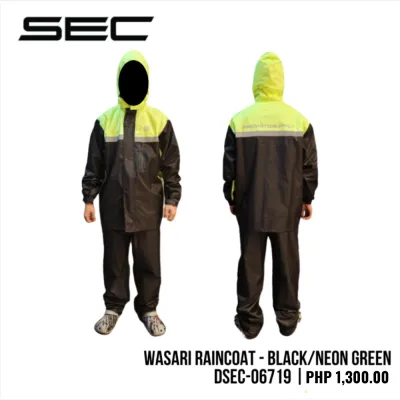
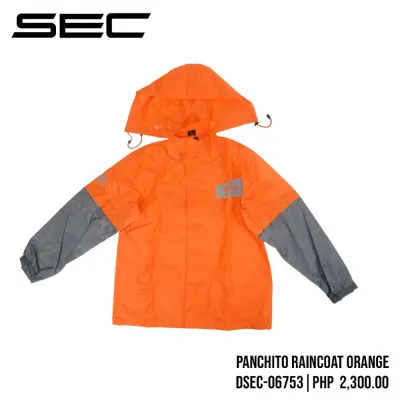
Prices are valid at publication and may change. Please refer to the product page for the latest price.
Seam sealing is the true test of any waterproof garment. Standard stitching creates thousands of tiny holes that water will inevitably penetrate under wind pressure. Look for gear with heat-welded or fully taped seams on the inside to guarantee complete water resistance.
Ease of use is critical when a sudden storm forces you to pull over on a busy highway shoulder. Your rain gear should feature wide leg openings, smooth zippers protected by double storm flaps, and adjustable hook-and-loop cuffs that allow you to slip the suit over your existing riding apparel and boots quickly.
Visibility is a major safety concern during torrential rains when gray skies and heavy spray obscure the vision of other motorists. Ensure your rain gear features bright, high-visibility colors or wide reflective strips across the chest, back, and limbs to remain visible to cars and trucks.
Finally, the gear must not restrict your movement. A suit that is too tight can limit your ability to turn your head, reach the handlebars, or operate the foot controls comfortably, which increases your risk of an accident on slick roads.
The Core Layer: Rain Suits, Ponchos, and Sec Raincoats
Selecting the right body protection is the most important decision in your wet-weather preparation. Depending on your daily commute distance, riding speed, and motorcycle type, you will need to choose between two-piece suits, riding ponchos, or one-piece over-suits.

Two-Piece Rain Suits and Sec Raincoats
Two-piece rain suits, consisting of a separate jacket and pants, are widely considered the gold standard for daily motorcycle commuting. Unlike loose-fitting alternatives, a two-piece suit fits snugly against your body, preventing the material from flapping violently at high speeds and reducing wind drag. This secure fit also ensures that water does not pool in loose folds of fabric, which can eventually seep through zippers or seams.
In the local riding community, the Sec raincoat has become a highly popular choice for daily commuters. Known for its heavy-duty PVC construction, reasonable price point, and robust durability, it is designed to withstand the harsh conditions of the local rainy season. When purchasing a Sec raincoat or similar two-piece gear, always check the manufacturer’s product label to verify the material thickness, seam-taping specifications, and sizing charts. Because these suits are designed to be worn over your regular clothes and protective riding jacket, you will typically need to select one or two sizes larger than your standard shirt size to ensure a comfortable fit.
While two-piece suits offer outstanding protection, they do have a few limitations. The heavy-duty materials, particularly PVC, can trap body heat and humidity, making them warm to wear during slow-moving traffic in tropical climates. They are also relatively bulky to pack away and require you to find a safe spot to pull over and spend a few minutes putting them on when a sudden downpour begins.
Riding Ponchos and One-Piece Over-Suits
Riding ponchos are a common sight on city streets due to their low cost and rapid deployment. They can be thrown over your head in seconds and are large enough to cover the rider, a backpack, and sometimes even the front portion of the motorcycle. However, ponchos present severe safety risks that every rider must consider before using them.
The loose, billowing design of a poncho makes it highly susceptible to catching wind, which can act like a sail and destabilize your motorcycle at higher speeds. More critically, loose fabric can easily flap into the rear wheel, chain, or belt drive, leading to sudden mechanical failure or a catastrophic crash. If you choose to use a poncho, it is vital to secure any loose edges tightly around your body and restrict your speed to slow, inner-city riding where wind forces are minimal.
One-piece over-suits, also known as rain onesies, provide an absolute barrier against water because they eliminate the waist seam where jackets and pants meet. They offer excellent windproofing and water resistance for long-distance highway riding. However, they are highly impractical for daily commuting; they are difficult to climb into on the side of the road, and removing a wet one-piece suit without getting your inner clothes wet is a significant challenge.
Protecting Your Hands, Feet, and Vision
While keeping your torso dry is essential for comfort, protecting your extremities and maintaining clear vision are critical for safety. Wet hands lose grip, cold feet slow down reaction times, and a fogged visor can completely blind you on the road.
Waterproof Gloves and Shoe Covers
Maintaining a secure grip on your handlebars, throttle, and brake levers is paramount when riding on slick, wet asphalt. Standard leather or textile riding gloves will quickly soak through, leading to cold, numb fingers and a compromised feel for the controls. You can choose between dedicated waterproof motorcycle gloves, which feature integrated waterproof membranes, or lightweight over-gloves that slip over your existing protective gear. Whichever option you select, ensure the gloves retain a high level of tactile feedback so you can operate your switches and levers smoothly.
Your feet are constantly exposed to road spray and deep puddles, making waterproof footwear protection essential. While dedicated waterproof riding boots offer the best combination of safety and weather protection, they can be expensive and warm for daily office wear. Heavy-duty PVC or silicone waterproof shoe covers offer an excellent, cost-effective alternative. These covers slide over your regular shoes or riding boots and zip or button closed. When choosing shoe covers, always inspect the sole’s tread pattern; a smooth sole can easily slip when you put your foot down on wet asphalt, painted road lines, or metal drainage grates.
Helmet Visors and Anti-Fog Solutions
During a heavy downpour, the temperature difference between the humid air inside your helmet and the cool rain outside causes moisture to condense rapidly on the inner surface of your visor. A fogged visor severely limits your field of vision, forcing many riders to crack their visors open, which lets rain blast directly into their eyes.
To prevent this dangerous situation, install an anti-fog insert, such as a Pinlock lens, if your helmet visor is compatible. These inserts create a sealed double-pane barrier that prevents condensation from forming. If your visor does not support inserts, applying a high-quality anti-fog spray or treatment to the inner surface can help disperse moisture. Always check the applied product’s label and the helmet manufacturer’s instructions before using any chemical treatments to avoid damaging the visor’s optical coatings or compromising safety.
Your choice of helmet and visor tint also plays a critical role in rainy-day safety. A full-face helmet or a modular helmet offers the best protection against driving rain, as open-face helmets allow water to sting your face and distract you. Furthermore, never use a dark tinted, mirrored, or iridium visor during rainy conditions; gray skies and heavy rain dramatically reduce ambient light, and a dark visor will make it nearly impossible to spot potholes, debris, or pedestrians. Keep a clear visor installed during the rainy season, or carry one as a backup if you ride with a tinted visor during sunny mornings.
Waterproofing Your Luggage and Work Gear
Arriving at your destination with a dry body is of little comfort if your laptop, documents, and change of clothes are soaked. Protecting your daily carry gear requires a reliable waterproofing strategy.
Waterproof backpacks made from heavy-duty tarpaulin or TPU-coated nylon with roll-top closures offer the most reliable protection for your electronics. Unlike zippered bags, roll-top backpacks eliminate the primary entry point for water. Standard backpacks equipped with integrated rain covers can work for light showers, but during heavy, prolonged downpours, wind can blow the cover loose, and water can pool at the bottom of the bag, eventually soaking through the fabric.
If you prefer to mount your luggage on your motorcycle, hard top boxes, tail bags, or tank bags are excellent solutions. Before purchasing any soft luggage, verify that it features robust zipper seals, protective storm flaps, and fully taped inner seams. Hard luggage boxes should have a rubber gasket seal around the lid to prevent water from entering under pressure.
For a budget-friendly or backup solution, you can use heavy-duty plastic liners or dry bags inside your regular backpack. Placing your laptop, phone, and spare clothes inside individual zip-lock bags or small dry bags provides an inexpensive, dual-layer defense that ensures your most valuable items remain completely dry even if your main bag leaks.
How to Clean and Store Wet Riding Gear
Proper maintenance and storage are essential to preserve the waterproof integrity of your rain gear and prevent the growth of mold, mildew, and unpleasant odors.
When you arrive at your destination, never fold up your wet rain suit and stuff it into a damp under-seat compartment, top box, or sealed plastic bag. Trapping moisture in a confined space creates an ideal environment for mold to grow, which can quickly ruin the fabric and create a persistent, sour smell. Instead, hang your gear up to air-dry inside out in a shaded, well-ventilated area. Keep the gear away from direct sunlight, heaters, or high heat sources, as extreme heat can melt PVC, degrade polyurethane coatings, and cause waterproof seam tapes to peel off.
Regular cleaning is necessary to remove road grime, mud, and oil splatters, which can slowly degrade the waterproof coatings over time. Gently wipe down the exterior of your rain gear with a damp microfiber cloth and clean water. First check the applied product’s label and the treated item’s manufacturer instructions for specific cleaning guidelines. Avoid using harsh chemical detergents, fabric softeners, or bleach, as these substances can strip away the durable water repellent (DWR) coatings. Never wash your motorcycle rain gear in a washing machine or spin-dry it, as the mechanical agitation can tear the seams, delaminate the waterproof backing, and ruin the garment’s protective properties.
Frequently Asked Questions (FAQ)
Can I use a regular everyday raincoat for motorcycle riding?
Using a standard, everyday raincoat for motorcycle riding is highly discouraged due to several safety and durability risks. Regular raincoats are not designed to withstand the high wind pressures experienced while riding, which causes the fabric to flap violently, distracting you and rapidly wearing out the material. They also lack the necessary abrasion resistance to protect you in the event of a slide, and they do not feature pockets for protective armor. Additionally, the loose fit of a standard raincoat often allows water to pool around your lap and seep through the front zipper, leaving you wet despite wearing protection.
How do I stop my helmet visor from fogging up in the rain?
To prevent your helmet visor from fogging up, start by managing your helmet’s ventilation system. Open all chin and forehead vents to maximize airflow, which helps equalize the temperature inside and outside the helmet. Installing an anti-fog insert like a Pinlock lens is the most effective long-term solution. If you do not have an insert, apply a dedicated anti-fog spray to the clean inner surface of your visor according to the manufacturer’s instructions. When stopped at traffic lights, you can also slightly crack your visor open to let fresh air circulate, but remember to close it before moving to prevent rain from entering.
Community discussion
Share your experience or ask a question. Comments are reviewed before publication.