
The tactile connection between a driver and their vehicle is centered largely on the steering wheel and the shift knob. In the Philippines, where the legacy of Mitsubishi’s motorsport division remains highly influential among car enthusiasts, upgrading to a Ralliart shift knob is a popular way to personalize a vehicle’s interior. Whether you drive a classic Lancer, a rugged Triton, or a family-friendly Montero Sport, a shift knob upgrade offers an immediate visual and physical enhancement. However, navigating the local market requires a solid understanding of the available styles, material characteristics under tropical conditions, and compatibility requirements.
Selecting the right shift knob is not merely about aesthetics; it directly impacts your daily driving comfort and control. With the wide variety of options available, from classic resin spheres to premium leather-wrapped designs, making an informed choice ensures that your upgrade is both functional and durable. By understanding the key differences in materials, fitment, and sourcing, you can confidently choose a product that elevates your driving experience while maintaining the mechanical integrity of your vehicle’s transmission.
Exploring Ralliart Shift Knob Styles and Material Options
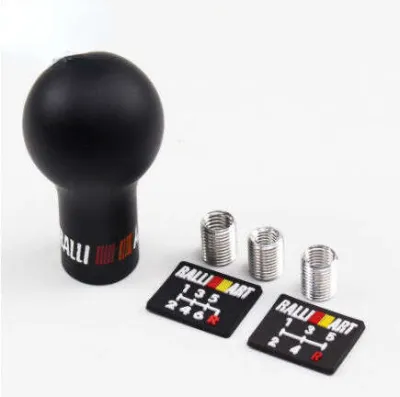
Ralliart shift knobs generally fall into several distinct material categories, each offering a unique aesthetic and tactile experience. The most common options you will encounter in the market include resin composites (often referred to as Duracon), machined aluminum, weighted metal alloys, and classic leather-wrapped styles. Resin composites are particularly favored in motorsport applications due to their lightweight nature and low thermal conductivity, while machined aluminum and weighted alloys offer a modern, industrial look and a more substantial feel in the hand. Leather-wrapped options provide a sophisticated, original equipment manufacturer (OEM) appearance that blends seamlessly with premium interior packages.
Products mentioned in this guide

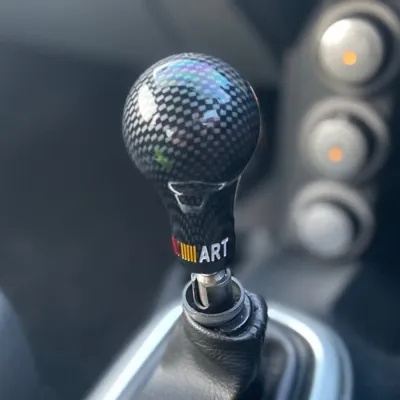
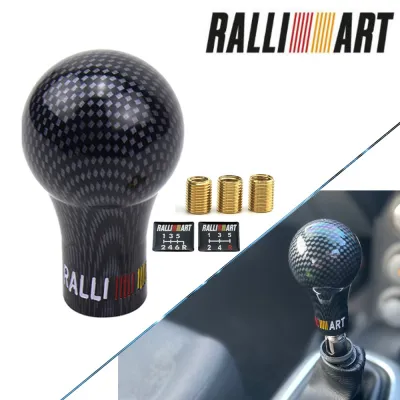
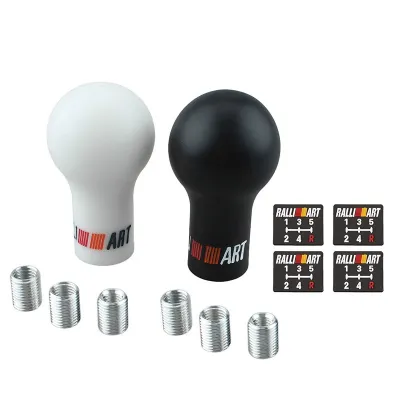
![[xps]White/Black/Carbon Resin Universal Ralliart Car Racing Manual Gear Shift Knob Shifter Lever With 3 Adapters](https://img.lazcdn.com/g/p/38d0fb9c947deb7c37b0e91eb998e22f.jpg_400x400q80.jpg_.webp)
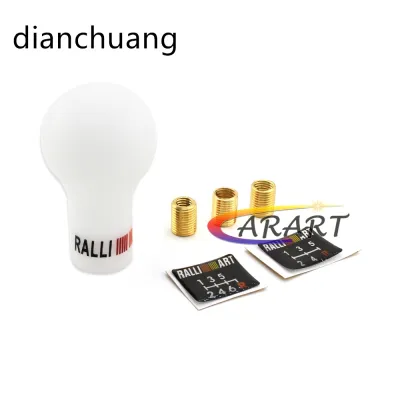
Prices are valid at publication and may change. Please refer to the product page for the latest price.
When choosing a material, the tropical climate of the Philippines is a critical factor to consider. Inside a vehicle parked under the intense midday sun in Manila or regional provinces, cabin temperatures can rise dramatically. Untextured metal shift knobs, such as raw aluminum or polished steel, absorb heat rapidly and can become painfully hot to the touch. For daily drivers who frequently park outdoors, a resin composite or a leather-wrapped shift knob is often a more practical choice. Resin does not retain heat to the same degree as metal, ensuring the knob remains comfortable to handle even after hours of sun exposure.
Humidity also plays a major role in grip and comfort. During the rainy season, or simply on hot, humid afternoons, moisture on a driver’s hands can cause slippage on smooth, untextured metal surfaces. Leather-wrapped knobs or resin options with textured finishes or ergonomic grooves offer superior tactile feedback and slip resistance. The natural texture of high-quality leather absorbs minor moisture and provides a reliable grip, which is essential for precise gear changes during spirited driving or navigating heavy stop-and-go traffic.
Aesthetically, the choice between these materials allows you to define your cabin’s character. Motorsport-inspired designs tend to favor the spherical or cylindrical resin shapes, often finished in stark black or white with the iconic red, orange, and black Ralliart stripes. These designs prioritize functional simplicity and a raw, track-ready vibe. Conversely, subtle OEM-style upgrades often utilize leather wrapping with contrasting red stitching, offering a more refined look that elevates the cabin without drawing excessive attention.
Verifying Thread Pitch and Mitsubishi Model Compatibility
One of the most common mistakes when purchasing aftermarket interior accessories is assuming that any product labeled “Mitsubishi compatible” will fit every model seamlessly. In reality, thread pitch and shift rod diameter vary significantly across different vehicle generations, transmission types, and production years. Before purchasing a Ralliart shift knob, you must verify the exact thread specifications of your vehicle’s shifter shaft to avoid damaging your transmission components.

The standard thread pitch for most manual transmission Mitsubishi passenger cars and SUVs is M10x1.25, meaning a 10mm shaft diameter with a 1.25mm thread spacing. However, some models or aftermarket short-shifter assemblies may utilize different sizes, such as M10x1.5 or even M12 threads. To accurately determine your vehicle’s requirements, consult the owner’s manual or look up the original equipment manufacturer (OEM) part number for your stock shift knob. If these resources are unavailable, you can physically measure the stock shift rod using a digital caliper and a thread pitch gauge, or visit a professional automotive technician to confirm the measurements.
The distinction between manual and automatic transmissions is another vital factor. Manual shift knobs are typically straightforward threaded units that screw directly onto the shifter shaft. Automatic transmission shifters, however, are far more complex. Many automatic vehicles feature gated shifters, button-release mechanisms, or overdrive switches integrated directly into the knob assembly. An automatic Ralliart shift knob may require set screws, locking nuts, or specialized adapter clips rather than standard thread-on installation. Attempting to force a manual threaded knob onto an automatic shifter shaft can disable safety lockouts or prevent the vehicle from shifting out of Park.
Forcing an incompatible shift knob onto your shifter rod carries significant risks. If you attempt to thread a knob with the wrong pitch, you risk cross-threading and stripping the soft metal threads on the shifter shaft. A stripped shaft cannot securely hold a shift knob, leading to a loose, spinning knob that can slip off during gear changes—a highly dangerous scenario while driving. Repairing a stripped shifter shaft often requires replacing the entire transmission linkage assembly, which is a costly and labor-intensive process. If a new shift knob does not thread on smoothly by hand with minimal resistance, stop immediately and consult a professional.
Sourcing Authentic Ralliart Accessories in the Philippines
The popularity of the Ralliart brand in the Philippines has unfortunately led to a massive influx of counterfeit and low-quality replica parts in the local market. To ensure you are purchasing a genuine, high-quality Ralliart shift knob that meets safety and durability standards, you must be selective about your sourcing. The most reliable method is to prioritize official Mitsubishi Motors Philippines Corporation (MMPC) dealerships and their authorized parts and accessories departments. Purchasing directly from a dealership guarantees authenticity, correct fitment guides, and official manufacturer warranty coverage.
If you choose to shop online, navigating major e-commerce platforms requires a vigilant approach. Look for official brand mall badges, authorized reseller certificates, and high seller ratings with consistent positive reviews. Legitimate sellers will gladly provide detailed product specifications, including exact materials, weights, and thread pitches, rather than using generic, copy-pasted descriptions. Be cautious of sellers whose storefronts feature a chaotic mix of unrelated, unbranded products, as these are rarely authorized distributors.
Identifying counterfeit products requires paying close attention to specific red flags. The most obvious indicator is an unusually low price; authentic Ralliart accessories are premium goods, so a shift knob priced at a fraction of the standard retail cost is almost certainly a replica. Additionally, inspect the packaging and the product itself. Genuine Ralliart items feature high-quality, robust packaging, clear branding, and often include holographic authenticity stickers or serial numbers. Replicas often arrive in plain cardboard boxes or plastic bags, with poorly printed logos, misaligned Ralliart color stripes, or rough, unpolished edges on the product itself.
Safe Installation Steps and Post-Install Verification
Swapping out your vehicle’s shift knob is generally a straightforward DIY task, but it must be performed carefully to ensure safe operation. To begin, you must remove the existing stock knob. For standard threaded manual shifters, this involves unscrewing the knob in a counter-clockwise direction. If your vehicle uses a shift boot collar or retainer, carefully unclip or slide it down first to avoid tearing the fabric or leather. For automatic or non-threaded knobs, locate and loosen any grub screws or set screws using the appropriate hex key before attempting to pull the knob upward.
Once the old knob is removed, clean the exposed threads of the shifter shaft with a dry microfiber cloth to remove any debris or old thread-locking compound. Before installing the new Ralliart knob, check if your kit includes specific thread adapters, locking nuts, or washers. If adapters are required, select the one that matches your shaft’s thread pitch and thread it onto the shaft first. Carefully align the new Ralliart shift knob and begin threading it clockwise by hand. It is crucial to start this process by hand to ensure the threads align perfectly; never use tools to force a knob onto the shaft, as this can easily cause cross-threading.
Tighten the shift knob securely until it is snug and aligned correctly, with the Ralliart logo or gear pattern facing the proper direction. Avoid over-torquing the knob, as excessive force can strip the internal threads of the knob, especially if it uses a plastic or brass insert. Once secure, perform a thorough post-installation safety check. Sit in the driver’s seat and shift through all gears—including reverse—while the engine is off and the clutch or brake pedal is fully depressed. Verify that the knob does not physically interfere with the center console, cup holders, handbrake, or any dashboard controls during full gear engagement.
Furthermore, ensure that the new shift knob does not obstruct your clear view of the instrument cluster or essential climate controls. The knob must feel completely solid on the shaft, with zero play, wobbling, or spinning. If you detect any movement or if the shifting path feels restricted, loosen the assembly and re-evaluate the installation. If the issue persists, reinstall your stock shift knob and seek assistance from a qualified automotive professional to ensure your vehicle remains safe to operate on the road.
Frequently Asked Questions (FAQ)
Can I use a Ralliart shift knob on a non-Mitsubishi vehicle?
While Ralliart is the dedicated motorsport and tuning division of Mitsubishi, some aftermarket Ralliart shift knobs are sold with universal adapter kits containing various thread inserts (such as M8, M10, and M12 sizes). This theoretically allows them to be installed on non-Mitsubishi vehicles with matching thread diameters. However, direct, adapter-free compatibility depends entirely on matching the exact thread size and shift rod diameter of your specific vehicle. It is highly recommended to verify your car’s exact shifter specifications rather than relying on universal adapters. Stacking multiple adapters or using poorly fitting inserts can introduce unwanted play, vibration, or slippage, which compromises driving safety.
Does a heavier shift knob improve shifting performance?
Weighted shift knobs are popular among driving enthusiasts because the added mass creates greater kinetic momentum during gear changes. This momentum can make the shifting action feel smoother and require less physical effort to slide into gear, which many drivers perceive as an improvement in shifting feel. However, it is important to understand that a heavier knob is purely a tactile modification. It cannot fix mechanical transmission issues, worn synchronizers, damaged bushings, or misaligned shift linkages. Additionally, using an excessively heavy shift knob can place constant, subtle pressure on the shift forks inside the transmission, potentially leading to accelerated wear of internal components over time.
How do I clean and maintain a leather-wrapped Ralliart knob?
Maintaining a leather-wrapped Ralliart shift knob in the humid Philippine climate requires regular, gentle cleaning to prevent the buildup of sweat, skin oils, and dirt. To clean the leather, wipe it down weekly with a slightly damp microfiber cloth to remove surface oils, then dry it immediately with a clean cloth. For a deeper clean, apply a small amount of mild, automotive-safe leather cleaner to a microfiber cloth and gently work it into the leather in a circular motion. Avoid using harsh household detergents, dish soaps, alcohol-based hand sanitizers, or excessive water, as these substances strip the natural oils from the leather, causing it to dry out, crack, or peel prematurely.
Community discussion
Share your experience or ask a question. Comments are reviewed before publication.