
Selecting the right motorcycle brake pads is one of the most critical safety and performance decisions you will make for your motorcycle. In the Philippine aftermarket, RCB (Racing Boy) has established a massive presence, offering highly accessible brake pads that appeal directly to daily commuters and enthusiasts alike. However, determining whether RCB delivers better stopping power than OEM (Original Equipment Manufacturer) components or other aftermarket brands requires looking closely at your specific motorcycle model, your daily riding environment, and your budget.
While RCB is widely recognized as a highly reliable, cost-effective aftermarket option for standard commuter bikes, scooters, and underbones, it may not always be the optimal choice for every scenario. Premium aftermarket brands or specialized OEM compounds often provide superior performance for high-displacement motorcycles, heavy-duty touring, or competitive track use. Ultimately, maximizing your stopping power is less about chasing a brand name and more about matching the correct friction material compound to your typical riding conditions while verifying exact mechanical compatibility with your brake calipers.
Brake Pad Materials and Critical Safety Boundaries
To make an informed comparison, you must first understand the primary friction materials used in motorcycle brake pads. Standard brake pads generally fall into three categories: organic, semi-metallic, and sintered metallic. Each compound behaves differently under thermal stress, exhibits distinct wear characteristics, and delivers a unique feel at the brake lever.
Products mentioned in this guide
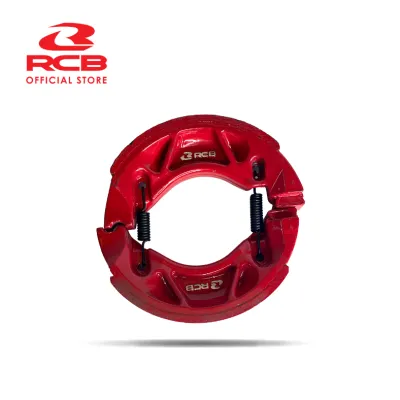
Prices are valid at publication and may change. Please refer to the product page for the latest price.
Organic brake pads, often referred to as resin pads, are composed of fibers such as glass, rubber, and carbon bound together with a high-temperature resin. These pads are generally quiet, offer a smooth and progressive lever feel, and are highly gentle on your brake rotors. However, they wear down relatively quickly and are prone to overheating under sustained, heavy braking, which can lead to a sudden loss of stopping power.
Semi-metallic brake pads bridge the gap by combining organic materials with metallic fibers, such as copper or steel fleece. This mixture enhances heat dissipation and structural strength, providing a firmer lever feel and better resistance to thermal degradation than pure organic pads. They represent a balanced middle ground for daily street use, offering reliable performance across a wide range of operating temperatures.
Sintered metallic brake pads are manufactured by fusing metallic particles together under intense heat and pressure. These pads offer an incredibly strong initial bite, exceptional high-temperature stability, and outstanding performance in wet conditions. The trade-off is that sintered pads are significantly harder, which accelerates the wear on your brake rotors and can generate more brake noise during low-speed stops.
Because your braking system is your primary safety mechanism on the road, you must consult your motorcycle’s owner’s manual or a qualified mechanic to verify the manufacturer-recommended compound and exact part dimensions before purchasing replacements. Never infer compatibility simply from a generic category term or a broad model range, as caliper designs can vary significantly even within the same model year. Mixing incompatible compounds, utilizing unverified or counterfeit parts, or altering your braking system without professional oversight can lead to catastrophic component failure on the road. Always prioritize road legality and manufacturer safety specifications over aftermarket marketing claims.
Core Comparison Dimensions: Evaluating Stopping Power and Durability
When comparing RCB brake pads to alternative brands in the Philippine market—such as Nissin, Elig, Bendix, or original OEM pads—you need a clear framework for evaluation. Comparing these products requires looking at specific performance dimensions that directly impact your daily ride and long-term maintenance costs.

Initial Bite and Stopping Power
Initial bite refers to how quickly and aggressively the friction material grabs the brake rotor the moment you pull or step on the brake lever. A strong initial bite is often favored by sport riders who want immediate deceleration, while a more progressive bite is preferred by commuters navigating slippery, uneven city streets where sudden wheel lockup must be avoided.
When evaluating RCB against competitors, check the product packaging or official manufacturer specifications for friction coefficient ratings, which are often denoted by two-letter codes (such as EE, FE, GG, or HH). An HH rating indicates the highest level of friction across both low and high temperature ranges, commonly found in premium sintered pads. RCB offers different series of pads, ranging from standard organic compounds with a progressive, user-friendly bite to higher-performance compounds designed for a sharper response.
Heat Resistance and Brake Fade
Brake fade occurs when the kinetic energy of your moving motorcycle is converted into thermal energy faster than the braking system can dissipate it. As temperatures climb past the safe operating limit of the friction material, the binding resins can begin to vaporize, creating a thin layer of gas between the pad and the rotor that severely reduces stopping power.
To prevent brake fade, look for manufacturer-stated operating temperature ranges on the product documentation. Standard organic and entry-level semi-metallic pads typically operate safely up to approximately 250°C to 300°C, making them suitable for low-speed urban riding. For demanding routes, sintered or premium semi-metallic alternatives from brands like Elig or Bendix are engineered to withstand temperatures exceeding 600°C, ensuring consistent deceleration even under continuous thermal stress.
Wear Rate and Rotor Friendliness
Every braking system involves a direct trade-off between the lifespan of the brake pads and the wear inflicted on the brake rotors. Softer compounds, such as organic or standard semi-metallic pads, wear down faster and require more frequent replacement, but they preserve the life of your expensive metal brake discs.
Conversely, harder sintered pads offer exceptional longevity, often lasting thousands of kilometers longer than organic alternatives, but their abrasive nature accelerates rotor thinning. Before upgrading to a highly abrasive sintered pad, inspect your current brake rotors for deep scoring, grooving, or warping. If your rotors are already worn near their minimum thickness specification (which is typically stamped directly on the rotor itself), installing a hard sintered pad can rapidly push the disc past its safe wear limit.
Value and Local Availability
In the Philippines, practical value is closely tied to local availability. A high-performance imported brake pad is of little use if it is out of stock when you need an emergency replacement, forcing your motorcycle to sit idle in the garage.
RCB excels in this category due to an incredibly robust distribution network across the country, making their pads easily accessible in both major urban centers and provincial motorcycle shops. When assessing value, compare the upfront purchase price—where standard RCB pads typically sit in a budget-friendly tier under ₱500—against the expected mileage and the replacement cost of your rotors. Premium brands costing over ₱1,500 may offer longer life or higher heat tolerance, but for a daily commuter, the cost-per-kilometer ratio of a standard aftermarket pad is often highly compelling.
Matching Brake Pads to Philippine Riding Conditions
No single brake pad compound is perfect for every environment. To get the best performance out of your motorcycle, you must match your choice of brand and material to the specific geographic and environmental conditions you encounter daily.
Stop-and-Go City Commuting
Navigating the congested streets of Metro Manila, Metro Cebu, or Davao City involves low-speed, high-frequency braking. Your brakes rarely have the opportunity to reach high operating temperatures, meaning you need a pad that delivers reliable stopping power right from a cold start.
For these stop-and-go conditions, standard semi-metallic or organic pads, such as RCB’s commuter-focused series, are highly effective. They do not require a warming-up period to achieve their optimal friction coefficient, they operate quietly without annoying low-speed squeals, and they produce minimal brake dust. This keeps your wheels cleaner and ensures smooth, predictable stops when filtering through tight traffic lanes.
Provincial and Mountain Touring
If your weekend rides or daily commutes take you through steep, winding mountain passes—such as the Marilaque Highway, the road to Sagada, or the steep descents of Kennon Road in Benguet—your braking requirements change dramatically. Continuous downhill braking puts immense thermal strain on your calipers and rotors.
In these mountainous environments, standard organic pads can quickly overheat, leading to dangerous brake fade. If you frequently carry heavy loads, ride with a pillion passenger, or pilot a heavier touring motorcycle, you should prioritize high-heat-resistant semi-metallic or sintered pads. Brands that specialize in heavy-duty or sintered compounds provide the necessary thermal stability to ensure your levers do not go soft on long, steep descents.
Wet and Humid Tropical Conditions
The Philippine climate is characterized by intense humidity and sudden, heavy downpours, particularly during the southwest monsoon (habagat) season. When riding through flooded streets or heavy rain, a film of water forms on your brake rotors, acting as a temporary lubricant that can dangerously delay your brakes’ initial bite.
To combat this, look for brake pads with specialized water-clearing grooves or compounds designed to maintain friction in wet conditions. Sintered metallic pads perform exceptionally well in the wet because their metallic composition quickly cuts through the water barrier to restore direct contact with the rotor. Additionally, the high humidity of a tropical climate can accelerate surface rust on cast-iron or low-grade steel rotors; choosing high-quality, corrosion-resistant pads helps keep the rotor face clean and prevents uneven wear.
Decision Framework: Choosing the Right Brand for Your Ride
To simplify your purchasing decision, use the following conditional framework to determine whether RCB or an alternative brand is the right fit for your motorcycle.
- Choose RCB or similar value aftermarket brands if: You ride a standard commuter scooter, underbone, or small-displacement motorcycle (such as a 110cc to 155cc daily driver). Your riding is primarily restricted to urban areas with moderate speeds, and you prioritize a highly affordable, widely available replacement that offers reliable, quiet performance for daily chores.
- Choose OEM or premium aftermarket brands if: You pilot a high-displacement sportbike, adventure touring motorcycle, or heavy cruiser. You frequently ride at high speeds, carry heavy luggage, navigate steep mountain passes, or demand specialized track-oriented compounds that budget aftermarket brands do not manufacture.
- Verify first if: You are unsure of your exact caliper specifications or if your motorcycle is still covered by a manufacturer warranty that requires certified OEM parts for safety-critical components. You must also inspect your brake rotors; if they show signs of deep scoring, uneven wear, or warping, resolve these rotor issues before installing any new pads.
Installation, Break-In, and Maintenance Guidelines
Installing new brake pads is only the first step in restoring your motorcycle’s stopping power. To ensure absolute safety and maximize the lifespan of your new components, you must follow proper installation, break-in, and maintenance procedures.
Before installing new pads, thoroughly clean the brake caliper assembly. Use a dedicated brake cleaner that is explicitly labeled as safe for rubber seals and pistons to wash away accumulated road grime, salt, and old brake dust. Inspect the caliper slide pins and apply a thin layer of high-temperature silicone grease to ensure the caliper can slide freely; using incorrect lubricants can cause the rubber boots to swell and bind, leading to uneven pad wear or a dragging brake.
Once the new pads are installed, you must perform a critical “bedding-in” or break-in process. This process gradually transfers an even layer of friction material from the new pad onto the surface of the rotor, establishing a uniform contact patch. To bed in your pads safely:
- Find a safe, flat, and traffic-free stretch of road.
- Accelerate your motorcycle to approximately 50 km/h.
- Apply the brakes firmly but progressively to slow down to about 10 km/h without coming to a complete stop.
- Release the brakes and ride for a short distance to allow the system to cool down.
- Repeat this cycle 15 to 20 times.
Avoid performing sudden, emergency-style stops during the first 50 to 100 kilometers of riding on new pads. Hard braking on un-bedded pads can cause localized overheating, which glazes the friction material and permanently reduces your stopping power.
Finally, if you are unfamiliar with bleeding brake fluid, aligning calipers, or using a torque wrench to tighten critical mounting bolts to original-vehicle specifications, do not attempt this installation yourself. Take your motorcycle to a qualified professional mechanic to ensure your braking system is serviced with absolute precision and safety.
Frequently Asked Questions (FAQ)
How do I know if my motorcycle brake pads need replacing?
You can visually inspect your brake pads by looking directly through the caliper window or by using a flashlight to check the thickness of the friction material remaining on the backing plate. Most brake pads feature a built-in wear indicator groove; if the friction material has worn down close to the bottom of this groove, or if the material is less than 2mm thick, the pads must be replaced immediately. Additionally, listen for auditory warning signs, such as a persistent high-pitched squeal or a harsh metallic grinding noise, which indicates the friction material is entirely gone and the metal backing plate is damaging your rotor.
Can I mix different brake pad brands on the front and rear?
While it is physically possible to install different brake pad brands or compounds on the front and rear calipers, you must ensure that each axle uses a matched pair of pads designed for that specific caliper. Mixing a highly aggressive sintered pad on the rear with a soft, low-friction organic pad on the front can severely disrupt your motorcycle’s designed brake bias, potentially leading to premature rear-wheel lockups and unpredictable handling during emergency stops. For the most balanced, predictable lever feel and controlled weight transfer, it is highly recommended to use the same compound type on both the front and rear braking systems.
Community discussion
Share your experience or ask a question. Comments are reviewed before publication.