
Upgrading your motorcycle’s braking system is one of the most critical modifications you can make, directly affecting both your safety and your riding confidence on busy Philippine roads. While the RCB R1 caliper has gained significant popularity among local riders for its distinct styling and accessible price point, choosing the right aftermarket brake caliper is not as simple as picking a popular brand. The ideal braking setup depends entirely on your specific motorcycle model, your daily riding conditions, and how well the new hardware integrates with your existing hydraulic system.
To make a safe and effective upgrade, you must evaluate how the RCB R1 caliper compares to other aftermarket options using objective specifications rather than marketing hype. This guide breaks down the essential technical checks, compatibility requirements, and long-term ownership factors you need to consider before swapping out your factory calipers. By focusing on verifiable dimensions, hydraulic ratios, and installation safety, you can ensure your upgrade delivers reliable stopping power without compromising your motorcycle’s structural integrity.
Understanding Your Braking Needs and Safety Baselines
Before browsing aftermarket catalogs, you must identify the specific reasons you want to upgrade your brakes. If you frequently experience brake fade during long descents along mountain passes or notice a spongy feel at the lever during stop-and-go traffic in high-temperature environments, a hardware upgrade may be justified. However, if your motivation is purely cosmetic, you must weigh the visual appeal against the technical complexities and safety responsibilities of altering your motorcycle’s primary safety system.
Products mentioned in this guide
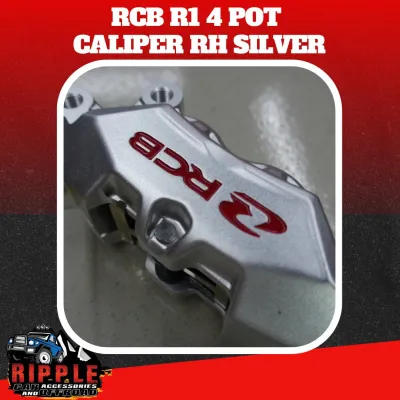
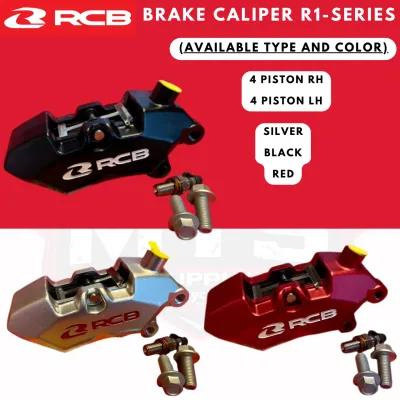
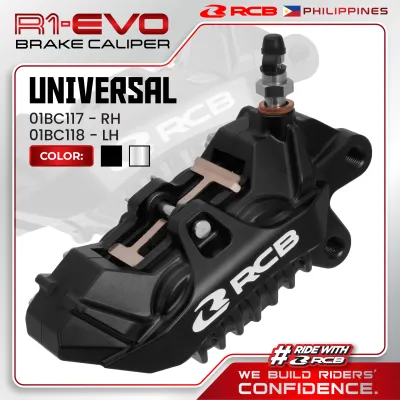
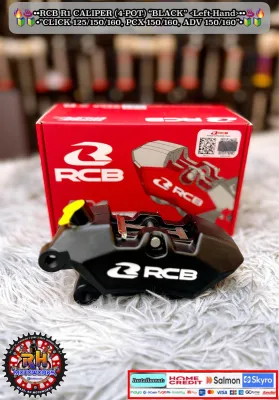
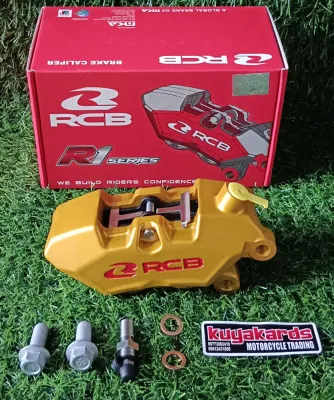
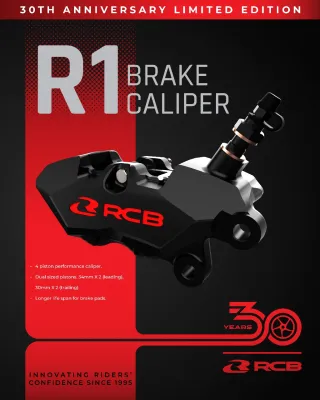
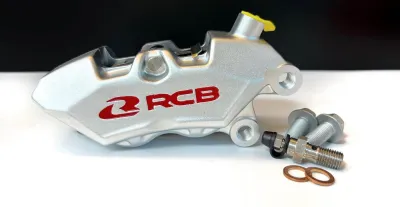
Prices are valid at publication and may change. Please refer to the product page for the latest price.
Modifying your brake calipers does not just change how quickly you stop; it alters the entire dynamic behavior of your motorcycle. A sudden increase in braking force can dramatically affect front-end dive, weight distribution, and how your front suspension compresses under load. If your suspension is not set up to handle the increased torque of a high-performance caliper, you may experience unstable handling or premature tire lockups, especially on wet or uneven asphalt.
Because braking systems are safety-critical components, any modification must comply with local road safety regulations in the Philippines. It is vital to understand that improper installation can lead to catastrophic component failure on the road. For this reason, all caliper replacements should be executed by a qualified mechanic who can verify torque specifications and ensure proper system bleeding.
Additionally, you must consult your motorcycle manufacturer’s guidelines regarding aftermarket modifications. Installing non-OEM braking components typically voids the warranty on related parts, such as the master cylinder, ABS sensors, and front forks. Understanding these boundaries beforehand helps you balance the desire for improved performance with the practical realities of vehicle ownership and legal compliance.
Evaluating RCB R1 Calipers: Specs and Fitment Checks
When considering the RCB R1 caliper, your first step is to verify its physical and hydraulic compatibility with your motorcycle. The RCB R1 is designed with specific piston configurations, often featuring a multi-piston layout that requires a precise volume of brake fluid to actuate correctly. You must check whether your motorcycle’s original master cylinder has the capacity to push enough fluid to operate the R1’s pistons without requiring excessive lever travel.

Mounting configuration is another critical factor. You need to determine whether your motorcycle uses an axial or radial mount system, as the RCB R1 caliper must align perfectly with your fork legs. Installing this caliper often requires a model-specific mounting bracket, and you must verify if the package includes the correct spacers or if you will need to source a custom CNC-machined adapter. Any misalignment, even by a fraction of a millimeter, can cause uneven pad wear, disc warping, or binding.
To ensure you are getting the correct specifications, always review the manufacturer’s official product documentation or label. Pay close attention to the stated piston diameters, body material, and seal specifications. High-quality seals are particularly important in tropical climates like the Philippines, where heavy rain, road grime, and high humidity can accelerate wear and lead to fluid leaks if the seals are not rated for harsh environmental exposure.
Finally, you must measure the physical clearance between the caliper, your wheel spokes, and the brake disc. The RCB R1 caliper has a wider profile than many factory single-piston units, which can lead to clearance issues on motorcycles with narrow wheel hubs or aftermarket rims. Ensure that the caliper does not rub against the spokes and that it is fully compatible with your current brake disc diameter and thickness.
Comparing RCB R1 Against Other Aftermarket Options
When comparing the RCB R1 caliper to other aftermarket brands available in the local market, you should focus on physical build quality indicators rather than subjective performance claims. Examine the machining finish and anodizing quality of each option. A high-quality anodized finish does more than look good; it protects the aluminum body from corrosion caused by road salt, moisture, and acidic wheel cleaners, which is a common concern for daily commuters.
Another key differentiator is the availability of dedicated, model-specific fitment kits. Some premium aftermarket brands provide complete packages that include the caliper, pre-measured spacers, high-grade mounting bolts, and a matching bracket designed specifically for your bike model. In contrast, budget brands may rely on universal adapters that require extensive modification, increasing the risk of alignment errors and structural weakness under heavy braking loads.
Local distributor support is a major practical consideration for riders in the Philippines. Before purchasing any aftermarket caliper, research how easy it is to source replacement brake pads, piston seal kits, and rebuild components. A caliper from a highly specialized brand might offer excellent specifications, but if you have to wait weeks for imported replacement pads when your current ones wear down, your motorcycle will be out of service. RCB benefits from a wide distribution network locally, making consumables relatively easy to find compared to niche European or Japanese racing brands.
Lastly, compare the fluid displacement requirements across your candidate brands. Some aftermarket calipers are designed specifically for racing applications and require matching high-ratio master cylinders to function safely. If you plan to keep your stock master cylinder, look for a caliper that matches your original hydraulic ratio to maintain a progressive, predictable lever feel during daily riding.
Cost, Value, and Maintenance Considerations
Calculating the true cost of upgrading your brakes requires looking far beyond the retail price of the caliper itself. When budgeting for an upgrade in ₱, you must factor in the cost of necessary supporting hardware. This includes high-tensile mounting bolts, custom CNC brackets if a direct-fit option is unavailable, and stainless steel braided brake lines to prevent line expansion under the increased pressure of the new caliper.
Professional installation and maintenance costs must also be integrated into your financial planning. Properly bleeding a new caliper, especially on motorcycles equipped with Anti-lock Braking Systems (ABS), requires specialized tools and expertise to ensure no air bubbles remain trapped in the hydraulic lines. Additionally, you should compare the long-term cost of consumable parts; high-performance brake pads for premium calipers often cost significantly more than standard replacement pads and may wear out faster.
Because aftermarket brake components are highly sought after, the local market has seen an influx of counterfeit products. Purchasing a fake caliper poses an extreme safety risk, as sub-standard materials can crack or fail entirely under emergency braking. To protect yourself, always purchase your caliper from authorized physical dealers or official online brand stores, and use the manufacturer’s official verification codes or holographic labels to confirm authenticity before installation.
Finally, consider how this upgrade affects your motorcycle’s overall value. While a high-quality caliper upgrade can improve your riding experience, it rarely adds significant value to the resale price of a small-displacement motorcycle. If you plan to sell the bike in the future, keep your original factory caliper and hardware in safe storage so you can restore the motorcycle to its stock configuration and transfer or sell your aftermarket caliper separately.
Decision Framework: Which Caliper Upgrade Should You Choose?
To finalize your decision, you should apply a clear, condition-based framework. Choose the RCB R1 caliper if you can verify a direct, model-specific fit for your motorcycle, if its price fits comfortably within your budget, and if you prioritize the convenience of easily sourcing replacement pads and rebuild kits from local motorcycle shops. It is an excellent choice for daily commuters and weekend tourers looking for a reliable, accessible upgrade.
On the other hand, you should look toward alternative aftermarket brands if your riding demands specialized track-day performance, if you require specific multi-piston configurations that RCB does not offer for your model, or if you are pairing the caliper with a high-end aftermarket master cylinder that requires precise hydraulic matching. These premium options are better suited for riders focused on competitive riding or highly customized builds.
Regardless of the brand you choose, you must stop the upgrade process immediately and consult a qualified professional if you encounter any installation anomalies. If the mounting bracket does not align perfectly, if the caliper body contacts the wheel spokes, or if the hydraulic lever feel remains spongy after multiple bleeding attempts, do not ride the motorcycle. Forcing a mismatched component to fit compromises your safety on the road.
Ultimately, neither the RCB R1 nor any other aftermarket caliper is suitable if your motorcycle’s structural components are compromised. If your front forks, wheel hub, or swingarm show signs of wear, cracks, or structural fatigue, they cannot safely handle the increased braking torque of an upgraded caliper. Prioritize repairing your motorcycle’s core structural elements before investing in high-performance braking modifications.
Frequently Asked Questions (FAQ)
Do I need to upgrade my master cylinder when installing RCB R1 calipers?
You do not always need to upgrade your master cylinder when installing RCB R1 calipers, but you must verify the hydraulic compatibility before riding. The relationship between the master cylinder’s piston diameter and the caliper’s total piston volume determines your braking feel and leverage. If you pair a large multi-piston caliper with a stock master cylinder that has a small bore, you may experience a spongy lever that requires you to pull it all the way to the grip to achieve stopping power. Conversely, a master cylinder that is too large will result in a stiff, wooden lever feel with very little modulation, making it easy to accidentally lock up the wheels. Always check the caliper manufacturer’s recommended master cylinder bore size to ensure a safe and progressive braking response.
Are universal brake caliper brackets safe for daily riding?
Using universal brake caliper brackets is generally not recommended for daily riding due to the severe safety risks associated with improper fitment. Universal brackets often rely on adjustable slots or multiple adapter plates to fit various motorcycle models, which introduces multiple points of potential failure. Under heavy braking, these brackets are subjected to extreme torsional forces that can lead to stress fractures, bolt loosening, or severe vibration. Furthermore, even a minor misalignment can cause the caliper to sit at an angle, leading to uneven pad wear, reduced braking efficiency, and permanent damage to your brake disc. For daily commuting and long-distance riding, you should always prioritize CNC-machined, model-specific brackets that are explicitly engineered and verified for your exact motorcycle model and fork dimensions.
Community discussion
Share your experience or ask a question. Comments are reviewed before publication.