
Upgrading the braking system of your Yamaha NMAX V2 is one of the most practical modifications you can make, especially if you regularly navigate heavy traffic, carry pillion passengers, or tackle steep mountain passes. When looking for better stopping power, the RCB R1 caliper stands out as a highly popular choice among Filipino riders. However, whether the RCB R1 is the absolute best option for your scooter depends on your budget, riding style, and readiness to perform supporting upgrades across the entire hydraulic system.
The RCB R1 serves as an excellent mid-tier upgrade, offering a substantial improvement in lever feedback, aesthetic appeal, and initial bite compared to the stock single-piston or dual-piston setup. While premium racing brands offer superior modulation and thermal management, they require a significantly higher financial investment and often demand a complete overhaul of your master cylinder and brake lines. It is crucial to remember that stopping power is the result of your entire braking system working in harmony, meaning a high-performance caliper alone cannot compensate for worn pads, old fluid, or an undersized master cylinder.
Key Specs to Compare: Piston Size, Materials, and Pad Availability
To make an informed decision when comparing aftermarket calipers, you must look beyond brand reputation and focus on objective technical specifications. The physical design of a caliper directly dictates how much force is applied to your brake rotors and how the lever feels under your fingers.
Products mentioned in this guide
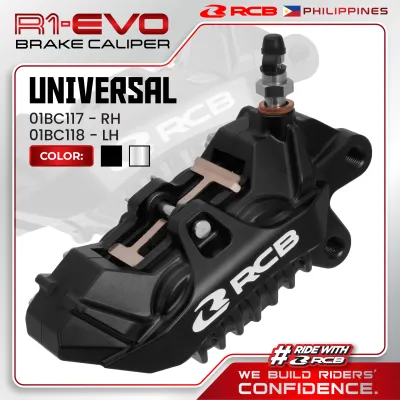
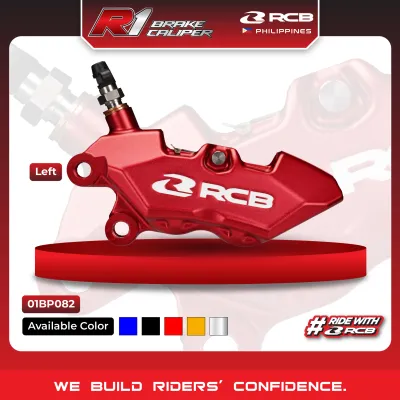
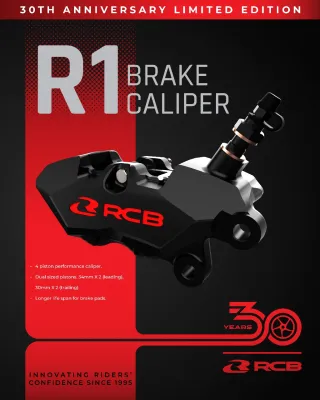
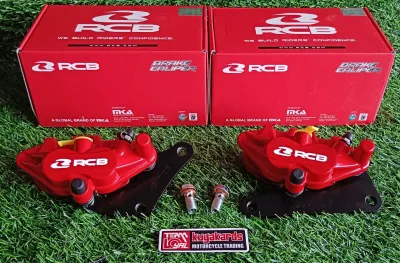
Prices are valid at publication and may change. Please refer to the product page for the latest price.
Piston Configuration and Bore Size
The number of pistons and their diameter determine the clamping force a caliper can exert. The stock Yamaha NMAX V2 front brake utilizes a single-piston or dual-piston axial caliper, which provides adequate stopping power for standard daily commutes but can feel woody or fade under heavy loads. Upgrading to a multi-piston aftermarket caliper, such as a 2-piston or 4-piston design, increases the surface area acting upon the brake pads.
This larger piston surface area multiplies the hydraulic pressure sent from your master cylinder, resulting in a stronger clamp on the rotor. However, larger or more numerous pistons require a greater volume of brake fluid to displace them. If you pair a massive 4-piston caliper with your stock NMAX V2 master cylinder, you may experience excessive lever travel or a spongy feel, as the stock master cylinder has to push more fluid than it was originally designed to manage.
Caliper Body Material and Heat Dissipation
How a caliper handles heat is critical to maintaining consistent braking performance, particularly in the tropical, high-humidity climate of the Philippines. Under continuous hard braking—such as descending from Tagaytay or riding through stop-and-go traffic in Metro Manila—the friction between your brake pads and rotors generates intense heat. If this heat is not dissipated quickly, it transfers to your brake fluid, potentially causing fluid boiling, brake fade, and a dangerous loss of stopping power.
Aftermarket calipers are generally constructed using either cast aluminum or CNC-machined billet aluminum. Cast aluminum calipers are cost-effective and durable, but they tend to be heavier and have lower thermal efficiency. CNC-machined calipers, like the RCB R1, are carved from solid blocks of high-grade aluminum alloy, resulting in a lighter, stiffer body with tighter tolerances. This structural rigidity prevents the caliper body from flexing under extreme pressure, ensuring that all hydraulic force is directed into clamping the rotor while maximizing heat dissipation.
Brake Pad Compatibility and Local Availability
A high-performance caliper is only as good as the friction material pressing against the rotor. Before purchasing any aftermarket caliper, you must verify the availability of replacement brake pads. Some boutique or highly specialized racing calipers use proprietary pad shapes that are difficult to find in local motorcycle shops, leaving you stranded when it comes time for routine maintenance.
Opting for a brand like RCB is highly advantageous in the local market because their calipers are designed to use widely standard pad shapes. This ensures you can easily source replacement organic, semi-metallic, or sintered pads from authorized local dealers or reputable online marketplaces. Always confirm that replacement pads for your chosen caliper model are readily accessible before committing to an upgrade.
RCB R1 Caliper: What to Expect for the NMAX V2
The RCB R1 caliper is engineered specifically to bridge the gap between basic OEM components and high-end racing hardware. It features a robust dual-piston configuration housed within a CNC-machined aluminum body. This design is highly favored for its sleek, anodized finishes, which allow riders to customize the look of their NMAX V2 while upgrading its performance.

When you install the RCB R1, you can expect a noticeable shift in lever feedback. The initial bite is firmer and more immediate than the stock setup, meaning the brakes engage with less physical effort at the handlebar. Additionally, the rigidity of the CNC-machined body provides progressive modulation, allowing you to feel exactly how much traction you have left and adjust your braking pressure mid-corner with greater precision.
However, installing the RCB R1 on a Yamaha NMAX V2 requires careful attention to fitment details. Because the NMAX V2 features a specific front fork configuration, the caliper cannot be bolted on directly without a dedicated caliper bracket. You must ensure you purchase a bracket designed specifically for the NMAX V2’s fork mount and your specific rotor size (whether you are running the stock 230mm rotor or an upgraded oversized disc).
Furthermore, you must verify clearances between the caliper body, the wheel spokes, and the ABS sensor. The NMAX V2’s anti-lock braking system relies on a precise gap between the ABS sensor and the sensor rotor ring. Any misalignment caused by an incorrect bracket or improper spacer installation can disrupt the ABS signal, triggering an error light or disabling your safety systems entirely. Always cross-reference the manufacturer’s official specification sheet and installation guides rather than relying solely on generic online seller descriptions.
How the RCB R1 Compares to Premium and Value Alternatives
Navigating the aftermarket brake market requires understanding where different brands sit in terms of price, performance, and long-term reliability. The RCB R1 occupies a highly competitive mid-tier position, but comparing it to premium and budget alternatives reveals clear trade-offs.
Premium Tier Options
Brands like Brembo represent the pinnacle of motorcycle braking technology, offering unparalleled modulation, material quality, and thermal resistance. A premium Brembo caliper, such as the classic 2-pot “crab” caliper or a radial-mount 4-piston option, delivers incredibly consistent feel even under extreme track conditions. The materials used in these premium systems are engineered to withstand years of hard use without seal degradation.
However, these premium options come with significant trade-offs for the average NMAX V2 owner. The retail price of a genuine Brembo caliper and its required mounting bracket can easily double or triple the cost of an RCB R1. Additionally, because of their high market value, the local market is flooded with convincing counterfeit Brembo products. Purchasing from unauthorized sellers carries a severe safety risk, as counterfeit calipers often use inferior alloys and low-quality seals that can fail catastrophically under pressure.
Value and Mid-Tier Alternatives
On the other end of the spectrum are value-oriented brands like Adelin and Frando. These brands offer CNC-machined calipers that mimic the styling and basic specifications of premium models at a fraction of the cost. For riders on a tight budget, these alternatives can provide a significant boost in initial bite and visual appeal compared to stock calipers.
Despite their cost-effectiveness, value alternatives require closer scrutiny regarding long-term durability. In highly humid and dusty environments, the rubber piston seals in lower-end calipers can degrade faster, leading to sticky pistons, uneven pad wear, or fluid leaks. If you choose a budget-friendly brand, you must be prepared to perform more frequent maintenance, inspect the seals regularly, and verify that the included brake pads meet basic safety and friction standards.
Critical Safety and Installation Requirements for Caliper Upgrades
Modifying your motorcycle’s braking system carries inherent risks. Because your brakes are your primary safety device, any installation error can result in a complete loss of control. Understanding the mechanical relationship between your brake components is essential before undertaking an upgrade.
Master Cylinder and Brake Line Matching
When you upgrade to a caliper with larger or more numerous pistons, you alter the hydraulic leverage ratio of your braking system. If your stock master cylinder piston is too small for the new caliper, you will have to pull the brake lever closer to the grip to achieve the same clamping force, resulting in a soft, progressive, but ultimately spongy feel. To restore a crisp, firm lever feel, you may need to upgrade to an aftermarket master cylinder with a larger piston diameter (such as a 14mm or 15mm radial master cylinder) that matches the fluid displacement needs of your new caliper.
Additionally, stock rubber brake lines are prone to expanding under high pressure, which absorbs some of the force meant for your caliper. When upgrading your caliper, it is highly recommended to install stainless steel braided brake lines. Braided lines do not expand under pressure, ensuring that every bit of force applied at the lever is transmitted directly to the caliper pistons, resulting in a firmer lever and more immediate braking response.
Professional Installation and System Bleeding
Brake modifications should never be treated as a casual DIY project unless you have professional-grade tools, torque specifications, and extensive mechanical experience. Caliper mounting bolts and banjo bolts must be torqued precisely to the manufacturer’s specified limits using a calibrated torque wrench. Under-tightening can cause the caliper to work loose under vibration, while over-tightening can strip the aluminum threads or snap the bolts.
Furthermore, bleeding the brake system to remove all trapped air is a critical step that requires patience and precision. This is especially true for ABS-equipped Yamaha NMAX V2 models. Air bubbles trapped inside the ABS modulator block can cause erratic ABS intervention, a spongy lever, or a complete failure of the system during an emergency stop. If you are unsure of your ability to bleed the system completely, always have the installation performed by a qualified professional motorcycle mechanic.
Bedding-In Process for New Pads and Rotors
Once your new caliper, bracket, and pads are physically installed and bled, you must perform a proper bedding-in (or burnishing) procedure before riding at high speeds. Bedding-in aligns the microscopic surface imperfections of the new brake pads with the rotor and transfers a thin, even layer of friction material from the pad to the disc surface.
To bed in your brakes safely, find a quiet, flat road and follow these steps:
- Accelerate to approximately 50 km/h.
- Apply the brakes firmly and progressively to slow the scooter down to about 10 km/h, but do not bring the vehicle to a complete stop.
- Release the brakes and ride for a short distance to allow the rotors to cool down.
- Repeat this process 15 to 20 times.
Avoid hard, abrupt emergency braking or holding the brake lever down while completely stopped during this initial phase. Doing so can cause uneven material transfer, leading to glazed brake pads, brake judder, or a permanently warped rotor.
Final Verdict: Which Caliper Setup Fits Your Riding Style?
Choosing the right caliper for your Yamaha NMAX V2 comes down to matching your upgrade budget with your daily riding requirements.
Choose the RCB R1 if:
- You want a reliable, balanced upgrade that offers a noticeable improvement in stopping power and lever feel without breaking the bank.
- You appreciate a clean, CNC-machined aesthetic with color options to match your scooter's styling.
- You want the peace of mind that comes with readily available replacement pads and a reputable brand presence in the local market.
Choose Premium Brands (e.g., Brembo) if:
- You demand maximum modulation, consistent track-level performance, and are willing to invest in a complete system overhaul, including a premium master cylinder and braided lines.
- You have a trusted, authorized dealer to guarantee you are purchasing genuine, authentic components.
Choose Value Alternatives (e.g., Adelin, Frando) if:
- You are working within a strict budget but still want the visual appeal and initial bite of a CNC-machined caliper.
- You are committed to performing frequent maintenance checks, monitoring seal condition, and sourcing high-quality aftermarket pads independently.
Verify first if:
- You are uncertain about the compatibility of your current master cylinder or if you cannot confirm the exact bracket dimensions required to align the caliper perfectly with your NMAX V2's front fork and ABS sensor ring. Always consult a professional technician before purchasing.
Frequently Asked Questions (FAQ)
Do I need to change the master cylinder when installing an RCB R1 on the NMAX V2?
It depends on the specific piston configuration of the RCB R1 model you choose. If you install a dual-piston R1 caliper, your stock NMAX V2 master cylinder can typically handle the fluid displacement, though you will notice a slightly longer, softer lever pull. However, if you upgrade to a larger 4-piston caliper, upgrading to a larger-diameter aftermarket master cylinder is highly recommended to prevent a spongy lever and maintain proper stopping control.
Will an aftermarket caliper void my Yamaha warranty?
Yes, modifying critical safety components like your braking system will typically void the manufacturer’s warranty for those specific parts and any related components. If an issue arises with your front suspension, ABS system, or wheel hub assembly, the dealership may deny warranty coverage due to the aftermarket caliper installation. Always check with your local authorized Yamaha dealer regarding their specific warranty policies before making modifications.
How often should I flush the brake fluid after upgrading the caliper?
For an upgraded braking system operating in a hot, humid environment like the Philippines, you should flush and replace your brake fluid every 1 to 2 years, or approximately every 10,000 kilometers. Brake fluid is hygroscopic, meaning it actively absorbs moisture from the air. Over time, this moisture lowers the fluid’s boiling point and degrades braking performance. If your brake lever begins to feel spongy or the fluid in the master cylinder reservoir turns dark brown, you should perform a complete flush immediately.
Community discussion
Share your experience or ask a question. Comments are reviewed before publication.