
Choosing the right brake pads is one of the most critical maintenance decisions you can make for your motorcycle. As a daily commuter navigating busy streets, your safety, comfort, and wallet are directly impacted by how your brakes perform. The RCB R55 brake pad has emerged as a highly popular aftermarket option, but determining if it is the right fit for your daily ride requires looking closely at how it handles real-world conditions.
The RCB R55 is generally positioned as a cost-effective aftermarket brake pad designed for standard daily commuting. It offers a practical balance of predictable initial bite and affordability, making it a go-to replacement for riders looking to maintain their bikes without paying dealership prices.
Whether the RCB R55 is the absolute best choice for you depends entirely on your specific motorcycle, your typical routes, and your personal braking style. For standard street use in stop-and-go city traffic, the RCB R55 provides a reliable and budget-friendly solution. However, if you frequently carry heavy loads, ride aggressively, or regularly traverse steep mountain descents, you may want to consider premium sintered pads or original equipment manufacturer (OEM) options.
Products mentioned in this guide
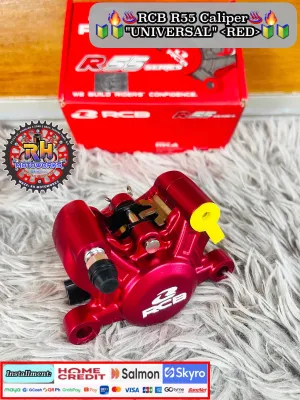
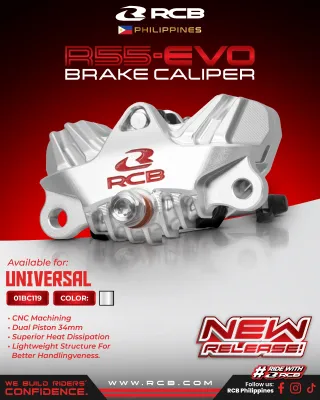
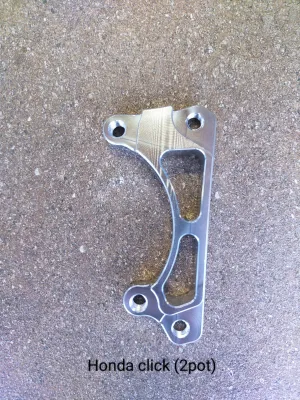
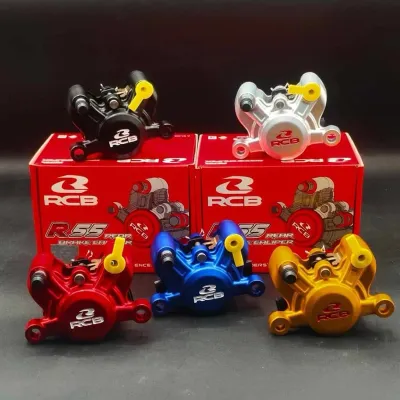
Prices are valid at publication and may change. Please refer to the product page for the latest price.
Understanding the RCB R55 Brake Pad Characteristics
RCB, or Racing Boy, is an established brand widely recognized across Southeast Asia for producing aftermarket motorcycle parts and accessories. The R55 series is specifically engineered to cater to the high-volume market of underbone motorcycles, standard automatic scooters, and light commuter bikes. It is designed to serve as a direct replacement for factory pads, offering a accessible entry point into aftermarket upgrades.
One crucial aspect of the RCB R55 is that its material composition is not uniform across all models. Depending on the specific part number (SKU) and the target motorcycle application, these pads may feature organic, semi-metallic, or ceramic friction compounds. Because different materials behave differently under heat and pressure, you should always check the exact material type printed on the product packaging rather than relying on general brand assumptions.
Compatibility is another vital factor that you must verify before purchase. Never assume a brake pad will fit your motorcycle based solely on a generic category name or the engine displacement. Always cross-reference the compatibility list printed on the RCB R55 box label with your vehicle’s specific make, model, year, and caliper type to ensure a perfect physical and mechanical fit.
What Matters Most for Daily Motorcycle Braking
When evaluating any brake pad for daily use, you must look beyond marketing claims and focus on how the friction material performs under practical, everyday riding conditions. In tropical climates characterized by intense heat and sudden downpours, several key performance dimensions dictate your safety and riding experience.

Initial Bite and Modulation Initial bite refers to how quickly and aggressively the brakes grab the moment you squeeze the brake lever. For daily commuting through dense, unpredictable city traffic, an overly aggressive initial bite can actually be dangerous, especially on slippery or wet roads. Predictable modulation—the ability to smoothly control the braking force by varying your lever pressure—is far more valuable for maintaining stability during sudden stops.
Heat Resistance and Fade Brake fade occurs when extreme heat causes the friction material to temporarily lose its gripping power, resulting in a spongy lever and longer stopping distances. In a tropical climate where ambient temperatures regularly exceed 30°C, combined with the heat radiating from asphalt and surrounding vehicle engines, brake pads must handle substantial thermal stress. Continuous stop-and-go braking or descending long hills puts immense heat into the braking system, making thermal stability a key safety factor.
Noise and Dust Commuters naturally prefer a quiet, clean ride. Squealing brakes are not only annoying but can also indicate uneven wear, glazing, or excessive dust accumulation. Furthermore, excessive brake dust can coat your wheels and clog the caliper assembly over time, potentially restricting the movement of the caliper pistons and reducing overall braking efficiency.
Lifespan and Rotor Friendliness There is always a trade-off between the lifespan of the brake pad and the wear on your brake disc (rotor). Softer compounds tend to offer a quieter ride and excellent grip, but they wear down more quickly. Harder compounds last longer but can accelerate the wear of your expensive brake rotors. For daily commuting, finding a pad that offers a reasonable service life without prematurely grinding down your rotors is essential for keeping long-term maintenance costs low.
How the RCB R55 Compares to Other Brake Pad Types
To help you make an informed decision, it is useful to compare the RCB R55 against the three primary categories of brake pads available in the local market: OEM pads, premium sintered pads, and generic budget pads.
RCB R55 vs. OEM (Original Equipment Manufacturer) Pads
OEM brake pads are the factory-installed components that come with your motorcycle from brands like Honda, Yamaha, Suzuki, or Kawasaki. These pads are meticulously engineered to meet strict factory safety standards, prioritizing longevity, low noise, and minimal rotor wear. They are designed to perform reliably across a wide range of operating temperatures and weather conditions.
The RCB R55 often serves as a direct aftermarket replacement for these OEM pads, frequently offered at a more accessible price point. While OEM pads are highly reliable, they can be relatively expensive when purchased directly from authorized dealership service centers. The RCB R55 provides a comparable level of daily performance for standard commuting, though the exact feel of the initial bite and lever feedback may differ slightly from your bike’s original setup.
One important consideration is your vehicle’s warranty status. If your motorcycle is still covered by a manufacturer’s warranty, installing non-OEM aftermarket parts like the RCB R55 could potentially affect your warranty coverage for the braking system. Always check your owner’s manual and warranty terms before making any modifications.
RCB R55 vs. Sintered and Premium Performance Pads
Sintered brake pads are manufactured by fusing metallic particles together under high pressure and temperature. This process creates a highly durable friction material that excels at handling extreme heat, making them the standard choice for high-performance motorcycles, heavy touring, and aggressive riding.
Compared to premium sintered pads from global brands, the RCB R55 is generally positioned as a milder, street-oriented pad. Sintered pads offer a much stronger, more aggressive initial bite and maintain consistent stopping power even under extreme thermal stress, such as when descending steep mountain roads like the Marilaque Highway. However, sintered pads are significantly more expensive, can produce more brake noise, and tend to wear down standard steel rotors much faster than organic or semi-metallic pads.
For standard daily commuting on underbones or small-displacement scooters, the high thermal capacity of a sintered pad is rarely fully utilized. The RCB R55 offers a more balanced, rotor-friendly, and cost-effective solution for normal city speeds and typical daily commutes.
RCB R55 vs. Budget or Unbranded Aftermarket Pads
The local market is flooded with cheap, unbranded, or counterfeit brake pads that cost a fraction of the price of established brands. While these budget options may seem tempting when you are trying to minimize maintenance expenses, they present significant safety hazards.
Unbranded pads often suffer from poor quality control. The friction material may use inconsistent compounds that can glaze over quickly, crumble under moderate heat, or fail to provide adequate stopping power in wet weather. In extreme cases, the friction material can completely detach from the metal backing plate, leading to sudden and catastrophic brake failure.
Choosing a recognized aftermarket brand like the RCB R55 ensures a baseline of quality control and predictable performance. RCB is an established manufacturer that subjects its products to standardized testing, giving riders peace of mind that their brakes will function reliably when needed most. Saving a few pesos on unbranded pads is never worth compromising your safety on the road.
Which Brake Pad Should You Buy?
Selecting the right brake pad comes down to assessing your specific riding environment, budget, and motorcycle setup. Use this decision framework to guide your purchase:
Choose the RCB R55 if:
- You primarily use your motorcycle or scooter for daily commuting in urban areas, navigating moderate city traffic, and riding at normal highway speeds.
- You are looking for a reliable, brand-name aftermarket replacement that offers a good balance of stopping power, low noise, and rotor friendliness without breaking the bank.
- Your budget sits comfortably in the mid-range (typically between ₱200 and ₱600, depending on the specific model and seller).
Choose OEM Pads if:
- Your motorcycle is still under its factory warranty, and you want to avoid any potential warranty disputes.
- You prefer the exact braking feel, lever feedback, and long-term rotor wear characteristics that the motorcycle manufacturer originally designed for your bike.
- You do not mind paying a premium at an authorized dealership to guarantee absolute compatibility and factory-grade quality.
Choose Sintered or Premium Pads if:
- You regularly ride in challenging, high-stress environments, such as carrying heavy cargo, riding with a pillion passenger daily, or frequently traversing steep mountain terrains.
- You ride a high-displacement motorcycle or engage in spirited, aggressive riding where maximum stopping power and high heat resistance are non-negotiable.
- You are willing to invest more upfront and accept faster rotor wear in exchange for superior braking performance in both dry and wet conditions.
Verify First if:
- You are unsure of your exact caliper model, as aftermarket calipers (such as upgraded multi-piston setups) require specific pad shapes that differ from stock components.
- Your brake disc is already heavily worn, warped, or deeply grooved. Installing new pads on a damaged rotor will severely reduce braking efficiency and cause premature pad wear.
Safe Installation and Break-In Procedures
Brakes are the most critical safety system on your motorcycle. Any error during installation or maintenance can lead to severe injury or accident. Before attempting to replace your brake pads, always consult your motorcycle’s owner’s manual or service manual for the correct pad specifications, torque values, and installation steps.
If you choose to replace the pads yourself, take the opportunity to inspect the entire braking system. Check the condition of the brake rotor for deep grooves or warping, and inspect the brake fluid level in the master cylinder reservoir. Keep in mind that as you push the caliper pistons back to accommodate the thicker new pads, the brake fluid level in the reservoir will rise. Ensure it does not overflow, as brake fluid can damage painted surfaces and plastics.
Once the new RCB R55 pads are installed, they must undergo a proper “bedding-in” or break-in process. During the first 100 to 200 kilometers of riding, avoid sudden, aggressive, or high-speed emergency braking unless absolutely necessary. Instead, perform gentle, controlled stops from moderate speeds. This process allows the microscopic peaks and valleys of the new pad material to align perfectly with the surface of the brake rotor, transferring a thin, even layer of friction material onto the disc. Skipping this step can cause the pads to “glaze,” resulting in a hard, glassy surface that significantly reduces braking performance and causes persistent squealing.
If you do not possess the proper tools, mechanical experience, or confidence to perform this task safely, strongly consider taking your motorcycle to a qualified professional mechanic at a reputable local shop. Professional installation ensures that all bolts are torqued to factory specifications and that the caliper operates smoothly.
Frequently Asked Questions (FAQ)
How often should I replace my motorcycle brake pads?
There is no fixed mileage interval for replacing brake pads, as wear rates depend heavily on your riding style, the weight of the bike, and your typical riding environment. For instance, a daily commuter navigating stop-and-go traffic in Manila will wear out pads much faster than someone riding long distances on open provincial highways.
Instead of relying on mileage, perform regular visual inspections. Most modern brake pads, including the RCB R55, feature a wear indicator groove cut into the friction material. When the pad wears down to the level of this groove, or if the friction material thickness drops below 2 millimeters, it is time for an immediate replacement. Additionally, listen for any metallic scraping sounds or a spongy feel at the brake lever, both of which indicate that your brakes require urgent inspection.
Can I mix different brake pad brands on the front and rear?
Yes, it is physically possible to use different brands or compounds on the front and rear wheels, as they operate on completely independent hydraulic systems. However, you must maintain a safe braking balance.
The front brake provides the vast majority of your motorcycle’s stopping power (often 70% or more), while the rear brake is primarily used for stability and minor speed adjustments. If you choose to mix pads, it is generally recommended to keep the friction levels relatively balanced. For example, installing a highly aggressive, high-bite sintered pad on the rear while using a worn, low-grip organic pad on the front can easily lead to premature rear-wheel lockups, especially on wet or slippery roads. For predictable and balanced handling, using matching or closely compatible pad materials on both wheels is the safest approach.
Community discussion
Share your experience or ask a question. Comments are reviewed before publication.