
Upgrading your motorcycle’s braking system is one of the most impactful modifications you can make, directly affecting both your safety and your riding confidence. For riders navigating the diverse road conditions of the Philippines—from the congested, stop-and-go traffic of Metro Manila to the winding, steep descents of the Marilaque Highway—a reliable braking system is absolute. A genuine RCB caliper offers a noticeable improvement in brake lever feel, modulation, and visual appeal for daily commuting and light touring, making it a highly popular and accessible upgrade.
However, the ideal caliper upgrade depends entirely on your specific motorcycle model, riding style, and budget. While an RCB caliper delivers excellent real-world performance for the vast majority of street riders, premium European or high-end Asian brands may be more suitable if you require extreme thermal management for high-speed track days or heavy-duty touring. Understanding the engineering differences, installation requirements, and safety boundaries will help you make an informed decision for your motorcycle.
Understanding Aftermarket Caliper Upgrades and Safety Boundaries
Upgrading your brake calipers is a safety-critical modification that directly alters the hydraulic dynamics and mechanical leverage of your motorcycle’s stopping system. Before purchasing any aftermarket caliper, you must verify its compatibility with your original equipment manufacturer (OEM) master cylinder, the pressure limits of your brake lines, and the physical clearance between the caliper, wheel spokes, and front forks. A mismatch in these components can lead to a spongy brake lever, insufficient stopping power, or mechanical interference that could lock the front wheel during operation.
Products mentioned in this guide
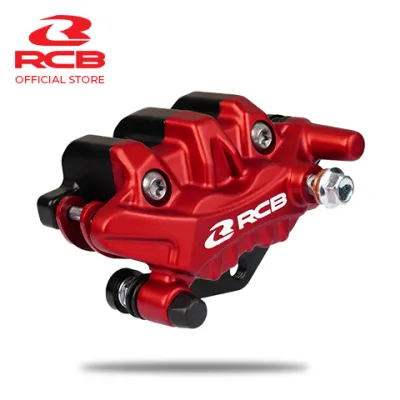
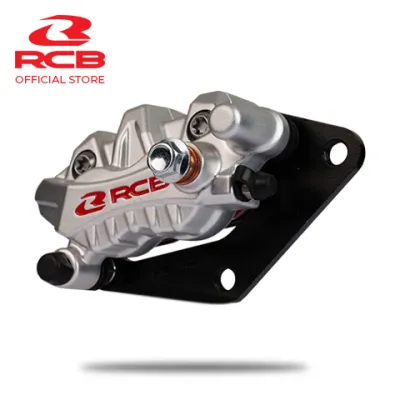
![RCB BRAKE CALIPER E-SERIES [F] EGO S/LC4S SILVER (9803-679)](https://img.lazcdn.com/g/p/7464c4ba7ea75ca0e5f710db95b0a086.png_400x400q80.png_.webp)
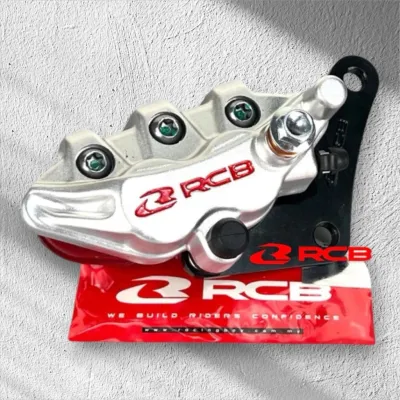
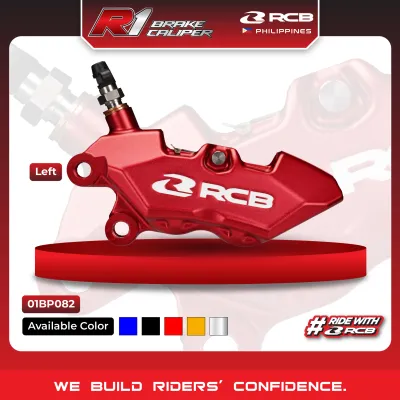
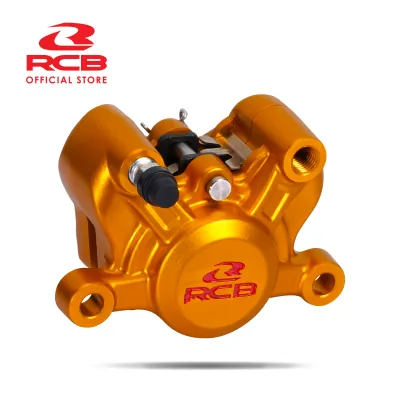
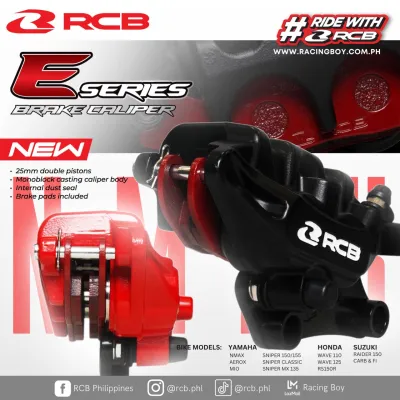
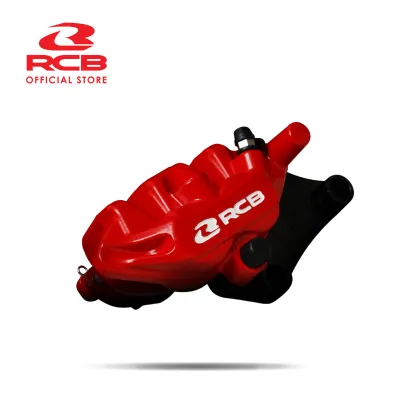
Prices are valid at publication and may change. Please refer to the product page for the latest price.
Improper installation, using mismatched components, or selecting the incorrect brake fluid can lead to catastrophic brake failure. When performing any work on your braking system, always consult your motorcycle’s factory service manual and the aftermarket manufacturer’s installation guide. If the instructions conflict, or if you are unsure of the specifications, stop immediately and consult a certified professional mechanic.
During installation, it is vital to use fresh brake fluid from a sealed container, ensuring it matches the DOT rating (such as DOT 3, DOT 4, or DOT 5.1) specified on your master cylinder reservoir cap. Never mix glycol-based fluids with silicone-based DOT 5 fluids, as this causes chemical breakdown and seal failure. All mounting bolts must be torqued to the exact foot-pounds or Newton-meters specified by the manufacturer, and high-tensile fasteners should be secured with appropriate thread-locking compounds where recommended.
Additionally, riders in the Philippines must remain mindful of local road safety guidelines and Land Transportation Office (LTO) regulations. While safety-enhancing modifications like upgraded calipers are widely accepted, any modification must not compromise the structural integrity of the suspension or braking mounts. Ensuring your upgrades are fully compliant and professionally installed guarantees that your motorcycle remains roadworthy and safe under all operating conditions.
RCB Calipers: Build Quality, Performance, and Real-World Reliability
Racing Boy, widely known as RCB, has established a strong presence in the Southeast Asian aftermarket scene by offering components tailored to popular underbones, scooters, and light-displacement motorcycles. Their caliper lineup is generally positioned as a premium yet highly accessible mid-tier upgrade. Constructed primarily from CNC-machined billet aluminum or high-strength cast alloys, these calipers feature robust anodized finishes designed to resist corrosion in hot, humid, and salty coastal environments.

RCB calipers are available in both axial and radial mounting configurations, featuring two-piston or four-piston designs. By replacing a basic OEM single-piston sliding caliper with a multi-piston RCB unit, you distribute clamping force more evenly across the brake pad surface. This design change typically results in a firmer, more progressive lever feel and a more predictable initial bite, which significantly enhances rider confidence during sudden stops.
For daily commuting on popular models like the Yamaha NMAX, Aerox, Honda Click, or Suzuki Raider, RCB calipers provide a reliable performance boost. However, long-term reliability depends heavily on regular maintenance. In the tropical climate of the Philippines, heavy downpours and road grime can accelerate wear on the piston seals. It is highly recommended to inspect the caliper seals regularly for leaks and to verify the local availability of replacement seal kits and compatible brake pads before finalizing your purchase.
How RCB Compares to Other Popular Aftermarket Brands
Choosing between RCB and other aftermarket options requires a close look at how different brands balance mechanical design, materials, and intended usage.
Braking Power and Modulation
Braking performance is not merely about maximum stopping force; it is about modulation—the ability to precisely control how much braking power is applied. RCB calipers are engineered to provide a progressive and highly predictable bite, which is particularly beneficial for street riders who need to maintain traction on wet or uneven asphalt. This predictable feedback helps prevent accidental wheel lockups, especially on non-ABS motorcycles.
In contrast, premium brands like Brembo or Frando often utilize advanced piston coatings and stiffer caliper body designs that deliver a highly immediate, aggressive initial bite and ultra-precise lever feedback. While this level of sensitivity is exceptional for high-speed track riding, it requires a disciplined hand. On the other end of the spectrum, cheap, unbranded aftermarket calipers often suffer from excessive body flex and low-quality seals, resulting in a spongy lever feel, inconsistent bite points, and poor modulation that can jeopardize your safety.
Durability and Heat Dissipation
During prolonged braking, kinetic energy is converted into intense thermal energy. If a caliper cannot dissipate this heat effectively, the brake fluid can reach its boiling point, leading to brake fade—a dangerous condition where the brake lever pulls completely to the grip without slowing the motorcycle.
Premium aftermarket brands excel in high-heat environments by utilizing specialized aluminum alloys, ventilated stainless steel or titanium pistons, and integrated cooling fins. These features are critical for aggressive track riding or descending long, steep mountain passes with heavy cargo. RCB calipers provide adequate thermal management for daily street use, highway cruising, and moderate mountain riding. However, under continuous, extreme track-day abuse, they may experience heat saturation faster than high-end racing calipers. Inspecting the caliper design for fluid volume capacity and heat-shielding properties is essential if your riding style regularly pushes thermal limits.
Fitment, Compatibility, and Installation
One of RCB’s most significant advantages in the local market is the ease of installation. RCB manufactures model-specific caliper kits that include custom-engineered mounting brackets designed to align perfectly with the factory fork mounts of popular motorcycle models. This plug-and-play approach minimizes the need for custom fabrication, ensuring the caliper sits at the correct height and angle relative to the brake rotor.
Conversely, choosing a premium universal caliper often requires purchasing separate, high-cost adapter brackets or commissioning a machine shop to fabricate custom spacers. This adds complexity and introduces potential alignment errors. You must never modify mounting brackets by drilling new holes, shaving structural material, or using incorrect bolt thread pitches, as these actions severely compromise the structural integrity of your front suspension and braking assembly.
Evaluating Value: Price vs. Performance in the Philippines Market
When evaluating aftermarket upgrades, it is helpful to look at the market in broad price bands to understand where different brands sit in terms of value:
- Entry-Level / Unbranded (Under ₱1,500): Often visually appealing but constructed from low-grade cast alloys with unverified tolerances and poor seal quality. These present significant safety risks.
- Mid-Tier / RCB (₱2,000 – ₱6,000): Offers genuine CNC-machined construction, reliable piston seals, model-specific brackets, and excellent street performance.
- Premium / Brembo, Frando, Nissin (₱10,000 – ₱30,000+): Features advanced metallurgy, superior heat dissipation, and precise modulation for high-performance or racing applications, though often requiring expensive custom brackets.
RCB occupies a highly practical middle ground, delivering a substantial performance and aesthetic upgrade over OEM components without the steep financial investment required for professional racing brands.
Beyond the initial purchase price, consider the long-term cost of ownership. Because RCB is highly popular in the Philippines, finding replacement brake pads with various compound options (such as organic, semi-metallic, or sintered) is straightforward at local motorcycle shops. Rebuild components, such as replacement pistons and rubber seal kits, are also widely distributed, ensuring you can service your caliper rather than replacing the entire unit when seals wear out.
Crucially, riders must be highly vigilant regarding counterfeit products. Due to the popularity of the RCB brand, counterfeit calipers and “Class A” replicas are widely distributed on online marketplaces and unauthorized physical shops. These fake components often use inferior metals that can crack under emergency braking stress, and their low-grade seals are prone to sudden leaks. To ensure your safety, purchase only from authorized RCB dealers, verified flagship online stores, or reputable physical motorcycle shops that can guarantee product authenticity.
Decision Framework: Which Caliper Brand Should You Choose?
To finalize your decision, evaluate your riding habits, motorcycle configuration, and performance expectations against this practical framework:
- Choose RCB if: Your primary riding consists of daily city commuting, highway traveling, or light weekend touring. You want a reliable, progressive brake feel, a matching aesthetic upgrade, and a straightforward, bolt-on installation kit that fits a moderate budget without requiring custom fabrication.
- Choose Premium Brands if: You regularly participate in track days, ride highly aggressively, carry heavy passenger or cargo loads down steep mountain roads, and have the budget for specialized racing equipment that offers maximum heat dissipation and ultra-precise modulation.
- Avoid Unbranded/Cheap Alternatives if: You prioritize your personal safety. Never compromise on braking components with unverified metallurgy, untested piston seals, or generic mounting adapters that lack structural certifications.
- Verify first if your motorcycle has ABS: If your motorcycle is equipped with an Anti-lock Braking System, changing the caliper's piston volume can alter the hydraulic displacement required to actuate the brakes. This change can affect the ABS pump's cycling rate and sensor readings, potentially causing system faults or delayed intervention. Always consult a specialist to ensure the aftermarket caliper's total piston surface area is compatible with your motorcycle's ABS module before installation.
Frequently Asked Questions (FAQ)
Do I need to upgrade my master cylinder when installing an RCB caliper?
Not necessarily, but it depends on the hydraulic ratio. Your stock master cylinder is designed to displace a specific volume of fluid. If you upgrade to an RCB caliper with significantly larger or more numerous pistons, your stock master cylinder may feel spongy or require excessive lever travel to engage the brakes. If the lever feels too soft after proper bleeding, you may need to upgrade to a master cylinder with a larger bore size to restore a firm, responsive lever feel.
Can I use my stock brake pads with an aftermarket RCB caliper?
No, aftermarket calipers almost always require brake pads specifically shaped to fit their unique internal housing and pin configurations, which differ from OEM caliper designs. When purchasing an RCB caliper, verify the exact brake pad model and backing plate shape required. Always keep a record of the compatible pad type to make sourcing replacement pads easier during routine maintenance.
Will upgrading my caliper void my motorcycle's warranty?
Yes, modifying critical safety systems like your brakes will typically void the manufacturer’s warranty on all related braking components, including the master cylinder, brake lines, and ABS module. In some cases, it may also affect the warranty on your front suspension or wheel hub assembly. It is highly recommended to consult your dealership and carefully review your motorcycle’s warranty terms before performing any aftermarket modifications.
Community discussion
Share your experience or ask a question. Comments are reviewed before publication.