
Verifying the authenticity of an ADV 160 Japanese emblem requires a careful inspection of its physical characteristics, packaging details, and purchasing source. Because high-quality replicas can closely mimic the look of original equipment manufacturer (OEM) parts, relying on a single visual cue is rarely enough to guarantee you are getting a genuine product. For scooter owners in the Philippines, where customizing the Honda ADV 160 is a popular way to express personal style, the market is flooded with various aftermarket badges. To ensure your investment lasts and does not damage your vehicle’s bodywork, you must combine material inspection, packaging verification, and seller evaluation. Purchasing directly from authorized channels remains a highly reliable method to avoid counterfeit accessories.
Why Counterfeit Scooter Emblems Flood the Market
The Honda ADV 160 is a highly popular scooter in the local market, appreciated for its rugged adventure styling. This popularity has fueled a vibrant customization culture where riders seek out Japanese-style emblems to evoke a premium, domestic-market aesthetic. Consequently, unregulated online marketplaces and social media sellers are flooded with unlicensed replica badges marketed as “original” or “OEM grade.” Installing these low-quality replicas carries risks; under the intense tropical sun and high humidity of the Philippines, cheap plastics and low-grade paints quickly fade or crack. Furthermore, harsh adhesives on counterfeit badges can chemically react with your scooter’s clear coat, leading to permanent paint damage.
Physical and Visual Traits of an Authentic Emblem
To distinguish a genuine ADV 160 Japanese emblem from a counterfeit replica, you must closely examine the physical and visual details of the product. Genuine OEM emblems are manufactured under strict quality control standards, resulting in a clean finish that replicas struggle to match.
Products mentioned in this guide
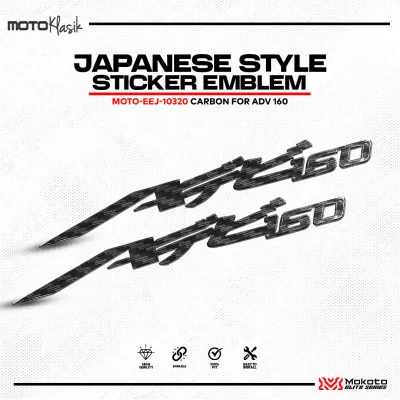
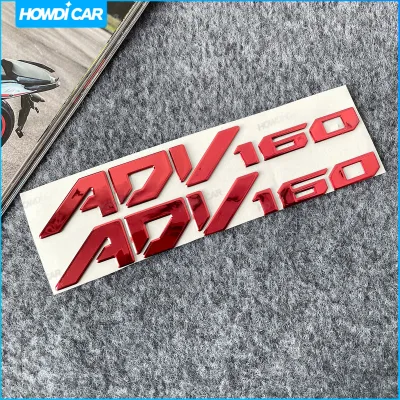
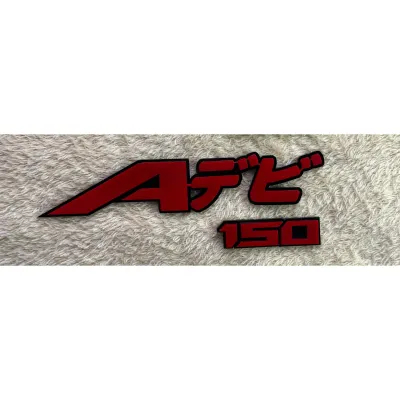
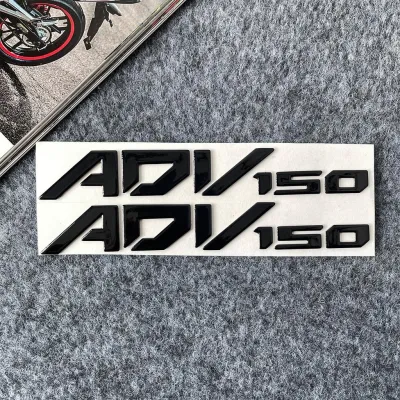
Prices are valid at publication and may change. Please refer to the product page for the latest price.

First, check the paint and finish. An authentic emblem features an even, smooth paint application with sharp, clean edges. There should be no signs of paint bleeding, overspray, or “orange-peel” texture. The colors on a genuine emblem are vibrant and precisely matched to official specifications, whereas fakes often display slightly off-color hues or a dull, matte finish.
Second, pay close attention to the typography, kerning, and alignment of the lettering. Genuine emblems use highly precise, proprietary fonts with consistent spacing. Counterfeiters often fail to replicate these exact proportions, resulting in letters that are slightly too thick, too thin, or unevenly spaced. You can verify these details by comparing the emblem side-by-side with official Honda documentation or a display model at an authorized dealership.
Third, evaluate the material and weight. The base material of a genuine emblem is typically made of high-grade, durable ABS plastic that offers a balance of rigidity and slight flexibility to conform to the scooter’s curved body panels. Replicas are often cast from cheap, brittle resin or low-quality plastics that feel unusually light and fragile. If the emblem feels flimsy or bends too easily, it is likely a counterfeit.
Finally, flip the emblem over to inspect the mounting side. Genuine OEM emblems come pre-applied with high-quality, automotive-grade double-sided adhesive precisely cut to match the exact contours of the emblem. In contrast, fake emblems frequently use generic, thin foam tape that is poorly cut, leaving exposed adhesive that traps dirt and moisture once installed on your scooter.
Packaging and Documentation Red Flags
The unboxing experience is often one of the quickest ways to spot a counterfeit product. Genuine Honda parts are packaged according to strict corporate standards designed to protect the item.
A genuine emblem typically arrives in official packaging, such as a sealed plastic bag or a sturdy cardboard box. This packaging features a standardized label containing the official part number, a scannable barcode, and clear, crisp printing. Many genuine parts also include security holograms or specific tracking stickers.
In contrast, counterfeit packaging often exhibits several red flags. Look closely for blurry text, misspelled words, or distorted logos on the label. The cardboard used for fake packaging is often flimsy, and the barcode may be poorly printed or entirely non-functional when scanned.
To protect yourself, always cross-reference the part number printed on the packaging with the official Honda parts catalog for your specific ADV 160 model year. If the part number does not exist or corresponds to an entirely different component, the emblem is fake.
Step-by-Step Authenticity Verification Checklist
If you are purchasing an emblem online or inspecting one in person, following a structured verification checklist can help you make an informed decision.
First, request high-resolution, unedited photos of the front, back, and packaging of the actual item from the seller. Avoid listings that only use stock photos or low-quality, blurry images, as this is a common tactic to hide physical defects.
Second, compare the item side-by-side with a known genuine emblem. If you do not have access to a physical reference, use clear, verified images from official dealership websites or owner forums where members have documented their OEM upgrades.
Third, inspect the edges and back of the emblem for manufacturing defects like visible mold lines, flash (excess plastic), or uneven gaps. Genuine parts undergo rigorous trimming and finishing, so any rough or unfinished edges indicate a replica.
Fourth, verify the exact dimensions and mounting position from your vehicle’s documentation to ensure the emblem is compatible with your specific ADV 160 model year, as body panel contours can vary.
Fifth, verify the seller’s return policy and authenticity guarantees before completing your transaction. A reputable seller confident in their products will typically offer a clear return window and a full refund if the item is proven to be counterfeit.
Choosing Reliable Purchasing Channels
The most effective way to ensure you are buying a genuine ADV 160 Japanese emblem is to choose your purchasing channels carefully. While online marketplaces offer convenience, they require a higher level of vigilance.
Your safest option is always authorized Honda dealerships and official service centers in the Philippines. These establishments source their parts directly from official distribution networks, guaranteeing genuine OEM parts. If the specific emblem is not in stock, many authorized dealerships can order it for you directly.
If you buy from third-party online sellers, thoroughly evaluate their store profile. Check their overall rating, read customer reviews with photos of the delivered product, and look at how long the store has been in business. Reliable sellers often have a history of positive feedback specifically mentioning authenticity.
Be highly skeptical of pricing traps. If a listing advertises an “original” or “genuine” Japanese emblem at a price that seems too good to be true, it is almost certainly a replica. Genuine OEM parts carry a premium due to manufacturing standards, so unusually cheap listings are a red flag.
What to Do If You Receive a Counterfeit Product
If you receive your package and realize the emblem is a fake, taking immediate, documented action is crucial to securing a refund.
Start by documenting the unboxing process. Take clear, well-lit photos and videos of the packaging, the shipping label, and the physical discrepancies on the emblem. This visual evidence is vital when filing a dispute.
Next, initiate a return or refund request through the e-commerce platform’s buyer protection program. Submit your documented photos and videos as evidence, explaining how the item differs from a genuine OEM part. Most major platforms protect buyers from counterfeit goods and will facilitate a refund.
Most importantly, do not attempt to install the counterfeit emblem on your scooter. Using a replica with inferior adhesives can lead to the emblem falling off while riding, or worse, the adhesive chemically bonding with your paint, causing permanent damage. Keep the item in its original, unused condition until resolved.
Frequently Asked Questions (FAQ)
Can I use a parts catalog number to verify the emblem online?
Yes, you can use the official Honda parts catalog to find the exact part number assigned to the ADV 160 Japanese emblem. Once you have the correct number, you can cross-reference it with the label on the seller’s packaging. However, keep in mind that sophisticated counterfeiters sometimes copy valid OEM part numbers and print them onto fake labels. Therefore, while a matching part number is a good starting point, you must still perform a physical inspection of the emblem’s materials and finish to confirm its authenticity.
Will a fake emblem damage my ADV 160's paint?
Yes, installing a fake emblem carries a significant risk of damaging your scooter’s paintwork. Replicas often use cheap, non-automotive adhesives that can react chemically with the clear coat, leading to discoloration, bubbling, or peeling when you try to remove them. Additionally, because fake emblems may not fit perfectly flat against the curved panels of the ADV 160, they can create tiny gaps that trap moisture, road grime, and abrasive dirt, leading to localized paint degradation over time. If you have already applied a fake emblem and wish to remove it safely, use an automotive-grade adhesive remover according to the manufacturer’s label instructions, and gently work it under the badge to avoid scratching the fairings. Always refer to your original-vehicle instructions for bodywork care, and consult a qualified professional if you are unsure about safe installation or removal.
Community discussion
Share your experience or ask a question. Comments are reviewed before publication.