
Finding a reliable replacement break shoe for ebike 3 wheels in the Philippines requires moving past generic brand names and focusing on specific material compositions, drum dimensions, and your typical payload. Because three-wheel electric vehicles—commonly known as e-trikes—are significantly heavier and carry larger passenger or cargo loads than standard two-wheel electric scooters, their braking systems experience much higher thermal and mechanical stress. There is no single “best” brand that fits every vehicle; instead, the most reliable choice is one that matches your specific e-trike model, drum diameter, and daily driving conditions.
Reliability in the context of Philippine roads depends heavily on how well a brake shoe handles frequent stop-and-go traffic, steep inclines, and sudden tropical downpours. To find a trustworthy replacement, you must prioritize brands that provide transparent material specifications, exact fitment guarantees, and clear heat-dissipation ratings over those relying solely on vague marketing buzzwords. Investing time in verifying these specifications prevents premature wear, brake squeal, and dangerous brake fade when carrying heavy loads.
Why 3-Wheel E-Bikes Demand Specific Brake Shoe Profiles
Three-wheel e-bikes operate under physical dynamics that differ drastically from their two-wheeled counterparts. An e-trike has a much higher curb weight due to its reinforced steel chassis, passenger cabin, and larger lead-acid or lithium battery packs. When you add the weight of three to six passengers or heavy delivery cargo, the total momentum that the braking system must overcome increases exponentially. Standard brake shoes designed for lightweight two-wheelers will quickly overheat, glaze over, or wear down to the metal backing within a few weeks of heavy use.
Products mentioned in this guide
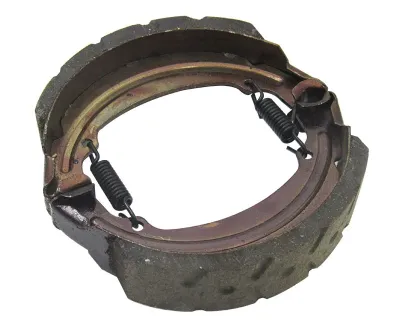
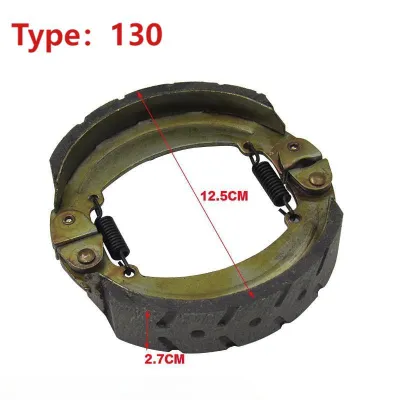
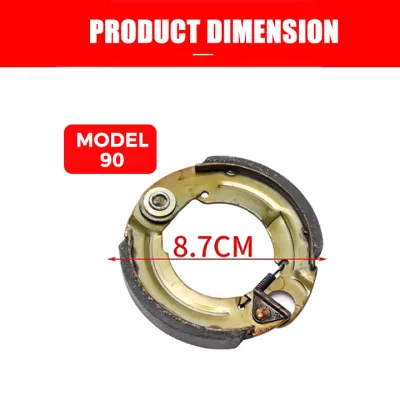
Prices are valid at publication and may change. Please refer to the product page for the latest price.
Asymmetric braking loads represent another major challenge unique to three-wheel configurations. Most e-trikes utilize a dual rear drum brake setup combined with a single front brake. If the rear brake shoes do not wear evenly or if one side has a lower coefficient of friction due to poor manufacturing tolerances, the vehicle will pull violently to one side during hard braking. This uneven braking force can destabilize a high-profile e-trike, especially when navigating sharp turns or slippery asphalt, increasing the risk of a rollover.
Environmental factors in the Philippines further accelerate the degradation of drum brakes. The combination of high ambient temperatures, intense humidity, and seasonal monsoon flooding creates a harsh operating environment. Drum brakes are enclosed systems; while this protects them from immediate dirt ingress, it also traps moisture, heat, and abrasive brake dust inside the drum. Cheap, low-quality brake shoes often absorb moisture during heavy rain, leading to a temporary but dangerous loss of stopping power, or they may suffer from premature rust on the metal backing plate, which can cause the friction material to delaminate.
Core Dimensions for Comparing Brake Shoe Brands
When comparing different brands of a break shoe for ebike 3 wheels, you must evaluate them across four primary performance dimensions to ensure they can handle daily driving demands.

Friction Material Composition
The chemical makeup of the friction lining determines how the brake shoe behaves under different temperatures and loads. You will generally choose between two primary material types:
- Organic (Non-Asbestos Organic – NAO) Compounds: These are formulated from fibers like glass, rubber, and carbon bound together with high-temperature resins. They are highly favored for their quiet operation, smooth initial bite, and minimal wear on the inner surface of the brake drum. However, organic shoes wear down much faster under heavy payloads and are highly susceptible to brake fade when temperatures rise during long descents.
- Semi-Metallic Compounds: These incorporate steel wool, copper, or iron particles into the friction mix. The metal content significantly improves thermal conductivity, allowing heat to transfer away from the braking surface more rapidly. This makes semi-metallic shoes highly resistant to brake fade and incredibly durable under heavy loads. The trade-offs include a higher potential for squealing noises, a firmer lever feel, and slightly faster wear on the brake drum itself.
Heat Dissipation and Fade Resistance
Because drum brakes are sealed, heat dissipation is a critical safety factor. When friction materials overheat, the binding resins begin to vaporize, creating a thin layer of gas between the brake shoe and the drum. This phenomenon, known as brake fade, makes the brake lever feel spongy and severely reduces stopping power. Reliable brands formulate their linings with high-temperature binders and subject their products to thermal curing processes that minimize outgassing, ensuring consistent stopping power even during continuous stop-and-go driving in dense urban traffic.
Water and Mud Resistance
During the rainy season, navigating flooded streets is a common occurrence in many Philippine municipalities. When water enters the brake drum, it acts as a lubricant, drastically reducing the friction coefficient. High-quality brake shoe brands address this by cutting diagonal water-shedding grooves into the friction lining. These grooves act as channels, using centrifugal force to sweep water, mud, and loose brake dust away from the contact zone, allowing the shoe to make clean contact with the drum wall even in wet conditions.
Fitment Precision and Hardware Inclusion
A brake shoe must match the exact curvature of your e-trike’s brake drum. If the arc of the shoe is even slightly off, only a small portion of the lining will make contact with the drum, leading to localized overheating, rapid wear, and poor braking performance. Furthermore, reliable brands package their brake shoes with high-tensile replacement return springs. Reusing old, stretched springs can prevent the shoes from retracting fully, causing them to drag against the drum, which generates excessive heat, saps battery life, and ruins the new linings.
Navigating Brand Categories: OEM, Aftermarket, and Premium Options
The market for e-trike brake shoes in the Philippines is diverse, ranging from original factory replacements to specialized heavy-duty upgrades. Understanding these categories helps you set realistic expectations for price and performance.
OEM (Original Equipment Manufacturer) Replacements
Sticking with the official replacement parts provided by your e-trike manufacturer is the safest baseline option. These parts are designed to match the exact specifications, dimensions, and weight ratings of your specific vehicle model. OEM parts generally offer reliable, quiet performance and a guaranteed fit without modification. However, they are often optimized for average commuting conditions and may not offer the enhanced durability or heat resistance required if you use your e-trike for commercial hauling, heavy water-delivery services, or passenger transport in hilly areas.
High-Volume Aftermarket Brands
Widely available in local motorcycle parts shops and online marketplaces, high-volume aftermarket brands offer budget-friendly alternatives, typically ranging from ₱150 to ₱300. While some of these brands provide excellent value, the quality in this segment can vary wildly from batch to batch. When purchasing aftermarket brands, you must carefully inspect the packaging for anti-counterfeit labels, holographic seals, and clear manufacturer contact details. Avoid unbranded, ultra-cheap options wrapped in plain plastic, as they often use low-grade adhesives that can fail under high thermal stress, leading to dangerous lining separation.
Premium and Specialty Upgrades
For e-trikes operating under demanding conditions, premium aftermarket brands offer heavy-duty or “cargo-grade” brake shoes, usually priced between ₱400 and ₱800. These products are engineered specifically for commercial utility, utilizing advanced semi-metallic or ceramic-infused compounds. They feature reinforced steel backing plates to resist flexing under extreme pedal or lever pressure, high-durability return springs, and advanced water-shedding groove patterns. While more expensive upfront, their extended service life and superior resistance to brake fade make them a highly cost-effective choice for fleet operators and daily delivery drivers.
Decision Framework: Choosing the Right Brake Shoe for Your Needs
To select the most reliable brake shoe for your three-wheel e-bike, assess your typical driving habits, payload demands, and local terrain against this practical decision framework:
- Choose OEM replacement shoes if:
- Your daily rides consist of light commuting with one or two passengers on flat, paved urban roads.
- You prioritize quiet, smooth braking and want a guaranteed, hassle-free installation without measuring or modifying hardware.
- You prefer a soft, progressive lever feel and are satisfied with the braking performance your e-trike had when it was brand new.
- Choose premium semi-metallic aftermarket shoes if:
- You use your e-trike for commercial purposes, such as hauling heavy goods, water jugs, or operating as a public utility vehicle with maximum passenger capacity.
- You regularly navigate hilly terrain, steep overpasses, or areas prone to heavy stop-and-go traffic where brakes are constantly applied.
- You require maximum resistance to brake fade and are willing to accept slightly more brake noise or firmer lever pressure in exchange for absolute stopping power and long-term durability.
- Avoid or reject any brake shoe brand if:
- The packaging does not clearly state the friction material composition (e.g., organic, semi-metallic) or lacks a verified part number and compatibility list.
- The manufacturer does not specify the exact millimeter sizing (such as 110mm, 130mm, or 140mm) of the brake drum it is designed to fit.
- The metal backing plate shows signs of poor manufacturing, such as rough, unpainted edges, visible rust, or uneven bonding where the friction lining meets the metal.
Safety Checks, Installation, and Bedding-In Procedures
Because braking systems are critical safety components, any modification or replacement must be approached with extreme caution. Improperly installed brake shoes on a three-wheel e-bike can lead to asymmetric braking, severe pulling to one side, or complete loss of vehicle control. Before purchasing or installing new brake shoes, always consult your e-trike’s official service manual to verify compatible part numbers, drum dimensions, and the manufacturer’s recommended torque specifications for axle nuts and linkage bolts.
Before mounting the new shoes, conduct a thorough inspection of the brake drum assembly. Check the inner surface of the drum for deep scoring, ridges, or out-of-round wear; a heavily damaged drum will rapidly ruin new brake shoes and must be machined or replaced. Clean the entire backing plate assembly and the inside of the drum using a dedicated, residue-free brake cleaner to remove accumulated road grime and old brake dust. Never use compressed air to blow away brake dust, as inhaling these fine particles poses a serious health hazard.
Once the new brake shoes are installed, you must perform a proper bedding-in (or burnishing) procedure to ensure optimal performance and longevity. This process gradually transfers a thin, even layer of friction material from the new shoe to the inner wall of the brake drum, maximizing the contact surface area. To bed in the brakes:
- Find a safe, flat, and traffic-free paved area.
- Accelerate the e-trike to a moderate speed of approximately 15 to 20 km/h.
- Apply the brakes smoothly and firmly to slow the vehicle down to a walking pace, but do not bring the vehicle to a complete stop.
- Release the brakes and drive for a short distance to allow the drums to cool down.
- Repeat this cycle 15 to 20 times, avoiding sudden emergency stops or locking up the wheels.
If you notice any unusual vibrations, persistent squealing, or uneven pulling after the bedding-in process, stop riding immediately. If you lack the specialized tools, such as brake spring pliers, or if you feel unsure about adjusting the mechanical brake cables and linkages to ensure even engagement on both rear wheels, always seek the assistance of a qualified mechanic. Properly maintained and professionally installed brake shoes are your single best defense against the unpredictable hazards of daily road travel.
Community discussion
Share your experience or ask a question. Comments are reviewed before publication.