
Quick Answer: Choosing the Right Brake Pad Brand for City Traffic
Navigating the dense, stop-and-go traffic of Philippine cities requires absolute confidence in your motorcycle’s braking system. When riding through congested metropolitan roads, the performance of your front brake, locally referred to as the preno sa harap ng motor, is your most vital safety asset. Choosing the most reliable front brake pad brand is not about finding a single “best” option, but rather selecting the right category of pad that aligns with your specific daily commuting conditions, vehicle type, and maintenance habits.
For most daily commuters, the choice comes down to a simple, conditional decision framework. If you prioritize hassle-free installation, predictable factory-spec performance, and a standard lever feel, choosing genuine Original Equipment Manufacturer (OEM) brands—such as those supplied directly by Honda, Yamaha, Suzuki, or Kawasaki—is the most reliable route. These parts are engineered specifically for your motorcycle model, ensuring perfect compatibility and consistent performance under normal riding conditions without any need for modifications.
On the other hand, if you frequently carry heavy loads, ride in extreme stop-and-go heat, or navigate steep, hilly terrains, established aftermarket brands like Nissin, Bendix, EBC, or Brembo offer specialized friction compounds that can outperform standard factory pads. These premium aftermarket options are formulated to provide superior heat dissipation and enhanced stopping power under demanding conditions. However, regardless of the brand you choose, verifying the exact fitment for your motorcycle model and purchasing from authorized dealers are the ultimate safeguards for your safety on the road.
Products mentioned in this guide
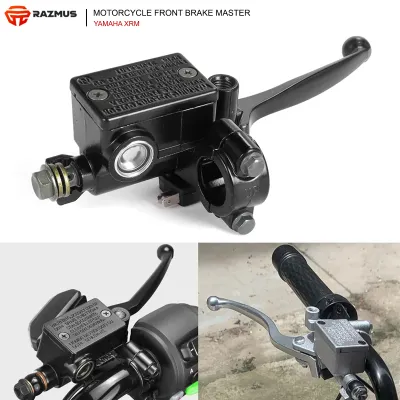
Prices are valid at publication and may change. Please refer to the product page for the latest price.
Core Criteria for the Front Brake (Preno sa Harap ng Motor) in Daily Commuting
Daily commuting in the Philippines presents a unique set of challenges that put immense stress on your motorcycle’s front brake system. From intense tropical heat and sudden torrential downpours to flooded streets and dusty, uneven road surfaces, your brake pads must perform consistently across a wide range of environmental conditions. To determine which brand or compound is truly reliable for your daily route, you must evaluate how well a product meets several critical performance criteria.

The first and most critical criterion is initial bite, which refers to how quickly and smoothly the brake pads engage when you first squeeze the brake lever. In tight city traffic, where pedestrians can suddenly step into the road or utility vehicles might stop unexpectedly, you need a predictable initial bite. If the bite is too aggressive, it can lock up the front wheel on slippery or dusty pavement, leading to a dangerous slide. Conversely, if the bite is too weak, your reaction time is compromised, and your stopping distance increases significantly.
Heat management is another vital factor for daily city riders. In heavy stop-and-go traffic, you are constantly applying and releasing the front brake at low speeds, which prevents adequate airflow from cooling the brake caliper and rotor. This continuous friction causes heat to build up rapidly within the brake assembly. If your brake pads cannot handle this thermal stress, they will suffer from brake fade, a condition where the friction material loses its grip, making the brake lever feel soft and severely reducing your stopping power.
Noise, dust production, and rotor friendliness are also important considerations for a comfortable and clean daily commute. High-pitched squealing every time you slow down is not only annoying but can also indicate uneven wear or glazing on the pad surface. Furthermore, excessive brake dust can accumulate on your front wheel rim, suspension forks, and speed sensors, which can interfere with the operation of electronic systems like ABS. Finally, you must consider rotor friendliness; the ideal commuter brake pad strikes a practical balance, offering reliable stopping power while preserving the lifespan of your front brake disc.
OEM vs. Reputable Aftermarket Brands: Which Route to Take?
When shopping for replacement front brake pads in the local market, you will generally face a choice between genuine OEM parts and reputable aftermarket brands. Understanding the distinct advantages and trade-offs of each category is essential for making an informed decision that matches both your budget and your safety requirements. Both paths offer highly reliable options, but they cater to slightly different rider priorities and maintenance styles.
Genuine OEM brands are the parts packaged and sold by your motorcycle’s manufacturer, designed specifically to match the original specifications of your vehicle. Sourcing genuine OEM pads from an authorized dealership guarantees an exact fit, quiet operation, and the familiar, predictable braking feel that you experienced when your motorcycle was brand new. OEM pads are the ideal choice for standard daily commuting, light scooters, and riders who prioritize original factory performance and easy sourcing through local brand-authorized service centers.
Established aftermarket brands, such as Nissin, Bendix, Brembo, and EBC, specialize in manufacturing braking components for a wide variety of vehicles. These brands often offer multiple product lines with different friction formulations, allowing you to customize your braking performance. For instance, you can choose a ceramic compound for cleaner, quieter braking, or a semi-metallic compound for better wet-weather performance. Premium aftermarket brands often introduce advanced materials that can upgrade your braking performance beyond factory levels, particularly in high-temperature environments.
Before purchasing any aftermarket brake pads, you must consult the manufacturer’s official fitment catalog to verify that the specific part number is designed for your exact motorcycle make, model, and year. Never rely solely on generic online listings or visual comparisons, as even minor differences in backing plate dimensions or mounting tab shapes can prevent the pad from fitting securely in your caliper. A poorly fitting brake pad can shift during operation, leading to caliper binding, uneven wear, or catastrophic brake failure.
Understanding Brake Pad Compounds for Stop-and-Go Traffic
The reliability and performance of your front brake pads are primarily determined by the friction material, or compound, bonded to the metal backing plate. Different brands utilize various proprietary blends of materials, which are generally categorized into organic, semi-metallic, and sintered formulations. Understanding how these compounds behave in stop-and-go city traffic will help you select the most appropriate option for your daily commute.
Organic or Kevlar compounds are made from a mixture of non-asbestos fibers, such as rubber, glass, carbon, and Kevlar, bonded together with high-temperature resins. These pads are known for their soft, progressive initial bite and exceptionally quiet operation. Because the material is relatively soft, organic pads are extremely gentle on your front brake disc, minimizing rotor wear and producing very little abrasive dust. This makes them a highly comfortable and low-maintenance choice for daily city riding on lightweight scooters and underbones.
Semi-metallic compounds offer a highly versatile middle ground for daily commuters. These pads are constructed by mixing synthetic materials with metallic fibers, typically copper, iron, or steel. The addition of metal fibers significantly improves the pad’s heat conductivity and structural strength. As a result, semi-metallic pads provide a firmer lever feel, a stronger initial bite, and much better resistance to brake fade during prolonged stop-and-go traffic compared to organic options, though they may generate slightly more dust and noise.
Sintered or metallic compounds are manufactured by fusing metallic particles together under intense heat and pressure. This process creates an incredibly dense, hard, and durable friction material that offers exceptional heat resistance and maximum stopping power. However, sintered pads are generally not recommended for standard daily city commuting. Because they are designed for high-speed or heavy-duty riding, sintered pads require higher operating temperatures to work at their peak efficiency, can squeal frequently, and are highly abrasive, leading to rapid wear of standard commuter brake rotors. Always check the manufacturer’s label or packaging for the intended use case (e.g., “street,” “commuter,” or “track”) rather than relying solely on the brand name.
How to Avoid Counterfeit Brake Pads on E-Commerce Platforms
The popularity of online shopping in the Philippines has made it incredibly convenient to purchase motorcycle maintenance parts, but it has also opened the door to a flood of counterfeit products. Fake brake pads are a severe safety hazard on the road. Because brake pads are responsible for stopping your vehicle, using a counterfeit part with unverified, substandard friction materials can lead to catastrophic consequences, including sudden pad disintegration, complete loss of braking power, or severe damage to your front brake rotor.
To protect yourself from these dangerous fakes, you must learn to identify common red flags when browsing e-commerce platforms. The most obvious warning sign is a price that seems too good to be true. If a premium brand’s front brake pads are being sold for a fraction of their authorized retail price, they are almost certainly counterfeit. Additionally, pay close attention to the product packaging; blurry printing, misspelled words, low-quality cardboard, and missing holographic security labels are clear indicators of a fake product.
The safest way to avoid counterfeit parts is to purchase exclusively from authorized distribution channels. This includes physical authorized dealerships, official flagship stores on major online marketplaces, or well-established, reputable local motorcycle parts shops. When buying online, always verify that the seller has a verified business badge or is listed as an official distributor on the brand’s local social media pages or website. Saving a few pesos on a cheap, unverified brake pad is never worth risking your life on the road.
Installation, Bedding-In, and Safety Boundaries
Replacing your motorcycle’s front brake pads is a critical maintenance task that directly impacts your safety on the road. Because the front brake handles the vast majority of your stopping power, any errors made during the installation process can lead to immediate brake failure. If you do not have the proper tools, mechanical experience, or a clear understanding of your motorcycle’s braking system, you should never attempt to replace the pads yourself. Instead, always have a qualified professional mechanic perform the work.
A professional installation involves much more than simply swapping out the old pads for new ones. A qualified mechanic will thoroughly clean the brake caliper assembly using a dedicated brake cleaner to remove accumulated road grime, brake dust, and corrosion. They will inspect the caliper pistons for smooth movement, lubricate the slide pins with specialized high-temperature silicone grease, and check the condition of the rubber dust boots. Finally, they will use a torque wrench to ensure that the caliper mounting bolts are tightened to the exact specifications outlined in your motorcycle’s original service manual.
Once the new front brake pads are installed, they must undergo a proper bedding-in, or break-in, procedure before normal use. To bed in your new pads safely, find an open road with minimal traffic. Accelerate to a moderate speed of 40 to 50 km/h, then apply the front brake with smooth, progressive pressure to slow down to a walking pace of 10 km/h. Do not bring the motorcycle to a complete stop during these cycles, as this can transfer uneven patches of material and cause brake judder. Repeat this process 10 to 15 times, allowing the brakes to cool slightly between runs.
There are several strict safety boundaries and checks that you must observe during replacement. First, never mix different brands or compounds of brake pads within the same caliper, as this causes uneven wear and unpredictable performance. Second, always inspect your front brake rotor; if it is warped, has deep grooves, or is worn below the minimum thickness limit stamped on its face, it must be replaced immediately. Additionally, monitor your brake fluid level. As the caliper pistons are pushed back to accommodate the thicker new pads, the fluid level in the master cylinder reservoir will rise. Ensure it does not overflow, as brake fluid is highly corrosive to paint and plastics. If necessary, bleed the system or top up the reservoir using only fresh fluid of the exact type specified on the reservoir cap.
Finaly, always perform a series of static safety checks before taking your motorcycle out on the road. Squeeze the front brake lever several times while stationary to pump the caliper pistons out and establish firm contact between the new pads and the rotor. The lever should feel firm and responsive; if it feels spongy, pulls excessively close to the handlebar, or lacks immediate stopping power, do not ride the motorcycle. Stop immediately and consult a professional mechanic to diagnose and resolve the issue, which is often caused by air trapped in the brake lines or a faulty master cylinder seal.
Frequently Asked Questions (FAQ)
How do I know when my front brake pads need replacing?
Determining when to replace your front brake pads is crucial for maintaining safe stopping power and preventing expensive damage to your motorcycle’s braking system. The most reliable method is to perform a regular visual inspection. Look directly through the front or rear window of your brake caliper assembly to check the thickness of the remaining friction material. If the friction material has worn down to less than 2 millimeters, or if it is level with the wear indicator grooves cut into the pad, you must replace the pads immediately.
You should also remain alert to auditory and physical warning signs while riding. If you hear a high-pitched squealing or a harsh, metallic scraping noise when you apply the front brake, your pads are likely worn out. A metallic scraping sound is particularly urgent, as it indicates that the friction material is completely gone, and the metal backing plate is grinding directly against your brake rotor. This will quickly score and ruin the rotor, requiring a costly replacement. Additionally, if you notice that the brake lever feels unusually soft or requires a much deeper squeeze to slow the motorcycle down, inspect your pads and fluid level right away.
Can I use the same brake pad compound for both front and rear?
While you can certainly use the same brand of brake pads for both the front and rear of your motorcycle, using the exact same friction compound is not always necessary or ideal. This is because the front and rear brakes play very different roles in stopping your vehicle. Due to forward weight transfer during deceleration, the front brake (preno sa harap ng motor) handles approximately 70% to 80% of the total stopping force. As a result, the front brake generates significantly more heat and requires a compound with excellent thermal resistance and a strong, predictable initial bite.
In contrast, the rear brake handles much less load and is primarily used for stabilizing the motorcycle, low-speed maneuvering, or assisting in wet conditions. If you install an extremely aggressive, high-friction compound on the rear wheel, it can easily cause the rear tire to lock up and slide, especially on slippery city streets. Therefore, many riders find it highly effective to use a high-performance semi-metallic or sintered compound on the front brake to handle the heavy stopping duties, while opting for a softer, more progressive organic compound on the rear to ensure smooth, controllable braking without the risk of sudden rear-wheel lockup. Always consult your motorcycle’s manual or a professional mechanic to find the optimal combination for your specific model.
Community discussion
Share your experience or ask a question. Comments are reviewed before publication.