
Protecting your vehicle’s undercarriage in the Philippines requires selecting an undercoating paint that matches your driving conditions, vehicle age, and application preferences. The local climate—characterized by intense tropical heat, prolonged monsoon seasons, and high coastal salinity—creates an environment where bare metal quickly succumbs to oxidation. Choosing the right formulation, whether rubberized, asphalt-based, polyurethane, or wax-based, serves as the primary defense against structural rust and costly repairs.
Understanding Undercoating Paint and Its Role in Rust Prevention
Undercoating paint is a specialized protective compound designed to shield the vulnerable underside of a vehicle from direct exposure to environmental hazards. Unlike the visible body panels of a car, which receive multiple layers of primer, color coat, and clear coat, the undercarriage is often left with minimal protection from the factory. An aftermarket undercoating acts as a physical barrier, sealing the metal surfaces against water, road debris, salt, and corrosive chemicals that would otherwise initiate the rusting process.
In the Philippines, environmental factors accelerate undercarriage degradation at an alarming rate. The annual monsoon season brings heavy downpours and frequent street flooding, forcing vehicles to wade through standing water that clings to the chassis. In coastal regions, the air carries high concentrations of salt, which acts as a powerful catalyst for electrochemical corrosion. When combined with the high ambient humidity felt across the archipelago, any exposed metal on your vehicle’s frame, floor pans, or wheel wells can begin to rust within a surprisingly short period.
Products mentioned in this guide
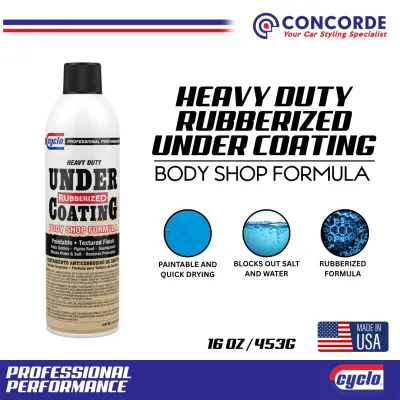
136 Lazada user ratings
Sulit na sulit yung product. sana tumagal yung rust proofing ko sa motor.
Great for automotive use, Paintable and pliable,
Try lng kung ok sa undercoated
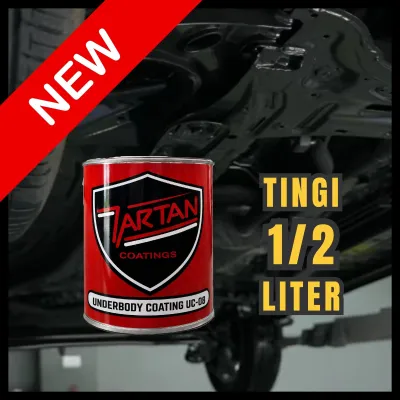
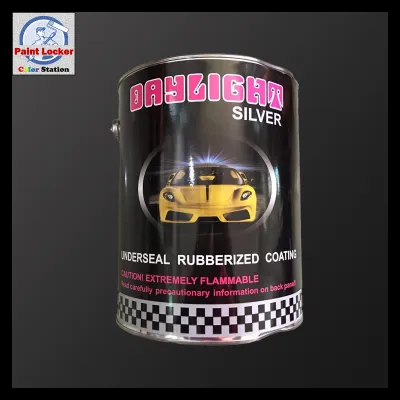
170 Lazada user ratings
the seller did their best to secure the product, like putting a label that the content is fragile/liquid, wrapping the product with bubble w…Read full reviewShow less
the seller did their best to secure the product, like putting a label that the content is fragile/liquid, wrapping the product with bubble wrap outside and inside, and sealing the top lid with clear tape, but unfortunately, the courier/shipper mishandled the package because when I opened the package it is was covered with dents, especially the bottom part, luckily there were no signs of leakage, thank you for the free painter's tape.
Very good packaging. Item was very secured from dent and leak. Dito Sila bumawi Kasi medyo natagalan ang delivery. Right color delivered, bl…Read full reviewShow less
Very good packaging. Item was very secured from dent and leak. Dito Sila bumawi Kasi medyo natagalan ang delivery. Right color delivered, black .Great value for the price.,
package arrived like this, must have been dropped and thrown a lot. crappy courier service. package could have been made more secure.
I received the item still in good condition even though there are some dents on the container, thanks.
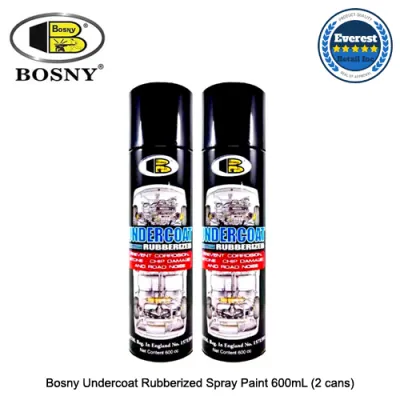
1,397 Lazada user ratings
Excellent coverage with just one coat., Provides a rubberized texture for added grip., Ideal for both metal and metal-like surfaces., Durabl…Read full reviewShow less
Excellent coverage with just one coat., Provides a rubberized texture for added grip., Ideal for both metal and metal-like surfaces., Durable and long-lasting coating., Perfect for DIY auto projects., Protects against corrosion and chipped damages.,
Rubberized paint.10 pcs order ko pero 6 cans nagamit ko for my toyota fortuner. laki ng natipid ko. kaillangan lng talaga ng tyaga para mali…Read full reviewShow less
Rubberized paint.10 pcs order ko pero 6 cans nagamit ko for my toyota fortuner. laki ng natipid ko. kaillangan lng talaga ng tyaga para malinisan ng husto bago pinturahan. Seller is responsive. Ang bilis pa ng delivery.
These are my 3rd and 4th bottles, ordered 2 more because 2cans were not enough for my pickup truck. I like the product, it adheres to surfac…Read full reviewShow less
These are my 3rd and 4th bottles, ordered 2 more because 2cans were not enough for my pickup truck. I like the product, it adheres to surfaces well.
Ideal for both metal and metal-like surfaces., Easy to apply on metal surfaces., Protects against corrosion and chipped damages.,
Salamat seller and Lazada, salamat din sa delivery rider...👍🏿👍🏿👍🏿
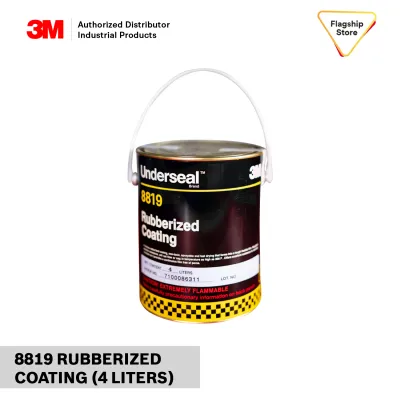
28 Lazada user ratings
Weather-resistant coating, Reduces road noise effectively, Easy one-coat application, Resists chipping and abrasion, Multi-purpose undercoat…Read full reviewShow less
Weather-resistant coating, Reduces road noise effectively, Easy one-coat application, Resists chipping and abrasion, Multi-purpose undercoating, Tested na ung product na 3m legit yung store recommended ung shop, may libre pang marsmallow. salamat sa nagdeliver walang tagas yung parcel.
Durable rubberized texture, Protects undercarriage from corrosion, Resists chipping and abrasion, Reduces road noise effectively,
Durable rubberized texture, Durable rubberized texture, Reduces road noise effectively, Resists chipping and abrasion,
Reduces road noise effectively, Weather-resistant coating,
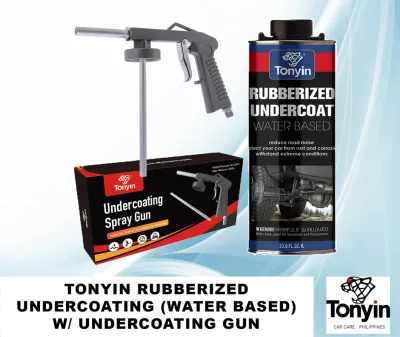
27 Lazada user ratings
Dries quickly, 🖌️Ease of Application:Provides excellent protection against rust and corrosion,
I ordered 12 pcs of tonyin undercoat and i paid for 12 pcs pero 2 pcs lang dumating
Comes with undercoating gun for easy application, Perfect for undercoating,
Nice and safe packaging..Thank you seller..re order next time
haven't use yet, hope it's OK
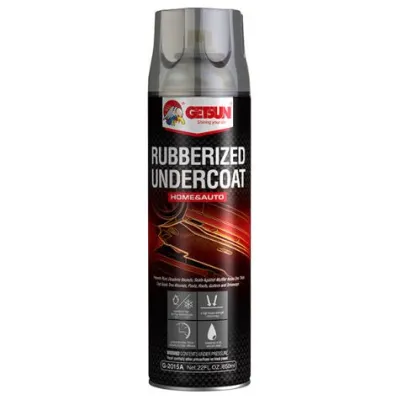
2 Lazada user ratings
nice product
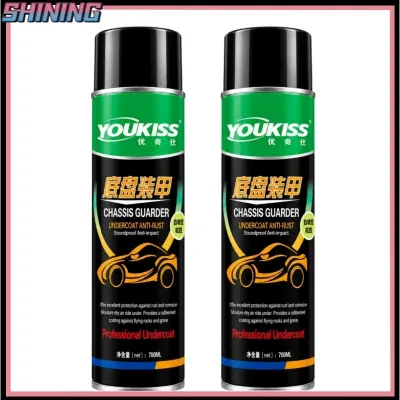
425 Lazada user ratings
Ordered 06Apr delivered 10Apr, highly recommended courier. Seller should have taped the plastic cover around the spray can coz dangerous for…Read full reviewShow less
Ordered 06Apr delivered 10Apr, highly recommended courier. Seller should have taped the plastic cover around the spray can coz dangerous for the nozzle to get punctured while on transit.
The 2 items were received but have not tried yet. Tho it looks good but will be under observation. Thnx Lazada, Seller and rider.
dikupa na try bussy pa sa work. pero oks naman, mabilis din dumating ☺️
awesome, will try then will add and edit comment
nice product
Prices are valid at publication and may change. Please refer to the product page for the latest price.
The fundamental difference between standard automotive paint and specialized undercoating formulations lies in their physical properties and durability. Standard automotive paint is thin, rigid, and designed primarily for aesthetics and aerodynamic smoothness; it easily chips when struck by road debris. Undercoating paints, conversely, are formulated to be thick, highly elastic, and impact-resistant. They contain specialized polymers, rubber, or petroleum bases that absorb the kinetic energy of flying gravel, sand, and road debris, preventing these particles from chipping away the protective layer and exposing the raw steel beneath.
Key Factors to Consider Before Choosing an Undercoating Product
Before purchasing any undercoating paint, you must evaluate the current condition of your vehicle’s undercarriage and understand the preparation required. Applying a fresh coat of paint over dirt, grease, or active rust will trap moisture and contaminants, accelerating the very corrosion you are trying to prevent. Thorough surface preparation is non-negotiable; this involves deep cleaning with a high-pressure washer, degreasing metal surfaces, and mechanically removing loose rust scale using wire brushes or sandpaper.

Compatibility with existing undercarriage materials and previous coatings is another critical factor. Some modern vehicles come with factory-applied PVC or rubberized coatings that may react negatively with certain solvent-based aftermarket undercoatings, causing them to soften, swell, or peel away. You must inspect the existing surface and consult your vehicle’s manual or a professional technician to ensure the new product will adhere properly without degrading the original factory protection.
Drying and curing times vary significantly among different undercoating formulations, which directly impacts your vehicle’s downtime. Some quick-drying aerosol sprays allow you to drive the vehicle within a few hours, while heavy-duty brush-on coatings may require 24 to 48 hours to cure fully before exposure to water or debris. Additionally, the application method—whether you choose a convenient spray can, a professional compressor-fed spray gun, or a manual brush and roller—must align with your available tools, workspace ventilation, and skill level.
Finally, always read and follow the manufacturer labels for specific vehicle suitability and safety warnings before application. Undercoating products contain volatile organic compounds (VOCs) and flammable solvents that require strict adherence to safety protocols. You must identify which areas of the undercarriage are safe to coat and which must remain completely free of paint, such as the exhaust system, catalytic converter, brake discs, calipers, and moving suspension joints, to avoid safety hazards or mechanical failures.
Types of Undercoating Paint and Their Ideal Use Cases
Rubberized Undercoating
Rubberized undercoating is one of the most popular and user-friendly options available on the market. This formulation utilizes a synthetic rubber base that remains highly flexible even after curing, allowing it to stretch and contract with the natural flexing of the vehicle’s chassis. The soft, rubbery texture is exceptionally good at dampening road noise and vibration, making the cabin quieter during daily city driving. It provides excellent protection against minor stone chips and is highly recommended for relatively new vehicles with clean undercarriages.
Asphalt-Based Undercoating
For heavy-duty protection, asphalt-based undercoating offers an incredibly tough and thick moisture barrier. Formulated with asphalt, petroleum solvents, and reinforcing fibers, this type of coating is highly resistant to water penetration and is well-suited for older vehicles, utility trucks, or off-road rigs that frequently navigate deep puddles and muddy terrain. However, because it cures to a very thick, dark, and rigid layer, it requires meticulous surface preparation; any moisture or rust trapped beneath an asphalt layer will continue to rot the metal unseen, potentially leading to severe structural damage before it is detected.
Polyurethane and Epoxy-Based Coatings
Polyurethane and epoxy-based undercoatings cure to form a hard, chemical-resistant, and highly durable shell over the metal. These two-component systems are favored for heavy-duty commercial vehicles, off-road trucks, and restoration projects where maximum resistance to abrasion and chemical exposure is required. Once fully cured, they resist peeling and scratching from rocks, sand, and harsh road debris. The primary trade-off is that they lack the sound-dampening flexibility of rubberized coatings and require precise mixing and application techniques, often making them better suited for professional application.
Wax and Paraffin-Based Sprays
Wax and paraffin-based undercoatings, often referred to as rust-inhibiting waxes or cavity waxes, are designed to creep into tight crevices, seams, and hollow frame rails. These formulations do not dry to a hard shell; instead, they remain soft, waxy, and self-healing, meaning minor scratches or abrasions in the coating will naturally close up over time. This makes them exceptionally effective in coastal areas with high salt exposure, as the wax continuously repels salt water from reaching the metal. However, they are less resistant to direct physical impacts from road debris and may require more frequent touch-ups on exposed undercarriage areas compared to rubberized or epoxy coatings.
Application Methods: DIY vs. Professional Undercoating Services
Deciding between a do-it-yourself (DIY) application and hiring a professional service depends on your budget, available equipment, and comfort level with automotive maintenance. A DIY application using aerosol cans or a basic spray gun can save on labor costs and allows you to work at your own pace. However, the primary risk of DIY work is inadequate surface preparation, as reaching every corner of the undercarriage while working on jack stands is physically demanding and often results in missed spots or improper adhesion.
Hiring a professional automotive service is highly recommended if your vehicle already exhibits signs of moderate to severe rust, or if you lack the specialized equipment needed to perform the job safely. Professionals utilize hydraulic lifts that provide complete, unobstructed access to the entire undercarriage, allowing for thorough high-pressure washing, degreasing, and mechanical rust scaling. Furthermore, professional application helps preserve your vehicle’s manufacturer warranty, as certified technicians know exactly how to apply the coating without overspraying sensitive mechanical or electrical components.
If you choose the DIY route, you must establish a safe working environment and use the correct protective gear. Working under a vehicle requires a stable, level surface, and you must secure the vehicle using heavy-duty jack stands or ramps—never rely solely on a hydraulic or scissor jack. Because undercoating paints release harmful fumes and fine overspray mist, you must work in a well-ventilated outdoor area or open garage, and wear a fitted respirator mask rated for organic vapors, safety goggles, heavy-duty gloves, and protective clothing to prevent skin contact. Carefully mask off the exhaust system, brake components, oxygen sensors, and suspension bushings using masking tape and plastic sheeting before you begin spraying.
Maintenance and Inspection After Applying Undercoating Paint
Applying an undercoating paint is not a one-time, permanent solution; it requires ongoing maintenance and regular inspections to remain effective. You should perform a visual inspection of your vehicle’s undercarriage at least twice a year, ideally before and after the rainy season. Look closely for any signs of cracking, peeling, or bubbling in the coating, as these physical changes often indicate that moisture has penetrated the barrier or that the coating is lifting from the metal surface.
When washing your vehicle, pay close attention to how you clean the undercarriage to avoid prematurely degrading the protective layer. While it is important to rinse away accumulated mud, road grime, and salt, you should avoid using harsh chemical degreasers or industrial solvents on a coated undercarriage, as these can dissolve or soften rubberized and wax-based coatings. When using a high-pressure washer, keep the nozzle at a safe distance of at least 12 inches from the coated surfaces to prevent the high-pressure water stream from tearing or lifting the edges of the undercoating.
Over time, physical impacts from road debris will inevitably cause localized wear and tear, especially in high-impact areas like the wheel wells and the front section of the frame. When you observe these worn or chipped areas during your routine inspections, perform localized touch-ups promptly. Clean the damaged area thoroughly, remove any loose edges of the old coating, and apply a matching undercoating spray or brush-on paint to restore the continuous protective barrier before rust has a chance to take hold.
Frequently Asked Questions (FAQ)
Can I apply undercoating paint over existing rust?
No, you should never apply undercoating paint directly over active, loose, or heavy rust. Doing so traps moisture, oxygen, and corrosive elements against the metal surface beneath the paint layer, allowing the rust to continue spreading silently and undetected, which can eventually compromise the structural integrity of your vehicle’s frame. Before applying any undercoating, you must mechanically remove loose rust scale using a wire brush, sandpaper, or a grinding wheel, and treat any remaining surface rust with a chemical rust converter to neutralize the oxidation and create a stable, paintable surface.
How often should undercoating paint be reapplied?
The frequency of reapplication depends heavily on the type of undercoating product used, your driving habits, and the environmental conditions your vehicle faces. Hard polyurethane or epoxy-based coatings can last for several years with minimal maintenance, while softer wax and paraffin-based sprays may require annual touch-ups or reapplication, especially after navigating severe monsoon seasons or flooded roads. Rather than relying on a fixed time interval, you should base your reapplication schedule on the physical condition of the coating observed during your bi-annual visual inspections, touching up worn areas as needed.
Does undercoating paint affect the vehicle's warranty?
Applying aftermarket undercoating paint can potentially affect your vehicle’s manufacturer warranty, particularly the anti-corrosion or perforation warranty, if the product is applied incorrectly. If an aftermarket coating blocks factory drain holes, traps moisture that leads to rust, or oversprays onto sensitive mechanical, electrical, or exhaust components, the manufacturer may deny warranty coverage for any resulting damage. To avoid voiding your warranty, always consult your vehicle’s authorized service center or review the manufacturer’s guidelines before applying any aftermarket undercoating products.

Community discussion
Share your experience or ask a question. Comments are reviewed before publication.