
Determining whether your vehicle requires an external resistor block or resistor-type spark plugs is crucial for maintaining engine performance and protecting sensitive electronics. The correct configuration depends entirely on your vehicle’s original equipment manufacturer (OEM) design. Making the wrong choice can lead to weak spark, engine misfires, or severe electromagnetic interference that disrupts your onboard computers.
The golden rule of ignition resistance is simple: never double up on resistance, and never run a completely zero-resistance setup if your vehicle’s Engine Control Unit (ECU) expects suppression. Doubling up on resistance—such as installing resistor-type spark plugs on a vehicle that already utilizes an inline resistor block or resistor wires—chokes the electrical current, resulting in a weak spark. Conversely, running a zero-resistance setup on a modern, sensor-heavy vehicle allows electrical noise to flood the electrical system, causing erratic engine behavior.
To find the exact requirements for your car, you must consult your owner’s manual, review factory service data, or physically inspect the currently installed components. Do not rely on generic assumptions based on engine size or the age of the vehicle. If the manual specifies an “R” type plug, use resistor plugs; if it specifies standard plugs but uses resistor wires or caps, use the external block or wire setup.
Products mentioned in this guide
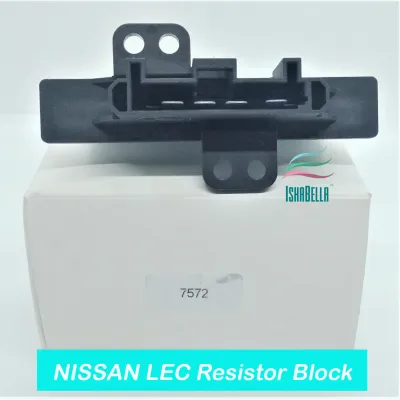
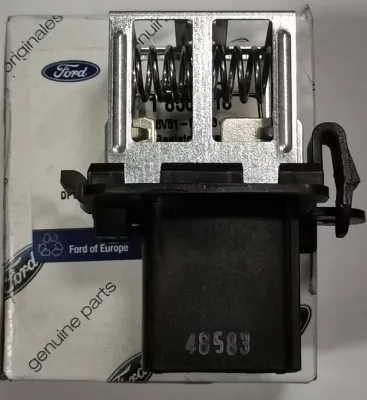
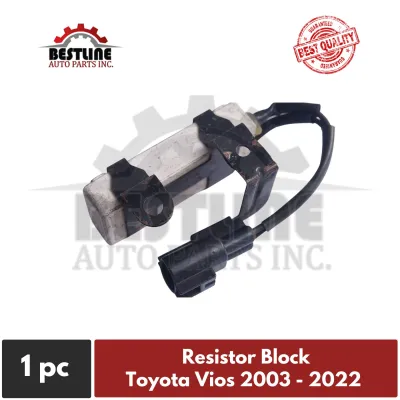
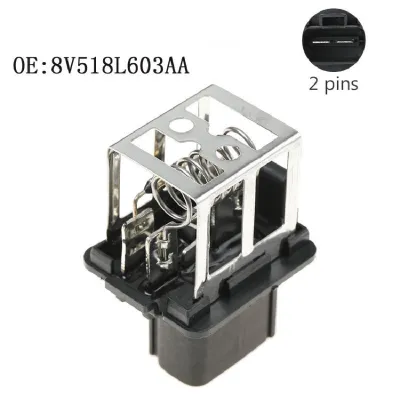
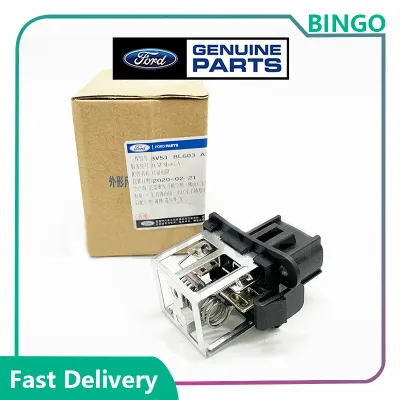
Prices are valid at publication and may change. Please refer to the product page for the latest price.
The Role of Resistors: Blocks vs. Spark Plugs
Every time a spark plug fires, tens of thousands of volts arc across the plug gap. This high-voltage discharge creates an intense burst of electromagnetic radiation, known as Radio Frequency Interference (RFI) and Electromagnetic Interference (EMI). Without some form of resistance in the ignition circuit to suppress this noise, the electrical interference will disrupt nearby electronics, including the ECU, crankshaft sensors, and even your dashboard radio.
Resistor spark plugs solve this problem by incorporating a small ceramic resistor directly inside the plug’s center electrode. This internal resistor, which typically measures between 3,000 and 7,000 ohms, dampens the high-frequency electrical noise right at the source before it can radiate outward. You can easily identify these plugs by looking for the letter “R” in the manufacturer part number, such as an NGK BKR6E compared to a non-resistor BK6E.
Alternatively, some automotive manufacturers choose to place the resistance elsewhere in the ignition system. Instead of using resistor spark plugs, these vehicles utilize external resistor blocks, resistor-type ignition wires, or specialized resistor boots integrated directly into the coil-on-plug (COP) assemblies. These components use carbon-core wires or inline resistive elements to achieve the same electrical noise suppression.
Both methods achieve the same operational goal: protecting your vehicle’s electronics from electrical noise. However, they are engineered differently based on the packaging constraints and ignition system designs chosen by the automaker. Mixing these designs without understanding the total circuit resistance can severely degrade engine performance.
Step-by-Step Inspection: Verifying Your Ignition Setup
Before performing any work on your ignition system, prioritize safety. High-voltage ignition systems can deliver painful and dangerous electrical shocks. Always disconnect the vehicle’s negative battery terminal and ensure the engine is completely cool to the touch before handling ignition components. In tropical climates like the Philippines, engine bays retain heat for a long time, so give the vehicle ample time to cool down.

Because working on ignition components carries safety risks, always review your vehicle’s specific service documentation regarding road legality, mounting positions, and electrical safety boundaries. If you are uncomfortable working with high-voltage systems, always seek qualified professional installation.
Step 1: Consult Documentation Begin by checking your owner’s manual or an official OEM service portal. Look for the technical specifications section, which lists the exact spark plug part numbers recommended for your engine. The documentation will also specify if the vehicle utilizes specialized resistor-type ignition wires or external resistor blocks.
Step 2: Inspect Existing Spark Plugs Carefully remove one of the spark plugs using a dedicated spark plug socket. Inspect the ceramic insulator and the metal shell for part numbers. Look closely for the letter “R” or other manufacturer-specific resistor designations. If the plug currently installed matches the OEM recommendation and features an “R,” your vehicle relies on resistor-type spark plugs.
Step 3: Check Ignition Wires, Coils, or Caps If your vehicle uses traditional ignition wires, examine the insulation for labels indicating resistance values, such as “Resistor” or specific resistance ratings per meter. For coil-on-plug systems, inspect the rubber boot that connects the coil to the spark plug. Some boots contain a small internal spring and a ceramic resistor block that can be disassembled and inspected for wear or corrosion, which is common in highly humid environments.
Step 4: Measure Resistance (Advanced Verification) For advanced verification, you can use a digital multimeter set to the ohms (Ω) scale to measure the actual resistance of your components. A basic digital multimeter, which typically costs around ₱300 to ₱800 at local hardware stores, is highly useful for this task. Touch the multimeter probes to both ends of an ignition wire or the internal contact points of a coil boot. To test a spark plug, place one probe on the terminal nut at the top and the other on the center electrode inside the firing tip.
Keep in mind that you must compare these readings against the specific thresholds detailed in your vehicle’s OEM service manual. Universal “safe” resistance numbers do not exist across different vehicle platforms. If a component’s resistance falls outside the manufacturer’s specified range, it must be replaced. If you encounter seized components, damaged wiring, or if the factory wiring diagram is unclear, stop immediately and consult a qualified professional mechanic.
If you apply dielectric grease during reassembly, ensure you use it only for its label-authorized uses. Apply a thin layer strictly to the inside of the rubber spark plug boot to prevent voltage leaks, and never apply it directly to the electrical metal terminals or contacts unless specified by the manufacturer.
Warning Signs: Symptoms of Mismatched Resistance
Using the incorrect resistor configuration can trigger a wide range of drivability and electrical issues. When there is too much resistance in the secondary ignition circuit—a condition known as double resisting—the electrical current traveling to the spark plug is excessively restricted. This restriction prevents the spark plug from receiving enough energy to create a strong, consistent spark.
The symptoms of double resisting typically manifest as engine performance problems. You may experience a weak spark, engine misfires under heavy acceleration, a rough or unstable idle, and noticeable hesitation when trying to merge into fast-moving traffic. In stop-and-go driving conditions common in urban Philippine roads, these issues can cause the engine to struggle or stall.
Conversely, having too little resistance in the system—or zero resistance—allows unchecked EMI and RFI to propagate throughout the vehicle’s electrical system. This electrical noise can play havoc with sensitive digital sensors and control modules. You may notice persistent static, buzzing, or popping noises coming through your AM/FM radio or aftermarket audio system.
More seriously, zero-resistance setups can cause erratic readings on your dashboard gauge cluster, trigger unexplained ECU fault codes, or disrupt critical timing signals from the crankshaft and camshaft position sensors. This disruption can cause the ECU to enter a limp-home mode or cause sudden engine stalling without any obvious mechanical failure.
It is important to remember that these symptoms are not exclusive to resistor mismatch. They overlap significantly with other ignition failures, fuel system issues, and faulty sensors. Therefore, you should always verify the physical resistor configuration as part of a comprehensive diagnostic process rather than assuming it is the sole cause of your vehicle’s issues.
Safe Replacement and Sourcing Guidelines
When sourcing replacement ignition components, the absolute safest path is to match the OEM specifications for both the spark plugs and the ignition wires or coils simultaneously. Never alter the resistance profile of your ignition system unless you are following a documented upgrade path recommended by a reputable manufacturer.
If you decide to install aftermarket performance ignition wires or high-output coils, carefully verify whether these new components change the system’s overall resistance. Some performance wires feature low-resistance spiral-wound conductors that may require you to switch to resistor-type spark plugs to maintain adequate EMI suppression. Always read the manufacturer instructions for both the aftermarket components and your vehicle before completing the installation.
Avoid the temptation to mix and match different resistor types in an attempt to build a “safer” or “stronger” ignition system. Adding extra resistors where they are not specified will only choke your spark energy, while removing necessary resistance will jeopardize your vehicle’s electronics. Stick strictly to the engineered design of your specific vehicle model and year.
Finally, always purchase your spark plugs and ignition components from authorized distributors or reputable automotive parts suppliers. Counterfeit spark plugs are highly prevalent on online marketplaces and e-commerce platforms. These fake plugs often look identical to genuine parts but lack the internal ceramic resistors entirely, or use poor-quality materials that fail rapidly under the high heat and humidity of tropical driving conditions. Investing in genuine, verified parts ensures your ignition system operates safely and efficiently.
Frequently Asked Questions (FAQ)
Can I use resistor spark plugs with resistor ignition wires?
Unless your vehicle’s OEM service manual specifically calls for both, you should not combine them. Combining resistor spark plugs with resistor ignition wires creates excessive total resistance in the secondary circuit. This over-resistance restricts electrical current, which chokes the spark energy, leading to frequent engine misfires, rough idling, and poor fuel economy.
What happens if I use non-resistor spark plugs in a modern car?
Using non-resistor spark plugs in a modern vehicle poses a high risk of severe Electromagnetic Interference (EMI). Modern cars rely on highly sensitive ECUs, digital sensors, and communication networks. Without the suppression provided by resistor plugs, the electrical noise generated by the spark can cause erratic sensor readings, trigger check engine lights, disrupt dashboard instruments, and cause radio static.
Community discussion
Share your experience or ask a question. Comments are reviewed before publication.