
Quick Answer: Viscosity and Protection at a Glance
When you are looking to maximize the lifespan and efficiency of your diesel engine, finding the right balance of viscosity and wear protection is paramount. The direct answer to how Rev X compares to industry giants like Shell, Castrol, and Motul is that they belong to fundamentally different product categories. Shell, Castrol, and Motul are world-renowned manufacturers of complete, standalone diesel engine oils, whereas Rev X is primarily famous for its high-performance oil additives and treatments, such as the Rev X Stiction Eliminator.
Therefore, a direct, head-to-head viscosity comparison is not a matter of choosing one brand over another as a direct replacement. Instead, the optimal viscosity performance and engine protection depend entirely on matching the specific SAE grade, API/ACEA certifications, and original equipment manufacturer (OEM) specifications required by your vehicle.
For most drivers, the ideal setup involves selecting a premium base oil from Shell, Castrol, or Motul that meets or exceeds your vehicle’s factory requirements, and then considering a supplementary treatment like Rev X only if you need to address specific mechanical issues, such as injector stiction, high friction, or cold-start noise, provided it is fully compatible with your chosen base oil and vehicle warranty.
Products mentioned in this guide
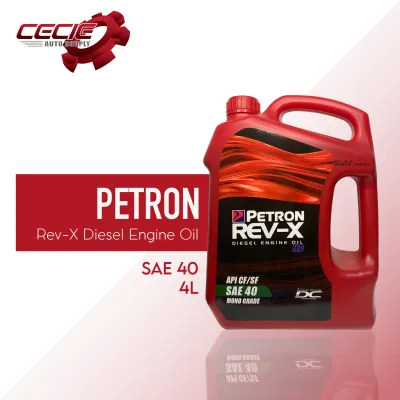
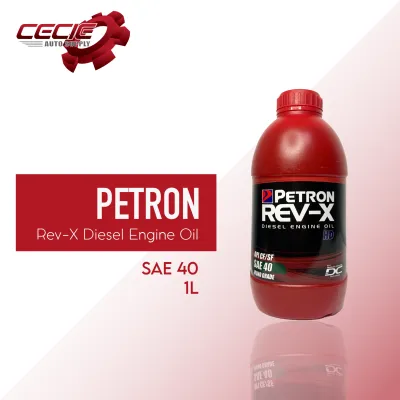
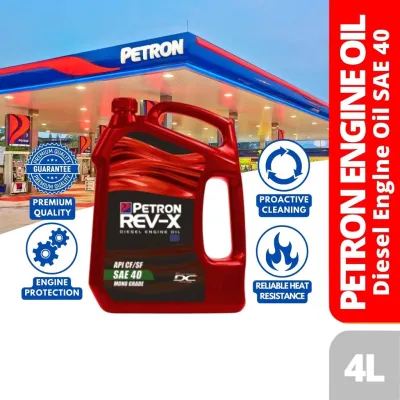
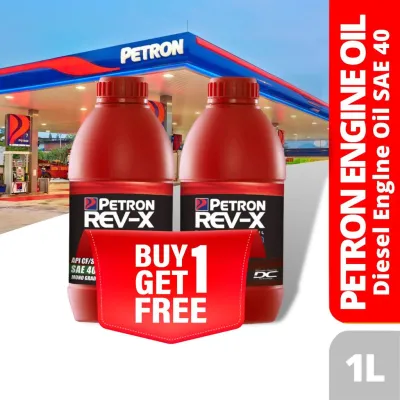
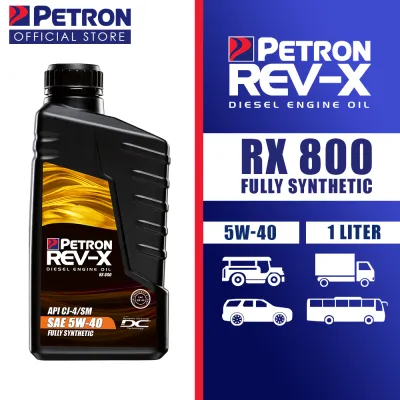
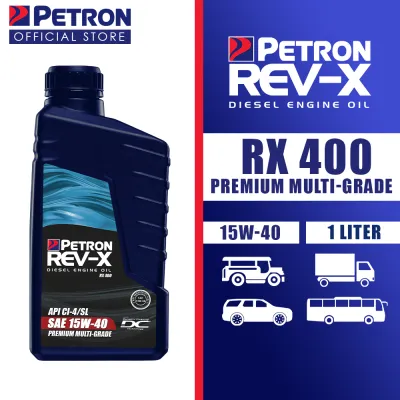
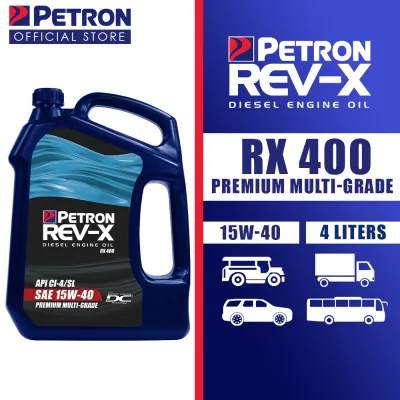
Prices are valid at publication and may change. Please refer to the product page for the latest price.
Clarifying the Comparison: Base Oils vs. Oil Additives
To make an informed decision about your engine’s lubrication, it is essential to understand the mechanical and chemical differences between a standalone diesel engine oil and an aftermarket oil additive. Mixing up these two product categories can lead to improper lubrication, compromised engine performance, or even catastrophic mechanical failure.

A standalone diesel engine oil, such as those formulated by Shell, Castrol, or Motul, is a fully engineered, ready-to-use lubricant. It consists of a base oil—which can be mineral-based, semi-synthetic, or full synthetic—blended with a highly sophisticated, proprietary package of additives. This pre-blended package contains detergents to clean the engine, dispersants to manage soot, anti-wear agents to protect metal surfaces, rust inhibitors, and viscosity index improvers. These complete motor oils are designed to establish the foundational viscosity grade (such as 5W-40, 10W-30, or 15W-40) and carry the official API (American Petroleum Institute) or ACEA (European Automobile Manufacturers’ Association) certifications necessary to satisfy your vehicle’s warranty.
Conversely, an aftermarket oil additive or treatment like Rev X is not designed to replace your motor oil. Instead, it is a highly concentrated chemical formulation intended to be added to your existing engine oil in small, specified quantities. Products like Rev X Stiction Eliminator are engineered to target specific operational issues, such as dissolving stubborn varnish and carbon deposits that cause fuel injectors to stick, or introducing specialized friction modifiers to reduce wear in high-stress areas. They do not possess the complete chemical profile required to act as a standalone lubricant and cannot establish or maintain the primary viscosity grade of your engine on their own.
Before purchasing any product, always check the exact product label to confirm whether you are looking at a complete motor oil or a supplementary crankcase treatment. Understanding this distinction ensures that you use each product for its intended purpose, maintaining the structural integrity of your engine’s lubrication system.
Core Viscosity and Protection Metrics for Diesel Engines
Diesel engines operate under intense heat, high pressures, and heavy loads, making them far more demanding on lubricants than gasoline engines. This is especially true in tropical climates like the Philippines, where high ambient temperatures, elevated humidity, and severe stop-and-go traffic in urban centers like Metro Manila place extreme stress on the engine. To evaluate and compare diesel lubricants effectively, you must look past marketing slogans and understand the core technical metrics that govern viscosity and protection.
High-Temperature High-Shear (HTHS) Viscosity HTHS viscosity is one of the most critical metrics for high-load diesel engines. It measures a lubricant’s resistance to flow under extreme heat (typically 150°C) and high-shear conditions, simulating the harsh environment inside crankshaft bearings, piston rings, and valvetrains. A higher HTHS value indicates a more robust oil film that resists thinning under extreme pressure, preventing direct metal-to-metal contact and minimizing wear.
Cold Cranking Simulator (CCS) and Low-Temperature Pumpability Although the Philippines does not experience freezing winters, low-temperature viscosity remains highly relevant. When an engine sits overnight, the oil drains back into the oil pan. Upon startup, the oil must be thin enough to crank easily (measured by CCS viscosity) and pump quickly to the top of the engine block to lubricate the overhead camshafts and turbocharger bearings. Rapid oil circulation during a cold start is vital, as a significant portion of engine wear occurs during the first few seconds of operation.
Shear Stability Modern diesel engines, particularly those equipped with turbochargers and high-pressure fuel injection systems, subject the engine oil to violent mechanical shearing forces. Over time, these forces can break down the polymer chains of viscosity index improvers, causing the oil to lose its viscosity permanently. If an oil shears out of its designated grade (for example, thinning from a 40-weight to a 30-weight oil), it can no longer provide adequate protection at high operating temperatures. High shear stability ensures the oil maintains its protective qualities throughout the entire service interval.
Soot Handling and Dispersancy Diesel combustion naturally produces soot, which can find its way into the crankcase. If left unmanaged, soot particles can agglomerate into larger, highly abrasive carbon clusters that cause severe wear on cylinder liners and increase oil viscosity, making the oil thick and sluggish. High-quality diesel lubricants feature advanced dispersant additives that envelop individual soot particles, keeping them suspended and preventing them from binding together or forming harmful engine sludge.
To guarantee maximum protection, you must always match these technical metrics with the performance certifications specified in your vehicle’s owner’s manual. Look for API service categories like CK-4 or CJ-4, ACEA classifications like E6 or E9, and specific manufacturer approvals from brands like Toyota, Mitsubishi, Isuzu, Ford, or Cummins.
Evaluating the Base Oil Contenders: Shell, Castrol, and Motul
To choose the right base oil, it is helpful to examine the formulation philosophies and viscosity technologies of the three leading brands: Shell, Castrol, and Motul. Each manufacturer utilizes distinct chemical approaches to deliver high-temperature protection, shear stability, and soot control.
Shell (Rotella / Helix Diesel)
Shell is a dominant force in the global and local lubricant markets, offering the heavy-duty Rimula series for commercial applications and the Helix Diesel range for passenger SUVs and pickup trucks. A standout feature of Shell’s premium synthetic lines is their Gas-to-Liquid (GTL) technology, marketed under the PurePlus name. This proprietary process synthesizes natural gas into an incredibly pure base oil, virtually free of the sulfur and nitrogen impurities commonly found in crude-derived mineral oils.
This extreme purity gives Shell’s synthetic oils an exceptionally high viscosity index. Consequently, the oil exhibits outstanding thermal stability, resisting oxidation and thinning even when subjected to the intense heat of a turbocharged diesel engine operating in a tropical climate. At the same time, it maintains excellent low-temperature pumpability, ensuring rapid oil flow during startup.
In addition to base oil purity, Shell formulations are highly regarded for their robust soot-handling capabilities. The active cleansing agents and advanced dispersants keep soot suspended, preventing the oil from thickening prematurely and ensuring consistent viscosity over long drain intervals. Drivers should consult the specific technical data sheets (TDS) for products like Shell Rimula R6 or Shell Helix Ultra Diesel to verify the exact HTHS values and OEM approvals relevant to their vehicle.
Castrol (CRB / Vecton / Edge)
Castrol is another household name in the Philippines, widely utilized in commercial fleets, public utility vehicles, and personal diesel trucks. Their product lineup includes the CRB series for heavy-duty protection, the Vecton range for commercial efficiency, and the Edge series for high-performance passenger vehicles. Castrol’s engineering focus centers heavily on wear reduction, thermal stability, and sludge prevention under demanding operating conditions.
Many of Castrol’s diesel formulations incorporate specialized additive technologies, such as DuraShield Boosters or System 5 Technology. These additives are designed to combat the primary challenges faced by hard-working diesel engines: high operating temperatures, soot accumulation, and mechanical shear. By forming a protective layer on critical engine surfaces, Castrol helps prevent abrasive wear and micro-welding in high-load areas like the valvetrain and piston rings.
Castrol oils are particularly effective at maintaining film strength under extreme thermal stress, such as when towing heavy loads or navigating congested urban traffic in high ambient heat. This thermal resilience prevents viscosity breakdown, ensuring that the oil remains within its specified viscosity grade to cushion moving parts. Before purchasing, always check the product label to verify that the specific Castrol oil meets the required API/ACEA ratings and OEM approvals for your engine.
Motul (Specific / Tekma / 8100)
Motul is a premium lubricant manufacturer with a strong reputation among automotive enthusiasts, racing teams, and owners of high-performance or modified diesel vehicles. In the diesel sector, Motul offers the Tekma line for heavy-duty and commercial applications, alongside the 8100 and Specific series tailored for modern passenger SUVs and cars.
What sets Motul apart is its extensive use of advanced synthetic technologies, including proprietary ester-based formulations. Esters are highly polar molecules that carry a natural electrostatic charge, causing them to cling tenaciously to metal engine components. This creates a continuous, resilient lubricating film that remains on critical parts even after the engine has been turned off for extended periods, virtually eliminating dry-start wear.
For modified diesel engines—such as those with aftermarket turbochargers, upgraded intercoolers, or ECU remapping—Motul’s formulations provide exceptional shear stability and high-temperature resistance. The oil resists thermal cracking and maintains its rated viscosity under extreme mechanical stress. While Motul products typically represent a higher upfront financial investment in the local market, their specialized formulation is highly valued by drivers seeking maximum protection. Be sure to confirm local dealer availability and verify that the specific Motul product aligns with your vehicle’s OEM certifications.
How Rev X Fits into the Viscosity and Protection Equation
Now that we have evaluated the major base oil brands, it is important to understand where Rev X fits into this equation. Unlike Shell, Castrol, and Motul, Rev X does not manufacture the primary volume of oil that fills your engine’s crankcase. Instead, products like Rev X Stiction Eliminator are concentrated chemical treatments designed to complement and enhance your chosen base oil.
Rev X Stiction Eliminator is specifically formulated to target and dissolve the tough varnish, lacquer, and carbon deposits that accumulate over time in high-pressure oil systems. This is particularly beneficial for diesel engines equipped with Hydraulically Activated Electronically Controlled Unit Injector (HEUI) systems, where engine oil is used as a hydraulic fluid to actuate the fuel injectors. Under high heat and pressure, standard engine oil can break down, leaving sticky deposits inside the close-tolerance spool valves of the injectors. This phenomenon, known as “stiction,” leads to rough idling, hard cold starts, misfires, and reduced power.
By chemically cleaning these tight-tolerance hydraulic components, Rev X restores proper oil flow and injector timing, resolving performance issues without requiring expensive mechanical disassembly. Additionally, Rev X contains specialized friction modifiers that work in harmony with your base oil to enhance the overall lubricity of the oil film, reducing friction and mechanical wear in high-stress zones of the engine.
However, it is crucial to recognize that Rev X is a supplement, not a replacement. It must be mixed with a high-quality base oil—such as a 5W-40 or 15W-40 from Shell, Castrol, or Motul—that already meets your engine’s manufacturer-recommended viscosity grade. Modern diesel engine oils are highly complex, carefully balanced chemical systems. Adding aftermarket treatments can sometimes alter the chemical balance, dilute the original additive package, or affect the oil’s viscosity characteristics.
Furthermore, some vehicle manufacturers explicitly state in their owner’s manuals that the use of aftermarket oil additives is not recommended and may void the engine warranty. Therefore, drivers must exercise caution. Always review your vehicle manufacturer’s warranty guidelines and check the Rev X product label for precise dosage rates, compatibility warnings, and application instructions before adding any treatment to your crankcase. If you are unsure, consult a qualified professional or the lubricant manufacturer.
Decision Framework: Choosing the Right Lubrication Setup
To help you make the best decision for your diesel vehicle, use the following structured, condition-based framework to select the ideal combination of base oil and potential additives:
- Choose Shell if: You prioritize widely available, highly reliable synthetic technology with exceptional soot-handling capabilities. Shell's gas-to-liquid synthetic oils are perfect for daily commuting, modern common-rail direct injection (CRDI) passenger SUVs, and light-to-moderate towing under standard tropical driving conditions.
- Choose Castrol if: Your vehicle is subjected to continuous heavy loads, commercial transport duties, or frequent high-temperature operations. Castrol's robust thermal stability and advanced wear protection make it an excellent choice for utility trucks, commercial vehicles, and engines that run hot under heavy-duty cycles.
- Choose Motul if: You drive a high-performance, modified, or high-stress diesel engine and demand the absolute highest level of oil film strength and shear stability. Motul's premium ester-based synthetic technology is the top choice for enthusiasts willing to invest more for maximum protection under extreme driving scenarios.
- Add Rev X if: Your engine is experiencing specific, diagnosed performance issues such as injector stiction, rough idling, noisy operation, or sluggish cold starts, and your vehicle manufacturer permits the use of aftermarket additives. Ensure it is mixed with a high-quality base oil from a trusted brand like Shell, Castrol, or Motul.
- Verify first if: You are uncertain about compatibility or specifications. Always check your vehicle's owner's manual to verify the required SAE viscosity grade, API service category, and OEM approvals before purchasing any motor oil or additive.
Frequently Asked Questions (FAQ)
Can I mix Rev X with synthetic diesel oils like Shell Rotella or Motul?
Yes, Rev X Stiction Eliminator is formulated to be compatible with all types of diesel engine oils, including conventional mineral oils, semi-synthetics, and full synthetics like Shell Rotella, Shell Helix, Castrol Edge, or Motul 8100. However, you must read the product label carefully to ensure proper mixing ratios and application instructions. Keep in mind that adding any aftermarket chemical to your crankcase can alter the carefully balanced chemistry of your base oil. Additionally, check your vehicle’s warranty guidelines, as some OEMs discourage the use of aftermarket additives and may restrict warranty coverage if engine damage occurs.
Does a higher viscosity oil always mean better protection for diesel engines?
No, a higher viscosity oil does not automatically provide better protection and can actually harm your engine if it deviates from the manufacturer’s recommendations. While a thicker oil (like a 20W-50) might seem to offer a thicker protective film, using it in an engine designed for a thinner oil (like a 5W-30 or 5W-40) can restrict oil flow through narrow lubrication passages. This can lead to poor cold-start lubrication, increased strain on the oil pump, higher fuel consumption, reduced cooling efficiency, and potential oil starvation in critical components like turbocharger bearings. Always adhere strictly to the SAE viscosity grade and performance certifications specified in your vehicle’s owner’s manual.
Community discussion
Share your experience or ask a question. Comments are reviewed before publication.