
Every motorcycle ride demands a conscious choice about safety, comfort, and control. The footwear you select directly influences how well you can manage your bike’s foot controls, how tired your feet feel at the end of the day, and how protected you are in the event of an unexpected slide or collision. Selecting the right rider boots for motorcycle use ensures you do not compromise your safety on the highway or your comfort at the office. For riders in the Philippines, this decision is further complicated by intense tropical heat, sudden seasonal downpours, and starkly different riding environments. Choosing between a daily commute through dense urban gridlock and a spirited weekend run along scenic provincial highways requires a clear understanding of which boot features matter most for each scenario.
Core Needs for Daily City Commuting
Commuting is rarely just about the time spent on the saddle. Once you park your motorcycle at an office basement, a commercial mall, or a neighborhood cafe, your riding gear must transition into walking wear. Rigid, heavy boots make walking uncomfortable and can cause pain over a long workday. Opting for boots with flexible soles and lower, sneaker-like profiles allows your feet to move naturally. This design ensures you can walk comfortably across polished office floors or concrete pavements without looking or feeling out of place.
The tropical climate of Philippine cities presents a constant challenge with high ambient temperatures and stifling humidity. Sitting in stationary traffic next to hot engines quickly turns solid leather boots into sweat traps, leading to extreme discomfort and hygiene issues. To combat this, look for urban-focused boots that incorporate high-flow mesh panels, perforated microfiber, or specialized moisture-wicking inner linings. These materials facilitate continuous airflow, helping to evaporate sweat quickly and keep your feet cool even during midday traffic standstills.
Products mentioned in this guide
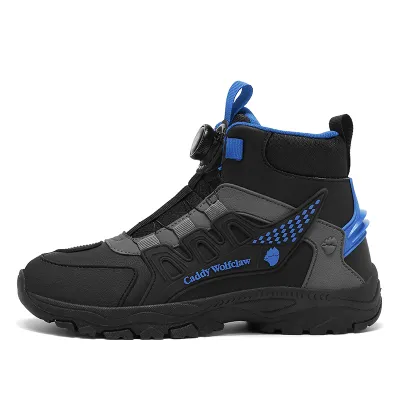
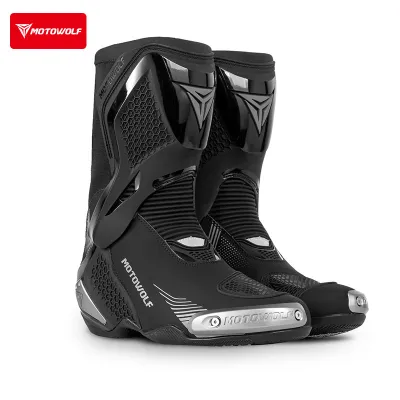
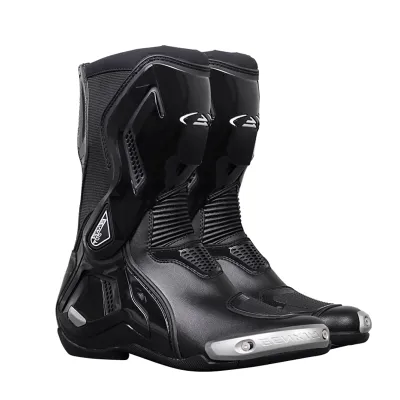
![[DOKI MOTO] RUBBER BOOTS XRM](https://img.lazcdn.com/g/p/d5a02adc472ae97b2379d995e9834926.jpg_400x400q80.jpg_.webp)
Prices are valid at publication and may change. Please refer to the product page for the latest price.
Efficiency is a major factor in a smooth daily routine. When you are rushing to get ready in the morning or preparing to head home after a tiring shift, wrestling with complex buckles or long, tedious laces is a hassle. Commuter-friendly riding footwear often features heavy-duty side zippers, quick-lace tension systems, or robust pull tabs with elastic panels. These features allow you to slip the boots on and secure them in seconds, providing a secure fit without delaying your departure.
While comfort is highly valued in the city, safety must never be discarded. Urban speeds may be lower than highway speeds, but the risk of lateral crushing from cars or slipping on oily asphalt remains high. A proper commuting boot must offer baseline protection, starting with reinforced ankle cups that cover both sides of the joint. Additionally, a dedicated rubber or leather shift pad on the toe prevents premature wear from constant gear changes in stop-and-go traffic, while a crush-resistant toe box and a stiffened heel counter protect your foot’s structural integrity if the bike drops.
Essential Features for Weekend Long Rides
When you transition from city streets to open provincial highways, your speed increases significantly, and so does the potential kinetic energy in an accident. Weekend long rides demand a much higher level of armor to protect against high-speed slides and impacts. Dedicated long-distance boots feature taller designs that incorporate rigid shin guards, robust TPU (thermoplastic polyurethane) ankle protectors, and heavily reinforced heel cups. This extended coverage helps disperse impact forces and protects your lower legs from flying road debris or contact with hot exhaust pipes.

Spending several hours standing on or pressing down on narrow motorcycle footpegs can cause intense arch fatigue and foot cramping if your footwear is too soft. Long-distance and touring boots are engineered with highly rigid soles, often reinforced with an internal steel or composite shank. This stiffness ensures that your body weight is distributed evenly across the entire sole rather than concentrated on a single point of the footpeg. It also provides a stable platform for precise rear brake modulation and confident gear shifts over hundreds of kilometers.
Long-distance riding in the Philippines often involves dramatic shifts in weather and elevation. You might start a ride in the humid lowlands and quickly ascend into the cool, misty highlands of Tagaytay, Marilaque, or Baguio, where sudden rain showers are common. To maintain control and focus, your boots must feature reliable weather resistance. High-quality touring boots utilize integrated waterproof and windproof membranes that block external moisture while allowing internal vapor to escape, keeping your feet dry and warm in adverse conditions.
At sustained highway speeds, loose or exposed laces are an extreme hazard. Wind turbulence can whip laces around, potentially tangling them in the motorcycle’s chain, sprockets, or foot controls, which can lead to a catastrophic crash. Long-distance boots eliminate this risk by using fully enclosed fastening systems. These typically consist of heavy-duty adjustable buckles, secure hook-and-loop storm flaps, or recessed zippers protected by thick leather overlays, ensuring the boot remains securely fastened and highly aerodynamic.
Feature Comparison: Commute vs. Touring
To help you visualize how these features align with your riding habits, the table below contrasts the design priorities of city commuting against long-distance weekend riding.
| Feature | City Commuting Priority | Weekend Long Ride Priority |
|---|---|---|
| Sole Stiffness | Low to Moderate (for easy walking) | High (internal shank for peg support) |
| Ankle/Shin Coverage | Low to Mid-height (malleolus protection) | High (tall boots with shin guards) |
| Walkability | High (flexible, lightweight soles) | Low (rigid construction, limited flex) |
| Weather Resistance | Optional (prioritizes high breathability) | Crucial (waterproof/windproof membranes) |
| Closure Type | Quick-lace, zippers, or slip-on | Buckles, covered zippers, heavy straps |
When deciding which features to prioritize, analyze your actual riding ratio. If your riding profile consists of 80% daily city commuting and only 20% occasional weekend touring, a flexible, highly breathable boot is likely your best primary investment. However, if you regularly split your time evenly or prioritize maximum safety on high-speed roads, investing in a dedicated pair of rigid touring boots is highly recommended.
Keep in mind that general style or marketing claims do not guarantee safety. Specific material thicknesses, abrasion resistance ratings, and exact protection levels must always be verified on the manufacturer’s physical product label or official specification sheet before making a purchase.
Can One Boot Do Both? Cross-Scenario Compatibility
Attempting to find a single boot that excels in both heavy city traffic and high-speed highway touring always involves compromise. A pure touring boot, with its rigid shin guards and stiff soles, will feel hot, heavy, and incredibly clumsy when walking through a crowded shopping mall or office. Conversely, a lightweight, highly flexible riding sneaker will fail to provide the necessary shin protection, lateral stiffness, and weatherproofing required to keep you safe and comfortable during a long highway run.
For riders who want a single pair of boots to handle both worlds, mid-height urban touring boots offer a compelling compromise. These boots typically feature a moderate level of sole stiffness that supports your feet on the pegs without completely sacrificing walkability. They offer clean, discreet styling that looks natural under casual jeans, while still providing robust ankle inserts and reinforced toe boxes for reliable protection.
If you ride a dual-sport or adventure motorcycle, adventure-style boots are another hybrid option to consider. They offer exceptional impact protection and rugged soles that grip wet surfaces well. However, because they are bulkier and stiffer than standard street boots, you must verify that they fit comfortably under your motorcycle’s gear shifter and suit your specific riding posture without restricting your ability to operate the foot controls.
If your budget or storage space only allows for one pair of boots, prioritize your safety based on your highest-risk scenario. If you ride on fast-moving highways even once a week, you should prioritize a boot with higher safety ratings, rigid sole support, and weatherproofing. You can easily manage the off-bike comfort compromise by keeping a spare pair of casual shoes at your workplace or carrying them in a backpack.
Fit, Sizing, and Safety Checks Before You Buy
Before purchasing any riding boots, it is essential to perform physical checks to ensure they are safe and functional for your specific setup. Always try on potential boots while wearing the actual thick riding socks you plan to use on the road. This ensures an accurate fit, helps prevent painful blisters from friction, and accounts for the natural swelling of your feet that occurs during long, warm rides.
Next, verify the physical compatibility of the boots with your motorcycle. Sit on your bike in your normal riding position and check that the boot’s reinforced gear shift pad aligns correctly with your shifter. If the pad is misaligned, the shifter can wear through the unprotected leather or fabric of the boot, and the bulkier toe box might cause you to miss critical gear shifts.
Do not rely on vague marketing terms like “heavy-duty,” “reinforced,” or “protective.” Always look for recognized motorcycle footwear certification marks, such as the European CE EN 13634 standard, on the physical product tag or official specification sheet. This certification guarantees that the boots have undergone standardized testing for abrasion resistance, impact energy absorption, and lateral rigidity.
Finally, remember that high-quality, protective boots require a break-in period. The stiff leather and reinforced panels will feel tight and rigid initially. Avoid taking brand-new boots directly on a long weekend tour; instead, wear them around your home or on short neighborhood rides to allow the materials to soften and conform to your foot shape.
Frequently Asked Questions (FAQ)
Do I need waterproof boots for riding in the Philippines?
Sudden tropical downpours and wet roads are incredibly common in the Philippines, making waterproofing highly desirable. However, fully waterproof membranes can trap heat and sweat during dry, humid city commutes, leading to hot and uncomfortable feet. If your primary ride is a daily city commute, prioritizing highly breathable, ventilated boots and carrying a compact pair of lightweight waterproof overshoes in your bag is often the most practical and comfortable compromise.
Are casual shoes safe for short city commutes?
Standard sneakers, running shoes, or canvas slip-ons are not safe for motorcycle riding, even for short, low-speed city commutes. They lack the necessary abrasion resistance, lateral ankle support, and crush protection to prevent severe injuries during a fall. Dedicated riding footwear with certified safety labels is the minimum safe choice. Additionally, loose shoelaces pose a serious mechanical hazard, as they can easily catch on footpegs, chains, or levers, causing you to lose control of your motorcycle.
Community discussion
Share your experience or ask a question. Comments are reviewed before publication.