
Why Daily Tropical Commuting Requires a Specific Boot Profile
Commuting on a motorcycle through major Philippine urban centers like Metro Manila, Cebu, or Davao requires a delicate balance of impact protection, heat management, and off-bike walkability. Standard sneakers offer virtually zero protection during a slide or impact, while heavy racing or track-focused boots are far too rigid for walking and too hot for tropical climates. Daily riders need footwear designed specifically to handle the unique challenges of urban commuting.
The local climate presents extreme environmental contrasts that demand versatile gear. During the dry season, riders face intense heat and high humidity, which can quickly lead to sweaty, uncomfortable feet. Conversely, the monsoon season brings sudden, torrential downpours that can flood city streets in minutes, requiring footwear that can either resist water or dry out rapidly without losing structural integrity.
Beyond weather, the physical demands of stop-and-go city traffic place constant strain on a rider’s feet and ankles. Navigating congested roads involves frequent gear shifting, constant rear braking, and repeatedly putting your feet down to balance at low speeds or complete stops. This continuous movement requires flexible, supportive footwear that prevents fatigue over hours of riding.
Products mentioned in this guide
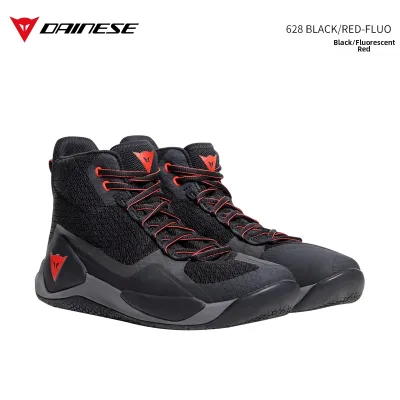
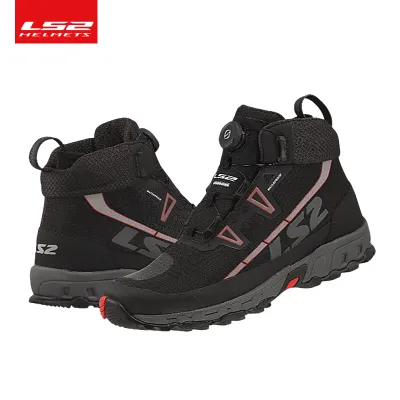
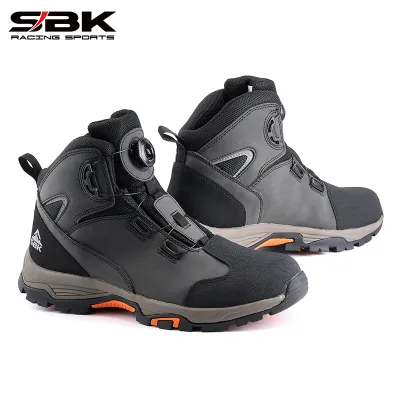
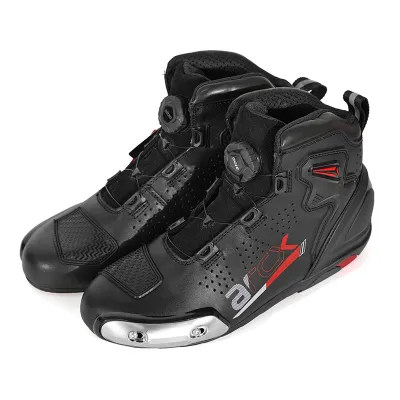
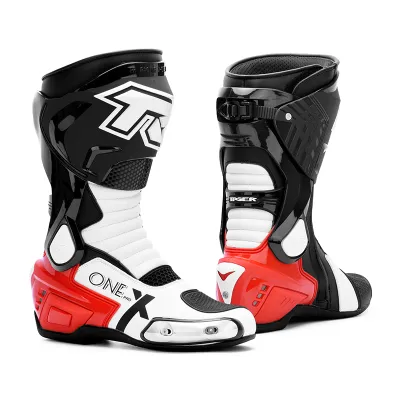
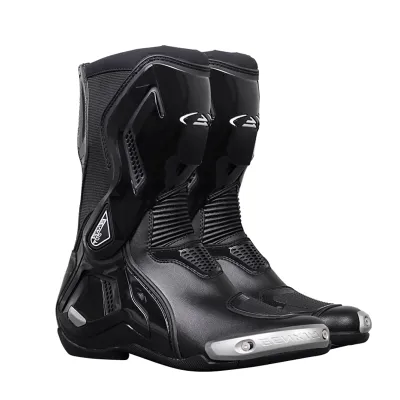
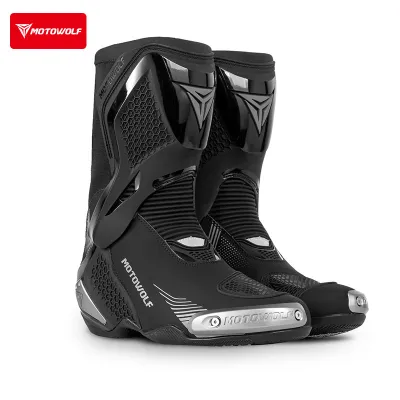
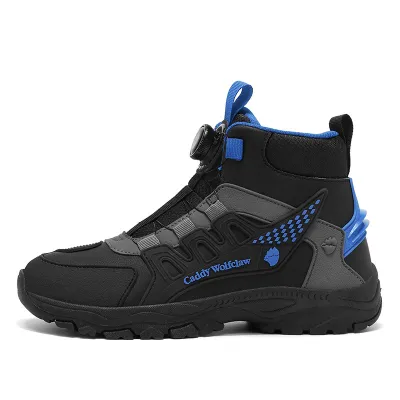
Prices are valid at publication and may change. Please refer to the product page for the latest price.
Finally, the urban commuter faces the challenge of transitioning from the motorcycle to a professional or casual office environment. Arriving at a workplace wearing bulky, aggressive plastic boots is impractical and visually out of place. The ideal commuting boot must blend seamlessly into an office setting, offering the comfort needed to walk, stand, and work throughout the day without requiring a complete wardrobe change.
Core Protection for Stop-and-Go Urban Traffic
When selecting riding boots for motorcycle men, safety must remain the primary consideration, even for low-speed city commutes. Urban traffic environments are highly unpredictable, making robust foot and ankle protection essential to prevent debilitating injuries from minor falls, side-impacts, or joint twisting.

Ankle Protection
Look for boots equipped with integrated, low-profile ankle armor, often referred to as malleolus protectors. These are impact-absorbing discs made of materials like polyurethane, D3O, or thermoplastic rubber embedded into both sides of the ankle collar. They shield the bony protrusions of your ankle from direct impact and abrasion during a slide, yet are shaped to allow the natural joint articulation needed for smooth shifting and braking.
Reinforced Toe and Heel Boxes
To prevent crushing injuries, high-quality commuting boots feature reinforced internal toe caps and heel counters. These rigid structures, usually made of thermoplastic polyurethane (TPU) or heavy-duty plastics, are built into the layers of the boot. They maintain the boot’s shape under pressure, protecting your toes and heel if your motorcycle falls on your foot or if you are bumped by another vehicle in tight traffic.
Shift Pads and Sole Stiffness
A dedicated shift pad on the upper toe area is highly recommended. This extra layer of textured rubber, leather, or synthetic material protects the boot from premature wear caused by the gear shifter, while also preventing the shifter from damaging the top of your foot. Additionally, the sole must feature an internal shank made of nylon, fiberglass, or steel. This shank provides transverse rigidity, preventing the foot from wrapping around the footpeg during an impact, while still allowing enough longitudinal flex at the ball of the foot for natural walking.
Verification
Always verify safety ratings before making a purchase. Rather than relying on vague marketing terms like “heavy-duty” or “reinforced,” look for official CE certification labels sewn inside the tongue or collar of the boot. The CE EN 13634 standard is the European safety benchmark for protective motorcycle footwear, testing boots for height, abrasion resistance, impact cut, and transverse rigidity. Ensure the product documentation or physical labels confirm this certification to guarantee genuine protection.
Managing Tropical Heat and Sudden Downpours
Filipino commuters must navigate the difficult trade-off between maximum airflow for hot days and water resistance for sudden rainstorms. Choosing the right material combination depends heavily on your daily route and personal tolerance for heat.
Ventilation Features
For the majority of the year, managing heat and humidity is the key to foot comfort. Prioritize boots constructed with highly breathable materials, such as 3D mesh panels, perforated leather, or lightweight synthetic textiles. A moisture-wicking inner lining is also essential, as it actively pulls sweat away from your skin to keep your feet dry, reducing the risk of friction blisters and bacterial growth inside the boot.
The Waterproof Dilemma
While fully waterproof boots with integrated membranes keep rain out, they also trap heat and sweat inside, which can make your feet uncomfortably hot in tropical climates. If you prefer a single boot for year-round use, look for advanced, breathable waterproof membranes. These technologies feature microscopic pores that are small enough to block external water droplets but large enough to allow sweat vapor to escape, though they will still run warmer than non-waterproof, ventilated options.
Practical Alternatives
Many experienced commuters find it more practical to prioritize highly ventilated boots for daily comfort and use external solutions when the weather turns. Carrying a compact pair of waterproof overshoes (rain booties) in your backpack or under-seat compartment allows you to quickly slip them over your ventilated boots during heavy downpours. Alternatively, pairing ventilated boots with waterproof riding socks keeps your feet dry while allowing the boot itself to drain and dry quickly once the rain stops.
Walkability and Office-Appropriate Styling
Because commuting boots are worn both on and off the motorcycle, they must offer excellent walkability and a design that fits your workplace dress code.
Sole Design and Grip
The outsole of a commuting boot needs to provide reliable traction on a variety of surfaces. Look for slip-resistant rubber compounds with a balanced tread pattern. The sole must offer a firm grip on wet asphalt, oily road surfaces, and smooth, polished office tiles or concrete parking structures. Avoid aggressive, deep off-road lugs that can catch on your motorcycle’s footpegs, as well as completely flat soles that offer no traction on wet pavement.
Walking Comfort
To ensure comfort during the “last mile” of your commute, pay attention to the boot’s internal construction. Look for models featuring cushioned, shock-absorbing midsoles (such as EVA foam) and anatomical insoles that support your arches. The overall weight of the boot should be relatively low; heavy, stiff boots will quickly fatigue your legs during short walks from the parking lot to your desk or during errands around town.
Aesthetic Integration
Modern riding footwear includes many options designed to look like casual high-top sneakers, classic leather work boots, or sleek Chelsea boots. These styles effectively conceal the internal ankle armor, reinforced toe boxes, and sole shanks. Choosing a boot made of full-grain leather, matte synthetic leather, or clean canvas allows you to maintain a professional or smart-casual appearance at work without compromising your safety on the road.
Smart Commuting Strategies and Boot Maintenance
Implementing simple daily habits can significantly improve your comfort and extend the lifespan of your riding boots in a warm, humid environment.
Office Shoe Swap
Avoid wearing your riding boots all day at your desk. Keeping a pair of lightweight office shoes, loafers, or sneakers at your workplace allows you to change out of your riding gear immediately upon arrival. This practice gives your riding boots ample time to air out and dry completely, preventing the breakdown of internal materials and reducing the buildup of unpleasant odors.
Sock Selection
The socks you wear play a major role in foot comfort and moisture control. Avoid standard cotton socks, which absorb and hold onto sweat, leading to damp feet and rapid bacterial growth. Instead, invest in moisture-wicking synthetic socks or lightweight merino wool socks. These materials pull moisture away from the skin and dry quickly, keeping your feet comfortable even during long commutes in heavy traffic.
Basic Maintenance
The combination of road grime, rain, and humidity can accelerate the deterioration of boot adhesives and stitching. After riding in wet conditions, wipe down your boots with a clean, damp cloth to remove mud, road salt, and dirt. Always allow your boots to dry naturally in a cool, well-ventilated indoor space. Never expose them to direct, high heat sources like hair dryers, heaters, or intense midday sunlight, as excessive heat can warp thermoplastic protectors, melt sole adhesives, and cause leather to crack.
Frequently Asked Questions (FAQ)
Can I use regular hiking boots for daily motorcycle commuting?
While hiking boots offer decent ankle support and slip-resistant soles, they are not designed to handle the specific forces of a motorcycle accident. Hiking boots lack crucial lateral crush resistance (transverse rigidity) to protect your foot if the motorcycle lands on it during a fall. Furthermore, hiking boots often feature metal speed hooks and long, loose laces that can easily snag on your gear shifter, brake pedal, or footpegs, creating a serious hazard when you try to put your foot down at a stop.
How do I prevent my riding boots from smelling in humid weather?
To prevent odor buildup, always wear moisture-wicking socks and swap your boots for office shoes once you arrive at work. If your budget allows, alternating between two pairs of riding boots gives each pair a full 24 to 48 hours to dry completely. You can also place cedar shoe trees or specialized moisture-absorbing deodorizer pouches inside your boots after each ride. Always store your boots in a cool, well-ventilated area rather than leaving them in a damp gear bag or a closed, unventilated closet.

Community discussion
Share your experience or ask a question. Comments are reviewed before publication.