
Understanding rim specifications is the foundation of ensuring your vehicle’s safety, handling, and aesthetic stance. Before purchasing new wheels from online marketplaces or local retailers, learning how to interpret these measurements is essential. In the Philippines, where road conditions vary from smooth expressways to flooded streets and uneven provincial roads, installing the wrong wheels can lead to severe mechanical issues.
The four core parameters—diameter, width, offset, and PCD—dictate whether a wheel will physically bolt onto your hub and clear your suspension components. Making an uninformed choice can result in tires rubbing against fenders, damaged suspension parts, or even wheel detachment. This guide breaks down each specification so you can read product listings accurately and make a safe, compatible upgrade.
How to Read Basic Rim Size: Diameter and Width
When looking at a wheel specification, you will often see a sequence of numbers like “17 x 7.5” or “15 x 6J.” The first number represents the wheel diameter, while the second indicates the rim width. Both of these primary dimensions are measured in inches and directly dictate your tire selection.
Wheel diameter is the distance across the face of the wheel, excluding the outer retaining lip. If you plan to reuse your existing tires, the new rim’s diameter must match your tire’s inner diameter exactly. For example, a tire marked with “205/55R16” has a 16-inch inner diameter and can only be mounted on a 16-inch rim. If you decide to upgrade to a larger diameter for a sportier look, you must select new tires with a lower aspect ratio to keep the overall rolling diameter close to the factory standard.
Rim width is the distance between the inner flanges where the tire beads seat. This measurement determines the range of tire widths that can safely fit the wheel. Mounting a tire on a rim that is too narrow can cause the tread to bulge, reducing the contact patch and causing uneven wear. Conversely, mounting a tire on an excessively wide rim stretches the sidewall, which compromises ride comfort and increases the risk of wheel damage from potholes. Always check your vehicle’s owner’s manual or the tire placard on the driver-side door jamb to verify the manufacturer-recommended size ranges before altering these dimensions.
Understanding Wheel Offset and Its Impact on Fitment
Wheel offset determines how far inward or outward the wheel sits within the wheel well. Measured in millimeters, offset is the distance from the wheel’s mounting surface—where it bolts to the brake rotor or drum—to the physical centerline of the wheel. This specification is typically stamped on the back of the wheel as “ET” followed by a number.
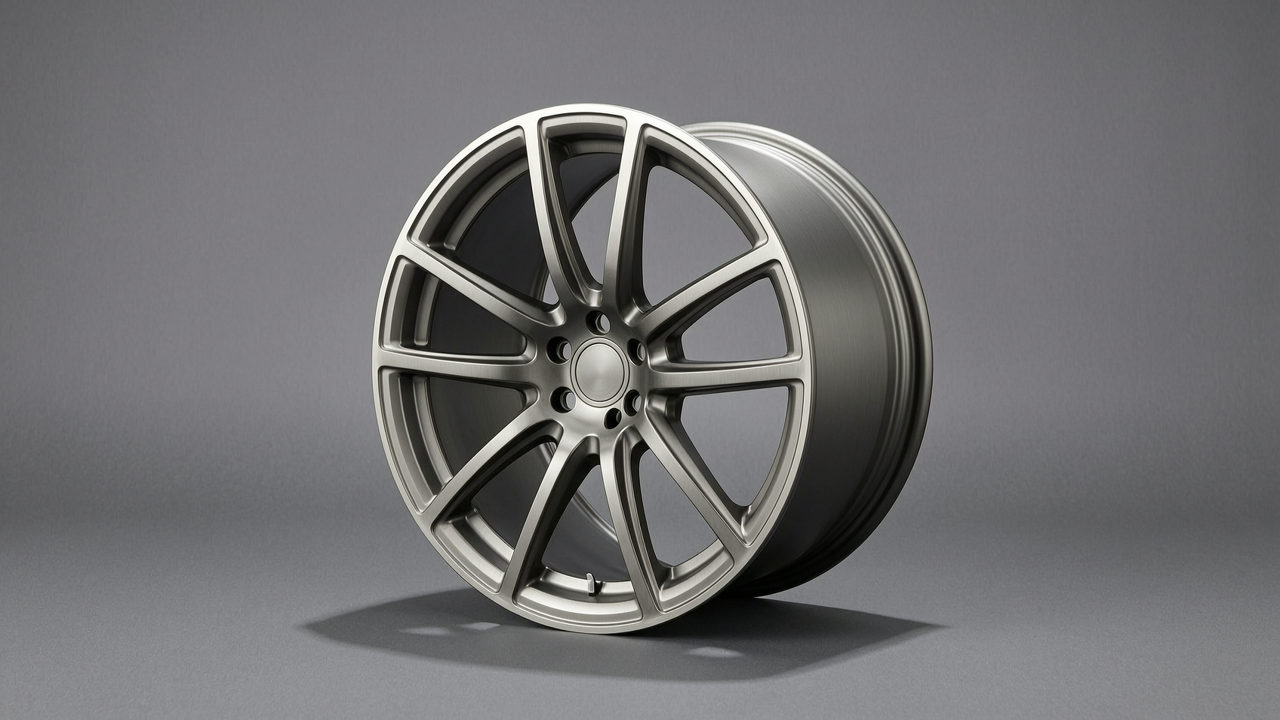
Offset is categorized into three types: positive, zero, and negative. A positive offset means the mounting surface is positioned toward the front face of the wheel, pulling the entire wheel assembly inward toward the suspension. Most modern passenger cars and front-wheel-drive vehicles utilize a positive offset. A zero offset means the mounting surface is perfectly aligned with the wheel’s centerline. A negative offset means the mounting surface is closer to the back of the wheel, pushing the wheel outward to create a wider stance, which is common on off-road pickups and SUVs.
Installing wheels with the incorrect offset introduces significant safety and mechanical risks. If the offset is too positive, the inner edge of the tire or wheel rim can rub against suspension struts, steering linkages, or brake calipers. If the offset is too negative, the tire tread may contact the outer fender lip when the suspension compresses over speed bumps or under heavy passenger loads. Furthermore, deviating too far from the factory offset alters the steering scrub radius, which can cause heavy steering, unstable braking behavior, and accelerated wear on your wheel bearings and suspension bushings. Always verify any aftermarket offset against your vehicle’s specific chassis limits, and consult a qualified wheel specialist if you plan to make significant changes.
Why PCD and Center Bore Are Critical for Installation
While diameter and width affect tire fitment, Pitch Circle Diameter (PCD) and center bore are absolute physical constraints. If these measurements do not match your vehicle’s hub specifications, the wheel cannot be safely mounted.
PCD refers to the bolt pattern of the wheel. It is expressed as the number of lug holes multiplied by the diameter of the imaginary circle they form, measured in millimeters. For example, a PCD of “5×114.3” means the wheel has five lug holes arranged in a circle with a diameter of 114.3 millimeters. Because vehicle manufacturers use highly specific bolt patterns, a wheel with a mismatched PCD will not align with your hub studs. Never attempt to force a wheel with an incorrect PCD onto your vehicle, as this can damage the threads and compromise structural safety.
The center bore is the machined circular opening at the very center of the wheel’s backside. This opening must fit snugly over the vehicle’s hub flange. Most original equipment manufacturer (OEM) wheels are hub-centric, meaning the hub flange—not the lug nuts—supports the weight of the vehicle and centers the wheel. If the center bore of an aftermarket wheel is smaller than your vehicle’s hub, the wheel will not sit flush against the mounting surface.
If the aftermarket wheel has a larger center bore than your hub, you can use hub-centric rings to bridge the gap. These rings center the wheel precisely, preventing high-speed steering wheel vibrations. However, you must strictly avoid using unverified adapters or forcing incompatible wheels. Relying solely on the lug nuts to center a non-matching wheel can lead to extreme stress on the studs, potentially causing them to shear off while driving.
Step-by-Step Guide to Verifying Rim Compatibility
To avoid costly purchasing mistakes and ensure on-road safety, follow this systematic checklist before buying new rims:
First, locate your vehicle’s exact factory specifications. You can find these in your owner’s manual, on the tire placard inside the driver-side door frame, or by inspecting the back of your current factory wheels, where the dimensions are usually stamped into the metal.
Second, compare the specifications of the new rims against your vehicle’s requirements. Ensure you verify all six critical comparison points: diameter, width, offset, PCD, center bore, and load rating. The load rating is especially critical for utility vehicles, vans, and heavy SUVs frequently driven on rough roads, as the rims must be rated to support the vehicle’s maximum loaded weight.
Third, establish a clear stop condition. If any specification does not align with your vehicle’s factory limits, if your vehicle is equipped with upgraded aftermarket brake calipers that require extra clearance, or if the wheel’s load rating is unknown, halt the purchase immediately. Do not rely on guesswork. Consult your vehicle manufacturer’s documentation or a qualified wheel specialist to verify compatibility and ensure a safe installation.
Frequently Asked Questions (FAQ)
Can I use a rim with a different PCD if I use adapters?
PCD adapters, also known as conversion spacers, bolt onto your vehicle’s hub to provide a different bolt pattern. While they allow you to mount wheels with a non-matching PCD, they act as physical spacers and push the wheel outward. This significantly reduces your effective offset, which can cause tires to rub against the fenders and increase leverage on your wheel bearings, leading to premature wear. If you choose to use adapters, they must be high-quality, hub-centric, and installed using a calibrated torque wrench to original-vehicle specifications. Because of the safety-critical nature of wheel mounting, professional installation is highly recommended.
Does a wider rim always mean better handling?
Not necessarily. While a slightly wider rim can support a wider tire tread, which increases the contact patch and sharpens steering response, going too wide has clear drawbacks. If the rim width exceeds the tire manufacturer’s recommended range, the tire sidewalls will be excessively stretched. This reduces the tire’s ability to absorb road shocks, making the ride harsh and increasing the risk of bead unseating or blowout when hitting potholes. Additionally, wider wheel assemblies are often heavier, which can increase rolling resistance, raise fuel consumption, and make steering heavier during low-speed city driving.

Community discussion
Share your experience or ask a question. Comments are reviewed before publication.