
Stepping into a car that has been parked under the intense tropical sun can feel like entering an oven, leaving drivers searching for the most effective cooling car curtains to lower interior temperatures. While there is no single universal winner, the coolest option depends entirely on your specific needs: solid fabric sunshade curtains offer the highest physical blockage of direct sunlight, reflective roller shades excel at bouncing away radiant heat at key entry points, and mesh panels provide a balance of moderate heat reduction with essential driving visibility. Choosing the right style requires evaluating how each material handles solar energy, where it will be installed, and how it impacts your safety on the road.
By understanding the physical trade-offs of each design, you can make an informed decision that keeps your cabin comfortable. Whether you are looking to protect young passengers in the backseat, maintain clear visibility while navigating busy city streets, or completely block out the sun during long parking sessions, matching the correct curtain type to your driving habits is key.
How do roller shades, mesh panels, and sunshade curtains block heat?
Roller shades, mesh panels, and sunshade curtains block heat through distinct physical mechanisms of reflection, absorption, and physical light filtration. Solid sunshade curtains and reflective roller shades primarily block and bounce back direct solar radiation, whereas mesh panels rely on partial light blockage while allowing air to circulate when windows are cracked open. Understanding these differences helps you choose the right material for your specific climate and parking conditions.
Products mentioned in this guide
4 Lazada user ratings
It’s okay for its price. Bit crumpled at first but probably will straighten out once used and exposed to the heat.
Prices are valid at publication and may change. Please refer to the product page for the latest price.
Reflective materials, often found on the outer-facing side of specialized roller shades or premium curtains, bounce radiant heat away from the cabin before it can warm up the interior plastics and upholstery. This is highly effective at reducing the greenhouse effect inside a parked vehicle. On the other hand, absorptive materials, such as dark, thick fabrics used in solid curtains, absorb the light energy. While this stops the light from reaching your skin directly, the fabric itself will warm up over time and slowly radiate heat into the cabin if there is no active ventilation.
Mesh panels operate on a different principle by filtering a percentage of incoming solar rays rather than blocking them entirely. They are typically made of woven synthetic fibers like polyester or nylon, with product labels specifying their light transmission or UV blockage ratings. Because they are porous, mesh panels allow for natural airflow if you roll down the window slightly, which can help dissipate trapped heat. However, their heat rejection is generally lower than solid, opaque barriers because a portion of the sunlight still passes directly through the open weave.
Solid curtains and roller shades create a physical barrier that completely blocks the line of sight and direct sunlight. When parked, a solid fabric curtain or a fully extended roller shade prevents the dashboard, steering wheel, and seats from absorbing heat. This keeps the touchpoints of your vehicle cool and reduces the initial workload on your air conditioning system when you start driving.
Which cooling car curtain type works best for different window positions?
The best cooling car curtain type varies by window position, with solid sunshades performing best on the windshield and rear glass when parked, while mesh panels and retractable roller shades are ideal for side windows. Matching the curtain style to the specific window ensures you maintain necessary driving visibility while maximizing thermal protection. Each window position has unique safety and structural requirements that dictate the most suitable accessory.

The windshield is the largest entry point for solar heat in any vehicle. For this position, highly reflective, custom-fit solid sunshades are the standard recommendation. These shades should only be used when the vehicle is stationary, as they completely block the driver’s view. Rear windows can also accommodate solid shades or heavy mesh panels, but drivers must ensure that rear-view visibility is not compromised beyond safe operating practices.
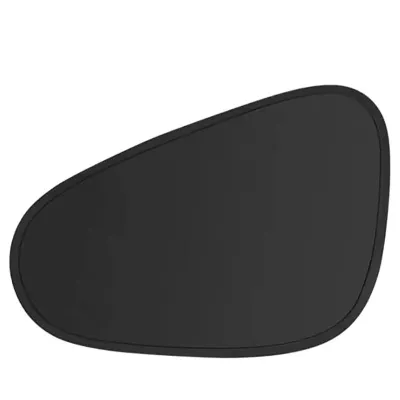
Side windows require a more flexible approach. Front side windows must remain clear enough for the driver to see side mirrors and blind spots clearly, making lightweight, high-transmission mesh panels the only viable option while driving. Rear side windows offer more flexibility; this is where retractable roller shades and magnetic mesh panels excel. Roller shades allow passengers to quickly adjust the coverage depending on the angle of the sun, while custom-fit magnetic mesh panels cover the entire window frame to eliminate gaps where hot sunlight can leak through.
Before purchasing any window covering, it is essential to check the manufacturer’s product label for specific ultraviolet (UV) protection factors and visible light transmission (VLT) ratings. Do not assume a darker shade automatically blocks more heat; high-quality, lighter-colored materials with specialized coatings can sometimes offer superior thermal performance without completely darkening the interior. Always verify that the product is rated for automotive use to ensure the materials can withstand high cabin temperatures without degrading.
How do visibility and daily convenience compare across these curtain styles?
Visibility and daily convenience represent the primary trade-offs when choosing between these curtain styles, as solid curtains offer maximum shade but block all outward vision, while mesh and roller shades provide adjustable or partial visibility at the expense of absolute heat rejection. Balancing these factors depends on whether you need maximum cooling while parked or comfortable protection while actively driving. Your daily routine and passenger needs will dictate which compromise is most practical.
Safety must always come first when evaluating visibility. Front side windows must remain clear enough for the driver to see side mirrors and blind spots clearly. Solid fabric curtains must never be drawn across the front windows while the vehicle is in motion. Mesh panels are designed to let you see through them, but they still reduce contrast and low-light visibility. Drivers should exercise extreme caution when using any window coverings during night driving or in heavy rain, and remove them if visibility is compromised.
Installation methods vary significantly and impact daily convenience:
- Suction cups: Common and inexpensive, but they can lose suction over time due to heat exposure or dirty glass surfaces. They may also leave residue on the windows.
- Static cling: Easy to apply and remove without hardware, but they require a perfectly clean window surface to stay attached and are limited to specific mesh designs.
- Magnetic tracks/frames: These attach directly to the metal door frame of the vehicle. They offer a clean, custom-fit look and allow you to roll the window down without removing the shade, though they will not work on vehicles with frameless windows or non-magnetic aluminum/plastic door frames.
- Retractable roller housings: Typically mounted via adhesive or clips to the top or bottom of the window trim. They offer excellent convenience, allowing you to pull the shade up or down in seconds, but the housing itself remains permanently visible on the door panel.
Daily operation and storage are also important considerations. Foldable wire-frame mesh panels twist into compact circles that fit easily into seatback pockets when not in use. Solid fabric curtains can be slid to the side and secured with straps, while roller shades retract automatically into their housings. Choose a system that matches how often you carry passengers or need to adjust your windows throughout the day.
What must you verify before installing cooling car curtains in your vehicle?
Before installing any cooling car curtains, you must verify the exact physical dimensions of your windows, check for mechanical clearance of interior components, and review local traffic regulations regarding window obstructions. Taking these steps prevents damage to your vehicle’s window mechanisms and ensures you remain compliant with road safety laws. Never assume a product fits your vehicle based solely on a generic category description.
Universal-fit shades are budget-friendly but often leave gaps around the edges, allowing heat and light to bypass the barrier. Custom-fit options are measured to the exact make, model, and year of your vehicle, providing edge-to-edge coverage. Always measure the height and width of your glass surface before purchasing, and do not rely solely on generic vehicle category descriptions such as “medium sedan” or “compact SUV.”
Mechanical clearance is critical for preventing damage to your vehicle’s interior. Ensure that the mounting hardware, suction cups, or magnetic frames do not interfere with the operation of the window glass, door locks, door handles, or side airbags. If a shade attaches to the glass itself, rolling the window down with the shade attached can jam the window regulator or tear the shade. Always consult your vehicle’s owner’s manual to identify any sensitive electronic sensors or trim materials that could be damaged by adhesives or suction cups.
In the Philippines, the Land Transportation Office (LTO) enforces specific rules regarding vehicle window tinting and obstructions. Generally, the windshield and front side windows must maintain a high level of visible light transmission to ensure the driver has an unobstructed view of the road, pedestrians, and side mirrors. Installing solid, non-transparent curtains on front windows while driving is illegal and highly dangerous. Ensure any mesh panels used on front windows do not violate local visibility standards or attract traffic citations.
How should you clean and maintain mesh, roller, and solid car shades?
Proper maintenance of your cooling car curtains involves regular gentle cleaning of the fabrics and routine inspections of the mounting hardware to preserve their grip and structural integrity. Because these accessories are constantly exposed to intense sunlight and heat, their materials can degrade over time without proper care. Establishing a simple cleaning routine will extend the lifespan of your shades and keep your interior looking clean.
Mesh fabrics are delicate and can tear or stretch if handled roughly. Vacuum them gently with a soft brush attachment to remove dust. If they are soiled, wipe them down with a damp microfiber cloth using mild soap and water. Avoid harsh chemical cleaners or abrasive scrubbing pads, which can degrade the synthetic fibers or strip away UV-resistant coatings. Allow them to air dry completely before folding or storing them to prevent mold and mildew.
For roller shades, wipe the vinyl or fabric shade with a damp cloth. Keep the roller housing free of dust and debris, as dirt inside the spring mechanism can cause it to jam or retract unevenly. Never apply household lubricants or oils to the roller mechanism unless specifically authorized by the manufacturer’s label, as these can attract dust and ruin the fabric. Solid fabric curtains can often be hand-washed or spot-cleaned according to the manufacturer’s instructions.
Regularly check suction cups for signs of hardening, cracking, or warping caused by heat. Cleaning suction cups with warm water and mild soap can often restore their pliability and grip. For magnetic shades, inspect the fabric sleeves covering the magnets to ensure they are not wearing thin, which could allow the metal magnets to scratch your vehicle’s paint or interior trim. If using adhesive tracks, check that the adhesive backing is not melting or peeling away from the door panel under high cabin temperatures, and replace the adhesive tape as needed.

Community discussion
Share your experience or ask a question. Comments are reviewed before publication.