
Choosing between a roof box and a cargo basket for your SUV or MPV in the Philippines depends entirely on whether you prioritize weatherproof security or flexible, open-air utility for oversized gear. Both options expand your vehicle’s carrying capacity, but they serve fundamentally different travel styles, cargo types, and road conditions. Selecting the right system ensures your belongings remain safe while keeping the vehicle cabin comfortable for passengers.
Roof boxes are enclosed, aerodynamic hard shells designed to protect standard luggage, duffel bags, and sensitive gear from external elements. They mount securely to your roof rack crossbars and keep your belongings completely out of sight. This enclosed design makes them highly suitable for long-distance highway travel where security and weather protection are paramount.
Cargo baskets, on the other hand, are open metal or plastic grid platforms built for modularity and irregular loads. Instead of enclosing your gear within rigid walls, they provide a sturdy base with multiple tie-down points. This allows you to secure bulky, dirty, or oddly shaped items that would never fit inside a hard-shell box.
Products mentioned in this guide
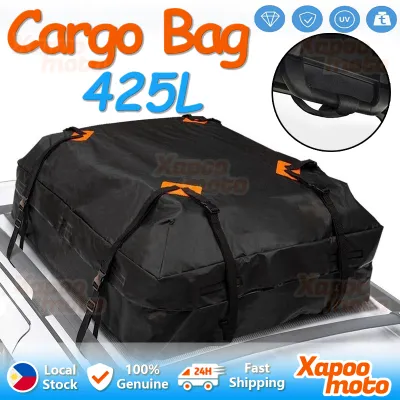
14 Lazada user ratings
Di ko pa nabuklat pero akala ko black bakit silver ito? Nasa loob ba yung black? Malalaman sa followup review or edit ng review na ito.
Spacious storage for all your travel needs,
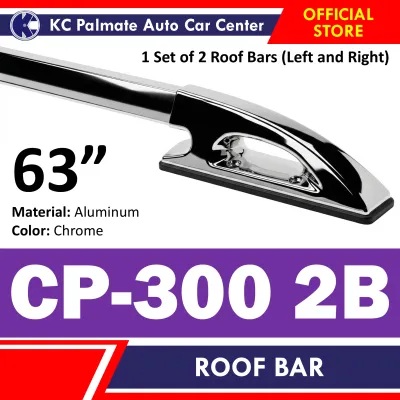
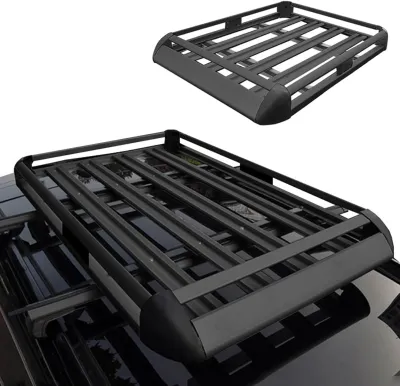
33 Lazada user ratings
bad selling strategy by not clearly disclosing item does not include cross bars. i have to look for cross bars to have the roof rack. napama…Read full reviewShow less
bad selling strategy by not clearly disclosing item does not include cross bars. i have to look for cross bars to have the roof rack. napamahal tuloy. feeling ko naisahan ako.
Bad experience no crossbar no manual instructions very difficult to assemble according to the post includes crossbar but the truth not inclu…Read full reviewShow less
Bad experience no crossbar no manual instructions very difficult to assemble according to the post includes crossbar but the truth not included dont buy this store
Installation is extremely easy. I fixed it up by myself in ten minutes
The effect is good and it suits my car very well.
the quality is amazing👍👍👍
Prices are valid at publication and may change. Please refer to the product page for the latest price.
For family SUVs and MPVs navigating both congested city streets and provincial highways in the Philippines, each carrier type offers distinct advantages. Whether you are planning a family road trip to the highlands of Baguio, a beach weekend in Batangas, or hauling utility gear across rough provincial roads, understanding these differences is key to making a practical investment.
Weather Resistance and Security Comparison
Tropical weather presents unique challenges for exterior vehicle storage, making weather resistance a primary consideration. Hard-shell roof boxes feature built-in weather sealing, overlapping lids, and rubberized gaskets designed to keep heavy monsoon rain, road grime, and fine dust away from your luggage. This level of protection ensures that your clothing, sleeping bags, and electronics remain completely dry and clean throughout the journey.
In contrast, an open cargo basket offers no inherent protection against rain, dust, or intense tropical sunlight. To protect your gear in a basket, you must invest in separate waterproof cargo bags, heavy-duty tarps, or specialized weather-resistant duffels. When purchasing these accessories, always check the specific IP (Ingress Protection) ratings, material thickness, and weatherproof claims on the product labels to ensure they can withstand heavy downpours.
Security is another area where these two systems differ significantly. Roof boxes come equipped with integrated locking mechanisms that secure the lid to the box base and lock the entire unit directly to your crossbars. Because the contents are completely hidden from view, a roof box offers high-level protection against opportunistic theft when your vehicle is parked at highway service stations, restaurants, or tourist spots.
Open cargo baskets leave all your gear fully visible, which naturally presents a higher risk of theft. Securing items in an open basket requires manual effort using heavy-duty ratchet straps, bungee cords, or cargo nets to prevent items from shifting during transit. If you plan to leave your vehicle unattended in public areas, you will need to use additional physical security measures, such as heavy-duty cable locks threaded through your luggage frames and the basket grid, or choose to unload valuable items whenever you park.
Cargo Flexibility, Loading, and Aerodynamics
The physical loading experience and the types of items you plan to carry should heavily influence your choice. Hard-shell roof boxes have fixed physical dimensions and rigid internal shapes. If an item is too long, too wide, or too tall, the lid simply will not close. However, they offer excellent convenience for standard luggage, featuring dual-side or rear-opening mechanisms that allow you to access your gear easily from either side of the vehicle’s stepping boards.

Cargo baskets excel at hauling irregular, bulky, or dirty items that cannot fit inside a hard shell. If you need to transport large coolers, camping chairs, recovery boards, wet beach gear, or even spare tires, a basket allows you to stack and strap these items without worrying about rigid walls. The open design means you can load from any angle, though you must be meticulous with your tie-down technique to ensure nothing slips loose on the highway.
Aerodynamics play a significant role in highway driving comfort, cabin noise, and vehicle performance. Roof boxes are engineered with sleek, tapered profiles designed to slice through the air, minimizing wind noise and reducing aerodynamic drag. This streamlined shape helps maintain a quieter cabin environment during long-distance drives.
Open cargo baskets, particularly when loaded with uneven, boxy items, create substantial wind resistance. This drag can lead to a noticeable whistling or rushing sound at high speeds, which may affect passenger comfort. Additionally, the increased drag can have a more pronounced impact on your vehicle’s handling in strong crosswinds.
Regardless of which carrier you choose, you must verify the maximum height clearance of your vehicle combined with the installed carrier. Many parking basements in metropolitan malls, residential condominiums, and certain toll plazas have low clearance limits. Measuring your vehicle’s total height beforehand prevents costly damage to your roof, the carrier, and the building structure.
Vehicle Compatibility and Installation Requirements
Before purchasing any cargo carrier, understand that neither a roof box nor a cargo basket can mount directly to a bare vehicle roof. Both systems require a compatible, properly installed roof rack system consisting of side rails (which run front-to-back) and crossbars (which run side-to-side). The crossbars act as the structural foundation that holds the carrier in place.
Safe operation depends on respecting weight limits. You must consult your SUV or MPV owner’s manual alongside the roof rack manufacturer’s product label to find the exact dynamic (moving) and static (parked) weight limits. The dynamic weight limit is crucial, as it represents the maximum load your roof can safely support while the vehicle is cornering, braking, and traveling at highway speeds.
Remember that the total safe weight is not just the weight of your luggage. It is the combined sum of the carrier itself, the crossbars, and the cargo loaded inside or on top. Exceeding these limits can compromise your vehicle’s center of gravity, negatively affecting handling, body roll, and braking performance.
If your SUV or MPV lacks factory-installed roof rails, if the mounting points on your roof are unclear, or if your intended cargo load exceeds the manufacturer’s stated limits, stop immediately. Do not attempt a DIY installation or force a generic fit. Consult a qualified automotive professional or your vehicle manufacturer to identify compatible mounting hardware and ensure a safe, road-legal setup.
Decision Framework: Which Cargo Carrier Should You Choose?
To finalize your decision, evaluate your typical travel habits, the types of gear you transport, and your storage environment.
Choose a roof box if you frequently travel with standard suitcases, duffel bags, or sensitive electronics that require absolute protection from heavy rain and dust. A roof box is also ideal if you prioritize security during long highway drives and want a streamlined, quiet ride with minimal wind noise.
Choose a cargo basket if you regularly haul bulky, dirty, or oddly shaped outdoor gear like camping equipment, sports gear, or off-road recovery tools. A cargo basket is perfect if you prefer a modular setup where you can adjust your tie-down configuration for every trip and do not mind using separate waterproof bags when it rains.
Before making a purchase, check if your vehicle’s roof weight capacity is strictly limited, as hard-shell boxes are generally heavier than empty metal baskets. Additionally, measure your garage or regular parking structures to ensure the added height of a roof box will not restrict your daily parking access.
| Feature | Roof Box | Cargo Basket |
|---|---|---|
| Weather Protection | Excellent (sealed hard shell) | None (requires separate waterproof bags) |
| Security | High (integrated locks, hidden contents) | Low (exposed, requires external cable locks) |
| Cargo Shape Flexibility | Limited (must fit within rigid dimensions) | High (accommodates irregular and bulky items) |
| Aerodynamics | Streamlined (lower wind noise and drag) | Variable (higher drag, especially when loaded) |
| Typical Setup Requirements | Crossbars required | Crossbars required |
Frequently Asked Questions (FAQ)
Do I need crossbars for both roof boxes and cargo baskets?
Yes. Both roof boxes and cargo baskets require a set of sturdy crossbars installed across your vehicle’s roof rails or fixed mounting points. The crossbars act as the structural foundation that holds the carrier in place. Before buying, always check the crossbar profile—whether square, round, or aerodynamic wing-shaped—and measure the dimensions to ensure they match the mounting clamps or U-bolts of your chosen box or basket.
How do roof cargo carriers affect fuel efficiency?
Any roof-mounted accessory increases your vehicle’s frontal area and wind resistance, which naturally reduces fuel efficiency. Aerodynamic, low-profile roof boxes are designed to let air flow smoothly around them, resulting in a smaller fuel economy penalty. Open cargo baskets, especially when loaded with bulky, non-aerodynamic items, create significant drag that forces your engine to work harder. To restore your vehicle’s baseline fuel economy, it is highly recommended to remove the carrier or empty the basket when you do not plan to use it for extended periods.
What is the weight limit for SUV and MPV roof carriers?
The safe weight limit is determined by the lowest-rated component in your entire roof setup. This includes the vehicle’s roof structure, the factory side rails, the aftermarket crossbars, and the carrier itself. For example, if your crossbars are rated for 75 kg but your vehicle’s roof limit is only 50 kg, your maximum safe capacity is 50 kg (including the weight of the crossbars and empty carrier). Always consult your vehicle’s owner’s manual and the rack manufacturer’s specifications to verify the dynamic weight limit before loading.
Community discussion
Share your experience or ask a question. Comments are reviewed before publication.