
When upgrading or replacing your motorcycle’s braking components, deciding between rubberized and semi-metallic brake shoes is a critical step in maintaining road safety and vehicle control. There is no universally “better” material; the right choice depends on your motorcycle’s specific braking system, your typical riding conditions, and the manufacturer’s specifications. Rubberized brake shoes (often categorized under organic or resin-based compounds) generally suit daily commuting and moderate braking, while semi-metallic options are typically evaluated for higher thermal demands and heavy-load scenarios. Your final decision must be based on your vehicle’s owner manual, verified physical compatibility, and observable braking needs rather than generalized performance claims.
In tropical environments like the Philippines, where riders frequently navigate a mix of intense summer heat, sudden monsoon downpours, and congested urban traffic, understanding how these materials behave is essential. The friction material you choose directly affects how your motorcycle responds when you pull the brake lever or press the pedal. Making an informed choice requires looking past marketing buzzwords and focusing on the physical properties of each material, how they interact with your motorcycle’s drums or rotors, and what your daily route demands from your machine.
Understanding the Composition of Rubberized and Semi-Metallic Brakes
To make an informed decision, you must first understand what goes into these friction materials. What is commonly referred to in the aftermarket as a “rubberized brake shoe” is typically a variation of an organic or resin-based friction compound. These shoes are manufactured by binding soft, non-asbestos organic materials—such as aramid fibers, rubber particles, glass, and high-temperature resins—into a cohesive friction block. The inclusion of rubber or elastic polymers in the binder matrix helps provide a more progressive, cushioned engagement against the brake drum. This composition makes the material relatively pliable, which generally results in quiet operation and less abrasive wear on the mating metal surfaces of your motorcycle’s braking system.
Products mentioned in this guide
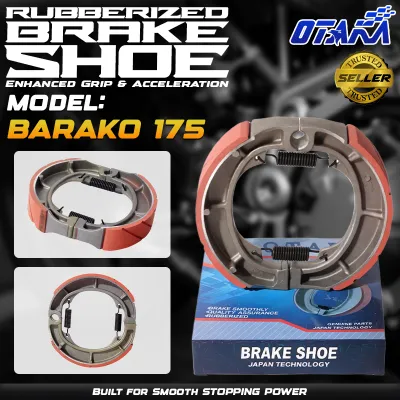
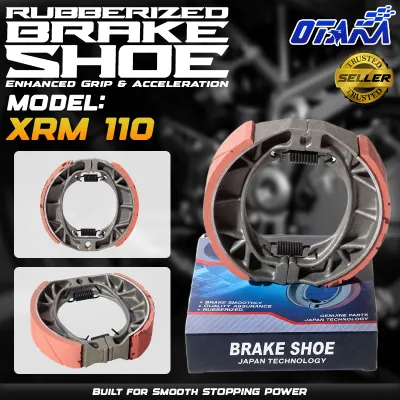
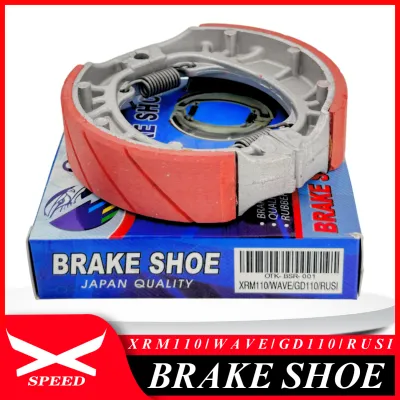
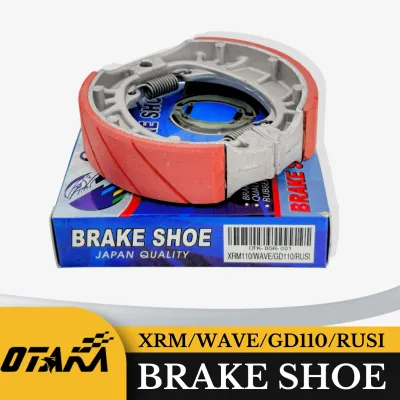
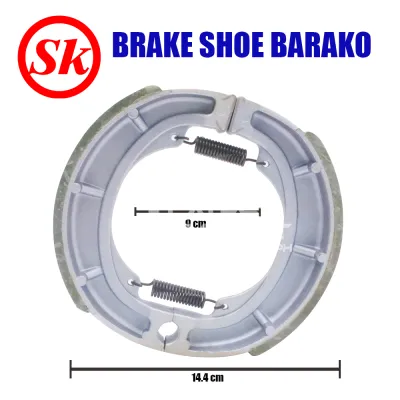
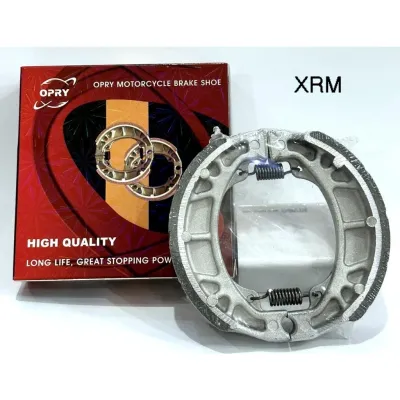
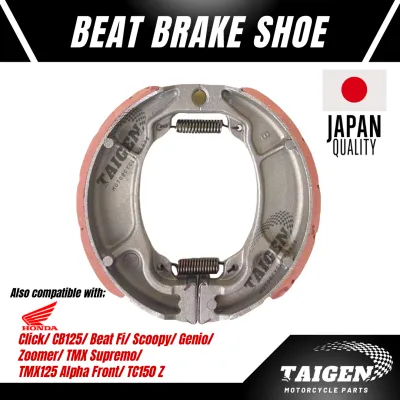
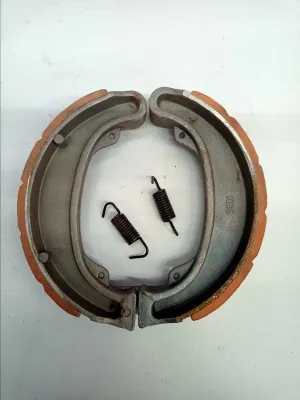
Prices are valid at publication and may change. Please refer to the product page for the latest price.
In contrast, semi-metallic brake shoes are engineered with a blend of metallic fibers mixed with organic binders and fillers. These metallic components typically include copper, steel, iron, or brass fibers, which are compressed and bonded under high pressure. The presence of metal fibers significantly alters the physical characteristics of the shoe. Semi-metallic compounds are much harder and denser than their rubberized counterparts. This structural density allows them to conduct heat away from the friction interface more rapidly, making them highly resistant to thermal degradation under sustained use. However, this hardness also means they can be more abrasive to the drum or rotor over time.
When shopping for replacement parts, it is vital to read the labeled operating temperature ranges and material classifications printed on the product packaging. Manufacturers often use standardized codes or temperature ratings to indicate the limits of the friction material. Additionally, you must clarify the physical and functional differences between drum brake shoes and disc brake pads to prevent terminology confusion. Brake shoes are curved metal pieces lined with friction material that sit inside a brake drum and expand outward to slow the wheel. Brake pads, on the other hand, are flat pieces of friction material that clamp inward onto a spinning disc rotor. While some material terminology overlaps, shoes and pads are not interchangeable, and you must purchase the exact configuration designed for your motorcycle’s specific wheel hubs.
Matching Brake Materials to Your Daily Riding Conditions
Your daily riding environment is one of the most influential factors in determining which brake shoe material will serve you best. For riders who primarily navigate stop-and-go city traffic, such as daily commuting through congested metropolitan streets, a rubberized or organic brake shoe is often highly practical. These conditions involve frequent, low-speed stops where the braking system rarely reaches extreme temperatures. Rubberized shoes excel here because they offer a smooth, predictable initial bite right from the start of your ride, without requiring a warm-up period. They also operate quietly, reducing the annoying squeaks and squeals that can occur during slow-speed filtering and stop-and-go riding.

Conversely, if your daily routes involve carrying heavy loads, riding with a pillion passenger, or navigating prolonged downhill stretches—such as traversing mountainous roads in elevated regions—your braking system faces much higher thermal demands. Under heavy loads or continuous braking, friction generates intense heat. If the heat cannot dissipate, the braking force can fade, a dangerous condition known as brake fade. Semi-metallic brake shoes are designed to handle these high-temperature scenarios. The metallic fibers within the compound help conduct heat away from the contact surface, maintaining consistent stopping power even when the brakes are applied repeatedly under heavy loads.
Environmental factors like wet weather and road debris also play a major role in material selection. During the rainy season, roads can quickly become flooded or muddy, introducing water and grit into the braking system. When water gets between the brake shoe and the drum, it acts as a lubricant, temporarily reducing friction. When selecting brake shoes, check the product labels for specific water recovery and environmental resistance claims. Semi-metallic compounds often recover their friction levels more quickly after water exposure because the hard metallic fibers can help sweep away water films and grit. However, rubberized compounds designed with specialized water-dispersing grooves can also perform reliably in wet conditions, provided they are rated for wet-weather use by the manufacturer.
Verifying Motorcycle Compatibility and Safety Boundaries
Before purchasing any aftermarket brake shoes, verifying compatibility with your specific motorcycle model is an absolute safety requirement. The braking system is the most critical safety feature on your vehicle, and installing incorrect or unverified parts can lead to catastrophic failure. Your first step must always be to consult your motorcycle’s owner’s manual or official service manual. These documents outline the original equipment manufacturer (OEM) material specifications, dimensions, and exact part numbers required for your model. If the manufacturer specifies that your motorcycle must use a particular friction material to maintain its certified stopping distance, you should adhere strictly to that recommendation.
It is also crucial to understand the safety boundaries of your specific braking setup. Many smaller motorcycles and scooters utilize a drum brake system on the rear wheel and a disc brake system on the front wheel, while older or budget-friendly models may use drum brakes on both wheels. You must verify whether you are purchasing parts for a drum system (brake shoes) or a disc system (brake pads), as well as the exact dimensions of the drum housing. Attempting to force a part that is slightly off-specification into a drum can cause the brakes to bind, lock up, or fail to engage entirely. Never attempt to modify, shave, or alter the metal backing or friction lining of a brake shoe to make it fit a drum.
Furthermore, you must avoid using unverified, unbranded, or counterfeit braking components. While budget-friendly aftermarket options are widely available on online marketplaces, saving a small amount of money is not worth compromising your safety on the road. Unbranded parts often lack quality control, leading to issues like the friction lining separating from the metal backing plate under heat and stress. Always purchase from reputable, authorized dealers and verify the authenticity of the packaging. If you are unsure about the installation process, do not attempt a do-it-yourself repair. Braking components require precise torque specifications and correct alignment; therefore, having them installed by a qualified professional mechanic is highly recommended to ensure your motorcycle remains safe to ride.
Inspecting Wear, Noise, and Maintenance Signals
Regular maintenance and visual inspections are key to ensuring your motorcycle’s braking system functions reliably. For drum brakes, many motorcycles feature a wear indicator pointer on the external brake arm. When you press the brake pedal or pull the lever, this pointer moves along a marked scale on the drum housing. If the pointer aligns with the wear limit mark, it indicates that the brake shoe linings have worn down to their minimum safe thickness and must be replaced immediately. If your motorcycle does not have an external indicator, or if you want to perform a thorough check, you must remove the wheel and visually inspect the brake shoes. The friction lining should never be allowed to wear down below the manufacturer’s specified minimum thickness, which is typically around 1.5 to 2 millimeters.
During a physical inspection, you must also examine the condition of the brake drum’s inner surface. Look for signs of scoring, deep grooves, uneven wear, or heat discoloration (blue spots). A damaged or out-of-round drum will rapidly accelerate the wear of new brake shoes and significantly reduce braking efficiency, regardless of the material you choose. If the drum is deeply grooved, it may need to be machined by a specialist or replaced entirely. Additionally, check for the presence of oil, grease, or brake fluid contamination inside the drum housing. Any contamination on the friction surfaces will ruin the brake shoes and cause severe slippage.
It is also important to recognize common mechanical signals that indicate your braking system needs attention. While some riders assume that brake squeal or vibration is always caused by the friction material itself, these noises are often symptoms of underlying mechanical issues. For example, weak or worn-out return springs can prevent the brake shoes from retracting fully, causing them to drag against the drum and overheat. Accumulated brake dust inside the drum can also cause squealing and a gritty lever feel. If you experience a spongy feel in the brake lever, a sudden loss of stopping power, or a harsh metal-on-metal grinding sound, these are critical stop-riding conditions. You must immediately stop operating the motorcycle and consult a qualified mechanic for a professional diagnosis and repair.
Decision Framework: Which Brake Shoe Should You Choose?
To finalize your decision, you can use a structured framework based on your verified riding needs, motorcycle specifications, and typical operating conditions. Choosing the right material is a matter of balancing your daily usage patterns against the physical characteristics of the brake shoes.
You should choose rubberized or organic brake shoes if:
- Your daily riding consists primarily of low-to-medium speed urban commuting with frequent stops.
- You prioritize a quiet ride with minimal brake squeal and prefer a smooth, progressive initial brake bite.
- You want to minimize wear on your motorcycle's brake drums to extend their service life.
- Your motorcycle is a light-duty scooter or small-displacement commuter bike operated under normal load conditions.
You should choose semi-metallic brake shoes if:
- You frequently carry heavy cargo, ride with a pillion passenger, or operate a heavier motorcycle.
- Your regular routes include steep hills, mountainous terrain, or fast highway riding that requires sustained braking and high heat tolerance.
- You frequently ride in wet, muddy, or dusty environments and require a material that recovers quickly from water exposure.
- Your motorcycle manufacturer explicitly specifies semi-metallic compounds as the original equipment standard for your model.
Before making any purchase, always perform a final verification check. Confirm whether your motorcycle’s owner’s manual mandates a specific OEM material type, as deviating from this can alter the handling and safety dynamics of your vehicle. If you are unsure about the compatibility of a specific part number, or if your braking system exhibits any signs of mechanical wear, contamination, or damage, consult a professional mechanic before installing new components.
Frequently Asked Questions (FAQ)
Can I mix different brake shoe materials on the front and rear wheels?
Yes, it is common and generally safe to use different friction materials on the front and rear wheels, provided you follow the manufacturer’s design. Many motorcycles are engineered with a disc brake on the front wheel and a drum brake on the rear wheel. In this setup, the front disc may use semi-metallic pads to handle the primary stopping force, while the rear drum uses organic or rubberized shoes for progressive, low-speed control. However, you should never mix different materials within the same brake assembly (for example, using two different types of shoes inside a single drum). Always adhere to the OEM configuration specified in your owner’s manual to maintain balanced braking bias and predictable handling.
How do I properly bed in new motorcycle brake shoes?
Properly bedding in, or breaking in, new brake shoes is essential to ensure optimal contact between the friction material and the drum surface. When you install new shoes, they only make contact with the drum at high spots. To bed them in, ride your motorcycle at a moderate speed in a safe, low-traffic area and apply the brakes gently and progressively to slow down to a walking pace. Repeat this process 20 to 30 times, allowing the brakes to cool slightly between applications. Avoid sudden, hard braking or emergency stops during the first 100 kilometers of riding, as extreme heat before the shoes are fully seated can glaze the friction material, permanently reducing its stopping power.
Community discussion
Share your experience or ask a question. Comments are reviewed before publication.