
Riding a Barako 175 with degraded or low-quality brake shoes severely compromises your stopping power, directly increasing the risk of accidents. When the friction material is worn thin or manufactured from substandard compounds, the braking system cannot generate the necessary force to slow the motorcycle safely. This is particularly dangerous for a utility workhorse like the Barako 175, which often carries heavy loads, navigates congested streets, and operates in unpredictable tropical weather. Understanding how these components fail and learning to spot the warning signs is essential for keeping your daily rides safe and avoiding costly mechanical repairs.
Recognizing the Warning Signs of Degraded Brake Shoes
Identifying the early warning signs of failing brake shoes can prevent dangerous situations on the road. One of the most common indicators is an auditory signal during braking. If you hear a high-pitched squeaking, scraping, or harsh grinding noise when applying the brakes, the friction material has likely worn down to the metal backing. This metal-on-metal contact means your stopping power is severely compromised and immediate action is required.
Physical feedback through the brake lever or pedal also provides critical clues about the health of your braking system. A spongy or soft feeling when you pull the front brake lever or press the rear brake pedal suggests that the brake shoes are not making firm, even contact with the drum. You might also notice a significant reduction in initial braking bite, requiring you to pull the lever much closer to the handlebar than usual to achieve the same stopping force.
Products mentioned in this guide
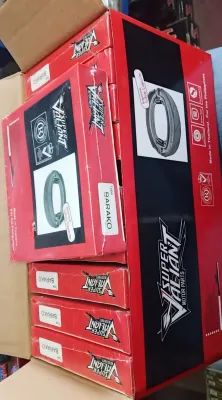
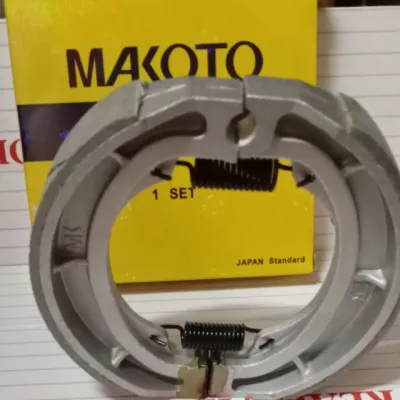
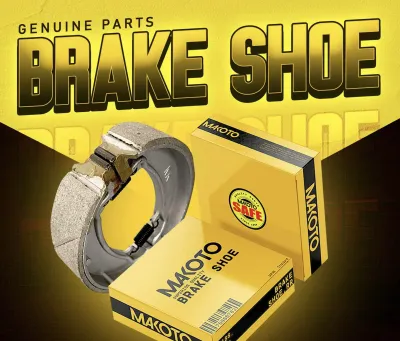
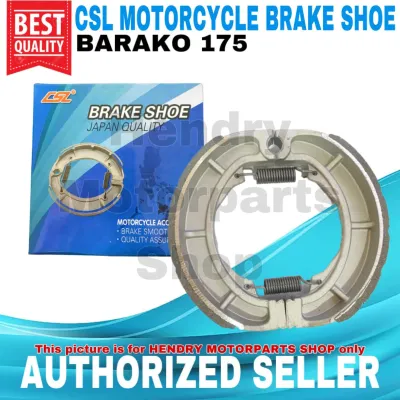
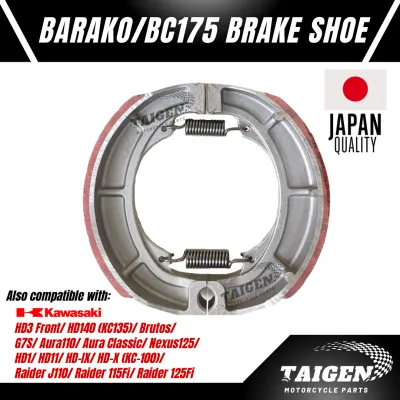
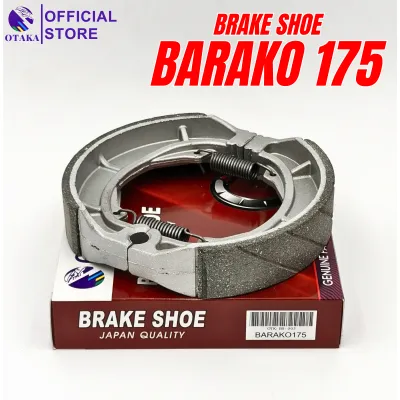
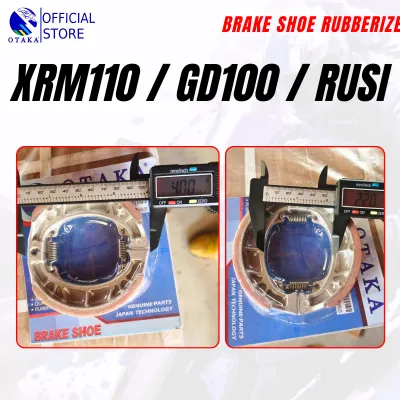
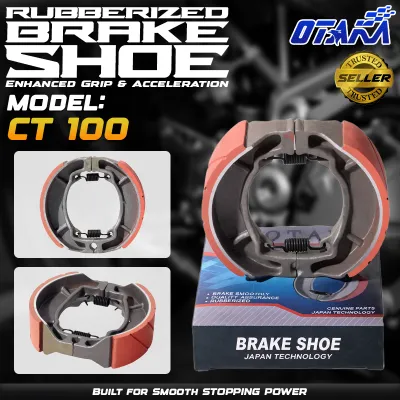
Prices are valid at publication and may change. Please refer to the product page for the latest price.
Visual inspection remains the most reliable method to confirm the state of your brake shoes. Many drum brake assemblies feature a wear indicator arrow on the external brake arm. When you apply the brake fully, if the pointer aligns with the wear limit mark on the brake panel, the shoes must be replaced. If you disassemble the hub, you can directly measure the thickness of the friction lining; uneven wear patterns or a lining worn down to the manufacturer’s minimum limit are clear signs that the shoes have reached the end of their service life.
Critical Safety Hazards in Daily Riding Conditions
Operating a motorcycle with compromised brakes drastically alters stopping distances and vehicle control, turning routine commutes into high-risk situations. When the friction material is degraded, the mechanical energy of your moving motorcycle cannot be efficiently converted into heat energy, resulting in a much longer distance required to come to a complete halt. This delay can be the difference between a safe stop and a severe collision.

Heavy Traffic and Stop-and-Go Scenarios
In congested urban traffic, riders constantly apply and release their brakes to navigate tight gaps and sudden stops. This continuous stop-and-go pattern generates intense heat within the brake drum. Substandard or worn brake shoes are highly susceptible to brake fade, a condition where the friction material loses its grip due to extreme thermal stress. As the drum and shoes overheat, you may find that pulling the brake lever yields almost no stopping power, leaving you unable to slow down in time.
Navigating busy streets requires split-second reactions. If your brake shoes are degraded, the delayed response time makes it incredibly difficult to react to sudden lane changes, stopping public utility vehicles, or pedestrians stepping into the road. The unpredictable nature of city traffic demands a highly responsive braking system, making high-quality, fully functional brake shoes an absolute necessity for daily riders.
Wet Roads and Reduced Traction
Tropical downpours and flooded streets present unique challenges for drum brake systems. Water can easily enter the brake drum housing, creating a slippery film between the brake shoe lining and the inner drum wall. Worn or low-quality friction materials struggle to sweep this moisture away, resulting in a temporary but terrifying loss of braking force when you first apply the brakes on a wet road.
Furthermore, unevenly worn brake shoes can grab suddenly and unevenly once they finally make contact through the water barrier. This sudden, jerky engagement increases the risk of wheel lock-up, especially on slippery asphalt or muddy surfaces. Because the Barako 175 is a heavier motorcycle, a sudden rear-wheel lock-up can easily lead to a dangerous skid, causing the rider to lose balance and slide out into oncoming traffic.
Mechanical Risks and Long-Term Damage to Your Motorcycle
Neglecting worn brake shoes does more than threaten your physical safety; it also inflicts severe mechanical damage on your motorcycle. When the friction lining wears away completely, the steel backing plate of the brake shoe rubs directly against the soft cast-iron lining of the wheel hub’s brake drum. This metal-on-metal friction quickly scores deep grooves into the drum surface, ruining its smooth finish and making future brake shoe replacements ineffective without costly machining or a complete hub replacement.
The consequences of uneven braking forces also extend to other parts of the motorcycle’s chassis and drivetrain. When brake shoes do not engage smoothly, the resulting vibrations and sudden jolts put unnecessary stress on the wheel bearings, rear sprocket hub, drive chain, and even the rear suspension bushings. Over time, these vibrations can accelerate the wear of these connected components, leading to a loose, unstable ride and a cascade of mechanical failures.
From a financial perspective, ignoring the warning signs of worn brakes is a costly mistake. High-quality replacement brake shoes are relatively inexpensive, often costing only a few hundred pesos (₱). In contrast, repairing a severely scored brake drum often requires replacing the entire wheel hub assembly, which can easily run into thousands of pesos (₱) for parts and professional wheel rebuilding services. Taking care of your brake shoes early saves you from these extensive and expensive repairs.
How to Inspect and Decide When to Replace Your Brake Shoes
Regular inspection is the key to maintaining a safe braking system on your Barako 175. Before starting any work, ensure you establish a safe working environment. Park the motorcycle on a flat, level surface and secure it firmly on its center stand. Because brakes are critical safety components, always consult your motorcycle’s official service manual before proceeding. If you lack the proper tools, experience, or mechanical training, have a qualified professional mechanic perform the inspection and replacement.
To inspect the brake shoes directly, you must remove the wheel from the motorcycle. Loosen the brake adjuster nut, slide out the brake rod, and remove the axle nut to slide the axle bolt out. Once the wheel is free, carefully pull the brake panel assembly out of the drum. This will expose the brake shoes, allowing you to inspect the friction material for cracks, contamination from grease or oil, and overall wear.
Use a vernier caliper or a precise ruler to measure the thickness of the friction lining at its thinnest point. Compare this measurement against the wear limit specified in your Barako 175 service manual. If the lining is close to or below the limit, or if you observe deep grooves, cracks, or uneven wear across the surface of the shoes, they must be replaced immediately. Additionally, inspect the inside of the brake drum for scoring; if you feel deep ridges with your fingernail, the drum itself may need to be turned on a lathe or replaced by a professional.
Choosing the Right Brake Shoe for Barako 175
Selecting the correct replacement parts is vital for restoring your motorcycle’s original stopping performance. Always verify the exact compatibility of the brake shoes with your specific Barako 175 model year and variant, as dimensions and mounting configurations can vary. Do not rely solely on generic category descriptions; cross-reference the manufacturer’s part numbers with your owner’s manual to ensure a perfect fit.
When shopping for replacement parts, prioritize reputable manufacturers that adhere to strict quality control standards. Genuine OEM parts or high-quality aftermarket brands will feature clear, professional packaging, distinct part numbers, and visible material quality indicators on the friction lining itself. High-quality brake shoes use durable, heat-resistant compounds designed to withstand the heavy loads and high temperatures typical of daily utility riding.
Avoid purchasing unbranded, suspiciously cheap brake shoes from unverified online marketplaces or roadside shops. These counterfeit or low-grade products often use inferior friction materials that wear down rapidly, crumble under thermal stress, or fail to provide adequate stopping power in wet conditions. Investing in reliable, certified brake shoes ensures consistent performance, longevity, and peace of mind every time you pull the lever or step on the pedal.
Frequently Asked Questions (FAQ)
Can I replace just one brake shoe if only one side is worn?
No, you should always replace brake shoes as a complete set for the wheel. Brake shoes are designed and manufactured to wear evenly; replacing only one shoe can lead to unbalanced braking forces inside the drum. This imbalance can cause uneven wear on the new shoe, reduced braking efficiency, and erratic handling, making the motorcycle unstable when stopping.
How often should I check the brake shoes on my Barako 175?
You should inspect your brake shoes during every routine maintenance interval, typically every 3,000 to 5,000 kilometers, or whenever you replace a tire. If you frequently ride in heavy stop-and-go traffic, carry heavy loads, or operate in wet and muddy conditions, you should increase the frequency of these checks to ensure your safety.
Community discussion
Share your experience or ask a question. Comments are reviewed before publication.