
Brake calipers are the mechanical muscle of your vehicle’s stopping system, clamping the brake pads against the spinning rotors to slow you down. When these components wear out or are replaced with low-quality, substandard parts, your vehicle’s ability to stop safely is severely compromised. In the tropical climate of the Philippines, where heavy downpours, high humidity, and intense stop-and-go traffic put extreme stress on braking systems, maintaining the integrity of your calipers is a matter of life and death. Understanding how degraded caliper parts fail and recognizing the early warning signs can help you make informed decisions before a minor issue escalates into a catastrophic brake failure.
How Worn or Substandard Caliper Parts Compromise Braking Safety
The brake caliper operates under extreme hydraulic pressure and high temperatures, serving as the housing for the pistons and brake pads. Inside the caliper, one or more pistons push against the brake pads when you press the brake pedal, converting hydraulic force into mechanical clamping force. If a piston becomes corroded, dirty, or suffers from physical wear, it can seize within its bore or fail to retract properly when you release the pedal. This malfunction causes the brake pads to remain in constant contact with the rotor, leading to severe brake drag, excessive heat buildup, and premature wear of the friction materials.
Seals and dust boots made of inferior rubber compounds or degraded by age represent another critical point of failure in the braking system. The caliper piston seal must maintain a perfect hydraulic barrier while withstanding high-temperature brake fluid and constant mechanical movement. Low-quality or worn seals can crack, tear, or lose elasticity, allowing brake fluid to leak out of the caliper assembly. This leakage directly reduces hydraulic pressure within the braking system, which can cause the brake pedal to feel soft and drastically decrease your overall stopping power.
Products mentioned in this guide
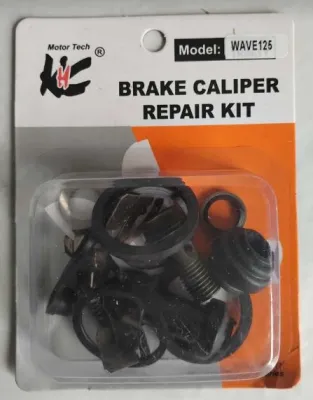
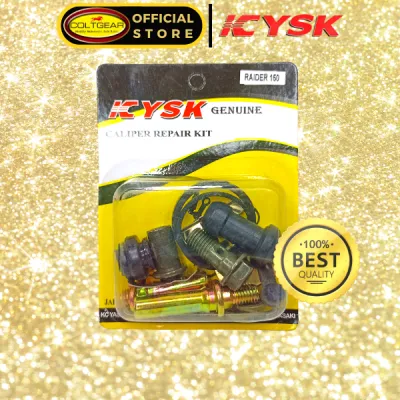
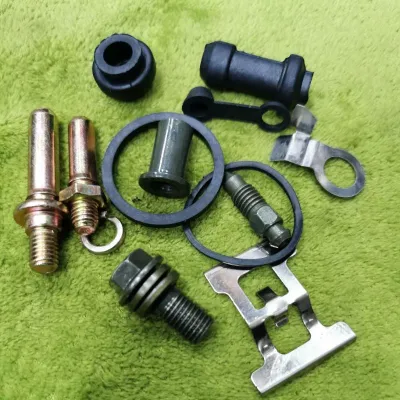
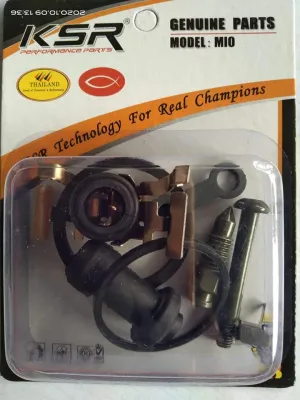
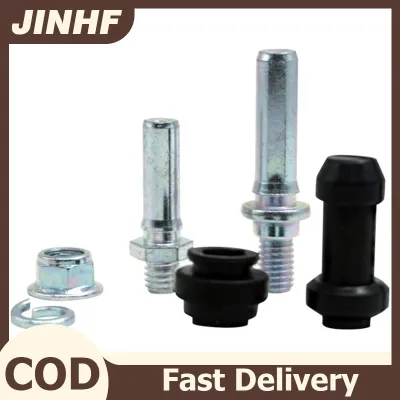
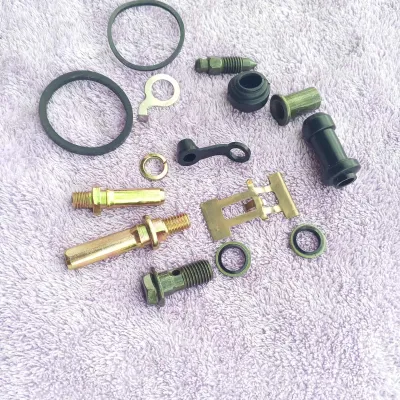
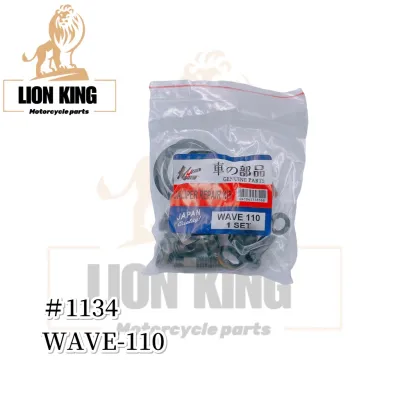
Prices are valid at publication and may change. Please refer to the product page for the latest price.
Guide pins are responsible for allowing the caliper body to slide smoothly and distribute clamping force evenly across both sides of the brake rotor. When these pins lose their lubrication, rust due to moisture exposure, or wear down, the caliper can become stuck in an angled or fixed position. This lack of free movement results in uneven pad wear, reduced contact area, and asymmetric braking force that can pull your vehicle unexpectedly during a sudden stop. Substandard aftermarket guide pins often lack the precise tolerances and heat-resistant coatings required to prevent binding under heavy use.
Critical Warning Signs That Demand Immediate Brake Inspection
Recognizing the physical and sensory warning signs of caliper degradation is essential for preventing complete brake failure on the road. One of the most obvious physical indicators is a sudden drop in the brake fluid level in your reservoir, which often points to a leak around the caliper piston seals. You may also notice wet patches or oily residue on the inner side of your wheels or tires, indicating that highly corrosive brake fluid is actively escaping from the caliper assembly. Inspecting the brake pads during routine maintenance can also reveal uneven wear patterns, where one pad is significantly thinner than the other, pointing directly to a sticking caliper piston or frozen guide pins.

Sensory feedback while driving provides immediate clues that your calipers require urgent professional attention. If your vehicle consistently pulls to one side when you apply the brakes, it often indicates that a caliper on one side is seized and failing to apply equal clamping force. You might also experience a spongy, soft, or unusually low brake pedal, which suggests air has entered the hydraulic lines through a compromised caliper seal, or conversely, an extremely hard pedal if a piston is completely seized. Steering wheel vibration or a pulsating sensation through the brake pedal during deceleration can also indicate that a dragging caliper has overheated and warped the brake rotor.
Auditory and olfactory warnings should never be ignored during your daily commute, especially in dense traffic environments. A persistent metallic grinding, squealing, or scraping noise usually indicates that uneven pad wear has exposed the metal backing plate, which is now grinding directly against the rotor due to a stuck caliper. Additionally, a sharp, chemical burning smell wafting from the wheels after driving suggests that a seized piston or stuck guide pins are causing continuous brake drag, overheating the entire assembly. If you observe smoke or feel intense heat radiating from a single wheel assembly after a drive, the vehicle should be parked immediately to prevent a potential wheel-end fire.
Cascading Damage and Safety Hazards of Ignoring Caliper Issues
Neglecting a faulty brake caliper does not just compromise your immediate stopping ability; it triggers a destructive chain reaction throughout your entire braking system. When a caliper fails to retract, the continuous friction generates extreme thermal energy that quickly transfers to the brake pads and rotors. This intense heat can glaze the brake pads, warp the steel rotors, and cause brake fade, a dangerous condition where the braking system temporarily loses its friction capability entirely. Overheated rotors can also develop hot spots, which alter the metal’s structure and make them highly susceptible to cracking under sudden stress.
Under extreme temperatures and high hydraulic pressures, substandard or severely worn caliper components face a high risk of sudden structural failure. An inferior piston or a weakened caliper housing can crack or fracture during an emergency stop, leading to an instantaneous loss of hydraulic pressure and complete braking failure on that wheel. Such sudden mechanical failures can cause the driver to lose control of the vehicle entirely, especially at highway speeds or on winding roads. The loss of pressure in one corner of the vehicle can also cause the brake pedal to drop completely to the floor, leaving the driver with minimal stopping power.
Furthermore, compromised calipers severely degrade your vehicle’s overall handling stability and emergency stopping distances. When one wheel fails to brake effectively due to a malfunctioning caliper, the vehicle’s weight distribution becomes highly unbalanced during deceleration. This imbalance can trigger premature anti-lock braking system (ABS) intervention, increase the distance required to come to a complete stop, and significantly elevate the risk of skidding or losing control on wet or slippery roads. In emergency situations where split-second stops are required, a delayed or uneven braking response can be the difference between a safe stop and a severe collision.
Safe Inspection Boundaries and Professional Replacement Rules
Because the braking system is the most critical safety feature on your vehicle, maintenance and repairs must be approached with extreme caution. While basic visual checks of fluid levels and pad thickness can be performed by car owners, complex tasks like caliper disassembly, piston replacement, or hydraulic system bleeding require specialized tools and technical expertise. Attempting to service these components without proper training can introduce air into the lines, damage delicate seals, or lead to incorrect assembly, putting your life at risk. For these reasons, any internal caliper service or component replacement should be performed by a qualified professional technician.
Always consult your vehicle owner’s manual for specific maintenance schedules, approved brake fluid types, and caliper inspection intervals recommended by the manufacturer. Different vehicle models require specific fluid specifications, such as DOT 3, DOT 4, or DOT 5.1, and using an incompatible fluid can destroy internal caliper seals rapidly. Additionally, the manual provides the exact torque specifications for caliper mounting bolts and guide pins, which are critical for preventing the caliper from vibrating loose during operation. Adhering to these manufacturer guidelines ensures that the braking system operates exactly as designed.
When replacement becomes necessary, safety dictates that you use only specification-compliant, high-quality parts that match your vehicle’s exact make, model, and year. Never install unbranded or unverified components from online marketplaces that do not carry recognized safety certifications or clear manufacturer documentation. After any caliper replacement or repair, the entire hydraulic system must be professionally bled to remove all air bubbles, followed by a controlled road test by a qualified technician to verify balanced braking performance and leak-free operation before the vehicle is returned to daily service.
Before purchasing any replacement caliper parts, verify the exact specifications of your vehicle, including the model year, engine size, and trim level, as caliper designs can vary significantly even within the same model run. Ensure that the replacement parts are sourced from reputable automotive distributors who can verify the origin and quality of the components. Taking these precautions guarantees that your new brake components will integrate seamlessly with your vehicle’s existing safety systems, providing reliable stopping power when you need it most.
Frequently Asked Questions (FAQ)
Can I replace just the brake caliper repair kit instead of the whole caliper?
Using a brake caliper repair kit—which typically includes new rubber seals, dust boots, and sometimes a replacement piston—is a viable and cost-effective option if the main caliper body is still in excellent structural condition. This method is suitable when the only issue is a minor fluid leak or a torn dust boot, provided the cylinder bore is completely free of deep scratches, pitting, or corrosion. If the internal cylinder wall of the caliper is scored, rusted, or physically deformed, a repair kit will not seal properly, and you must replace the entire caliper assembly.
Because rebuilding a caliper requires absolute precision and cleanliness, this assessment and execution must be performed by a qualified professional to ensure hydraulic integrity. Any microscopic dirt or improper seal seating during the rebuild process can lead to immediate fluid leakage or piston binding. A professional technician has the specialized tools to hone the cylinder bore if necessary and verify that the rebuilt caliper meets all safety and performance standards before installation.
How often should brake calipers be inspected or serviced?
Brake calipers should be visually inspected during every routine brake pad replacement or tire rotation, which typically occurs every 10,000 to 15,000 kilometers, or at least once a year. In the Philippines, the combination of high humidity, heavy seasonal rainfall, and flooded roads can accelerate rust formation on guide pins and degrade rubber boots much faster than in dry climates. If you frequently drive in heavy stop-and-go traffic or through deep water during the rainy season, you should have a professional technician clean, lubricate, and inspect your caliper guide pins and seals more frequently to prevent premature seizing and uneven wear.
Regular servicing should include cleaning the caliper slide tracks, lubricating the guide pins with high-temperature silicone-based brake grease, and checking the integrity of all rubber boots and seals. This preventive maintenance prevents the pins from seizing and ensures even pad wear, extending the lifespan of your entire braking system. If you notice any changes in braking performance, pedal feel, or unusual noises between scheduled services, you should seek an immediate professional inspection rather than waiting for your next routine maintenance interval.
Community discussion
Share your experience or ask a question. Comments are reviewed before publication.