
Selecting the right tire for the unpredictable weather in the Philippines requires balancing daily driving needs with wet-weather safety. When comparing the Sailun Atrezzo and Sailun Ecomatch lines for wet roads, there is no single universal winner. Instead, the better performer depends on the specific tire model, its verified sidewall ratings, and whether your driving style favors long-distance touring comfort or urban fuel efficiency.
During heavy monsoon downpours, your safety relies on physical tread design and compound characteristics that you must verify on the specific tire variant before purchase. To make an informed decision, you must look beyond brand names and marketing claims.
The Atrezzo and Ecomatch lines represent two distinct engineering philosophies. By understanding how these designs handle water evacuation and by checking standardized safety labels, you can select the tire that keeps your vehicle securely planted on wet asphalt.
Products mentioned in this guide
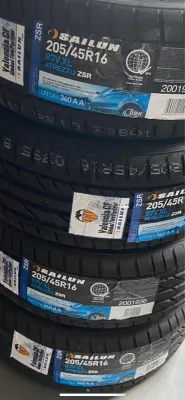
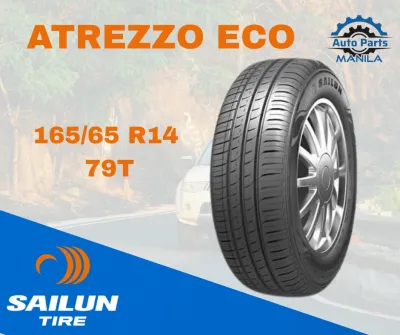
1 Lazada user ratings
🛠️Durability:good 💰Price:fair enough 🦶Traction:good 🛞 Sulit din naman at maganda ang design ng gulong compare sa iba.
Prices are valid at publication and may change. Please refer to the product page for the latest price.
Core Design Focus: Touring Comfort vs. Fuel Efficiency
The Sailun Atrezzo line is generally engineered as a touring and performance-oriented tire family. Its primary design goals center on delivering a smooth ride, responsive handling, and stable cornering at highway speeds.
To achieve this, Atrezzo tires typically utilize tread patterns and rubber compounds optimized for consistent contact with the road. This design focus can translate to reliable grip during sudden tropical rainstorms.
In contrast, the Sailun Ecomatch line focuses heavily on environmental efficiency and reducing operating costs. The engineering priority here is minimizing rolling resistance, which refers to the energy a tire consumes as it rolls along the pavement.
To lower rolling resistance and improve fuel economy, Ecomatch tires often employ specialized silica-rich compounds and stiffer tread structures. These differing philosophies directly impact how each tire line behaves on wet roads.
A touring-focused tire like the Atrezzo may prioritize a softer compound that conforms more easily to wet road imperfections, potentially offering a more reassuring feel during heavy downpours.
On the other hand, an eco-focused tire like the Ecomatch must balance its low-rolling-resistance compound with the physical need to bite through standing water.
Because compound formulations vary by specific model and manufacturing year, you should always verify the individual tire’s wet traction rating rather than assuming one entire line outperforms the other.
Tread Features to Inspect for Monsoon Water Evacuation
When standing in a tire shop or browsing options on an online marketplace, you can assess a tire’s wet-weather capability by closely examining its physical tread pattern. The primary defense against hydroplaning is the tire’s ability to evacuate water rapidly.

Hydroplaning occurs when a layer of water builds up between the tire and the road surface, causing a complete loss of steering and braking control.
First, inspect the circumferential grooves, which are the deep channels running continuously around the circumference of the tire. Wider and deeper circumferential grooves can channel larger volumes of water away from the contact patch.
When comparing Atrezzo and Ecomatch models, look at the number and width of these main channels. A tire with three or four wide channels is generally better equipped to handle the sudden, heavy accumulation of water common on Philippine highways.
Second, look for lateral sipes and notches. Sipes are tiny slits cut into the tread blocks that flex as the tire rolls, creating a squeegee effect that wipes water away to let the rubber grip the road.
Notches are larger diagonal grooves that help push water outward to the sides of the tire. A tread pattern with numerous, well-defined sipes and angled lateral grooves is highly desirable for wet braking and cornering stability.
Third, consider tread block stiffness. While flexible tread blocks with many sipes improve wet traction, they can sometimes reduce dry handling precision.
Conversely, very stiff tread blocks provide excellent dry stability but may struggle to evacuate water if they lack sufficient siping.
When inspecting specific Atrezzo and Ecomatch models in your required size, look for a balanced design that combines solid outer shoulder blocks for cornering stability with highly siped center ribs for wet-weather braking. Always visually compare these features on the exact models available for your vehicle.
How to Verify Wet Safety Using Sidewall Labels
Rather than relying on subjective reviews, you can use standardized markings molded directly into the tire’s sidewall to evaluate its wet-weather performance. The most reliable tool for this is the Uniform Tire Quality Grading (UTQG) system, which is standardized globally.
The UTQG Traction Grade specifically measures a tire’s ability to stop on wet concrete and asphalt under controlled testing conditions. This grade is represented by letters: AA, A, B, or C, with AA being the highest possible rating.
For driving on wet roads in the Philippines, you should look for a traction grade of ‘A’ or ‘AA’ on the sidewall. A grade of ‘B’ or ‘C’ indicates lower wet braking capabilities, which may increase your stopping distance during a sudden downpour.
In addition to traction, you must verify the Load Index and Speed Rating to ensure the tire is compatible with your vehicle’s specifications. The load index is a numerical code indicating the maximum weight the tire can support, while the speed rating is a letter indicating the maximum safe operating speed.
Operating a tire that does not meet your vehicle manufacturer’s recommended load and speed specifications can compromise safety, especially when braking or cornering on slippery, wet roads. Always consult your vehicle’s owner’s manual for these original-vehicle instructions.
Finally, examine the UTQG Treadwear and Temperature ratings. The treadwear grade is a comparative rating based on wear rate, while the temperature grade (A, B, or C) measures the tire’s resistance to heat generation.
In the hot, tropical climate of the Philippines, tires are subjected to high ambient temperatures and hot asphalt, which can accelerate wear and affect compound performance. A higher temperature rating (preferably ‘A’) ensures the tire compound maintains its structural integrity and wet-grip characteristics.
Before purchasing, use this checklist to verify the sidewall markings:
- Locate the UTQG ratings, usually printed near the tread area on the sidewall.
- Confirm the Traction Grade is 'A' or 'AA'.
- Verify the Temperature Grade is 'A' or 'B' to handle tropical heat.
- Check that the Load Index and Speed Rating match or exceed your vehicle's original equipment manufacturer (OEM) requirements.
- Inspect the DOT code to ensure the tire is recently manufactured, as older rubber compounds can harden and lose wet grip.
Decision Framework: Choose Atrezzo or Ecomatch?
To choose between the Sailun Atrezzo and Ecomatch lines, you must align their design characteristics with your specific driving environment, vehicle type, and safety requirements.
You should choose the Sailun Atrezzo if your daily driving involves a mix of highway cruising and city commuting, and you prioritize ride comfort and responsive handling.
If you can verify that the specific Atrezzo model in your size carries a high UTQG traction grade (such as ‘A’), it will likely provide the balanced wet-weather braking and cornering stability needed for highway travel during the monsoon season.
You should choose the Sailun Ecomatch if your primary goal is maximizing fuel efficiency during daily city commuting, and you want to reduce your vehicle’s fuel expenses.
However, you must confirm that the specific Ecomatch variant available in your size meets your safety threshold by carrying at least an ‘A’ traction grade. If your driving is mostly low-speed city travel, the fuel savings of an eco-tire can be highly beneficial, provided wet braking safety is not compromised.
Neither tire line may be suitable if the specific models available in your exact tire size carry a ‘B’ or ‘C’ traction grade, or if the required size is discontinued or unavailable. In such cases, you should look for alternative models that guarantee superior wet-weather safety.
Always verify the exact model variant stocked by your local dealer or online marketplace in the Philippines. Tire specifications, including tread patterns and compounds, can vary between different production batches and regions.
If the sidewall labels are unreadable or the specifications are unclear, consult the manufacturer’s official documentation or a qualified tire professional before making your purchase. Never infer compatibility or safety from a broad category term alone.
Essential Maintenance to Preserve Wet Traction
Regardless of whether you choose the Atrezzo or Ecomatch line, no tire can perform safely on wet roads without proper maintenance. The safety boundary of any tire is heavily dependent on its physical condition and how it is operated.
First, regularly check your tire’s tread depth. Tires feature built-in tread wear indicators, which are small raised bars inside the grooves.
If the tread is worn down to these indicators, or if a tread depth gauge reads below 1.6mm, the tire can no longer evacuate water effectively, drastically increasing the risk of hydroplaning. For optimal wet safety, many professionals recommend replacing tires before they reach this legal limit.
Second, maintain the correct tire inflation pressure as specified in your vehicle’s owner’s manual or on the door jamb placard. Under-inflated tires can cause the contact patch to distort, reducing the tire’s ability to channel water away and making hydroplaning more likely.
Third, perform regular tire rotations and wheel alignments. Uneven tread wear can compromise the effectiveness of water evacuation channels and lead to premature tire failure. Rotating your tires every 10,000 kilometers helps ensure even wear across all four wheels.
If you experience frequent hydroplaning or a noticeable loss of traction during wet weather despite having adequate tread depth, stop driving immediately when safe to do so.
Consult a qualified tire professional or automotive technician to inspect your suspension, alignment, and overall tire condition, as professional installation and diagnostic checks are essential for maintaining vehicle safety.

Community discussion
Share your experience or ask a question. Comments are reviewed before publication.